
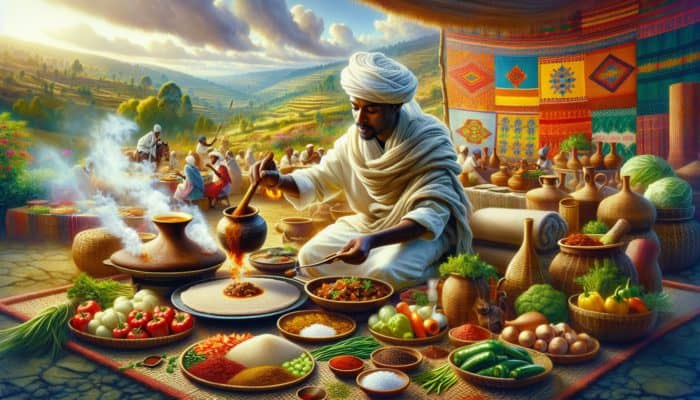
Mastering the Essentials of Ethiopian Cuisine
What Key Ingredients Should You Use?
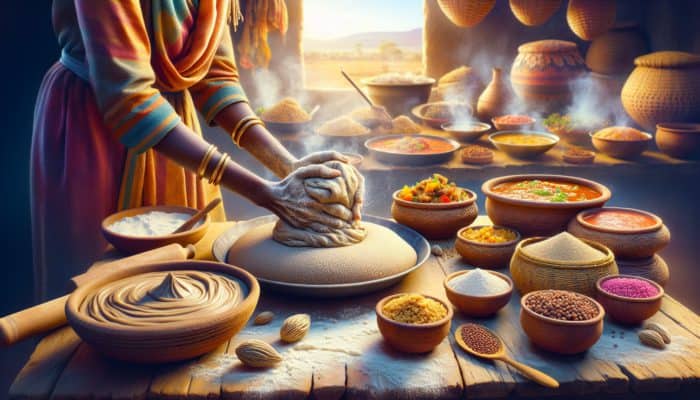
How to Cook Ethiopian Injera and Stews: When crafting authentic Ethiopian injera and accompanying stews, the focus must be on the right ingredients. The standout choice for injera is teff flour, a nutritious, gluten-free grain from Ethiopia. Its distinctively nutty, slightly sweet flavour is essential to achieving the iconic tanginess during fermentation. If sourcing teff proves challenging, alternatives such as quinoa flour or a blend of whole wheat and rice flour can be used as substitutes, providing a satisfying texture.
Moreover, water plays a pivotal role in the process, but not all water is created equal. Opt for filtered or spring water to achieve superior fermentation results, as tap water may contain contaminants such as chlorine. Additionally, salt is vital—not only does it enhance flavour, but it also regulates fermentation. Sea salt or kosher salt yields the best outcomes. Among spices, berbere is the quintessential Ethiopian blend, combining chilli pepper, garlic, ginger, and fenugreek. If berbere is unavailable, consider creating your own blend or using curry powder as a unique alternative.
For stews, commonly referred to as wot, the foundation starts with a generous amount of onions; slow-cooking these onions creates a rich flavour base. Fresh or canned tomatoes contribute acidity and depth to the dish. For protein options, you can use lentils or chicken, while chickpeas or tofu provide excellent vegetarian or vegan alternatives. Feel free to adjust your ingredient selections based on what you have available, ensuring you maintain the dish's essence.
What Tools Do You Need for Preparation?
Equipping your kitchen with the right tools is crucial for a successful Ethiopian cooking experience. Begin with a large mixing bowl to combine your injera batter effectively. A whisk or a sturdy fork works well to ensure the flour and water blend thoroughly, eliminating any lumps. For accurate ingredient measurements, consider investing in a digital scale, especially for ingredients like teff flour, where precision is key to achieving the desired texture.
A non-stick frying pan or a traditional mitad, a clay griddle specific to Ethiopian cooking, is essential for preparing injera. If a mitad is not available, a cast-iron skillet is a great alternative, offering excellent heat distribution. Additionally, a spatula is required to flip the injera without tearing it. Don’t overlook the importance of a pot or Dutch oven for simmering your stews, as these vessels retain heat effectively and promote even cooking—critical for tenderising meats or legumes.
Lastly, a thermometer can significantly improve your cooking accuracy, particularly for monitoring the pan temperature while preparing injera. Maintaining a consistent, moderate heat is essential to prevent burning and ensure thorough cooking. With these tools in your kitchen, you will pave the way for culinary success.
What Techniques Should You Master?
Mastering the techniques involved in cooking injera and stews can distinguish a mediocre meal from an exceptional one. Begin by mixing your injera batter. Combine teff flour and water in a mixing bowl, whisking until well blended. The magic of fermentation transforms this blend into a tangy base for your injera. Allow it to rest at room temperature for 1-3 days, depending on your taste preference for sourness.
Once your batter is ready, heat your frying pan over medium heat. Pour a ladleful of batter into the pan, swirling to create an even layer. As the injera cooks, watch for bubbles forming; this is your cue to remove it from the heat. A crucial tip is to cover the pan while cooking; this traps steam, ensuring the injera cooks evenly and develops its characteristic texture.
When preparing the stews, the technique relies on sautéing. Begin by slowly caramelising onions in your pot until they turn a golden brown, enhancing their sweetness and adding depth to the dish. After that, add your spices, allowing them to bloom in the heat for several minutes before introducing your protein or vegetables. This method maximises flavour extraction and significantly elevates the overall taste of your creation. By mastering these essential techniques, you will be well on your way to crafting flavour-packed Ethiopian meals.
How to Understand Measurements and Conversions

Grasping measurements and conversions is fundamental for achieving consistent results in your culinary endeavours. In Australia, the metric system is used, so accurate measurement conversion is vital. For example, when a recipe specifies 1 cup of flour, it generally equates to approximately 120 grams of teff flour. Precise measurements ensure the right balance of ingredients, which is particularly crucial when working with gluten-free flours that can vary in weight.
When measuring liquids, use a clear measuring jug for optimal accuracy. For instance, 1 cup of water equals 250 ml. For measuring smaller quantities, opt for measuring spoons; 1 tablespoon is roughly equivalent to 15 ml. Remember that successful cooking often hinges on precision, especially during fermentation. An excess of flour or water can alter the batter's consistency, impacting the final product.
As a practical tip, always tare the scale before adding ingredients to ensure accurate measurements, accounting for the bowl's weight. Familiarise yourself with a conversion chart for quick reference, especially when using international recipes that may use different units. By honing your measurement skills, you will consistently achieve the perfect texture and flavour in your injera and stews.
What Are the Fundamentals of Kitchen Safety?
Establishing a safe cooking environment is essential, particularly when handling sharp tools and hot equipment. First, ensure your knives are sharp; dull knives are more likely to slip and cause injuries. Always utilise a cutting board and keep your fingers tucked in while chopping to minimise accidents. When operating a blender or food processor, never place your hands inside while the device is on—always wait until it is unplugged.
Effective heat management is another crucial aspect of kitchen safety. Always use oven mitts when handling hot pots and pans, and ensure pot handles are turned inward to avoid accidental spills. If you are deep-frying or sautéing, keep a lid nearby to smother any grease fires, as water will only exacerbate them.
Maintaining cleanliness while cooking helps ensure safety by preventing cross-contamination. Use separate cutting boards for raw meats and vegetables, and always wash utensils and surfaces thoroughly after they come into contact with raw ingredients. Adhering to these safety fundamentals will help you create a secure cooking space, allowing you to focus on crafting delicious Ethiopian dishes without worry.
How Does Fermentation Contribute to Flavour?
What Factors Impact the Fermentation Process?
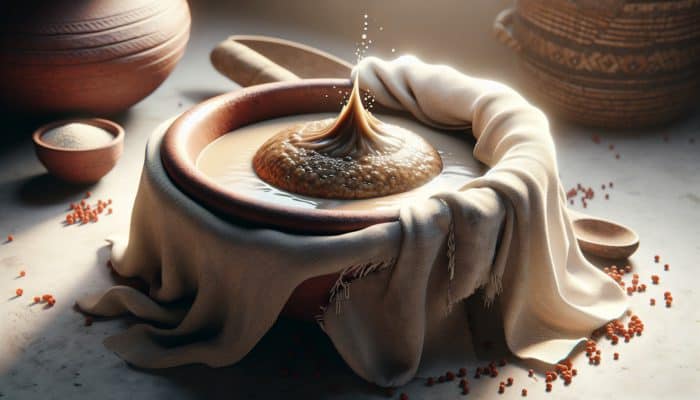
Fermentation is a captivating process that unlocks unique flavours in injera. Several factors influence this intricate balance. Temperature plays a crucial role: warmer environments (around 25-30°C) accelerate fermentation, while cooler settings slow it down. If your kitchen is too chilly, consider placing your batter in a warmer area or wrapping it in a blanket to retain warmth.
Time also significantly affects the process. Depending on your flavour preference, fermentation can take 1 to 3 days. A longer fermentation period results in a more pronounced tanginess. The batter's consistency is equally important; if it is too thick or too thin, it can disrupt fermentation. Aim for a batter that resembles pancake mix—pourable yet not watery.
Lastly, the microbial environment is key. The presence of airborne wild yeast and bacteria on kitchen surfaces helps cultivate the desired flavour. Ensure your mixing bowl is clean but not sterilised, allowing beneficial microbes to thrive. By understanding these factors, you can adjust your fermentation approach to reflect your taste preferences and ensure an extraordinary injera experience.
What Are the Key Signs Your Batter Is Ready?
Recognising when your injera batter is ready is crucial for a successful fermentation process. One of the most obvious signs is the formation of bubbles. As the batter ferments, these bubbles will appear, indicating the carbon dioxide produced by yeast activity. Additionally, a sour aroma signals that lactic acid bacteria are working, contributing to the characteristic tangy scent of well-fermented injera.
Examine the consistency of your batter; it should be pourable yet thick enough to create a stable base. A batter that is too runny suggests over-fermentation, while one that is too thick indicates it needs more time or a small amount of water.
To avoid common pitfalls, here’s a quick checklist of signs to watch for:
- Bubbles forming on the surface
- A sour, pleasant aroma
- A pourable yet thick texture
- Colour change from beige to a slightly darker shade
By closely observing these signs, you will know when your batter is at its peak for cooking, leading to deliciously tangy injera.
How to Troubleshoot Common Fermentation Issues?
Even seasoned cooks can encounter challenges during fermentation. A common issue is the absence of bubbles, indicating insufficient fermentation. This could be due to a cooler temperature or an inactive yeast environment. To troubleshoot, move your batter to a warmer location or add a teaspoon of sugar to jump-start fermentation.
Another potential problem is an overly sour flavour. While a tangy profile is desirable, excessive acidity can overwhelm the dish. If this occurs, consider reducing fermentation time or monitoring the aroma during fermentation to achieve a more balanced aroma.
If your batter seems separated, don't panic; stir it well. Separation may occur due to temperature fluctuations or prolonged fermentation.
Lastly, if you spot any unusual colour or mould, discard the batch immediately. Always prioritise food safety. By anticipating common fermentation challenges and applying practical solutions, you will achieve consistently reliable results with your injera batter.
Expert Techniques for Cooking Perfection
How to Achieve the Right Texture for Your Injera?
Achieving the ideal texture for injera is an art that demands attention to detail. Start by ensuring your batter is well-mixed; lumps can lead to uneven cooking. Allow the batter to rest after mixing; this resting period promotes flour hydration and contributes to a smoother texture.
When it comes to cooking, the heat of your pan is critical. Use medium heat; high temperatures can result in a burnt exterior while leaving the interior undercooked. Conduct a drop-of-water test to gauge the pan temperature: if it sizzles and evaporates immediately, you're ready to proceed. Pour the batter into the centre of the pan, then quickly swirl to create an even layer. This technique helps achieve that signature slightly spongy surface dotted with holes.
Remember, timing is paramount when cooking injera. As soon as you notice bubbles forming on the surface, it’s time to cover the pan. This traps steam, cooking the injera evenly and ensuring it retains moisture.
For enhancements, consider adding a light sprinkle of salt while cooking; this can elevate the flavour and contribute to a delightful texture. Finally, practice is essential; the more you cook, the better you’ll become at gauging the right texture through visual cues and tactile feedback.
How to Effectively Balance Flavours in Your Dishes?
Balancing flavours is crucial for crafting harmonious dishes. The role of spices cannot be overstated, especially in Ethiopian cuisine, where bold flavours reign supreme. Begin by layering your spices—start with base ingredients like onions and garlic before introducing spices like berbere. This allows the spices to bloom and infuse their essence into the dish.
When preparing your stews, consider the balance of sweetness and acidity. Adding tomatoes not only deepens the flavour but also introduces acidity that cuts through the richness of the meat or lentils. If your stew tastes flat, a splash of lemon juice or a teaspoon of vinegar can brighten the flavours.
Don’t overlook the importance of seasoning throughout the cooking process. Gradually add salt, tasting as you go. This fundamental step can elevate your dish from ordinary to extraordinary. For garnishing, fresh herbs like coriander or parsley add an extra layer of flavour and freshness, enhancing the overall dish.
Experimenting with these balancing techniques will elevate your cooking, leading to dishes that not only taste incredible but also resonate with the authentic flavours of Ethiopian cuisine. By paying close attention to the interplay of flavours, you’ll create a delightful culinary experience that leaves a lasting impression.
What Advanced Tips Can Ensure Consistency?
Consistency in cooking is vital for replicating successful dishes, particularly with injera and stews. Start by strictly adhering to your ingredient ratios. For injera, if it appears too thick or too runny, adjust the flour-to-water ratio until it is the right pourable consistency.
When it comes to cooking, uniform heat distribution is essential. If you’re using a frying pan, select a heavy-bottomed one that retains heat effectively. Please do not move the pan on the burner; instead, let it sit to ensure even cooking.
For timing, use a timer to accurately track your cooking stages, especially when sautéing onions for your stew. Begin on a medium-low flame to ensure an even cook without burning, then gradually increase the heat as needed.
Finally, always taste and adjust throughout the cooking process. Consistency is achieved not merely through measurement but through continuous engagement with your dish. Incorporating these advanced tips will enhance your skills, resulting in consistently delicious injera and stews.
How to Master Temperature Control?
Temperature control is pivotal in producing flawless dishes, especially for injera. Preheat the pan to the appropriate temperature before adding the batter; test it with the water-droplet method.
Once you pour the batter, maintain a steady, moderate heat. Excessively high temperatures will cause the exterior to cook rapidly while leaving the inside raw, whereas low temperatures will hinder proper cooking and fermentation. Understanding your stove’s characteristics is essential—some burners heat more quickly than others.
For stews, low, slow cooking is ideal. After bringing your stew to a boil, reduce the heat to a gentle simmer. This slow cooking melds flavours beautifully and tenderises all ingredients. Use a thermometer to check the internal temperature of meat, ensuring it reaches a safe minimum of 75°C.
Incorporating precise temperature control into your cooking routine ensures consistent results and minimises the risk of overcooking or burning. By mastering these techniques, your dishes will reflect improved quality and flavour, propelling your culinary journey forward.
What Innovative Preparation Methods Can You Use?
The methods you use during preparation can significantly affect the flavour and efficiency of your cooking process. Start with prep work, managing your ingredients in advance of cooking. Chop vegetables and measure spices to ensure a smooth workflow during cooking. This approach not only saves time but also helps you focus on your cooking techniques, reducing the likelihood of mistakes.
Marinating proteins before adding them to stews can significantly enhance flavour. A simple marinade of oil, salt, and spices can tenderise chicken or lentils, allowing them to absorb flavours more effectively.
Consider using a bain-marie to create sauces or stews. Blending ingredients such as tomatoes, onions, and spices before cooking can yield a smoother texture and enhance flavour depth.
Finally, don’t underestimate the power of presentation when preparing your dishes. Serving injera with colourful stews in varied bowls can enhance visual appeal and complement the meal's flavours. By employing these innovative preparation methods, you’ll not only streamline your cooking process but also elevate your overall culinary experience.
What Are the Essential Steps to Follow?
How Should You Mix the Injera Batter?
Mixing the batter for injera is a straightforward yet crucial step that determines the final product's quality. Begin with a large mixing bowl and add your teff flour, gradually pouring in filtered water. Using a whisk or a sturdy fork, stir the mixture until smooth and free of lumps. The desired outcome is a batter that resembles pancake mix in consistency—thick enough to hold its shape yet pourable.
To ensure complete hydration, allow the batter to rest for about 15 minutes after mixing. This waiting period allows the flour to absorb the water, resulting in a smoother texture. After resting, give the batter another quick stir to reincorporate any settled flour.
Don’t forget to taste the batter; it should have a slightly nutty flavour without any raw flour taste. If necessary, adjust the salt to your liking. For added depth of flavour, consider incorporating a pinch of sugar, which can also boost fermentation. This meticulous approach to mixing lays the groundwork for successful injera that is both delicious and well-textured.
How to Monitor the Cooking Progress of Injera?
Monitoring the cooking progress of your injera is essential for achieving the perfect texture and flavour. Once you pour the batter into the heated pan, keep a close watch on the surface. The appearance of bubbles indicates the batter is cooking effectively; they serve as an important visual cue.
Cook the injera covered; this traps steam and aids in even cooking. Timing is critical—typically, it takes about 2-3 minutes for the injera to cook thoroughly. Check the bottom for a golden-brown colour, but do not lift it too soon to maintain its shape.
Using a spatula, gently lift the edges to assess doneness. Once the edges lift and the surface is firm, remove the injera from the pan. If the bottom browns too quickly, adjust your heat accordingly. Consistent attention to these details will ensure that your injera is perfect each time.
What Final Adjustments Should You Make Before Serving?
Before serving your injera and stews, make a few final adjustments to enhance both taste and presentation. For the stews, tasting is essential; check for seasoning and balance. If the stew seems too rich, a splash of fresh lemon juice or a dash of vinegar can brighten it up, adding depth to the flavour profile.
Presentation plays a significant role in the overall dining experience. Arrange your injera on a large platter to take centre stage. Spoon the stews artistically over the injera, ensuring a vibrant display of textures and colours.
To elevate the dish, consider garnishing with fresh herbs like coriander or parsley. A sprinkle of sesame seeds or a drizzle of olive oil can also add an extra layer of visual appeal. Quick checks to ensure the dishes are warm before serving can significantly impact the dining experience. By making these final adjustments, you create not just a meal but an inviting culinary experience that delights the senses.
What Strategies Can Enhance Your Serving Experience?
What Accompaniments Enhance the Meal?
Pairing appropriate accompaniments with injera and stews can elevate the entire dining experience. One classic option is a fresh salad—a simple mix of chopped tomatoes, cucumbers, and onions, drizzled with lemon juice and olive oil—adding a refreshing crunch that contrasts beautifully with the hearty stews.
For a deeper flavour, consider serving your meal with spicy dipping sauce. A side of shiro, a chickpea stew seasoned with spices, complements injera perfectly, offering a balance of textures and flavours.
Another delightful option is to include sautéed greens, such as collard greens or spinach, which add nutrition and a vibrant pop of colour to your plate. For those who enjoy a bit of heat, a small dish of harissa can be a great accompaniment, allowing diners to adjust the heat level to their liking.
Finally, a refreshing drink can further enhance your meal; consider serving spiced tea or a light, fizzy drink to cleanse the palate between bites. By thoughtfully selecting these accompaniments, you create a well-rounded Ethiopian dining experience that invites exploration and enjoyment.
How to Store Leftovers Properly?
Properly storing leftovers is vital for maintaining freshness and quality in your injera and stews. Allow the food to cool completely before transferring it to storage containers. For injera, stack pieces with parchment paper between them to prevent sticking, then seal in an airtight container or wrap tightly in plastic wrap. This method helps preserve its softness and prevents it from drying out.
For stews, use airtight containers to prevent air exposure, which can cause spoilage. When stored correctly in the fridge, both injera and stews can last for 3-5 days. For longer storage, consider freezing the stews. They can remain fresh for up to three months in the freezer and can be reheated directly from frozen.
When reheating, gently warm the stew on low heat, stirring occasionally to ensure even heating. For injera, a quick warm-up in the pan or microwave covered with a damp paper towel helps restore its softness. By following these storage tips, you can continue to enjoy your Ethiopian creations even after the initial meal, preserving their delicious flavours.
What Presentation Ideas Enhance Appeal?
Presentation can significantly enhance the dining experience when serving injera and stews. Start by selecting a large, colourful platter for the injera. The unique texture and colour of the injera make it a striking base, showcasing the stews neatly arranged on top.
Consider using bowls for each type of stew, ideally in varied colours, to create a visually appealing spread. Garnishing your dishes can also elevate their appearance; fresh herbs like parsley or coriander sprinkled on top add a vibrant touch.
For an authentic touch, serve with traditional Ethiopian utensils—such as a communal plate — or use your hands, which are customary in Ethiopian dining. Adding small dishes of accompaniments such as salads or spiced oils around the main platter can create a buffet-style feel.
Lastly, consider the lighting and table setting. A well-set table with warm lighting creates an inviting atmosphere. By employing these presentation ideas, you transform your meal into a feast for the eyes and the palate.
Why Are Flavours Important in Cooking?
How Do Spices Contribute to Taste?
Spices form the backbone of flavour in Ethiopian cuisine, creating depth and complexity in every dish. They provide not only heat but also aromatic qualities that elevate the overall experience. For example, berbere, a blend of spices including chilli, garlic, and ginger, establishes a rich foundation, while mitmita, a spicier blend, adds an extra kick when desired.
When spices are added during cooking, they undergo a transformation known as blooming. This involves heating them in oil, which releases essential oils and intensifies their flavours. Such techniques can elevate your dishes from basic to extraordinary, as the spices meld with the other ingredients to create a harmonious flavour profile.
Moreover, seasoning at different stages of cooking yields different taste results. For instance, adding salt early helps build layers of flavour, while a final sprinkle of salt before serving enhances the palate. Understanding how to utilise spices effectively allows you to tailor flavours and create a signature touch in your dishes, making every meal unique.
How to Achieve a Balanced Flavour Profile?
Creating a balanced flavour profile is essential for any dish, especially when preparing complex recipes like injera and stews. Start with the base; for Ethiopian dishes, the foundation often lies in the aroma and sweetness of caramelised onions, which sets the stage for the entire dish.
Next, consider the three core components of flavour: sweetness, acidity, and bitterness. Adding tomatoes introduces natural acidity that cuts through the richness of stews, while a touch of sugar or sweet vegetables enhances overall sweetness. Adjusting these elements through careful seasoning is crucial for achieving balance.
Don’t hesitate to taste along the way. As the dish simmers, take a moment to assess the flavours and adjust with salt, spices, or acidity as needed. This iterative process enables you to create a dish that not only tastes good but also offers complexity, encouraging diners to savour every bite. By focusing on balance, you elevate your cooking to reflect the artistry of Ethiopian cuisine.
What Common Flavour Pitfalls Should Be Avoided?
When crafting flavours, being aware of common pitfalls can save your dish from going awry. One frequent mistake is neglecting to season at different stages of cooking. Salt enhances flavours, and adding it only at the end can result in a flat taste. Instead, season your ingredients as you build the dish to allow flavours to develop more fully.
Another pitfall is overusing spices without considering balance. While bold spices are a hallmark of Ethiopian cuisine, excessive amounts can overwhelm the palate. Start with small quantities and adjust as the dish simmers, allowing the flavours to harmonise.
Burning garlic or onions during the sautéing process can also impart bitterness to a dish. Cook them over low to medium heat, and remember that patience is key. If you find your dish too spicy, consider adding creaminess with yogurt or coconut milk to reduce the heat.
Lastly, always taste as you go. This essential practice ensures you catch any imbalances early, allowing you to adjust and perfect your dish. By avoiding these common pitfalls, you set yourself on the path to crafting authentic, flavourful Ethiopian meals that showcase the cuisine's depth and richness.
How Do Cultural Influences Shape Flavours?
The rich tapestry of Ethiopian cuisine is deeply influenced by its culture and traditions, which have shaped unique flavour profiles over centuries. Spices like berbere and mitmita are not merely ingredients; they reflect a history of trade and agriculture unique to the region. The use of these spices tells a story, showcasing the local flora and culinary practices passed down through generations.
In Ethiopia, food is often communal, with meals designed to be shared. This cultural practice influences how flavour is approached—dishes are crafted for collective enjoyment, encouraging a balanced flavour profile that caters to diverse palates. The use of injera as both a serving vessel and a component of the meal underscores its cultural significance, allowing diners to interact with their food.
Moreover, Ethiopia's diverse ethnic groups contribute a range of flavours and cooking techniques, resulting in regional variations in dishes. For instance, while the northern regions may favour spicy dishes, the southern areas might lean towards milder flavours. Understanding these cultural influences not only enhances your appreciation for the cuisine but also inspires you to explore and experiment with flavours in your cooking.
What Is The Science Behind Flavour Perception?
The science of flavour perception is a fascinating field that explains how we experience taste and aroma. Our taste buds detect five primary tastes: sweet, salty, sour, bitter, and umami. Each of these plays a role in how we perceive flavours in our dishes. For example, the sweetness in tomatoes balances the acidity in a stew, while umami from meats or fermented ingredients adds depth.
Aroma is another crucial component of flavour perception. The olfactory receptors in our nose interact with volatile compounds released from food, significantly influencing overall taste. This is why aromatic spices are vital in Ethiopian cooking—they not only add flavour but also enhance the sensory experience of a meal.
Moreover, individual preferences and experiences shape our perception of flavour. Cultural background, personal tastes, and even mood can influence how we interpret flavours. Understanding this complexity enables cooks to craft dishes that cater to diverse palates, allowing them to adjust recipes for their audience. By delving into this science, you can refine your cooking techniques and create dishes that resonate with a wider range of taste preferences.
What Final Tips Can Ensure Perfection in Your Cooking?
What Finishing Touches Matter Most?
Finishing touches can elevate your injera and stew from good to exceptional. Begin with garnishes, which serve not only decorative purposes but also enhance flavour. Fresh herbs like coriander or parsley sprinkled on top of your stews add a burst of colour and freshness, complementing the rich flavours beneath.
Consider a drizzle of olive oil or a dash of spiced oil for the final flourish. This not only adds a glossy finish but also enhances the overall taste. A light sprinkle of toasted sesame seeds introduces a delightful crunch, while a hint of lemon zest can brighten the dish with its aromatic oils.
Another key finishing touch is to serve your meal with various accompaniments—like a spicy dipping sauce or a side salad. These not only enhance the meal's appeal but also allow diners to customise their experience, encouraging flavour exploration.
Lastly, take a moment to assess the plate before serving. Ensure everything is warm, vibrant, and inviting. By focusing on these finishing touches, you can create a visually stunning and incredibly flavourful meal that delights your guests.
How to Customise for Individual Preferences?
Customising recipes allows you to tailor dishes to individual tastes, enhancing the enjoyment of your meals. Start by understanding the key preferences of those you’re cooking for. Some may prefer spicier dishes, while others might enjoy milder flavours. Adjust the spice levels in your berbere or mitmita blends so each person can experience their ideal heat level.
Consider dietary restrictions or preferences, such as vegetarian or gluten-free options. For instance, you can easily substitute traditional meats in stews with lentils or chickpeas for a satisfying vegetarian alternative. Use vegan-friendly options, such as coconut milk, for creaminess without dairy.
Don’t hesitate to experiment with ingredient swaps that align with your diners' preferences. If someone dislikes tomatoes, try using roasted red peppers for a different flavour profile in your stew. Encourage exploration by inviting diners to create their combinations, fostering a sense of participation in the meal.
Lastly, seek feedback; it is invaluable. It helps you refine your cooking style and make adjustments for future meals. By embracing these customisation techniques, you can ensure a delightful culinary experience tailored to every palate.
What Long-Term Improvement Strategies Should You Adopt?
Continuous improvement in your cooking skills is a rewarding journey that enhances your culinary experience. Start by keeping a cooking journal to document your recipes, techniques, and what worked and what didn’t. This valuable resource allows you to track your progress and refine your approach over time.
Engage in culinary challenges or classes that push you out of your comfort zone. Exploring new cuisines or cooking methods can introduce you to innovative techniques and flavours, expanding your repertoire.
Another effective strategy is to seek feedback from friends and family when you cook for them. Constructive criticism can provide insights you may overlook and inspire adjustments.
Lastly, embrace the idea of practice. The more you cook, the more intuitive your decisions will become. Essential skills such as timing, seasoning, and temperature control improve with practice. By committing to these long-term improvement strategies, you’ll cultivate not just your cooking skills but also a deeper appreciation for the art of cooking.
Frequently Asked Questions
What Is Injera Made Of?
Injera is primarily made from teff flour and water, with the mixture fermented to develop its unique flavour and texture.
Can I Make Injera Without Teff Flour?
Yes, while teff flour is traditional, you can substitute it with a mix of whole wheat and rice flour, or quinoa flour, to achieve a similar texture.
How Long Does It Take to Ferment Injera Batter?
Fermentation typically takes 1 to 3 days, depending on your desired sourness and environmental temperature.
What Is the Ideal Cooking Temperature for Injera?
Cook the injera over medium heat, ensuring the pan is preheated to prevent burning.
How Do I Store Leftover Injera?
Store leftover injera in an airtight container, stacking pieces with parchment paper in between to prevent sticking.
Can I Freeze Injera?
Yes, injera can be frozen. Wrap it tightly in plastic wrap and place it in an airtight container for up to three months.
What Are Typical Accompaniments for Injera?
Typical accompaniments include various stews (wot), salads, and spicy sauces that enhance the meal's flavour profile.
How Can I Adjust the Spiciness of My Stew?
Adjust the spice level by adding less berbere or by incorporating dairy or coconut milk to reduce the heat.
What Is the Best Way to Ensure My Stew Thickens?
To thicken your stew, simmer it uncovered to allow excess liquid to evaporate, or add a thickener such as cornstarch mixed with water.
How Do I Prevent My Injera From Sticking to the Pan?
Using a well-heated non-stick or cast-iron pan and ensuring the batter is the right consistency can prevent sticking.


It’s so refreshing to see a focus on the essentials of Ethiopian cuisine! Injera has such a unique role in not just the meals but also the culture and traditions surrounding Ethiopian dining. I remember the first time I tried making injera at home; I was excited yet a little intimidated by the fermentation process. It’s fascinating how such a simple combination of teff flour and water can transform into something so deliciously complex.