
Explore the Various Types of Kitchen Tongs Available
What Materials Are Commonly Utilised in Kitchen Tongs?
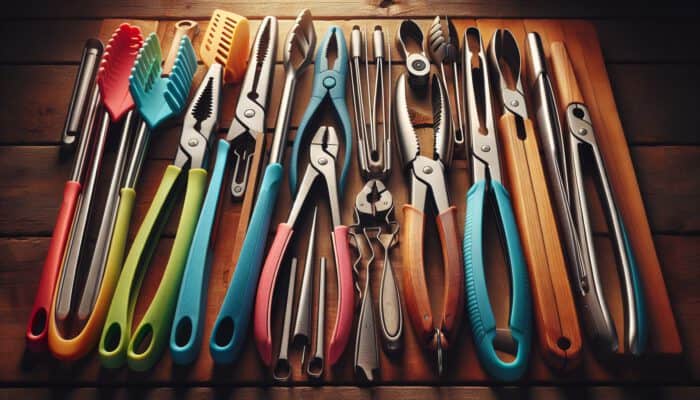
Top Kitchen Tongs for Every Task: Kitchen tongs are crafted from a range of materials, each designed for specific culinary tasks. The most prevalent material is stainless steel, renowned for its exceptional durability and corrosion resistance, making it ideal for high-heat cooking methods such as grilling. silicone tongs have surged in popularity due to their impressive heat resistance and gentle grip, which protects non-stick cookware from scratches. Lightweight plastic tongs are affordable but may not withstand high temperatures effectively. Choosing the right material enhances your cooking efficiency by providing the strength and flexibility needed for a range of tasks, whether flipping burgers on the grill or serving delicate dishes at a dinner party.
Key Features to Consider for Different Culinary Tasks
Selecting the perfect tongs involves considering essential features such as length, grip, and design to achieve optimal performance. Longer tongs are vital for grilling, allowing you to maintain a safe distance from intense heat, while shorter tongs are more suitable for precise tasks like plating or serving. The grip design, whether it’s made of soft silicone or textured rubber, plays a significant role in enhancing control, thereby reducing the likelihood of dropping or mishandling food. These thoughtfully designed tongs cater to various cooking needs, ensuring that whether you’re flipping steaks or tossing a fresh salad, your tongs provide the necessary support and comfort for seamless operation.
How Can You Identify Quality Kitchen Tongs?
Recognising high-quality kitchen tongs requires evaluating their construction, mechanics, and overall feel. A well-balanced pair should feel satisfying in your hand, imparting a sense of sturdiness and reliability. Look for tongs equipped with dependable locking systems; these features not only facilitate convenient storage but also prevent accidental openings during use, enhancing safety. Pay close attention to the finish; smooth edges and robust joins indicate superior durability, which is essential for regular use. Quality tongs should also feel comfortable during prolonged tasks, effectively preventing hand fatigue while ensuring efficient cooking.
Discover How to Select the Ideal Tongs for Your Kitchen
What Factors Influence the Selection of Tongs?
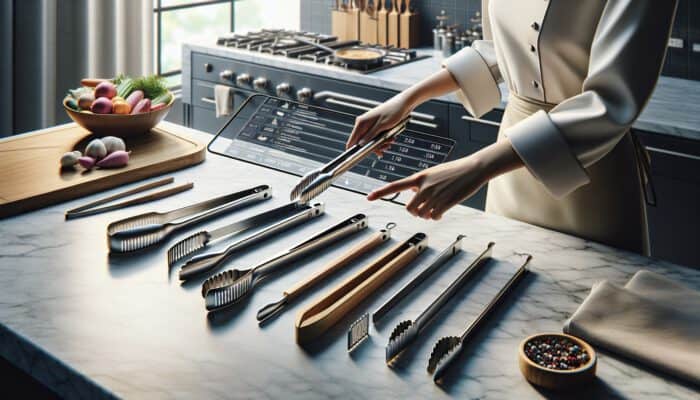
Numerous factors impact your choice of tongs for your kitchen needs. Size is of utmost importance; smaller tongs provide better control for delicate tasks, while larger versions excel at flipping hefty cuts of meat. Ergonomics significantly influences user experience, as tongs designed for comfort can greatly enhance handling during extended cooking sessions. Additionally, consider the style of tongs; angled tongs may offer better access in tight spaces, while straight tongs provide versatility across various cooking methods. Ultimately, the right tongs should feel intuitive and comfortable in your hands, significantly improving your overall cooking experience.
Why Is Tong Length Important for Safety and Efficiency?
The length of kitchen tongs plays a crucial role in both safety and functionality. Longer tongs provide a safe distance from heat sources when grilling or frying, significantly reducing the risk of burns. They facilitate better control when flipping larger items like steaks, ensuring even cooking without getting too close to the heat. Conversely, shorter tongs excel in serving sides or handling smaller foods, offering more precise control over delicate items. Choosing the appropriate length not only enhances safety but also supports the efficiency of your cooking processes, making each task easier and more enjoyable.
What Common Mistakes Should You Avoid When Choosing Tongs?

When selecting kitchen tongs, it is easy to overlook vital features that could significantly impact their functionality. A frequent mistake is purchasing tongs without considering the grip; an inadequate grip can lead to dropped food, messy cleanup, and potentially unsafe cooking practices. Another common oversight is neglecting material choices; opting for flimsy materials can lead to rapid wear and tear, ultimately costing more over time. Users should also be cautious about poorly balanced tongs, which can feel unwieldy and make them difficult to use effectively. Investing time in understanding these critical features can greatly enhance your overall cooking experience.
Essential Features to Consider When Choosing Tongs
What Makes Kitchen Tongs Versatile for Various Tasks?
Versatile kitchen tongs showcase features that facilitate seamless transitions between a wide array of culinary tasks. Heat resistance is crucial, ensuring the tongs can withstand high-temperature environments, such as grilling and frying, without compromising their structural integrity. User-friendliness is also paramount, with design elements like locking mechanisms enabling compact storage and preventing accidental openings during use. Additional features that boost versatility include integrated spatula designs or slotted tips for draining excess oils, providing multi-functionality. The key benefits of versatile tongs encompass:
- Multitasking capabilities for various cooking styles
- Reduced clutter through space-saving designs
- Enhanced safety features for handling hot food
- Durability that ensures long-lasting use across tasks
Understanding the Importance of Locking Mechanisms
Locking mechanisms in kitchen tongs are vital for both safety and efficient storage. These secure locks prevent accidental openings that could lead to burns or spills when the tongs are not in use. When stored, the locking feature keeps the tongs compact, minimising clutter in kitchen drawers and cabinets. A well-designed locking mechanism allows quick, smooth one-handed opening, making it easy to grab and use when required. This feature promotes safer kitchen practices, allowing users to handle hot or delicate foods without worry.
Why Are Grip and Handle Designs Crucial for Tongs?
The design of grips and handles is essential for maximising the efficiency of kitchen tongs, directly impacting user comfort and control. Ergonomic shapes can significantly reduce hand fatigue during extended cooking sessions, allowing for prolonged handling without discomfort. Handles with textured surfaces or soft grips enhance control, enabling users to handle food with precision. Furthermore, tongs with angled grips offer better access to hard-to-reach areas, making them ideal for a wide range of cooking tasks. Investing in tongs with effective grip designs can transform mundane cooking activities into a more enjoyable and efficient experience.
Why Is Material Quality Significant for Tongs’ Durability?
The material quality of kitchen tongs plays a pivotal role in their longevity and performance. Stainless steel options are highly corrosion-resistant and rust-resistant, making them ideal for high-heat applications such as grilling or frying. On the other hand, silicone tongs offer excellent heat resistance and are friendly to non-stick cookware, making them perfect for delicate tasks like flipping pancakes. It’s crucial to consider how different materials withstand wear and tear; high-quality options ensure that your tongs last longer while maintaining their functionality. In Australian kitchens, where diverse cooking techniques are employed, investing in durable materials enhances overall kitchen efficiency and value.
Expert Recommendations on the Best Kitchen Tongs for Every Task
In-Depth Analysis of Advanced Materials Used in Tongs
When selecting kitchen tongs, understanding the properties of various materials can significantly enhance your cooking experience. For example, stainless steel is celebrated for its strength and longevity, making it an excellent choice for heavy-duty tasks. In contrast, silicone offers flexibility and heat resistance, making it ideal for use with non-stick cookware. Users should assess their cooking habits; for frequent high-heat applications, heavier metals may be more suitable, while lighter materials may suffice for everyday tasks. Prioritising material choice based on cooking frequency and intensity contributes to reliable performance and kitchen satisfaction.
Review of Recent Design Innovations in Kitchen Tongs
Recent innovations in kitchen tongs’ design have greatly enhanced their functionality and user-friendliness. Ergonomic grips with silicone covers provide comfort and reduce slippage, while features like integrated spatulas and multi-functional tips enhance kitchen versatility. For instance, some tongs now come with adjustable lengths, catering to various cooking styles and personal preferences. Incorporating these innovations into your cooking routine can streamline tasks, making everything from turning meats on the grill to serving salads more efficient and enjoyable.
How to Effectively Test the Performance of Kitchen Tongs?
To ensure you select the best kitchen tongs, conducting performance testing is essential. Start by evaluating how well the tongs handle heat; hold them over a hot surface to assess heat transfer and comfort. Test the grip by picking up various food items; they should hold securely without slipping. Additionally, check the locking mechanism for smooth operation and durability. These practical steps help identify tools that not only perform admirably but also deliver long-term satisfaction during your culinary adventures.
What Are the Optimal Materials for Kitchen Tongs?
How Do Different Metals Compare in Performance?
Metal tongs are often preferred for their strength and durability, with different types offering unique benefits. Stainless steel tongs are rust- and corrosion-resistant, making them ideal for tasks involving moisture or high temperatures, such as frying or grilling. Aluminium tongs, while lighter, may not offer the same level of heat resistance, but they can excel at lighter tasks. When choosing metal tongs, consider their specific application; heavier metals tend to be more reliable for robust cooking tasks, ensuring dependable performance with every use.
Why Should You Opt for Silicone Alternatives?
Silicone tongs stand out for their flexibility and safety features, making them ideal for a wide range of cooking applications. They can withstand high temperatures, making them suitable for grilling and frying without degrading. Moreover, silicone is non-stick friendly, preventing scratches on delicate cookware. This material’s gentle touch makes it perfect for tossing salads or serving soft foods, ensuring presentation without bruising. As an alternative to metal, silicone tongs offer a practical solution for those seeking tools that combine functionality with careful handling of delicate ingredients.
What Factors Affect Your Choice of Tongs Material?
Choosing the right material for kitchen tongs hinges on several factors, including weight, durability, and maintenance. Heavier tongs often provide better control, particularly for grilling or flipping larger items, while lighter models are easier to manage for delicate tasks. Users should also consider how frequently they use the tongs; regular use may warrant more durable materials that can withstand wear and tear. Maintenance is another crucial factor; materials that require less upkeep and are dishwasher-safe simplify cleaning, making them appealing for everyday cooking.
Research-Backed Insights into the Benefits of Quality Kitchen Tongs
What Are the Key Advantages of Using Tongs for Food Handling?
Kitchen tongs offer numerous advantages for safely and efficiently handling food. Their design enables users to move hot items without direct hand contact, dramatically reducing the risk of burns. In professional kitchens, research indicates that using tongs can enhance efficiency, enabling chefs to multitask effectively while maintaining precision in food handling. The ability to grip and serve food with ease contributes to a smoother cooking experience, making tongs an invaluable tool for both home cooks and culinary professionals alike.
How Do Tongs Contribute to Kitchen Hygiene and Cleaning?
Maintaining kitchen hygiene is paramount, and high-quality tongs can make this task more manageable. Durable designs often feature surfaces that resistbacteriala growth, with many silicone options being dishwasher safe for effortless cleaning. This ease of maintenance ensures that tongs remain safe for food handling over time, significantly reducing the risk of cross-contamination. Regular cleaning practices enhance their longevity and ensure they remain effective tools in your kitchen arsenal.
What Measures Can Extend the Longevity of Your Kitchen Tongs?
To prolong the life of your kitchen tongs, focus on selecting quality materials and proper care. Investing in tongs made from durable materials, such as high-grade stainless steel or heat-resistant silicone, ensures they can withstand the rigours of everyday use. Regular inspections for wear are vital; look for any signs of damage that could compromise safety. Following manufacturer care instructions, such as avoiding abrasive cleaning tools, can significantly enhance the longevity and functionality of your tongs, providing reliable performance for years to come.
How Versatile Are Tongs Across Various Kitchen Tasks?
The versatility of kitchen tongs is well-documented, making them excel at multiple cooking tasks. Research indicates that multi-purpose tongs can enhance efficiency, particularly in professional kitchens where speed and precision are critical. Their design facilitates seamless transitions from grilling to serving, enabling chefs to adapt quickly to changing cooking demands. This adaptability not only reduces the likelihood of errors but also improves overall workflow, making tongs an essential tool for any cooking environment.
Essential Maintenance and Care Tips for Kitchen Tongs
What Routine Cleaning Methods Are Effective for Tongs?
Routine cleaning of kitchen tongs is essential for maintaining their functionality and hygiene. Regular washing with warm, soapy water effectively removes food residues and grease, ensuring they remain safe for food handling. For silicone tongs, a gentle scrub with a non-abrasive sponge is recommended to prevent damage. For stainless steel tongs, be vigilant about water spots; drying them immediately after washing can help maintain their shine. Incorporating these cleaning habits into your routine helps preserve their longevity while enhancing safety during use.
How Should You Properly Store Tongs?
Proper storage of kitchen tongs is crucial to prevent damage and maintain their functionality. When not in use, it’s best to keep them in a drawer or hanging on a hook to avoid bending or misalignment. Storage solutions should focus on preserving their shape and preventing clutter; consider using a magnetic strip for metal tongs or a dedicated storage container for silicone options. Here are some effective storage strategies:
- Use drawer dividers to keep tongs organised
- Hang tongs on hooks for easy access
- Store in a utensil holder to avoid damage
- Keep them locked for compact storage
What Are the Signs of Wear to Watch for in Tongs?
Regular inspection of kitchen tongs is essential for ensuring safety and performance. Look for common signs of wear, such as cracks in the material, loose joints, or slipping grips. These indicators suggest that the tongs may no longer provide the stability or control needed for safe handling of hot foods. Additionally, inspect the locking mechanism; if it fails to secure properly, it may lead to accidents. Addressing these signs promptly can prevent potential hazards, ensuring that your kitchen tools remain safe and effective.
Why Are Tongs Essential for Various Culinary Tasks?
How Do Tongs Enhance Grilling Effectively?
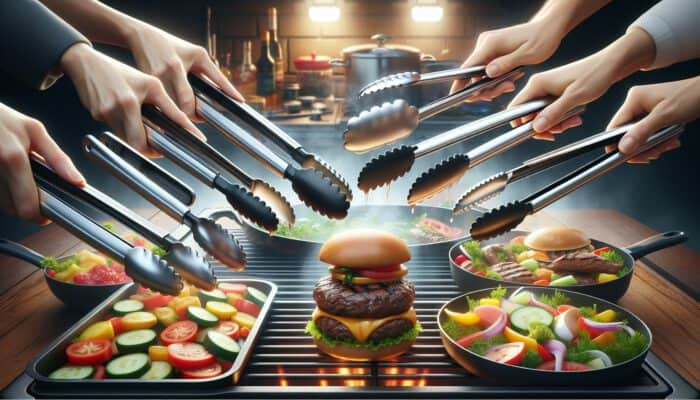
Tongs are invaluable tools for grilling, offering precision and control essential to effective cooking. Their design allows users to flip meats and vegetables evenly, ensuring consistent cooking while reducing the risk of flare-ups. The extended reach of grilling tongs enables safe handling of hot items, preventing burns and minimising the chance of accidents. This capability enhances the overall grilling experience, allowing for confident cooking and better results, making them a must-have for any outdoor or indoor grilling session.
What Role Do Tongs Play in Salad Preparation?
When preparing salads, tongs are a gentle yet effective tool. Their design allows for careful mixing and serving without bruising delicate greens or mashing softer ingredients. This gentle handling ensures salads remain visually appealing while preserving the integrity of each component. Furthermore, using tongs facilitates portion control without risking the transfer of flavours or textures, making them essential for presenting beautiful, fresh salads at any meal.
What Benefits Do Tongs Provide for Baking Tasks?
In baking, tongs are crucial for safely transferring hot trays and delicate baked goods. They provide a secure grip, minimising the risk of accidents or spills when handling hot items from the oven. Tongs are particularly useful for navigating tight spaces, such as when retrieving cookies or pastries from trays. Their ability to handle hot surfaces without direct contact enhances safety and efficiency in the kitchen, making them a reliable tool for baking.
Top Recommendations for Kitchen Tongs
What Are the Essential Models for Beginners?
For beginners stepping into the exciting realm of cooking, starting with simple yet effective tongs is key. Basic models featuring sturdy construction and user-friendly attributes help build confidence in food handling. Look for tongs with a comfortable grip and a locking mechanism for easy storage. Essential models include standard stainless steel tongs or silicone variants that can handle a variety of tasks, from flipping meats to serving salads. These foundational tools serve as an excellent introduction to your culinary adventures.
What Options Are Best for Professional Use?
In professional kitchens, sturdiness and reliability are paramount, making advanced tongs an absolute necessity. Models designed for high-volume use often incorporate reinforced materials and ergonomic grips, ensuring they can withstand the demands of rigorous cooking environments. Consider tongs with heat-resistant properties, adjustable lengths, and integrated spatula features, offering versatility for a range of cooking tasks. Investing in robust, professional-grade tongs enhances both efficiency and safety in the kitchen, supporting chefs in their culinary pursuits and challenges.
How Can You Upgrade Your Set of Kitchen Tongs?
Upgrading your collection of kitchen tongs can significantly enhance your cooking experience. Consider expanding your assortment based on your culinary preferences and needs; for instance, adding longer tongs for grilling or specialised tongs for delicate items like pasta can improve performance. Look for tongs equipped with innovative features, such as integrated serving tools or silicone tips designed for non-stick cookware. Here are some considerations for upgrading your tongs:
- Assess your current usage and identify gaps in functionality
- Choose tongs with features suited to your cooking style
- Consider multi-functional designs that offer versatility
- Invest in durable materials that ensure longevity
What Eco-Friendly Tong Options Are Available?
For environmentally conscious cooks, eco-friendly tong options are increasingly popular. Tongs made from sustainable materials like bamboo or recycled plastics offer a lower environmental impact while maintaining durability. These options are crafted to withstand everyday use without compromising performance, making them suitable for a range of cooking tasks. When selecting eco-friendly tongs, look for certification standards and product reviews that assure quality and sustainability, ensuring that your kitchen tools align with your values while still delivering excellent functionality.
Frequently Asked Questions About Kitchen Tongs
What Are the Best Materials for Kitchen Tongs?
The best materials for kitchen tongs include stainless steel and silicone. Stainless steel provides durability and heat resistance, while silicone offers a non-scratch surface ideal for delicate cookware.
How Do I Clean My Tongs Effectively?
To clean tongs effectively, wash them in warm, soapy water to remove all food residues. Silicone tongs can often be placed in the dishwasher for easy cleaning.
What Length of Tongs Should I Choose?
The ideal length of tongs depends on the specific cooking tasks. Longer tongs are preferable for grilling and frying, while shorter tongs are better suited for serving and handling smaller items.
Can Silicone Tongs Be Used on High Heat?
Yes, silicone tongs can withstand high heat, making them suitable for grilling and frying, but always check the manufacturer’s specifications for maximum temperature limits to ensure safety.
How Can I Determine If My Tongs Are High Quality?
High-quality tongs should feel sturdy, have a reliable locking mechanism, and be constructed from durable materials. Inspect for smooth finishes and robust joins to identify quality.
Are There Tongs Designed for Specific Tasks?
Yes, there are tongs specifically designed for tasks such as grilling, baking, and serving salads. These often incorporate unique features that enhance performance for those specific tasks.
How Often Should I Replace My Kitchen Tongs?
Replace kitchen tongs when you notice signs of wear, such as cracks, loose grips, or ineffective function. Regular inspection is key to maintaining kitchen safety.
What Features Should I Look for in Kitchen Tongs?
Look for features such as a comfortable grip, a locking storage mechanism, heat resistance, and a versatile design to handle multiple cooking tasks efficiently and safely.
Can I Use Metal Tongs on Non-Stick Surfaces?
It is advisable to avoid using metal tongs on non-stick surfaces, as they can scratch and damage the coating. Opt for silicone or wooden tongs for these applications to protect your cookware.
What Are the Advantages of Using Tongs in the Kitchen?
Using tongs in the kitchen enhances safety by allowing the safe handling of hot foods, improves cooking and serving efficiency, and provides better control, making cooking tasks easier and more enjoyable for everyone.



Your exploration of kitchen tongs and their materials is quite enlightening. As someone who enjoys both grilling and preparing intricate dishes, I’ve found that having the right pair of tongs can significantly impact the cooking experience. You rightly highlight stainless steel for its durability, which I appreciate especially when I’m grilling; they provide the strength needed to handle heavy meat cuts without bending.
I completely agree with your point about the significant impact the right pair of tongs can have on the cooking experience. I’ve personally had my share of frustrating moments with flimsy tongs, especially when trying to flip a hefty steak. It’s interesting how something seemingly simple can really enhance or compromise the cooking process, isn’t it?
I love how you broke down the different materials for tongs! I’ve definitely found stainless steel to be my go-to for grilling. They just feel so sturdy when I’m flipping those burgers. But I recently picked up a pair of silicone tongs for cooking delicate things like fish, and I’m amazed at how they don’t scratch my pans. It’s like finding the right tool makes all the difference in the kitchen.
I totally get what you mean about the sturdiness of stainless steel tongs. They really do feel like a reliable extension of your hand when you’re grilling. I often find myself reaching for them, especially for heavier items. You can really get some leverage when flipping those burgers, right?
I found your exploration of kitchen tongs really insightful, particularly the emphasis on material selection. It’s fascinating how something that seems so simple can significantly impact our cooking experience. I’ve noticed that when I switched to silicone tongs, not only did I stop worrying about scratching my non-stick pans, but they also provide such a great grip that I feel more confident when flipping delicate items like fish fillets!