
Key Ingredients for Delicious and Simple Fish Recipes
What Are the Best Fresh Fish Choices to Consider?
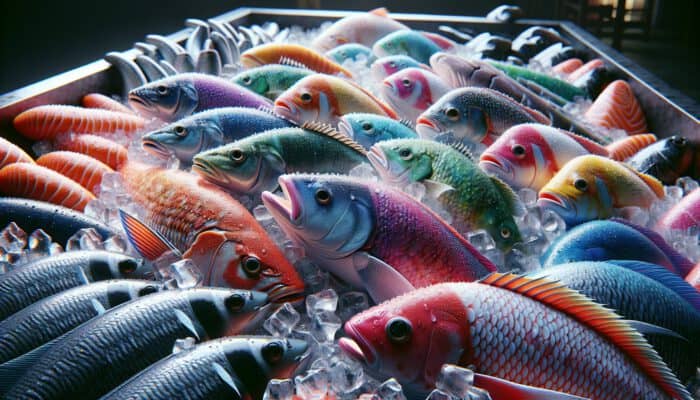
Simple Ways To Cook Fish For Newbies: When you start your culinary adventure with fish, choosing the right type of fish is crucial for success. Globally, a variety of fresh fish options are available, with popular choices like salmon, tilapia, cod, and barramundi standing out for their adaptability in various recipes and ease of preparation. To ensure you select the best quality fish, it is vital to learn how to evaluate freshness. Below are some essential indicators of fresh fish to help you make informed decisions:
- Clear, bulging eyes: Fresh fish should have clear, bright eyes that bulge slightly, indicating vitality.
- Firm texture: The flesh must feel firm to the touch and bounce back when pressed, showing it is fresh.
- Bright, shiny skin: Look for vibrant, metallic skin that reflects light, which is a hallmark of freshness.
- Clean smell: Fresh fish should emanate a pleasant ocean-like fragrance, avoiding any overly fishy or sour odours.
- Red gills: Gills should appear bright red or pink, a clear sign of freshness.
Understanding these indicators will empower you to make informed purchases at fish markets or grocery stores. Whether you find yourself in a bustling Sydney fish market or browsing a local vendor in Mumbai, being able to recognise quality fish will significantly enhance your cooking experience and lead to more enjoyable meals.
Which Spices Will Elevate Your Fish Dishes?
Spices have the power to transform a simple fish dish into an extraordinary culinary delight, making it accessible even for novice cooks. Beginners should concentrate on commonly used spices that amplify the natural flavour of fish without overwhelming it. Here are some essential spices to consider:
- Salt: A fundamental seasoning that enhances overall flavour when used appropriately.
- Pepper: Freshly cracked black pepper adds a layer of depth without complicating the dish.
- Lemon zest: This bright addition adds acidity that beautifully complements various fish.
- Dill: A mild herb that pairs exceptionally well with many fish varieties, enhancing their natural taste.
- Garlic powder: This spice offers a robust flavour that works well in numerous fish preparations.
Experimenting with these spices can help you build your confidence in seasoning. Begin with a pinch of salt and a dash of pepper, gradually introducing other spices as you become more comfortable. This approach allows you to give your dishes a distinctive personality and depth, making each meal more enjoyable.
How to Quickly Prepare Delicious Sauces for Fish?
Creating sauces can significantly elevate your fish dishes with minimal effort. You can whip up flavourful sauces quickly by utilising common kitchen staples. Here are some easy ideas for sauces you can prepare in no time:
- Garlic butter: Melt butter, then add minced garlic and cook until fragrant. This sauce imparts a rich and indulgent flavour to your fish.
- Lemon-dill sauce: Combine Greek yogurt, lemon juice, and fresh dill for a refreshing dressing that pairs well with fish.
- Tomato salsa: Chop fresh tomatoes, onions, and coriander, tossing them with lime juice for a zesty garnish.
- Soy sauce glaze: Mix soy sauce, honey, and ginger for an Asian-inspired drizzle that enhances the fish’s taste.
These sauces not only add flavour but also let you tailor each dish to your taste preferences. Don’t hesitate to experiment; adjusting the balance of acidity and sweetness can elevate your simple fish dishes to new culinary heights while keeping preparation easy.
How Can You Master the Art of Pan-Frying Fish?

What Steps Ensure Even Cooking of Fish?
Pan-frying is a widely used cooking technique that can yield delectable results when executed properly. To ensure your fish cooks evenly, preheat your pan over medium heat. While the pan warms, season your fish and let it come to room temperature for about 15 minutes. This important step helps the fish cook uniformly throughout.
Once your pan is adequately heated, add a small amount of oil and heat until it shimmers. Gently place the fish in the pan, taking care not to overcrowd it—this allows for proper heat circulation. A general guideline is to cook the fish for approximately 3 to 5 minutes per side, depending on its thickness. Knowing when to flip the fish is crucial; wait until it naturally releases from the pan before turning it over. This method ensures a beautiful golden crust and a soft, flaky interior that is simply irresistible.
How to Monitor Fish Temperature for Perfect Cooking?
Effective temperature monitoring is essential for achieving perfectly cooked fish and preventing overcooking. One of the simplest methods to assess doneness is to use a cooking thermometer. The USDA recommends an internal temperature of 63°C for most fish. However, if you don’t have a thermometer on hand, there are visual and tactile cues you can rely on.
Watch for the fish to turn opaque and flake easily with a fork. Another useful method is the finger test: gently press the fish with your finger; it should feel firm yet springy, not mushy. Resist the urge to continue cooking just to be sure; overcooked fish becomes dry and unappetising. With practice, you will develop an intuition for knowing when your fish is perfectly cooked, boosting your confidence in the kitchen.
How to Adjust Cooking Times Based on Fish Thickness?

Fish comes in various thicknesses, impacting both cooking time and technique. Thicker cuts, such as salmon fillets or swordfish steaks, require longer cooking times than thinner varieties like sole or flounder. To adjust your cooking techniques effectively, start by estimating the thickness of your fish.
A general rule of thumb is to cook fish for approximately 10 minutes per inch of thickness. For example, a 1-inch-thick fillet should cook for about 10 minutes, flipping halfway through. If you’re dealing with particularly thin fillets, such as tilapia, a mere 2-3 minutes per side may suffice. By adjusting your cooking time based on thickness, you not only ensure optimal doneness but also prevent the frustration of undercooked or overcooked fish.
What Are Expert Tips for Cooking Fish That Newbies Should Know?
What Are Easy Cooking Techniques for Beginners?
For novices, implementing tried-and-true cooking techniques can make the learning process enjoyable and rewarding. One of the simplest methods is baking. Preheat your oven to 200°C, place seasoned fish on a baking tray lined with parchment paper, and bake for 10-15 minutes. This method is excellent for retaining moisture and infusing flavour, especially with additions like lemon slices or fresh herbs.
Another beginner-friendly approach is grilling. Whether using an outdoor barbecue or a stovetop grill pan, grilling imparts a smoky flavour that elevates simple fish dishes. Ensure the grill is well-oiled to prevent sticking, and aim to cook for 4-6 minutes per side.
Lastly, consider broiling as a quick cooking technique that caramelises the fish’s surface. Set your broiler to high, place the fish on an oven-safe dish, and cook for around 6-10 minutes, depending on thickness. These methods are not only straightforward but also encourage experimentation with flavours and accompaniments, making fish cooking approachable and enjoyable.
What Are the Advantages of Using Minimal Cooking Tools?
Using a minimal set of kitchen tools can significantly simplify the cooking process, especially for enthusiastic beginners. Essential items like a sharp knife, cutting board, non-stick skillet, and a fish spatula are often sufficient for preparing a variety of fish dishes. The fewer tools you use, the less cluttered your workspace becomes, making cooking more enjoyable.
By keeping your setup simple, you can concentrate on honing your cooking skills rather than managing numerous utensils. For example, a high-quality non-stick skillet makes flipping easy without needing multiple pans. Additionally, a sharp knife not only ensures clean cuts but also enhances safety, as dull blades can lead to accidents. Embracing minimalism in your kitchen will foster confidence and efficiency, enabling beginners to explore the exciting world of fish cooking with ease.
How to Customise Recipes for Impressive Results?
Customising fish recipes lets you cater to individual tastes while expanding your culinary repertoire. As you gain confidence with basic techniques, consider experimenting with ingredient substitutions and flavour profiles. For instance, if a recipe calls for salmon, you might opt for trout or mackerel based on your personal preference or what is available.
Furthermore, don’t hesitate to modify seasonings. If a recipe suggests using dill and you prefer basil, go ahead! The beauty of cooking lies in the freedom to experiment and personalise your dishes. You could also adjust the cooking method depending on your desired outcome—if you wish for crispy skin, pan-frying may be the best approach, while baking might yield a tender result.
Real-world examples abound: take a classic lemon-butter sauce, which can be easily adapted by incorporating herbs like parsley or capers for a unique twist. As you gain experience, your palate will guide you in making these adjustments, resulting in dishes that resonate with your individual flavour preferences.
What Should Beginners Know About Selecting Fresh Fish?
Choosing fresh fish is crucial for a successful cooking experience, particularly for beginners. When shopping, seek out reputable fishmongers or markets renowned for their quality. Carefully inspect the fish: beyond visual cues such as shiny skin, red gills, and firm flesh, feel free to ask the seller about their sourcing practices. Knowledgeable vendors can provide valuable information regarding the fish’s origin and its freshness.
Additionally, proper storage is vital for maintaining fish quality. If you’re not cooking the fish immediately, store it in the coldest part of your fridge, ideally wrapped in paper to absorb moisture and reduce slime. Aim to cook it within 1-2 days of purchase to guarantee optimal freshness. By mastering the art of fish selection, you will not only enhance your cooking skills but also ensure your dishes are consistently delicious and safe to eat.
What Common Mistakes Should Be Avoided When Cooking Fish?
Navigating the cooking landscape can be challenging, especially when fish is involved. Beginners often fall into traps that lead to less-than-desirable outcomes. A common mistake is overcooking fish, which results in a dry, rubbery texture. To avoid this, carefully monitor cooking times and use a timer as a guide while checking for doneness frequently.
Another common error is neglecting seasoning. Fish can taste bland without proper flavour enhancement. Start with a basic seasoning of salt and pepper before venturing into more complex spices and marinades.
Moreover, many beginners underutilise the benefits of allowing fish to rest after cooking. Letting the fish sit for a few minutes can help redistribute moisture and enhance flavour. By being mindful of these pitfalls, you will set yourself up for success and enjoy a delightful cooking experience, making simple fish dishes a regular part of your culinary repertoire.
What Are the Research-Backed Benefits of Simple Fish Cooking for Beginners?
How to Keep the Nutritional Value of Fish Intact?
Maintaining the nutritional value of fish during cooking is essential for health-conscious beginners. Cooking methods such as steaming or baking at moderate temperatures help preserve the beneficial omega-3 fatty acids that are vital for heart health. These techniques expose fish to lower heat for shorter periods, thereby minimising nutrient loss.
When pan-frying, opt for a non-stick skillet to reduce the need for excessive oil, allowing you to retain the fish’s natural flavours while keeping it healthy. Additionally, avoid boiling fish, as this method can leach nutrients into the water. By using gentle cooking methods, you not only retain the nutritional value but also enhance the overall quality of your meals.
What Is the Impact of Fresh Fish Preparation on Taste?
The impact of fresh preparation on taste cannot be overstated. Cooking with fresh fish elevates flavour and texture, resulting in a more enjoyable dining experience. Fresh fish possesses a delicate sweetness and a clean taste that frozen or stale alternatives cannot replicate.
When you prepare fish shortly after purchase, you can truly taste the difference. For example, freshly caught salmon grilled with just a hint of lemon and herbs offers a sublime experience compared to frozen fish that may have lost its vibrancy. Focus on using fresh ingredients, as they enhance the entire dish and inspire creativity in the kitchen. This practice not only brings out the best flavours but also fosters a greater appreciation for the art of cooking.
How to Reduce Waste When Cooking Fish?
Minimising waste during the cooking process is an important consideration for environmentally conscious cooks. One effective strategy is to buy whole fish or larger fillets, allowing you to utilise every part. This practice encourages creativity, leading to dishes that incorporate skin, bones, and trimmings into stocks or broths.
Moreover, portion control is key to minimising waste. Being mindful of serving sizes can prevent over-purchasing and ensure that you use all ingredients efficiently. Remember to freeze any leftovers promptly to preserve freshness and extend shelf life. Implementing these practices not only enhances your cooking skills but also fosters sustainable cooking habits.
What Are the Essential Tools for Basic Fish Cooking?
Which Kitchen Items Are Necessary for Beginners?
To embark on your fish cooking journey, equipping your kitchen with essential tools is fundamental. Start with a sharp chef’s knife; it will help you fillet and portion fish effectively. A sturdy cutting board is equally important, providing a clean surface for preparation.
A non-stick skillet is a must-have for simple frying, making flipping easy and reducing the need for excessive oil. Additionally, a fish spatula is designed to handle delicate fillets without breaking them. Lastly, consider investing in a fish thermometer; it helps ensure your fish is cooked to perfection every time. With these basic tools, you can confidently tackle various fish recipes with ease and finesse.
How to Use Kitchen Utensils Safely?
Safety is paramount in the kitchen, especially when using sharp tools. Begin by ensuring that all utensils, particularly knives, are kept clean and sharp. Dull knives can slip and cause accidents, so regularly sharpen your blades to maintain their effectiveness.
When handling knives, always cut away from your body and keep your fingers out of the blade’s path. Here are some safety precautions to consider:
- Use a stable cutting surface: Ensure your cutting board is secure to avoid slips and injuries.
- Store knives properly: Use magnetic strips or knife blocks to keep blades protected and safe.
- Wear gloves: Consider using cut-resistant gloves for added protection while handling sharp tools.
- Keep your workspace tidy: Clean up spills and eliminate distractions while cooking to maintain focus.
Implementing these safety measures will boost your confidence and ensure a secure cooking environment, allowing you to focus on honing your culinary skills without unnecessary mishaps.
How to Store Cooking Tools for Longevity?
Proper storage practices for cooking tools not only maintain their functionality but also prolong their lifespan. For knives, use protective sheaths or magnetic strips to keep them safely stored and prevent dulling over time.
For utensils like spatulas and tongs, avoid overcrowding drawers; instead, consider utilising utensil jars or racks for easy access. Regular cleaning is also vital; many tools require hand washing to prevent damage from dishwashers. Establish a routine for checking and maintaining your equipment, as this will support your ongoing cooking efforts and ensure that you’re always ready to create delicious fish dishes.
How to Select Tools for Different Types of Fish?
Choosing the right tools for different types of fish can enhance your cooking experience and improve your results. For delicate fish such as sole or flounder, a thin, flexible fish spatula is invaluable, allowing you to flip or serve without breaking the fillet.
When working with tougher fish, like swordfish or tuna, a sturdy knife is essential for precise cuts, while tongs are ideal for flipping thicker fillets on the grill. If you plan to cook whole fish, ensure you have tools like a sturdy pair of kitchen scissors for gutting and scaling. This tailored approach not only simplifies the cooking process but also yields better results, ensuring your fish dishes are both visually appealing and delectable.
What Are the Best Tips for Avoiding Common Cooking Errors?
Why Do Many People Overcook Fish?
Overcooking fish is a common mistake that many novices encounter. This often stems from a lack of understanding of cooking times and temperatures. Fish cooks quickly, and its delicate flesh can go from perfect to dry in mere moments. To combat this, become familiar with the type of fish you’re preparing, as different varieties have unique cooking times.
Using a timer can significantly help in preventing overcooking. Also, remember that fish continues to cook slightly after being removed from the heat due to residual warmth. A useful tip is to take the fish off the heat just before it reaches the desired doneness, then let it rest and finish cooking to perfection.
How to Handle Fish Delicately During Preparation?
Proper handling of fish during preparation is crucial to preserving its texture and integrity. Fish fillets can be fragile, so treating them gently is essential. When rinsing or patting dry, use a clean cloth or paper towel, avoiding rough scrubbing that could break the flesh.
Use a flat spatula for lifting and transferring fillets, as it distributes weight evenly and reduces the risk of breaking. It’s also advisable to keep fish cold until you’re ready to cook it, as this helps maintain its firmness. By practising gentle handling techniques, you’ll improve your overall cooking experience and yield visually appealing dishes.
How to Perfectly Time Your Fish Recipes?
Timing is a critical element in cooking fish to perfection. Many beginners struggle with determining the right time to check for doneness. A simple rule of thumb is to cook fish for approximately 10 minutes per inch of thickness at medium heat. However, staying attentive to visual indicators can help refine your timing skills.
Look for fish to become opaque, and use a fork to check for flaking. Don’t hesitate to check early; it’s easier to add a minute or two than to salvage overcooked fish. Consider using a timer as a guide, but let your observations lead you to perfect timing. By honing your timing skills, you’ll significantly enhance the quality of your fish dishes.
FAQs About Cooking Fish
What is the best type of fish for beginners to cook?
Salmon, tilapia, and cod are excellent choices for beginners due to their forgiving textures and mild flavours, making them easier to cook without overwhelming the palate.
How can I tell if my fish is fresh?
Fresh fish will have clear eyes, firm flesh, a pleasant ocean-like smell, and bright red gills. Always inspect these aspects before purchasing to ensure quality.
What spices are best for fish dishes?
Salt, pepper, lemon zest, and dill are ideal for enhancing the flavour of fish. These spices complement the fish’s natural taste without overshadowing it.
What is the best cooking method for fish?
Pan-frying and baking are both great methods for beginners. They are simple to execute and yield delicious results when done correctly.
How do I prevent overcooking fish?
Use a timer and closely monitor the fish, removing it from the heat just before it’s fully cooked. Residual heat will continue cooking, ensuring perfect doneness.
Can I freeze fish after cooking?
Yes, cooked fish can be frozen. However, ensure it is stored in airtight containers to maintain quality and prevent freezer burn.
What tools do I need for cooking fish?
Essential tools include a sharp knife, cutting board, non-stick skillet, fish spatula, and a thermometer to ensure proper cooking temperatures are reached.
How long can I store fresh fish in the fridge?
Fresh fish should ideally be cooked within 1-2 days of purchase. Store it in the coldest part of the fridge for optimal freshness and quality.
What are common mistakes in fish cooking?
Common mistakes include overcooking, improper seasoning, and failing to let the fish rest after cooking, all of which can negatively affect the final dish’s quality.
How do I choose the right fish at a market?
Look for reputable fishmongers, inspect for clear eyes, firm flesh, bright gills, and a fresh smell. Don’t hesitate to ask questions about sourcing and freshness to ensure quality.