Master Essential Techniques for Chopping Onions Effectively
What is the best method for holding an onion securely?
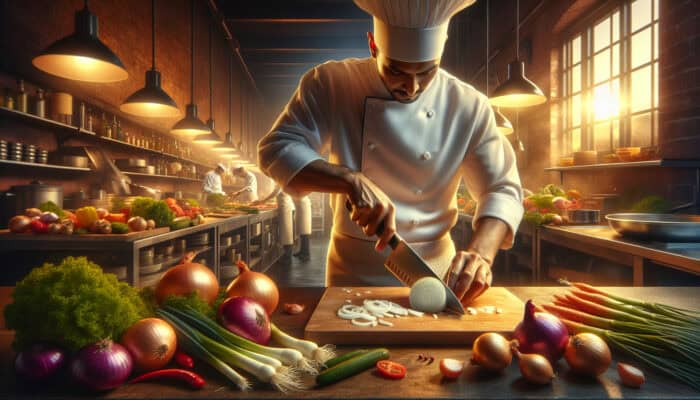
Tricks for Chopping Onions: Holding an onion correctly is vital for achieving even cuts while significantly reducing the risk of injury in the kitchen. Start by positioning the onion on a stable cutting board that does not slide during use. Use your dominant hand to grip the onion with your fingers curled inward, forming a claw grip that keeps your fingertips safe and allows the knife to glide along your knuckles. A sharp knife is essential for making clean and precise cuts, and you should always aim for controlled slices. With consistent practice of these techniques, you will enhance your speed and efficiency in the kitchen, making your cooking experience much more enjoyable and effective.
- Always use a sharp knife for optimal performance.
- Ensure your cutting board is stable and secure to prevent accidents.
- Keep fingers curled to protect them from the blade during chopping.
- Maintain focus on your knife’s movement to ensure accuracy.
What are the essential steps for dicing onions perfectly?
Dicing onions may seem simple, but mastering the technique can significantly improve your cooking. Begin by cutting the onion in half from top to bottom. Place one half flat side down on the cutting board for enhanced stability. Next, make vertical slices from the root to the top, ensuring not to cut all the way through the root end, as this will keep the onion intact. After making these vertical cuts, cross-cut the onion with horizontal slices, resulting in uniform diced pieces perfect for cooking. This method not only enhances the flavour distribution in your dishes but also minimises waste and keeps your preparation area clean, making your cooking process more efficient.
What tools do you need for effective onion chopping?
Having the right tools can dramatically improve your experience when chopping onions. A clean, sharp knife is essential for making smooth cuts, while a sturdy cutting board provides a stable surface. Opt for a chef’s knife, as its broad blade offers versatility when handling onions of various sizes. Additionally, investing in a high-quality cutting board, whether made of wood or plastic, can help protect your knife’s edge. Always keep your tools clean and well-maintained to ensure efficiency during preparation and to avoid any mishaps while chopping onions.
How can you minimise tears when chopping onions?

Onion-induced tears can be an annoying part of cooking, but there are several strategies to minimise discomfort. One effective method is to chill the onion in the refrigerator for about 30 minutes before chopping. This cooling process slows down the release of volatile compounds responsible for eye irritation. Additionally, using a sharp knife allows for quicker cuts, reducing the time your eyes are exposed to irritants. Working near an exhaust fan or opening a window can also help dissipate onion fumes, creating a more pleasant chopping environment. For those particularly sensitive to onion vapours, consider wearing onion goggles, which provide a protective barrier against irritants during preparation.
How to Avoid Tearing Up While Chopping Onions?
What are the best tips for minimising eye irritation?
Minimising eye irritation while chopping onions involves a combination of preparation and technique. Chilling your onions beforehand is one of the simplest yet most effective methods to reduce the release of irritants. Another helpful tip is to breathe through your mouth rather than your nose while chopping; this keeps irritant compounds away from your eyes. Good ventilation is also essential; having a fan blowing across your workspace or opening a window can help disperse the vapours, making the task much more comfortable for anyone regularly preparing meals. Incorporating these strategies will ensure a more enjoyable cooking experience.
Why is effective ventilation crucial in your workspace?
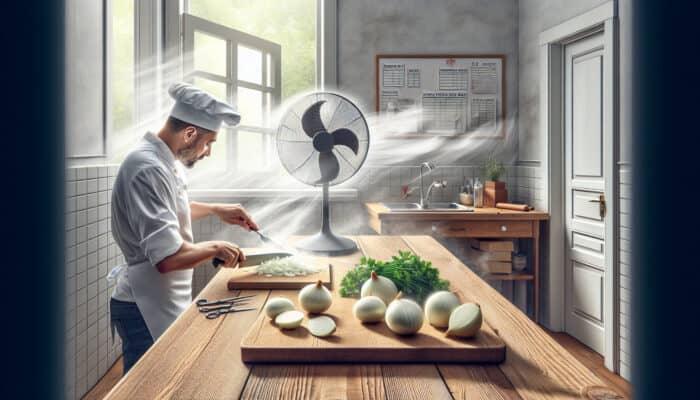
Effective ventilation is key to preventing discomfort when chopping onions. Proper airflow helps to dissipate the strong fumes released during chopping, which are responsible for tearing up. Setting up a fan near your workstation can significantly reduce the concentration of airborne irritants, creating a more pleasant environment for chopping. Additionally, opening a window or working near an open door allows fresh air to circulate, further alleviating potential irritation. By prioritising ventilation, you not only enhance your comfort but also create a more enjoyable, uninterrupted chopping experience, making your kitchen a more pleasant place to work.
What alternative methods can reduce tears while chopping onions?
For those particularly prone to tears, there are several alternative methods to consider that can help minimise exposure to irritants. One effective strategy is to use protective eyewear, such as safety goggles or swimming goggles, while chopping. This barrier prevents irritants from reaching your eyes, allowing for a more comfortable experience. Another technique involves cutting onions under running water or submerged in a bowl of water; this method limits the release of onion vapours into the air, keeping your focus on the task at hand without the discomfort of tearing. These strategies can significantly enhance your onion-chopping experience.
Expert Insights on Simple Tricks for Chopping Onions
What advanced slicing strategies can improve efficiency?
Mastering advanced slicing techniques can significantly enhance your efficiency in chopping onions. One such method is to utilise a rocking motion with your knife, which allows for quicker and more controlled cuts. To execute this technique, start by placing the knife tip on the cutting board and rocking the blade back and forth while applying pressure with your other hand. This strategy not only speeds up the chopping process but also ensures precise cuts, resulting in evenly diced onions. Real-world examples show that incorporating this technique into your daily cooking routine can lead to faster meal preparation and improved overall cooking outcomes.
How does the sharpness of your knife impact chopping results?
Knife sharpness plays a crucial role in the effectiveness of your chopping techniques. A sharp blade reduces the effort required to cut through the onion, leading to cleaner slices and a lower risk of slipping. Regularly honing your knife helps it maintain its edge, which is essential for safe, precise chopping. Dull knives can lead to uneven cuts, increasing the likelihood of injury and frustration during preparation. Investing a little time in sharpening your tools will pay off with more accurate cuts and a more enjoyable cooking experience, making your time in the kitchen more productive.
What are the benefits of establishing consistent practice routines?
Establishing a consistent chopping-onion routine can lead to significant improvements in your skills over time. Regular drills build muscle memory, enhancing your coordination and control with the knife. Consider incorporating timed challenges into your routine to keep the practice engaging and focused. For example, set a timer for one minute and see how many evenly diced onions you can achieve within that timeframe. Such exercises not only refine your chopping skills but also instil confidence, ultimately leading to mastery over your onion preparation techniques and making you a more proficient cook.
What Tools Are Essential for Chopping Onions?
How to choose the right knife for chopping onions effectively?
Selecting the appropriate knife is crucial for effective onion chopping. A chef’s knife is typically the best choice, as its versatile design suits a wide range of chopping techniques. When choosing a knife, pay attention to the handle and ensure it feels comfortable in your hand, as this will provide better control during use. Additionally, consider the weight and edge type; a well-balanced knife allows for smoother cuts and reduces fatigue during extended chopping sessions. By choosing a knife tailored to your chopping style, you can make the process easier and more effective, regardless of the size of the onions you’re working with.
What are the best storage solutions for your chopping tools?
Proper storage of your knives is essential for maintaining their sharpness and longevity. Keeping them organised and protected prevents dulling and damage over time. Consider investing in knife blocks, magnetic strips, or protective sheaths to store your blades safely. These solutions not only extend the life of your tools but also enable efficient chopping by keeping your knives ready for use. Additionally, regularly checking and cleaning your storage solutions can help maintain kitchen hygiene, which is vital for food safety and the longevity of your tools.
- Knife blocks for safe and accessible storage.
- Magnetic strips to keep knives easily reachable.
- Protective sheaths for individual knife protection.
- Drawer inserts to organise your tools neatly.
What maintenance tips ensure the longevity of your chopping tools?
Regular maintenance is key to keeping your chopping tools in optimal condition. Keeping your knives clean after each use prevents the buildup of food particles and bacteria, which can lead to rust or wear. Additionally, make it a habit to sharpen your knives regularly; using a honing steel after each use helps maintain their edge. This routine ensures that your knives perform reliably during onion preparation and other kitchen tasks. By investing time in proper maintenance, you can enjoy the benefits of well-functioning tools for all your culinary endeavours, making your cooking experience more enjoyable and efficient.
Research-Backed Benefits of Simple Tricks for Chopping Onions
What makes these chopping tricks efficient in kitchens?
Implementing proper chopping techniques can greatly enhance efficiency in the kitchen. Research indicates that utilising streamlined methods not only saves time but also reduces food waste, which is a common issue in meal preparation. For instance, by mastering the art of dicing onions, cooks can ensure that every piece is utilised effectively, contributing to the overall flavour profile of dishes. Real-world examples show that efficient chopping speeds meal preparation, helping individuals maintain healthier eating habits by enabling quicker food processing and reducing reliance on pre-packaged meals. This efficiency can transform your cooking routine into a more enjoyable and productive experience.
What are the health advantages of precise chopping techniques?
Precise chopping techniques yield significant health benefits, particularly when cooking with onions. Evidence suggests that evenly chopped pieces cook more uniformly, helping preserve the nutrients in the onion. This approach not only supports a balanced diet but also enhances the overall flavour of meals. By taking the time to chop onions consistently, cooks can ensure that their meals are not only nutritious but also delicious, contributing to a more enjoyable dining experience. Engaging in proper chopping techniques elevates the quality of homemade dishes, promoting healthier eating habits and a greater appreciation for home-cooked meals.
How can mastering basic skills lead to long-term culinary benefits?
Mastering the basic skills of chopping onions can lead to long-term benefits in the kitchen. Research highlights that consistent practice enhances coordination, leading to greater efficiency in meal preparation. By focusing on fundamental techniques and building expertise over time, cooks can significantly reduce their preparation times. Consider creating a list of onion-related tasks and gradually incorporating them into your routine to develop your skills. This approach not only fosters confidence but also encourages a deeper enjoyment of cooking, transforming the kitchen into a space of creativity and culinary delight. As your skills improve, you’ll find cooking to be a more rewarding and enjoyable activity.
Why Does Practice Make Perfect When Chopping Onions?
How to build speed through regular chopping drills?
Regular practice is essential for building speed and confidence when chopping onions. Engaging in consistent drills helps improve dexterity, allowing you to perform tasks more smoothly and efficiently. Focusing on repetitive motions, such as slicing and dicing, fosters muscle memory, making the process feel more natural over time. By turning onion chopping into a swift task, you enhance your overall cooking prowess, enabling you to tackle meal preparation with ease and confidence. Regular practice not only benefits your speed but also enriches the enjoyment of cooking, making it a more satisfying experience as you hone your skills.
What are the common challenges faced in skill development for chopping onions?
As with any new skill, challenges can arise when developing your onion-chopping techniques. One common issue is slips, which can occur due to an improper grip or uncontrolled knife movement. Overcoming these challenges requires focused repetition; consider adjusting your grip to a more stable claw position to improve your control over the knife. Additionally, ensuring that your cutting board is secure can prevent slips and enhance your overall technique. By addressing these challenges head-on, you can refine your skills and achieve more accurate results in your everyday onion preparation, leading to a more enjoyable cooking experience.
How can you measure progress over time in your chopping skills?
To track your progress in onion chopping, consider measuring your improvements over time. A simple yet effective method is to time how long it takes you to chop a specific quantity of onions. By regularly recording your times, you can identify trends and improvements in your chopping speed and efficiency. This practice not only motivates continued effort but also allows you to set achievable goals for your skill development. Over time, you will see clear improvements that enhance your ability to handle onions routinely, ultimately making your cooking more efficient and enjoyable.
What Common Mistakes Should You Avoid When Chopping Onions?
How can you prevent uneven cuts when chopping onions?
Preventing uneven cuts is crucial for ensuring consistent cooking results when preparing onions. To achieve uniform pieces, learn to align your knife properly while cutting. Start by securing the onion firmly on your cutting board, then make deliberate, controlled slices. Avoid rushing through the process; instead, focus on maintaining the angle and pressure of your knife. Paying attention to your technique will lead to evenly chopped onions that cook uniformly, enhancing the quality of your dishes and eliminating any textural issues that may arise from unevenly cut pieces.
What are the risks associated with using dull knives?
Using dull knives poses several risks, both in terms of safety and efficiency. A blunt edge increases the chances of injury as you may apply more pressure to make cuts, leading to slips. Additionally, dull knives slow down the chopping process, causing frustration during meal preparation. Regular sharpening is essential to maintain safety and efficiency in the kitchen. Consider implementing a sharpening routine as part of your kitchen maintenance to ensure your tools are always ready for use, allowing you to chop onions with ease and precision.
- Use a honing steel regularly to maintain the edge of your knives.
- Invest in a whetstone for thorough sharpening when needed.
- Consider professional sharpening services for high-quality blades.
- Practice proper knife storage techniques to prevent dulling.
How to avoid overlooking basic safety measures while chopping?
Neglecting basic safety measures can lead to accidents while chopping onions. Always ensure your cutting board is securely positioned to prevent it from slipping during use. Additionally, keep your workspace tidy and free from distractions, allowing you to concentrate on your technique. By prioritising these safety measures, you will be able to focus on your chopping skills without the risk of mishaps that could disrupt your kitchen workflow, creating a safer, more efficient cooking environment.
What techniques can you use to mitigate onion-induced tears?
Onion vapours can cause significant eye irritation, hindering your chopping efficiency. To minimise tears, try chilling the onion beforehand or using a sharp knife for quicker cuts. These strategies reduce irritant exposure, ensuring a smoother and safer kitchen experience. By taking the time to implement these techniques, you can enjoy chopping onions without the discomfort of watery eyes, making your cooking tasks much more pleasant.
How can you ensure correct hand positions while chopping?
Incorrect hand positioning can lead to slips and injuries when chopping onions. Always use a claw grip, curling your fingers inward to protect them from the blade. Keeping the knife controlled with your dominant hand is essential for achieving even cuts. Practising proper hand positions fosters safety and precision, allowing you to chop onions effortlessly and efficiently while minimising the risk of accidents in the kitchen. By mastering these techniques, you will improve your overall chopping skills and confidence in the kitchen.
FAQs
What is the best way to chop onions without crying?
Chilling onions before chopping them, using a sharp knife, and working in a well-ventilated area can significantly reduce the risk of tears. Wearing protective eyewear may also help mitigate irritation and enhance your chopping experience.
How do I ensure my onion pieces are even?
To ensure even onion pieces, use a stable cutting board and practice proper knife techniques, including vertical and horizontal cuts. Consistency in your grip and speed will also help achieve uniform sizes, leading to better cooking results.
What type of knife is best for chopping onions?
A sharp chef’s knife is typically the best choice for chopping onions due to its versatility and control. Ensure it feels comfortable in your hand and is well-balanced, enabling efficient cutting, greater precision, and safety.
Why is it important to use a sharp knife while chopping?
Using a sharp knife reduces the effort needed to cut through onions, leading to cleaner cuts and a lower risk of injury. Dull knives can slip, causing accidents and uneven chopping, which can disrupt your cooking process.
Can I chop onions under water?
Yes, chopping onions under water can reduce exposure to irritants, helping to prevent tears. However, this method may be less convenient for everyday cooking, so consider using it selectively based on your comfort level.
How should I store my knives to keep them sharp?
Store your knives in a knife block, on a magnetic strip, or in protective sheaths to keep them safe and maintain their sharpness. Regularly clean and dry them to prevent rust and keep them in optimal condition for your chopping tasks.
What are some common mistakes to avoid when chopping onions?
Common mistakes include using dull knives, improper hand positions, and neglecting to secure your cutting board. These can lead to uneven cuts and increase the risk of injuries while preparing onions.
How can I effectively improve my chopping speed?
To improve chopping speed, practice regularly with focused drills, such as timed challenges. Developing muscle memory through repetition will increase your efficiency over time, allowing you to prepare meals more swiftly and confidently.
Is it necessary to practice chopping onions often?
Yes, regular practice is essential to develop skill and confidence when chopping onions. It enhances coordination and technique, leading to a more enjoyable cooking experience as you become more proficient.
Are there any health benefits to chopping onions properly?
Yes, precise chopping can help ensure even cooking, preserving nutrients and enhancing flavour. This contributes to healthier meals, making your cooking more nutritious and enjoyable while promoting better eating habits.