

Unlocking the Essentials of Molecular Gastronomy
What is molecular gastronomy, and what are its fundamental principles?

Best Molecular Gastronomy Techniques for Home: Molecular gastronomy represents a cutting-edge culinary field that utilises scientific methods to investigate and manipulate the physical and chemical changes of ingredients during the cooking process. This inventive approach empowers home cooks to craft exciting and unexpected textures and flavours, elevating ordinary dishes into remarkable culinary experiences. At the heart of molecular gastronomy are several key principles, including spherification, emulsification, and foaming. These techniques can be applied safely and creatively in the comfort of a home kitchen, expanding the possibilities of everyday cooking.
One of the standout methods in this domain is spherification, in which liquids are encapsulated in a gel-like membrane, creating visually captivating spheres that burst with flavour, reminiscent of caviar. For instance, chefs can craft delicate spheres of fruit juice to adorn desserts, enhancing both their visual appeal and taste. Likewise, foaming techniques enable cooks to produce light, airy textures by using stabilisers such as lecithin, adding an intriguing element to soups and sauces that tantalises the palate.
Safety remains a top priority when diving into molecular gastronomy experiments. A solid understanding of each ingredient's properties, combined with adherence to proper food safety practices, ensures the kitchen is a space for creativity without compromising health. Encouraging creativity empowers home chefs to push culinary boundaries, experimenting with new flavour combinations and presentations that continue to surprise and delight diners.
Essential Tools for Your Molecular Gastronomy Experiments
To embark on an exciting journey into the world of molecular gastronomy, acquiring the right tools is crucial. While professional kitchens may rely on high-end equipment, there are many affordable alternatives available for home cooks. A precision scale is essential for accurately measuring ingredients, ensuring the intended chemical reactions occur. For those on a budget, basic kitchen scales suffice; ensure they can measure small quantities precisely for optimal results.
In addition, syringes and pipettes are invaluable for spherification, providing precise control over liquid dispensing. These tools are often readily available from craft or cooking supply shops. An immersion blender is another vital piece of equipment, essential for creating smooth emulsions and foams. While high-end models are available, budget versions can perform remarkably well with a bit of technique and practice.
It's also wise to invest in food-grade containers for storing ingredients and mixtures, as well as silicone moulds for shaping creations. These tools not only facilitate molecular gastronomy but also inspire creativity in how dishes are presented. By sourcing these items from local suppliers or online marketplaces, home cooks can access this exciting culinary art form, making it both achievable and enjoyable.
Fundamental Preparation Techniques for Aspiring Chefs
Establishing a home lab for molecular gastronomy requires careful attention to hygiene and organisation. Begin by ensuring all surfaces and tools are meticulously cleaned to prevent cross-contamination and preserve the purity of flavours. Designate a dedicated area in your kitchen for experiments, equipped with all necessary tools, to streamline preparation and improve efficiency.
Once your workspace is set up, focus on effective storage methods for your ingredients. Many molecular gastronomy components, such as sodium alginate and agar-agar, are available in powdered form and should be stored in airtight containers to maintain their effectiveness. Labelling each container will make them easy to access during cooking sessions, ensuring a stress-free experience.
Basic preparation techniques also involve familiarising oneself with the properties of various ingredients. For instance, understanding how temperature affects spherification can significantly influence the outcome. A helpful tip for beginners is to start with simple recipes that require minimal ingredients and equipment, gradually building confidence and skill. Experimenting with different flavour profiles and textures encourages exploration and creativity, enriching the overall cooking experience and making it more enjoyable.
Frequently Used Ingredients in Molecular Gastronomy

The realm of molecular gastronomy unveils a treasure trove of ingredients that can elevate home cooking to new heights. Essential components include agar-agar, a vegetarian gelling agent derived from seaweed, and sodium alginate, which is pivotal for spherification. These ingredients can transform liquids into gels or spheres, offering unique textures that surprise and delight the palate.
Home cooks can find these ingredients at local health food stores or online retailers, often at an affordable price. Other common additives include xanthan gum, a thickening agent that provides a creamy consistency without altering flavour. Understanding the role of each ingredient is crucial; for example, using excessive agar can produce overly firm gels, while insufficient amounts may lead to instability in the final product.
Incorporating these ingredients into everyday cooking can enhance both flavour and presentation. A simple fruit puree, for instance, can be transformed into a visually striking dish when spherified and served alongside traditional desserts. By integrating these elements into their cooking, home chefs can push the boundaries of conventional cuisine, adding a modern twist to beloved recipes that both excite and satisfy diners.
Easy Recipes for Beginners to Get Started
Embarking on molecular gastronomy at home can be thrilling and rewarding, especially when starting with simple, straightforward recipes. One popular beginner’s recipe is fruit caviar, which utilises spherification to create tiny, bursting spheres of flavour. To create this dish, start by preparing a fruit puree of your choice—strawberry or mango are excellent options.
To create the caviar, combine one tablespoon of sodium alginate with 100ml of the fruit puree, ensuring the alginate dissolves completely. In another bowl, prepare a calcium bath by mixing one teaspoon of calcium chloride in 500ml of water. Using a syringe, carefully drop the alginate mixture into the calcium bath, allowing the spheres to set for about a minute before gently removing them with a slotted spoon. Rinse the spheres in plain water and serve them atop a dessert or as a refreshing garnish for salads.
Safety considerations are paramount; ensure all equipment is clean, and avoid contact between sodium alginate and calcium chloride until you're ready to create the spheres. Troubleshooting common issues, such as spheres that do not hold their shape, often involves checking ingredient ratios or solution temperature. This experimentation fosters creativity, allowing home cooks to develop a deeper understanding of molecular gastronomy techniques while enjoying delicious results.
How to Successfully Prepare Molecular Gastronomy Dishes at Home
What are the foundational steps for successful spherification?
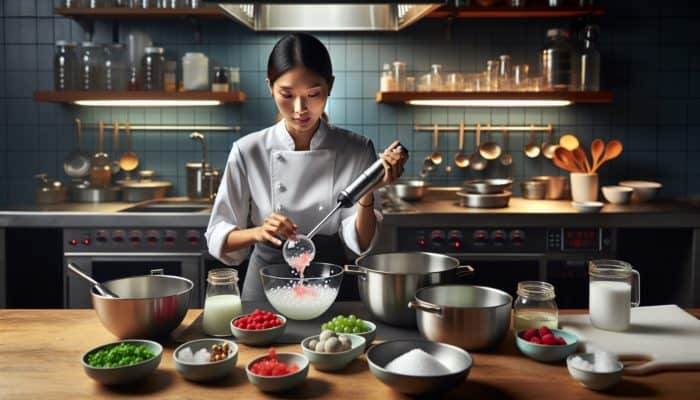
Spherification serves as a fundamental technique in molecular gastronomy, enabling home cooks to transform liquids into spheres encapsulated in a delicate membrane. To begin, gather your ingredients: sodium alginate, calcium chloride, and the liquid you wish to encapsulate. The process starts by creating an alginate solution: blend 1% sodium alginate into your chosen liquid, then combine thoroughly with an immersion blender to achieve a smooth consistency.
Next, prepare the calcium bath by dissolving calcium chloride in water at approximately 0.5%. The temperature of both mixtures is crucial for successful spherification; ideally, work at room temperature or slightly cool. Once combined, use a syringe or pipette to drop the alginate mixture into the calcium bath. Timing is vital—allow the spheres to set for approximately one minute, then gently remove them with a slotted spoon and rinse them in clean water to stop the reaction.
Incorporating different flavours and liquids can yield exciting variations; however, maintain awareness of the balance of acidity or sweetness in the original liquid, as this will significantly impact the final result. Experimentation with spherification opens up a world of culinary possibilities, enabling home cooks to add a whimsical touch to their dishes while exploring new textures and presentations that captivate the senses.
What common mistakes should be avoided in home settings?
Despite the excitement surrounding molecular gastronomy, several common pitfalls can hinder success at home. One frequent mistake is improper temperature control. For instance, spherification requires precise temperature management; being too cold or too hot can adversely affect the gelling process. Ensure both the alginate solution and calcium bath are at appropriate temperatures for optimal results.
Another common issue arises from incorrect ingredient ratios. Using excessive sodium alginate can lead to overly firm spheres, while too little may result in instability. When starting, it's advisable to follow tested recipes closely, gradually modifying ingredients as your confidence builds.
Additionally, cleanliness is paramount to avoid contamination or undesired flavours. Always ensure that all equipment is thoroughly cleaned before starting experiments. Emphasising careful preparation and attention to detail will significantly improve outcomes, enabling home cooks to navigate these challenges and achieve the desired results with greater confidence and effectiveness.
How to Integrate Flavours into Molecular Techniques
Incorporating flavours into molecular gastronomy techniques allows home cooks to explore creativity and innovation in their culinary pursuits. Balancing herbs, spices, and other flavour elements is fundamental to enhancing the overall dish. Experimenting with contrasting flavours, such as sweet and savoury, or using aromatic herbs, helps elevate a basic liquid into something extraordinary.
When creating foams or emulsions, consider infusing oils with herbs to establish a nuanced flavour profile. For instance, blending olive oil with basil and then using lecithin to whip it into a light foam can add a vibrant touch to salads or grilled vegetables. Remember to taste and adjust, as the goal is to achieve harmony in flavours that complement one another beautifully.
Moreover, adjusting acidity can significantly brighten a dish. Adding citrus juices to liquids during spherification or emulsification can create a dynamic contrast that excites the palate. The key is to approach flavour integration with an open mind; trial and error becomes part of the learning process, encouraging adventurous cooking that surprises both the chef and the diners.
How to Create Foams and Airs at Home
Creating foams and airs at home can add an exciting textural element to dishes, enhancing both presentation and flavour. The process begins with selecting the appropriate base liquid, which could range from fruit juices to broths, depending on the desired outcome. Lecithin, derived from egg yolks or soy, acts as a stabiliser, allowing air to be whipped into the liquid, creating delightful textures.
Start by combining the liquid with a small amount of lecithin—typically around 0.5% of the liquid's weight. Using an immersion blender, whip the mixture until it becomes foamy. The key is to incorporate air gently to avoid breaking the foam. As it stabilises, you’ll notice airy bubbles forming, producing a light texture that is perfect for topping soups, salads, or desserts.
For a more adventurous approach, consider layering foams of different flavours to create visually appealing presentations. Use a spoon to carefully layer one foam atop another, achieving a striking aesthetic that enhances the overall dining experience. Remember, the balance of flavours is crucial; ensure that the foams complement the dishes they accompany. The joy of cooking lies in experimentation, so don't hesitate to try new combinations and discover delightful surprises along the way.
Expert Insights on the Best Molecular Gastronomy Techniques for Home Cooks
How does molecular gastronomy elevate flavour profiles?
Molecular gastronomy significantly enhances flavour profiles by applying scientific techniques to manipulate ingredients at the molecular level. Techniques such as emulsification and spherification can enhance a dish's sensory experience, making flavours more vibrant and complex. For instance, emulsifying oils with vinegar or citrus creates a smooth, stable dressing that distributes flavour evenly across salads, ensuring every bite bursts with freshness and satisfaction.
Home cooks can experiment with infusing flavours into various bases, creating enriched sauces or dressings that tantalise the palate. Cooking temperature also plays a crucial role; for example, sous-vide cooking preserves the integrity of delicate ingredients while intensifying their natural flavours, creating a harmonious balance in each dish.
By understanding the science underpinning these techniques, home cooks can actively experiment with combinations and ratios, discovering new and exciting flavour experiences. The joy of molecular gastronomy lies in the freedom to innovate, providing opportunities to surprise and delight diners with unexpected flavour pairings that transform traditional dishes into culinary masterpieces.
What role does precision play in achieving consistent results?
Precision is a cornerstone of molecular gastronomy, significantly influencing the consistency and reliability of results. Accurate measurements are crucial when working with ingredients such as sodium alginate and calcium chloride, as slight variations can lead to significantly different textures and outcomes. Using digital scales for precise measurements helps ensure consistent proportions across multiple attempts, enhancing the overall quality of culinary creations.
Additionally, maintaining a controlled environment is essential for achieving optimal results. Factors such as temperature and humidity can impact chemical reactions, making it vital to monitor conditions closely during preparation. For instance, when creating gels or foams, controlling the temperature of both the ingredients and the working environment ensures better stability and texture, resulting in superior outcomes.
Home cooks can refine their skills by documenting their recipes, noting adjustments made and their effects on the final product. This practice fosters a deeper understanding of ingredient interactions, allowing cooks to develop a reliable methodology for molecular gastronomy techniques. Striving for precision cultivates confidence, leading to consistently enjoyable results that encourage further exploration in the kitchen.
How to explore texture transformations through scientific methods?
Understanding the science behind texture transformations can significantly impact how home cooks approach food preparation. Techniques such as gelation, emulsification, and foaming can completely alter the mouthfeel and visual appeal of dishes. For example, gelation transforms liquids into solid forms that retain moisture, enabling creative presentations such as gelled sauces or fruit caviar.
Emulsification, on the other hand, creates stable mixtures of oil and water-based ingredients, resulting in creamy dressings or sauces that cling beautifully to dishes. By mastering these techniques, home cooks can craft a variety of textures, tailoring experiences to suit different palates and occasions, making each meal a unique adventure.
Experimentation is key; adjusting the gel-to-liquid ratio in a recipe can transform a dish’s texture from firm to smooth, significantly altering its overall perception. This exploration of texture not only enhances culinary creativity but also encourages a deeper appreciation for the science of cooking—turning every dining experience into something both satisfying and memorable.
What Equipment Essentials Support Molecular Gastronomy?
Why should you invest in specialised tools for home use?
Investing in specialised tools for molecular gastronomy is essential to achieving professional-quality results at home. Items such as immersion blenders and precision scales greatly enhance efficiency and accuracy, enabling home cooks to create foams, emulsions, and gels with ease. An immersion blender, for example, can quickly whip air into liquids, forming stable foams that add texture and visual interest to dishes, making them more appealing.
Moreover, specialised tools often feature designs tailored to streamline specific molecular techniques. For instance, a vacuum sealer can facilitate cooking, ensuring that flavours are intensively infused into proteins and vegetables, resulting in enhanced taste and presentation. These tools not only save time during preparation but also encourage experimentation and innovation within the kitchen.
While the initial investment may seem daunting, many tools are available at various price points, making it feasible for home cooks to start small and gradually build their collection over time. Additionally, investing in high-quality equipment can improve outcomes, reinforcing the value of thoughtful purchasing decisions that ultimately elevate the culinary experience.
What alternatives are available for beginner professionals?
For beginners venturing into molecular gastronomy, professional-grade equipment may not be feasible; however, numerous alternatives can still deliver excellent results. Household blenders can effectively emulsify ingredients and create light foams when utilised carefully. While they may lack the power of immersion blenders, applying a few techniques can yield similar results.
Common kitchen items can also be repurposed for molecular techniques. For spherification, syringes or small spoons can serve as substitutes for professional droppers, enabling precise liquid dispensing. Additionally, silicone moulds available in craft stores serve as affordable alternatives to specialised plating tools, enabling the shaping of gels or foams into visually appealing forms.
By starting with budget-friendly options, home cooks can gradually build confidence and skills in molecular gastronomy. As their passion for this culinary art grows, investing in more specialised equipment can be a natural next step. The key lies in experimenting with what is available and embracing creativity in utilising everyday kitchen tools to achieve extraordinary results.
How to maintain and store equipment effectively?
Proper maintenance and storage of molecular gastronomy equipment are crucial for ensuring longevity and optimal performance. Regular cleaning is essential, particularly for tools that handle perishable ingredients. A simple wash with warm, soapy water is often sufficient, but always check the manufacturer's guidelines for specific recommendations to maintain the equipment's integrity.
When storing equipment, organisation is vital. Designate a specific area in your kitchen for molecular tools to ensure they remain easily accessible when needed. Utilising drawer organisers or clear containers helps keep items organised, preventing damage and simplifying the process of finding the right tools for each experiment.
Additionally, keeping a checklist of equipment and its maintenance schedules can be beneficial. Regularly inspecting items for wear and tear will help identify when replacements are necessary. By taking these steps, home cooks can maintain a functional workspace that encourages continued exploration and experimentation in the exciting world of molecular gastronomy.
What essential tools are required for successful spherification techniques?
Spherification is a cornerstone of molecular gastronomy and requires specialised tools to achieve desired results. Key ingredients include sodium alginate and calcium chloride, both essential for forming the gel-like spheres. While these ingredients can be sourced from specialty food stores or online, understanding their properties and proper usage is paramount for success in the spherification process.
In addition to the ingredients, equipment such as precision scales for accurately measuring components, syringes for dispensing liquids, and slotted spoons for handling the newly formed spheres are crucial. An immersion blender can also be invaluable for preparing alginate solutions, ensuring a smooth, consistent mixture free of lumps.
Incorporating these essential tools not only streamlines the spherification process but also enhances the overall culinary experience for home cooks. By mastering this technique, they can create visually stunning dishes that delight guests, transforming ordinary meals into extraordinary culinary adventures that leave a lasting impression.
What safety precautions should be taken when using molecular gastronomy equipment?
Safety is critical when engaging in molecular gastronomy, especially when utilising specialised equipment and ingredients. Precautions should be taken to prevent accidents, particularly with items like liquid nitrogen, which must be handled with care. Always wear protective gloves and goggles when handling liquid nitrogen to prevent frostbite or injury and maintain a safe cooking environment.
When handling syringes or other sharp tools, use care to prevent cuts or punctures. It is equally important to keep workspaces tidy and free of clutter to reduce the risk of accidents and promote a safe cooking environment.
Educating oneself on best practices for each piece of equipment is essential. For example, understanding how to store and handle chemicals such as calcium chloride can prevent contamination and ensure safe use. By prioritising safety measures, home cooks can foster a secure environment that encourages experimentation and creativity without compromising health and well-being.
Key Ingredients for Successful Molecular Gastronomy Techniques
How to select high-quality bases for your culinary experiments?
Selecting high-quality bases for molecular gastronomy experiments is vital for achieving optimal results. Start by considering the core ingredients required for techniques such as spherification or emulsification. Key ingredients include agar-agar, sodium alginate, xanthan gum, and lecithin. Each of these components has unique properties that can significantly affect the final product's texture and stability.
When sourcing these ingredients, opt for reputable suppliers that provide food-grade options. Look for well-reviewed brands, particularly when purchasing online, as the quality of these ingredients can directly influence the outcomes of your culinary experiments and creations.
Consider the following key ingredients when selecting bases for your molecular gastronomy adventures:
- Agar-agar, derived from seaweed, forms firm gels and is an excellent vegan alternative to gelatin.
- Sodium alginate is essential for spherification and works best when dissolved in warm liquids.
- Xanthan gum: a versatile thickening agent that stabilises emulsions and adds creaminess without altering flavour.
- Lecithin: used for foaming, it helps incorporate air into liquids, resulting in light, airy textures.
Understanding the specific applications of each ingredient allows home cooks to select the best bases for their experiments, leading to successful outcomes that enhance the overall culinary experience and delight diners.
How to combine additives for enhanced effects?
Combining additives in molecular gastronomy can significantly enhance the final texture and flavour of culinary creations. By strategically combining ingredients, home cooks can achieve the desired consistency and stability in their dishes. For instance, incorporating acids, such as lemon juice or vinegar, with emulsifiers like lecithin can create a creamy, flavourful dressing that holds its shape beautifully on salads and dishes.
When working with gelling agents such as agar-agar or gelatin, consider pairing them with stabilisers, such as xanthan gum. This combination can produce a gel that is both firm yet flexible, ideal for intricate presentations that impress diners. The interplay of these additives enables experimentation, allowing home chefs to push boundaries and create unique dishes with delightful textures that captivate the senses.
Additionally, understanding the ratios of each additive is crucial for achieving the desired results. A good starting point is to follow established recipes, adjusting based on personal preferences and desired outcomes. Home cooks should document their experiments, noting successful combinations and adjustments to further refine their skills. This process fosters confidence and creativity in the kitchen, enabling culinary innovation and exploration.
How to source fresh components for authenticity in dishes?
Sourcing fresh components is essential for maintaining authenticity in molecular gastronomy creations. Using fresh ingredients not only enhances flavour but also contributes to the overall quality of the dish. For example, when preparing fruit caviar or foams, using ripe, seasonal fruits significantly boosts the final product's taste and aroma, ensuring a delightful experience for diners.
Local markets, farmers' markets, and specialty stores are excellent venues for finding high-quality produce and other components. When selecting fresh ingredients, look for vibrant colours, firm textures, and pleasant aromas, as these qualities indicate freshness and ripeness, contributing to the dish's overall appeal. Additionally, considering seasonal availability ensures the best flavours in your culinary creations.
Proper preparation also plays a significant role in maintaining ingredient freshness. Employing effective storage techniques—such as refrigerating perishable items and using airtight containers—can extend ingredient shelf life, ensuring they are ready for use when needed. By prioritising fresh components, home cooks can enhance the authenticity of their molecular gastronomy techniques, creating dishes that excite the palate and elevate the overall dining experience.
Why Should You Adapt Molecular Gastronomy for Everyday Meals?
What creative opportunities does it offer at home?
Adapting molecular gastronomy techniques for everyday meals presents exciting, creative opportunities that can transform mundane dishes into extraordinary culinary experiences. These innovative techniques encourage home cooks to explore new textures, flavours, and presentations, making cooking an engaging and imaginative process. For instance, incorporating spherification can transform simple fruit juices into visually striking spheres served over desserts, adding a playful touch that delights guests and elevates the dining experience.
The educational aspect of molecular gastronomy also enriches the cooking experience. By experimenting with various methods and ingredients, home cooks gain a deeper understanding of the science behind food, fostering a greater appreciation for the culinary arts. Sharing these creative dishes with family and friends creates memorable dining experiences that strengthen connections and spark conversations, enhancing the joy of cooking.
Moreover, experimenting with molecular techniques can inspire confidence in the kitchen. As cooks learn to manipulate ingredients in innovative ways, they develop a sense of ownership over their culinary creations, encouraging further exploration and experimentation. The joy of creating something unique and unexpected adds excitement to everyday meals, transforming routine cooking into a delightful adventure that can be shared with loved ones.
How to balance innovation with traditional cooking methods?
Integrating molecular gastronomy methods into traditional cooking offers a unique opportunity to balance innovation with time-honoured practices. By applying modern techniques to classic recipes, home cooks can elevate familiar dishes while respecting their original flavours. For example, incorporating foams into a traditional soup can add airiness, enhancing the overall taste experience without overshadowing the original flavours that make it beloved.
Maintaining flavour integrity is crucial when adapting recipes; consider how molecular techniques complement existing flavours rather than replace them. For instance, spherifying a classic sauce can create a visually striking element that adds depth to the dish without altering its core character, allowing both tradition and innovation to coexist harmoniously.
Engaging with classic cooking methods alongside molecular gastronomy encourages creativity while honouring culinary traditions. This fusion permits home cooks to innovate while remaining connected to the rich heritage of cooking, creating dishes that resonate with both nostalgia and modern flair, ultimately enriching the dining experience.
What is the joy of experimentation in daily cooking routines?
The joy of experimentation in daily cooking routines is a cornerstone of molecular gastronomy, encouraging home cooks to embrace both successes and failures as integral parts of the learning process. By viewing each cooking experience as an opportunity to explore and innovate, cooks can cultivate a sense of adventure in the kitchen. This approach fosters a willingness to try new techniques, flavours, and presentations, leading to exciting culinary discoveries that delight the senses.
Failure, often perceived as a setback, can serve as a valuable teacher. For instance, if a spherification attempt yields unstable spheres, analysing the process can identify ingredient ratios or temperature control issues that could be improved. Recognising that imperfections are part of the journey empowers home cooks to push boundaries and refine their skills over time, ultimately leading to greater proficiency.
Additionally, sharing these experimental journeys with family and friends enhances the overall experience. Inviting others to participate in the process encourages collaboration, sparking creativity and camaraderie in the kitchen. Ultimately, the joy of experimentation transforms everyday cooking into an engaging and rewarding pursuit, enriching both culinary skills and relationships through the delightful world of molecular gastronomy.
Advanced Strategies for Refining Molecular Techniques
How to scale up recipes for larger gatherings effectively?
Scaling up molecular gastronomy recipes for larger gatherings requires careful planning and execution to ensure consistent results. Start by accurately multiplying ingredient quantities based on the desired serving size while maintaining the same ratios used in smaller recipes. Precision is critical; using a digital scale helps ensure measurements are accurate and consistent across all servings.
Be mindful of your equipment's limitations when scaling up. For instance, if using a blender for emulsification or foam, ensure it has the capacity to handle larger volumes. If not, consider preparing batches separately to maintain consistency in texture and flavour. When spherifying, it may be necessary to create multiple batches of spheres, so plan for adequate time and resources to execute the recipe effectively.
Timing is crucial; ensure each step is well timed, especially when working with temperature-sensitive ingredients. Proper organisation—such as prepping ingredients in advance and having all tools accessible—will streamline the process and enhance efficiency. By employing these strategies, home cooks can confidently scale up recipes, providing guests with extraordinary culinary experiences without compromising quality or consistency.
What are the benefits of innovating with layered presentations?
Creating layered presentations in molecular gastronomy significantly enhances the dining experience. This technique involves combining elements such as foams, gels, and textures to create complex dishes that delight the senses. Please start by selecting complementary flavours that harmonise across the layers, ensuring they work together without overpowering one another.
When constructing a layered dish, consider the order in which elements are placed. Start with heavier components at the bottom, then gradually add lighter elements such as foams or air. This approach not only ensures stability but also creates an aesthetically pleasing gradient of colours and textures. For example, layering a rich gel with a light foam and garnishing with fresh herbs makes a striking visual effect that elevates the overall presentation.
To inspire creativity, consider the following plating ideas:
- Stacked fruit caviar with a contrasting-flavour foam for a delightful surprise.
- Layering a gelée with a savoury espuma for a sophisticated starter that impresses.
- Creating vertical layers of different coloured purées topped with airy foams for visual impact.
- Incorporating crunchy elements, such as toasted nuts, for added texture and contrast.
By innovating with layered presentations, home cooks can elevate their dishes, transforming them into stunning works of art that captivate both the eye and the palate, making every meal memorable.
How to troubleshoot complex issues in home settings?
Navigating complex issues in molecular gastronomy can be challenging, yet understanding common pitfalls and their solutions is key to success. Inconsistent textures are a common concern, often due to incorrect ingredient ratios or temperatures. For instance, if spheres collapse, re-evaluate the sodium alginate concentration and ensure proper calcium bath conditions to achieve the desired texture.
Additionally, be mindful of environmental conditions; humidity and temperature can affect the effectiveness of specific techniques, particularly when working with foams or gels. If foams deflate quickly, check the lecithin ratio or consider incorporating stabilisers to enhance foam retention. Keeping detailed notes during experiments will aid in troubleshooting, allowing cooks to pinpoint where issues arise and how to adjust accordingly.
Sharing experiences and solutions with fellow enthusiasts can also provide valuable insights, fostering a community of knowledge and support. With patience and consistent practice, home cooks can confidently overcome challenges, mastering the complexities of molecular gastronomy while achieving the desired culinary results that impress and delight.
How to integrate sustainable practices in molecular gastronomy?
Integrating sustainable practices into molecular gastronomy not only benefits the environment but also enhances the culinary experience. Start by sourcing local, seasonal ingredients to reduce carbon footprint and support local farmers, while ensuring freshness and quality. This practice allows home cooks to create dishes that reflect the unique flavours of their region, enhancing authenticity.
Additionally, consider reducing waste by repurposing leftovers in molecular experiments. For example, vegetable scraps can be transformed into broths or used to create foams, minimising food wastage while enriching dishes with robust flavours. Employing eco-friendly packaging and storage solutions can further enhance sustainability in the kitchen, fostering a conscientious approach to cooking.
Educating oneself about sustainable sourcing methods, such as organic or regenerative practices, empowers home cooks to make informed choices that align with their values. By adopting these sustainable practices, home cooks can innovate responsibly and creatively, contributing to a more sustainable food system while exploring the exciting techniques of molecular gastronomy, ultimately enriching both their culinary adventures and the environment.
Frequently Asked Questions
What is molecular gastronomy?
Molecular gastronomy is a branch of culinary science that merges cooking with the principles of chemistry and physics to create unique textures and flavours in food, elevating the overall dining experience.
Do I need professional equipment to try molecular gastronomy at home?
No, many molecular gastronomy techniques can be achieved with basic kitchen tools and affordable alternatives, such as blenders, syringes, and silicone moulds, making it accessible for everyone.
Is molecular gastronomy safe to practice at home?
Yes, as long as food safety principles are followed and proper handling techniques for ingredients and equipment are observed, it can be a safe and enjoyable culinary practice.
What are some standard molecular gastronomy techniques?
Standard techniques include spherification, foaming, emulsification, and gelification, each offering unique ways to transform ingredients and create innovative dishes.
Where can I find molecular gastronomy ingredients?
Ingredients can be sourced from specialty food stores, health food shops, or online retailers, often at reasonable prices, making them accessible for home cooks.
Can I use molecular gastronomy techniques with traditional recipes?
Absolutely! Many molecular gastronomy techniques can enhance traditional recipes by adding new textures and presentations while preserving their original flavours, creating a delightful fusion of old and new.
What safety precautions should I observe when using liquid nitrogen in cooking?
Always wear protective gear, handle liquid nitrogen carefully, and store it in appropriate containers to prevent accidents or injuries and ensure a safe cooking environment.
How do I troubleshoot failed spherification?
Common issues include incorrect ingredient ratios or temperatures. Adjusting the concentrations of sodium alginate and calcium chloride can often resolve the issue and result in successful spherification.
Are there vegetarian alternatives to gelatin in molecular gastronomy?
Yes, agar-agar is a popular vegetarian substitute for gelatin, offering similar gelling properties and being entirely plant-based, suitable for various dietary preferences.
Can I create molecular gastronomy dishes for large gatherings?
Yes, scaling recipes for larger gatherings is possible by accurately adjusting ingredient quantities and ensuring proper timing and techniques are maintained throughout preparation.

I find it fascinating how molecular gastronomy merges culinary art with scientific exploration, opening up a new realm of possibilities in the kitchen. Spherification, in particular, has always intrigued me—not just for its playful presentation but also for the way it challenges our expectations of flavor and texture. I recently experimented with it for a dinner party, encapsulating a tart passion fruit puree. Watching my guests’ surprise as they popped the spheres was truly a highlight!