
Discover the Art of Skillet Cooking
What Exactly Is Skillet Cooking?
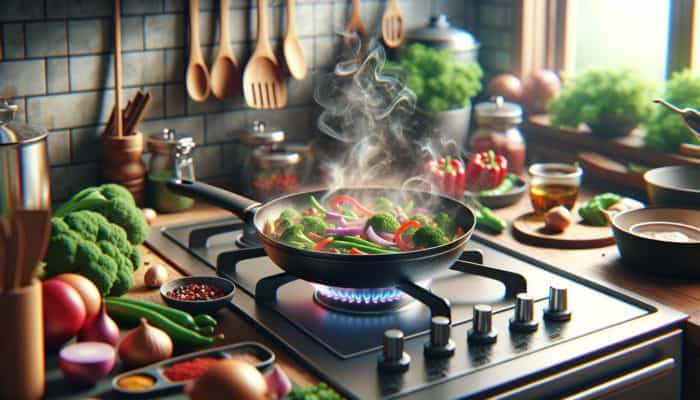
Best Skillet Recipes For Quick Meals: Skillet cooking is an incredibly efficient and versatile technique for preparing meals in a single pan, making it a great choice for individuals with hectic schedules. This method not only reduces cleanup time but also accelerates the overall cooking process, enabling you to create delicious meals in a fraction of the time it usually takes. Here are some standout advantages of skillet cooking:
- Time-efficient: Requires minimal prep and cooking time.
- Versatile: Perfect for an array of dishes, from breakfast to dinner.
- Minimal cleanup: Uses only one pan, significantly reducing dishwashing.
- Flavourful results: The searing and browning process in a skillet enhances overall flavours.
- Health-friendly: Promotes the use of wholesome, nutritious ingredients.
- Convenience: Ideal for quick meals, especially for busy lifestyles.
With a trusty skillet, you can whip up anything from a hearty breakfast to a satisfying dinner, all within a single cooking vessel. This approach not only conserves energy but also celebrates the joy of cooking by allowing the flavours to blend and develop beautifully.
Key Techniques for Successful Skillet Cooking
To excel in skillet cooking, mastering a few fundamental techniques can significantly improve your culinary skills. The three cornerstone methods—searing, sautéing, and simmering—are essential for crafting mouth-watering skillet dishes that impress.
Searing is the technique of cooking food at a high temperature to achieve a rich, brown crust. To sear effectively, follow these steps:
1. Preheat your skillet over medium-high heat until it is hot.
2. Introduce a small amount of oil to the pan and allow it to heat until it shimmers.
3. Place your protein (such as steak or chicken) in the skillet, ensuring not to overcrowd it.
4. Allow it to cook undisturbed for 2-4 minutes before flipping it.
Sautéing employs slightly lower heat than searing, making it perfect for quickly cooking vegetables or thinly sliced meats. Here are the steps to sauté:
1. Heat your skillet over medium heat and add oil or butter.
2. Add your ingredients, ensuring they are evenly spread.
3. Stir frequently to ensure even cooking, typically for 3-5 minutes.
Simmering involves cooking with moisture, making it ideal for developing rich flavours in sauces or stews. Here's a straightforward guide:
1. Begin by sautéing your base ingredients (like onions and garlic) in the skillet.
2. Add your liquid (such as broth, wine, or sauce) and bring it to a boil.
3. Lower the heat to a simmer and cover, allowing it to cook for 15-30 minutes.
These techniques form the backbone of successful skillet cooking, enabling you to create a wide range of delicious meals with relative ease.
How to Choose the Perfect Skillet for Your Cooking Needs
Selecting the right skillet is crucial as it can significantly impact your cooking experience. The primary materials available are cast iron, stainless steel, and non-ferrous, each offering unique advantages and disadvantages.
Cast-iron skillets are celebrated for their excellent heat retention and even cooking. They are ideal for searing and baking, but they require regular seasoning to maintain their nonstick properties. They can be quite heavy and necessitate careful maintenance.
Stainless steel skillets are known for their durability and corrosion resistance, making them excellent for browning and deglazing. They offer exceptional heat distribution but can be tricky to prevent sticking without proper preheating and adequate oil usage.
Nonstick killets are ideal for delicate foods such as eggs and pancakes, as they prevent sticking and simplify cleanup. However, they generally have a shorter lifespan and may not withstand high temperatures as well as the other materials.
Understanding the merits of these materials will help you select the ideal skillet to complement your cooking style and needs, ensuring consistent results with every use.
Expert Recommendations for Quick Skillet Recipes
What Defines a Quick Skillet Recipe?
Quick skillet recipes are characterised by minimal ingredients and straightforward preparation steps, making them a favourite among busy home cooks. The essence of a quick recipe lies in its simplicity and efficiency. A classic example is a stir-fry, where you can easily combine various proteins and vegetables without extensive preparation or lengthy cooking times.
Another quick skillet option is a frittata, which can be whipped up in under 30 minutes. Whisk some eggs, add your choice of cheese, vegetables, and proteins, then cook everything in one pan. Furthermore, dishes such as shrimp and grits or a Mexican-style breakfast hash demonstrate how versatile and quick skillet cooking can be.
These meals require fewer ingredients and less time, allowing you to enjoy a fulfilling dinner even on the busiest of nights.
How Can You Boost Flavour in Skillet Dishes?
Enhancing the flavour in skillet dishes is an art that can be perfected through various techniques and ingredient choices. Begin by incorporating fresh herbs and spices to elevate the taste profile of your meals. For example, adding a sprinkle of fresh herbs like basil or coriander at the end of cooking can brighten the dish, while spices like smoked paprika or cumin can infuse depth and warmth.
Another effective method for boosting flavour is deglazing. After searing meat, add a splash of wine, broth, or vinegar to the hot skillet and scrape up the browned bits clinging to the bottom. This forms a delectable base for sauces, enriching your dish with a rich, complex flavour.
Never underestimate the importance of seasoning with salt. Seasoning at different stages of the cooking process, rather than solely at the end, can lead to a more balanced and flavourful dish. Finally, considering the texture and the balance of sweet, sour, salty, and bitter elements will create a more satisfying culinary experience.
Maximising Nutritional Value in Skillet Meals
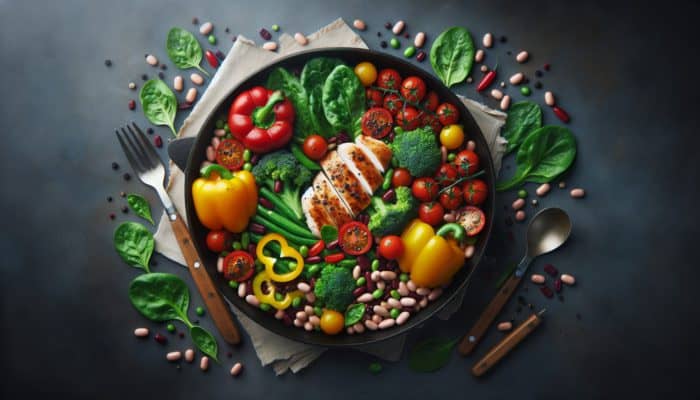
Creating nutritious skillet meals starts with selecting the right ingredients. Incorporating a diverse range of vegetables, lean proteins, and whole grains will not only enhance the nutritional profile but also provide vibrant flavours and exciting textures.
Begin by filling your skillet with a colourful assortment of vegetables, which often signify a variety of nutrients. Dark leafy greens, bell peppers, and tomatoes are all excellent options. Pair these with lean proteins such as chicken breast, fish, or legumes like beans and lentils, which increase the meal's protein content while maintaining a light and healthy profile.
Whole grains like brown rice or quinoa can serve as a base for your skillet meals, adding fibre and essential nutrients to make your dish more satisfying. Always aim to include healthy fats, such as olive oil or avocado, which are vital for overall health and flavour enhancement.
Practical steps for crafting nutritious skillet meals include prepping ingredients in advance, utilising frozen vegetables when fresh options aren't available, and experimenting with quick-cooking whole grain options that fit seamlessly into your schedule.
Delicious Breakfast Skillet Recipes
How Can You Create a Hearty Breakfast Skillet?
A hearty breakfast skillet is the perfect way to kick-start your day, combining proteins, carbohydrates, and a medley of flavours all in one dish. You can use ingredients like eggs, diced potatoes, and your choice of meats to create a satisfying meal that is both nutritious and filling.
Here's a simple recipe for a Hearty Breakfast Skillet:
1. Ingredients:
– 4 medium potatoes, diced
– 1 onion, chopped
– 1 bell pepper, diced
– 4 eggs
– 200g of cooked sausage or bacon, chopped
– Salt and pepper to taste
– Olive oil
2. Instructions:
1. Heat a large skillet over medium heat and drizzle in some olive oil.
2. Add the diced potatoes, season with salt and pepper, and let them cook for about 10 minutes until they start to soften.
3. Stir in the onion and bell pepper, cooking until the vegetables are tender.
4. Add the sausage or bacon and cook until heated through.
5. Make four wells in the mixture and crack an egg into each well. Cover and cook until the eggs are set to your liking.
This hearty breakfast skillet is not only delicious but also highly adaptable. You can easily swap out the vegetables, use different proteins, or even top it with cheese for an additional layer of flavour. Serve it with toast or avocado on the side for a complete breakfast experience.
Quick and Easy Egg Skillet Recipes
Egg skillets are a brilliant choice for a fast breakfast, allowing for creative variations with different vegetables and cheeses. They are not only quick to prepare but also highly versatile, catering to various tastes and dietary preferences. Here are three quick egg skillet recipes to inspire your morning routine:
1. Spinach and Feta Egg Skillet:
– Sauté a handful of spinach in olive oil until wilted, then add three beaten eggs and cook until set. Finish by sprinkling with crumbled feta and serve warm.
2. Mushroom and Cheese Egg Skillet:
– Sauté sliced mushrooms and onions until golden, pour in the eggs, and cook until just set. Top with shredded cheese and allow it to melt before serving.
3. Tomato and Avocado Egg Skillet:
– Cook diced tomatoes and onions until soft, add eggs and cook until set. Top with diced avocado and a sprinkle of cilantro for a fresh finish.
Each of these recipes can be prepared in under 15 minutes, making them ideal choices for a quick yet satisfying breakfast.
Delightful Sweet Skillet Breakfast Options
Sweet skillet breakfasts can be just as delightful and quick as their savoury counterparts. Consider pancakes, French toast, or even fruit-based dishes that warm the soul and satisfy the sweet tooth.
For a delicious twist on traditional pancakes, try a Skillet Pancake. Mix your pancake batter in a bowl, pour it into a preheated skillet, and cook until golden. Top it with fresh berries and a drizzle of maple syrup for an easy breakfast that the whole family will adore.
Another delightful option is Cinnamon Roll French Toast. Dip slices of cinnamon bread in an egg, milk, and vanilla mixture, then cook them in a skillet until golden brown. Serve with a dusting of icing sugar and a side of fresh fruit for a breakfast that feels indulgent yet is quick to prepare.
For a more fruity option, consider a Banana Foster Skillet. Sauté sliced bananas in butter, brown sugar, and cinnamon until caramelised, then serve over pancakes or waffles. The warm, comforting flavours make it an excellent choice for a weekend breakfast.
Vegetarian Breakfast Skillet Ideas
Vegetarian breakfast skillets can be both filling and flavourful, incorporating ingredients like tofu, beans, and a medley of vegetables. These dishes are nutritious and easy to prepare, making them perfect for anyone looking to start their day with a healthy meal.
One fantastic vegetarian option is a Tofu Scramble Skillet. Crumble firm tofu and sauté it with onions, bell peppers, spinach, and spices like turmeric and black salt for an eggy flavour. This dish is high in protein and pairs well with whole-grain toast for a satisfying breakfast.
Another delightful recipe is a Bean and Veggie Hash. Combine black beans, diced sweet potatoes, bell peppers, and onions in a skillet, seasoning with cumin and paprika. Cook until everything is tender, then top with avocado slices and fresh herbs for a refreshing touch.
For a lighter option, consider a Vegetable Frittata. Whisk together the eggs and your choice of vegetables, then pour the mixture into a skillet and cook until set. You can add cheese for extra flavour or serve it with a side of fruit for a well-rounded breakfast.
Breakfast Skillets Ideal for Meal Prep
Preparing breakfast skillets in advance can save you precious time during hectic mornings. By selecting durable ingredients that reheat well, you can enjoy a nutritious meal with ease.
A great meal prep option is a Vegetable and Egg Bake. Here’s a simple recipe:
1. Ingredients:
– 6 eggs
– 1 cup of milk
– 2 cups of mixed vegetables (spinach, bell peppers, and zucchini)
– 1 cup of shredded cheese
– Salt and pepper to taste
2. Instructions:
1. Preheat your oven to 180°C (350°F).
2. In a large bowl, whisk together the eggs and milk. Season with salt and pepper.
3. Stir in the vegetables and cheese until well combined.
4. Pour the mixture into a greased skillet or baking dish and bake for about 30-35 minutes, or until set.
This dish can be cut into portions and stored in the fridge for up to a week. Reheat in the microwave for a quick and hearty breakfast any day of the week.
Scrumptious Lunch and Dinner Skillet Recipes
What Are Some Protein-Packed Skillet Meals?
Protein-rich skillet meals are essential to maintaining a balanced diet and providing the nutrients your body needs to function effectively. You can utilise a variety of proteins, including meats, tofu, and legumes, to create a range of flavours and textures in your meals.
One excellent protein-rich skillet dish is a Chicken and Quinoa Skillet. Begin by browning diced chicken in a skillet, then add quinoa and broth along with your favourite vegetables. Simmer until the quinoa is fully cooked, creating a one-pot meal that is both filling and nutritious.
Another fantastic option is a Shrimp Stir-Fry. Sauté shrimp in a hot skillet with colourful vegetables such as bell peppers and broccoli. Toss everything with a soy sauce or teriyaki glaze for a quick dinner that’s loaded with protein and flavour.
For a vegetarian twist, consider a Chickpea and Spinach Skillet. Cook garlic and onion in olive oil, then add canned chickpeas, fresh spinach, and seasonings. This dish is not only rich in protein but also packed with fibre, making it a satisfying option for any meal.
Effortless One-Pot Skillet Dinners
One-pot skillet dinners are a lifesaver for those seeking a quick meal with minimal cleanup. They allow you to combine all ingredients in one skillet, simplifying both preparation and cooking.
A delightful example is Pasta Primavera. In a large skillet, cook the pasta according to the package instructions, then add vegetables such as zucchini, asparagus, and cherry tomatoes. Toss everything together with olive oil and Parmesan for a quick, satisfying dinner.
Another easy recipe is a One-Pan Chicken Fajita Skillet. Sauté chicken strips with bell peppers and onions, seasoning with fajita spices. Serve with tortillas or over rice for a complete meal.
For a comforting option, try a Beef and Vegetable Casserole. Brown ground beef in a skillet, then mix in diced potatoes, carrots, and peas, adding broth to create a hearty dish that simmers beautifully, ensuring everything is cooked through and flavourful.
Delicious Vegetarian Skillet Options
Vegetarian skillet options not only cater to those who prefer plant-based diets but also showcase the vibrant flavours and textures that vegetables can bring to a meal. They are a fantastic way to incorporate more vegetables into your diet while still enjoying hearty dishes.
A delicious example is a Mediterranean Vegetable Skillet. Sauté eggplant, zucchini, bell peppers, and tomatoes in olive oil, seasoning with oregano and basil. Serve over couscous or quinoa for a colourful, satisfying meal.
Another great recipe is a Sweet Potato and Black Bean Skillet. Cook diced sweet potatoes until tender, then add black beans, corn, and spices. This dish is hearty and offers a balanced flavour that even non-vegetarians will enjoy.
Consider making a Caprese Skillet as a fresh option. Sauté cherry tomatoes and garlic, then add fresh mozzarella and top with basil for a quick and delightful dish that celebrates the flavours of summer.
Research-Backed Insights on the Benefits of Best Skillet Recipes for Quick Meals
How Does Skillet Cooking Save You Time?
Skillet cooking is renowned for its efficiency, significantly reducing the time spent on meal preparation and cooking. Using a single pan streamlines the cooking process, reducing the number of dishes and utensils required.
Research indicates that skillet meals can be prepared in under 30 minutes, making them a perfect solution for busy weeknights. The ability to brown meat, sauté vegetables, and simmer sauces in one pan enables a faster transition from raw ingredients to a delicious meal served at your table.
Moreover, the one-pan method drastically reduces cleanup time. Cleaning just one skillet instead of multiple pots and pans can save you those precious minutes, making skillet cooking an ideal choice for anyone seeking to optimise their time in the kitchen.
Health Benefits of Skillet Meals
Skillet meals can represent a healthy choice when prepared with nutritious ingredients. By incorporating a variety of vegetables, lean proteins, and whole grains, these meals can support overall health and aid in weight management.
Studies have demonstrated that meals rich in vegetables can lower the risk of chronic diseases, while lean proteins are vital for muscle maintenance and repair. Additionally, whole grains provide essential fibre, aiding digestion and promoting a feeling of fullness.
By prioritising healthful ingredients and cooking methods, you can enjoy delicious meals without sacrificing nutritional quality. Skillet cooking encourages a balanced approach to meal planning, making it easier to stick to healthful eating habits.
The Environmental Impact of Skillet Cooking
Skillet cooking can also yield a positive environmental impact. By using a single pan, you not only reduce energy consumption during cooking but also minimise waste, contributing to more sustainable cooking practices.
The efficiency of skillet cooking allows for shorter cooking times, which translates into less energy used for heating. This not only benefits the environment but can also reduce utility bills, creating a win-win for your budget and the planet.
Additionally, using fresh, locally sourced ingredients further enhances the environmental benefits of your meals and reduces the carbon footprint associated with food transportation. Embracing skillet cooking as a regular practice can contribute positively to a more sustainable lifestyle.
Decadent Dessert Skillet Recipes
How Can You Create a Skillet Cookie?
A skillet cookie is a fun and indulgent dessert that can be easily made in just one pan. This delightful treat combines the classic flavours of cookies with the added joy of baking them in a skillet, resulting in a gooey, shareable masterpiece.
Here’s a simple recipe for a Skillet Cookie:
1. Ingredients:
– 1 cup of brown sugar
– ½ cup of granulated sugar
– 1 cup of unsalted butter, softened
– 2 cups of all-purpose flour
– 2 eggs
– 1 teaspoon of vanilla extract
– 1 teaspoon of baking soda
– 1 cup of chocolate chips
2. Instructions:
1. Preheat your oven to 180°C (350°F).
2. In a large mixing bowl, cream together the butter, brown sugar, and granulated sugar until fluffy.
3. Add eggs and vanilla, mixing well until combined.
4. Gradually incorporate flour and baking soda until well blended. Stir in chocolate chips.
5. Spread the dough evenly in a greased skillet and bake for 20-25 minutes, until golden brown.
Serve warm with a scoop of ice cream on top for a cosy dessert that is perfect for sharing with friends or family.
How to Make Skillet Fruit Cobblers
Skillet fruit cobblers are a warm, comforting dessert that combines fresh fruit with a simple topping, providing a delightful finish to any meal. The appeal of these cobblers lies in their rustic charm and the ease of preparation.
To create a basic Berry Cobbler, start by sautéing mixed berries such as blueberries, raspberries, and strawberries in a skillet with a bit of sugar and lemon juice until they are bubbly and fragrant.
For the topping, mix flour, sugar, baking powder, milk, and melted butter until just combined. Spoon the batter over the simmering fruit and bake until golden brown and bubbly.
This dish is not only quick to assemble but also showcases the vibrant flavours of seasonal fruits, making it a fantastic dessert option for any occasion.
Effortless Quick Skillet Brownies
Quick skillet brownies are the perfect solution for a last-minute dessert craving. They present the rich, gooey texture that brownie lovers adore, and can be made with minimal effort.
For a simple Skillet Brownie recipe, gather the following ingredients:
1. Ingredients:
– ½ cup of melted butter
– 1 cup of sugar
– 2 large eggs
– 1 teaspoon of vanilla extract
– 1/3 cup of unsweetened cocoa powder
– 1 cup of all-purpose flour
– ¼ teaspoon of salt
2. Instructions:
1. Preheat your oven to 180°C (350°F).
2. In a medium bowl, mix the melted butter and sugar until combined.
3. Add in the eggs and vanilla, stirring until smooth.
4. Gradually mix in the cocoa powder, flour, and salt until fully combined.
5. Pour the batter into a greased skillet and bake for 20-25 minutes.
These brownies are delicious on their own or served warm with a scoop of vanilla ice cream, offering a decadent treat that's bound to impress.
How to Prepare Skillet S'mores Dip
Skillet s'mores dip is a fun, interactive dessert that brings the classic campfire treat to your kitchen. It’s easy to prepare and perfect for sharing, making it a delightful finish to any gathering.
To create this gooey treat, you’ll need:
1. Ingredients:
– 1 cup of chocolate chips
– 1 cup of mini marshmallows
– Graham crackers for dipping
2. Instructions:
1. Preheat your oven to 180°C (350°F).
2. In a greased skillet, layer the chocolate chips at the bottom.
3. Top with mini marshmallows.
4. Bake for approximately 10-15 minutes, until the marshmallows are golden and the chocolate is melted.
Serve the warm s'mores dip with graham crackers for dipping, allowing everyone to enjoy this delicious, shared dessert that evokes fond memories of campfires and friends.
Frequently Asked Questions
What is skillet cooking?
Skillet cooking is the method of preparing meals in a single frying pan, enabling quick, efficient preparation while minimising cleanup.
What are the advantages of skillet cooking?
Skillet cooking saves time, reduces the number of dishes, enhances flavours through techniques like searing, and promotes healthier meal options using fresh ingredients.
How do I clean a cast-iron skillet effectively?
To clean a cast-iron skillet, avoid using soap; instead, scrub it with hot water and a stiff-bristle brush. Dstiff-bristleely and apply a thin layer of oil to prevent rust.
What types of meals can I prepare in a skillet?
You can create a wide variety of meals, including breakfast dishes, stir-fries, casseroles, and desserts such as cookies and brownies, in a skillet.
Are there vegetarian skillet options available?
Absolutely! Vegetarian skillet recipes can include a variety of vegetables, tofu, beans, and grains, providing nutritious meals without meat.
How can I make my skillet meals healthier?
To enhance the healthiness of skillet meals, focus on using fresh vegetables, lean proteins, whole grains, and healthy fats while avoiding excessive oils or high-calorie sauces.
Can I use a nonstick skillet for high-heat cooking?
Nonstick cookware is not recommended for high-heat cooking, as it can release harmful fumes. Opt for cast-iron or stainless steel skillets for high-temperature cooking.
How long does it typically take to cook a one-pot meal in a skillet?
One-pot meals in a skillet typically take 30 minutes or less to prepare, making them ideal for quick weeknight dinners.
What is the best way to enhance flavour in skillet dishes?
Enhance flavour by using fresh herbs and spices, and by deglazing to incorporate the browned bits into sauces.
Can I prepare meals in advance using skillets?
Yes, many skillet meals can be prepped in advance, particularly those that store well and reheat easily, making them perfect for meal prep.



I love the emphasis on how skillet cooking can simplify meal prep in our busy lives! I’ve found that it’s not just about the time saved, but also the chance to get creative with flavors. For instance, I often experiment with different spice blends and fresh herbs to elevate even the simplest dishes.
I love the point about skillet cooking being so time-efficient! It’s become my go-to method for weeknight dinners. Just last week, I made a veggie stir-fry with some leftover chicken in about 20 minutes. The best part? I tossed everything in one pan, and the flavors really came through with that beautiful sear.