
Essential Preparation Steps for Grilling Perfect Steaks
How to Choose the Best Quality Meat for Your Steaks
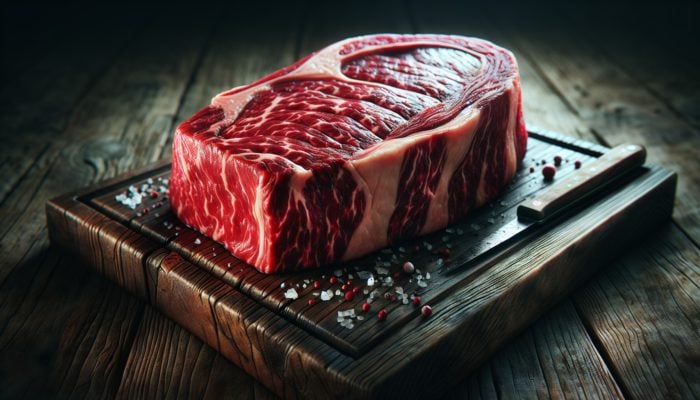
Best Techniques for Grilling Juicy Steaks: Selecting the ideal cut of meat is absolutely crucial for achieving succulent steaks on the grill. Always look for specific characteristics that indicate high quality. The presence of marbling—the fine streaks of fat within the muscle tissue—is vital, as this fat melts during cooking, significantly enhancing both juiciness and flavour. Freshness is another factor that cannot be overstated; opt for cuts that exhibit a bright, vibrant colour and are free of any signs of discolouration. Additionally, the meat's aroma should be clean and inviting, a good indicator of its quality and freshness.
Here’s a concise bullet list of common meat characteristics to assist in your selection:
- Marbling: Choose cuts with intramuscular fat for extra flavour.
- Colour: Bright red indicates freshness, while brown may suggest age.
- Texture: Ideal cuts should feel firm yet slightly moist; avoid meat that is overly dry or mushy.
- Fat Cap: A good layer of fat on the outside protects the meat during cooking.
- Cut Type: Ribeye, sirloin, and T-bone are all excellent choices for grilling.
Understanding these key factors empowers you to make informed decisions, laying the groundwork for grilling the best steaks possible.
What Are the Best Techniques for Marinating Steaks?
Mastering the art of marinating is your secret weapon in achieving juicy steaks. Marinating is not solely about adding flavour; it also plays a critical role in moisture retention. An ideal marinade typically consists of an acid, such as vinegar or citrus juice, combined with oil and various seasonings. The acid tenderises the meat, while the oil creates a barrier that locks in moisture during grilling.
Start by blending your marinade ingredients. A classic and effective combination might include olive oil, balsamic vinegar, minced garlic, and fresh herbs like rosemary or thyme. Ensure each steak is completely submerged in the marinade, then refrigerate for at least 30 minutes or up to 24 hours to enhance flavour absorption.
Timing is crucial; if you marinate for too long, the meat may become mushy. Tougher cuts benefit from longer marinating periods, while more tender cuts require less time. Keep in mind that the objective is to enhance, not overpower, the natural flavours of your steak.
Understanding the Basics of Temperature Control for Grilling
Monitoring grill temperatures closely is essential for ensuring juicy steaks. Overcooking is the enemy of tenderness, and maintaining appropriate heat levels is critical to a successful grilling experience. Typically, you’ll want hot zones (approximately 230-260°C) for searing and cooler zones (around 130-150°C) for cooking through without drying out the meat.
Using a reliable grill thermometer is essential; it provides an accurate temperature reading. For gas grills, preheat for 10-15 minutes; for charcoal grills, aim for a glowing bed of coals before placing the meat on the grill.
When grilling, consider the thickness of your steaks. Thicker cuts benefit from a two-zone cooking setup, where they can sear over high heat and then be moved to a cooler area to cook through evenly. This method ensures each bite is juicy and flavourful, regardless of the cut you choose.
What Are the Best Strategies for Seasoning Steaks?
The skill of seasoning can transform a good steak into an outstanding one. A well-seasoned steak bursts with flavour that beautifully complements its natural richness. Start with the basics: a generous sprinkle of kosher salt and freshly cracked black pepper. Salt not only enhances the flavour but also draws out moisture, which caramelises during grilling to create that desirable crust.
Consider experimenting with dry rubs and wet marinades. A dry rub—composed of spices such as smoked paprika, garlic powder, and brown sugar—can create a delightful crust when seared correctly. In contrast, wet marinades penetrate deeply into the meat, infusing it with rich flavours.
Timing is vital; apply salt at least 30 minutes before grilling or immediately before placing the steak on the grill. For dry rubs, a few hours in advance is optimal, allowing the spices to bond with the meat. Mastering this strategy will elevate the taste profile and tenderness of your steaks, making every meal unforgettable.
How to Properly Prepare Your Grill for Steak Cooking
Before you place your steak on the grill, meticulous preparation is essential. Start by cleaning your grill grates with a high-quality brush to eliminate any residue from previous cookouts. A clean grill not only prevents sticking but also reduces flare-ups that can char your meat.
Preheating your grill is non-negotiable; it guarantees even cooking. For gas grills, ignite and let it warm up for at least 15 minutes. If you’re using charcoal, allow the coals to ash over to achieve optimal heat.
Understanding direct and indirect heat is crucial for perfect grilling. Direct heat is fantastic for searing and creating those attractive grill marks, while indirect heat facilitates slow cooking without burning. Start by searing your steak over direct heat for the first few minutes, then move it to the indirect side to finish cooking. By employing these techniques, you'll ensure perfectly grilled steaks every time.
How Can You Achieve the Perfect Sear on Your Steaks?
What Are the Most Effective Methods for Generating Grill Heat?
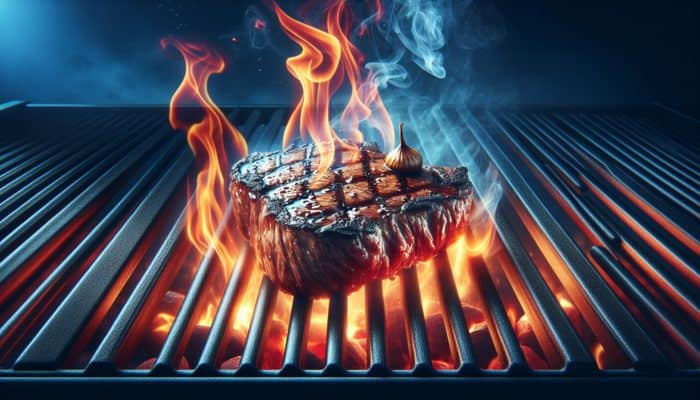
To achieve that highly sought-after perfect sear, setting the right temperature on your grill is essential. The goal is to reach a searing temperature of around 230-260°C (450-500°F). This high heat not only caramelises the meat's surface but also locks in the juices, ensuring tender steaks.
Begin by ensuring your grill is clean and well-maintained. A dirty grill can lead to uneven heat distribution, making it harder to achieve a perfect sear. Heat your grill for 10-15 minutes before cooking; this allows the grates to reach the desired temperature.
For gas grills, turn all burners to high; for charcoal grills, let the coals burn until they are white-hot. If you are using a two-zone setup, position your steak over the hottest side first for an initial sear, then transfer it to the cooler side to finish cooking. Keep a close eye, as a perfect sear only takes a few minutes.
What Is the Best Timing for the Cooking Process?
Timing is everything in grilling. Balancing doneness with juiciness can be tricky, yet it is essential for achieving steak perfection. Use the “five-minute rule” as a guideline: for every inch of thickness, grill for roughly five minutes before flipping. This rule is flexible: thicker cuts require more time, while thinner cuts require less.
Utilising a meat thermometer is one of the most effective ways to ensure that you do not overcook your steaks. Aim for an internal temperature of 50-52°C (120-125°F) for rare, 57-60°C (135-140°F) for medium rare, and 63-68°C (145-155°F) for medium.
Allowing your steak to rest after grilling is equally significant. Allow the meat at least five minutes to rest before cutting. This resting period allows the juices to redistribute throughout the steak, ensuring that each bite is as juicy as possible. With practice, mastering the timing will lead to perfectly grilled steaks that are not only juicy but also packed with flavour.
What Are the Best Flipping Strategies for Grilling Steaks?
Effective flipping is an often-overlooked technique that helps retain moisture during grilling. The key is to flip sparingly; the more you turn your steak, the more moisture you risk losing. A good rule of thumb is to flip your steak only once during cooking to maximise crust development and minimise moisture loss.
Utilise tongs instead of a fork to flip your steak. A fork pierces the meat, allowing juices to escape, while tongs grip the steak without compromising its integrity. Searing one side for a few minutes before flipping ensures those attractive grill marks and a caramelised crust that enhances flavour.
To achieve ideal grill marks, rotate the steak 90 degrees halfway through the searing time before flipping. This simple technique will yield those desirable diamond patterns on your steak. Remember, patience is key; allow the heat to work without unnecessary interference.
What Are the Expert Techniques for Grilling Juicy Steaks?
How to Use Advanced Seasoning Methods for Maximum Flavour
Enhancing the flavour profile of your steak involves much more than just salt and pepper. Advanced seasoning techniques involve layering flavours with a mix of herbs, spices, and citrus elements. Begin with a base of salt and pepper, then build upon it with complementary ingredients.
Consider incorporating garlic powder for depth, smoked paprika for a hint of sweetness, and fresh herbs such as thyme or rosemary to elevate the overall experience. For an extra zing, a splash of lemon juice or balsamic vinegar can brighten the flavours, creating a complex taste that tantalises the palate.
Apply your seasoning at least an hour before grilling to allow it to penetrate the meat. For an added touch, consider using a compound butter—a mixture of softened butter with herbs and spices—smeared on the steak after grilling. This not only adds richness but also enhances the overall flavour, making your steaks truly memorable.
What Is the Importance of Resting Your Steak Properly?
Resting your steak after grilling is essential for maintaining juiciness. When meat cooks, the fibres contract, forcing juices toward the centre. Allowing the steak to rest for about five to ten minutes allows the fibres to relax and the juices to redistribute throughout the meat. This means every slice you take will be moist and flavourful.
A good rule of thumb is to rest the steak for half the time it was cooked. For example, if your steak is grilled for 10 minutes, let it rest for around 5 minutes. During this time, loosely cover the steak with foil to keep it warm without trapping steam, which can result in a soggy crust.
Practice patience! The anticipation builds excitement, and the result is well worth the wait. Whether you're serving it to guests or enjoying it yourself, resting your steak is a simple yet vital step that enhances the overall quality, ensuring every bite is as juicy as possible.
What Are the Best Tips for Grill Maintenance?
Maintaining your grill is crucial for ensuring consistent steak quality. Regular cleaning not only extends your grill's lifespan but also enhances performance and flavour. After each use, scrape the grates with a grill brush to remove food particles and residue. This helps prevent sticking and ensures even cooking during your next grilling session.
Conduct a deeper clean every few months. Remove the grates and clean down to the burners, ensuring there's no buildup of grease or food debris. For gas grills, check the burners for clogs and clean them thoroughly with a stiff brush or wire. If you are using charcoal, empty the ash catcher regularly to maintain airflow.
Investing in a high-quality grill cover can protect your equipment from the elements, preventing rust and corrosion. By keeping your grill in excellent condition, you set yourself up for success each time you fire it up, ensuring juicy, flavourful steaks with every cookout.
What Are the Research-Backed Benefits of Techniques for Grilling Juicy Steaks?
How Do Grilling Techniques Enhance Flavour Profiles?
Utilising specific grilling techniques significantly enhances the flavour of your steak. Searing meat at high temperatures triggers the Maillard reaction, adding a range of complex flavours and aromas that are irresistible. This scientific process transforms the amino acids and sugars present in the meat into a rich crust that boosts the overall taste.
Furthermore, proper marinating can enhance flavour penetration, especially when using acidic components that break down proteins, allowing seasonings to penetrate more deeply. This flavour enhancement is a key reason marinated steaks often taste more robust than their unseasoned counterparts.
Moreover, techniques such as resting after grilling allow the juices to reabsorb into the meat, enriching the flavour. Every method you employ adds layers of taste, making for a truly delectable steak experience.
What Are Common Pitfalls to Avoid While Grilling?
Grilling can often feel like a delicate balancing act; overlooking basic errors can lead to dry, tough steaks. One common pitfall is overcrowding the grill. When too many steaks are crammed together, heat distribution suffers, leading to uneven cooking. Stick to a manageable number of pieces at a time to ensure that each steak cooks to perfection.
Another common mistake is cutting into the steak to check for doneness. This action causes precious juices to escape, resulting in a dry product. Instead, rely on a meat thermometer for accurate readings. Lastly, resist the temptation to flip your steak multiple times; this can disrupt the crust formation, leading to moisture loss.
Learn from these mistakes, and you’ll be well on your way to consistently grilling juicy steaks that impress every time.
What Are the Nutritional Advantages of Grilling Steak?
Grilling is not just about flavour; it also offers several nutritional advantages. Compared to other cooking methods, such as frying, grilling allows excess fat to drip away from the meat, resulting in a healthier dish. This method preserves essential nutrients, including vitamins B6 and B12, which are crucial for energy production and maintaining healthy brain function.
Moreover, when grilling at the right temperatures, you minimise the risk of producing harmful compounds that can occur with overcooking. Techniques like marinating steaks can also help mitigate these risks, as certain ingredients act as antioxidants.
By choosing to grill, you are not only enhancing flavours but also making a healthier choice that retains the nutritional essence of your steak, allowing you to enjoy your meal without guilt.
What Tools Do You Need for Successful Grilling?
How to Choose the Right Grill Type for Your Needs
Selecting the appropriate grill setup is a pivotal decision for any grilling enthusiast. The type of grill you choose can impact heat distribution, cooking time, and the overall flavour of your steaks. Gas grills offer precise temperature control and typically ignite more easily, making them ideal for those who prefer a quick, convenient grilling experience.
Charcoal grills, on the other hand, impart a unique smoky flavour that many purists cherish. They require more time and effort to set up, but often provide that authentic grilled taste that electric or gas grills may lack. Lastly, pellet grills combine the best of both worlds, delivering the flavour of charcoal with the convenience of gas.
When choosing your grill, consider your cooking style, grilling frequency, and the flavours you want to achieve. Regardless of your choice, ensure it is well-constructed with proper ventilation for even cooking and optimal flavour.
What Accessories Can Enhance Your Grilling Experience?
Investing in the right accessories can significantly elevate your grilling game. High-quality tongs are essential for flipping steaks without piercing the meat, which preserves juices. A reliable meat thermometer is invaluable, providing precise readings to ensure perfect doneness every time.
Consider using a grill basket for vegetables or smaller items; it allows for even cooking without the risk of dropping items through the grates. Additionally, a basting brush is handy for applying marinades during grilling, helping to keep your steaks moist and flavourful.
Finally, a grill mat protects your grates and provides a nonstick surface for delicate items. A well-equipped grilling station not only enhances results but also makes the entire grilling process more enjoyable.
What Are the Best Cleaning Essentials for Your Grill?
Maintaining your grill's cleanliness is crucial for optimal performance and flavour retention. After grilling, always allow your grill to cool down slightly before cleaning, as this makes residue easier to remove. Start by using a stiff wire brush to scrub the grates thoroughly; this prevents buildup and ensures a clean surface for your next cookout.
For deeper cleaning, a warm, soapy water solution can effectively remove stubborn stains on the exterior. If you’re using a gas grill, check and clean the burner tubes regularly to prevent clogs.
Implementing a regular cleaning schedule not only extends your grill's lifespan but also ensures each grilling session yields flavourful, juicy steaks free of lingering burnt residue from previous meals.
How to Maintain Steak Juiciness After Grilling?
What Is the Best Way to Handle Your Steak After Grilling?
Proper handling of your grilled steak is vital for preserving its juiciness. After removing the steak from the grill, do not cut into it immediately. For at least five minutes, this resting period allows the juices to redistribute throughout the meat, ensuring every bite remains succulent and flavour-rich.
Consider placing the steak on a warm plate, loosely covered with foil to retain heat while it rests. This simple step helps preserve moisture and texture, enhancing your overall eating experience.
For serving, cut against the grain to ensure tenderness. This technique reduces the toughness of the meat fibres, allowing for a more pleasurable chewing experience. Mastering post-grill handling is essential for achieving the fullest flavour and juiciest results.
What Are the Best Storage Methods for Leftover Steaks?
To keep leftover grilled steaks fresh and moist, proper storage is key. Start by allowing the steak to cool down to room temperature. Wrapping it too soon can trap steam, resulting in moisture loss. Once cooled, place it in an airtight container or wrap it tightly in plastic wrap to maintain its juiciness.
For refrigeration, store leftovers in the fridge for no more than 3-4 days. If you need to keep them longer, consider freezing the steak. Properly wrapped, grilled steaks can last up to three months in the freezer without sacrificing quality.
When reheating, do so gently. Please avoid using the microwave for optimal results; instead, warm it in an oven at a low temperature or on a skillet with a splash of broth to maintain moisture. With these techniques, you can enjoy your juicy steaks long after the grill has been put away.
How to Experiment with Variations in Your Grilling Techniques?
Do not hesitate to get creative with your grilling techniques. Experimenting with various marinades, spices, and cooking methods can lead to juicy steaks with exciting new flavours. Consider incorporating seasonal ingredients or regional spices to create a unique twist on traditional recipes.
For instance, consider using a Korean marinade rich in soy sauce and sesame oil for a distinct flavour profile. Alternatively, an Argentinian chimichurri sauce can provide a fresh, herbaceous kick that beautifully complements the richness of grilled meat.
The beauty of grilling lies in its versatility; there are countless ways to infuse flavour and preserve juiciness. By embracing experimentation, you will discover new favourite combinations and enhance the grilling experience for everyone.
What Is the Importance of Resting Your Steak?
Resting isn’t merely a step; it is a vital part of grilling that significantly affects your steak's juiciness and overall flavour. After grilling, allow your steak to rest for at least five to ten minutes. This time allows the juices, which have been pushed toward the centre during cooking, to redistribute evenly throughout the meat.
Wrap the steak loosely in aluminium foil to keep it warm while it rests. The key is to avoid steaming it, which can lead to a soggy crust. For optimal resting, please place it in a warm area of your kitchen, away from drafts.
The recommended rest time for your steak depends on its thickness. Larger cuts benefit from longer resting times, while thinner cuts require less. Proper resting rituals ensure every bite delivers maximum juiciness, making your grill efforts truly worthwhile.
Frequently Asked Questions About Grilling Steaks
What is the best cut of steak for grilling?
The best cuts for grilling include ribeye, sirloin, and T-bone. These cuts possess the ideal balance of fat and tenderness, making them perfect for achieving juicy results on the grill.
How long should you marinate steak?
Marinating steak for 30 minutes to 24 hours is ideal. Tougher cuts can marinate for longer, while tender cuts require less time to avoid becoming mushy.
What temperature should steak be grilled at?
For perfectly grilled steak, aim for a grill temperature of 230-260°C (450-500°F). This high heat creates a good sear while ensuring even cooking inside.
How can you tell when a steak is done?
Using a meat thermometer is the most accurate method. Aim for 50-52°C (120-125°F) for rare, 57-60°C (135-140°F) for medium rare, and 63-68°C (145-155°F) for medium.
Should you flip the steak frequently while grilling?
No, flipping steak frequently can cause moisture loss. Ideally, flip your steak just once during cooking for the best results.
What is the purpose of resting a steak?
Resting steak allows juices to redistribute throughout the meat, resulting in a juicier, more flavourful bite when you finally cut into it.
Can you freeze grilled steak leftovers?
Yes, you can freeze grilled steak leftovers. Wrap them tightly in plastic wrap or foil, and they’ll last for up to three months without losing quality.
What is the best way to reheat grilled steak?
The best way to reheat grilled steak is in an oven at a low temperature or on a skillet with a splash of broth to maintain moisture. Avoid microwaving, as it can dry out the meat.
What should I do if my steak is tough?
If your steak turns out tough, slicing it against the grain can help improve tenderness. Alternatively, consider using marinades or cooking methods like braising for future meals.
How can I enhance the flavour of my steak?
Enhance your steak's flavour by using marinades, dry rubs, or compound butters. Experiment with different herbs and spices to discover new flavour profiles that suit your taste.