Essential Tools and Materials for Successful Vegetable Carving
How to Choose the Perfect Knives for Carving
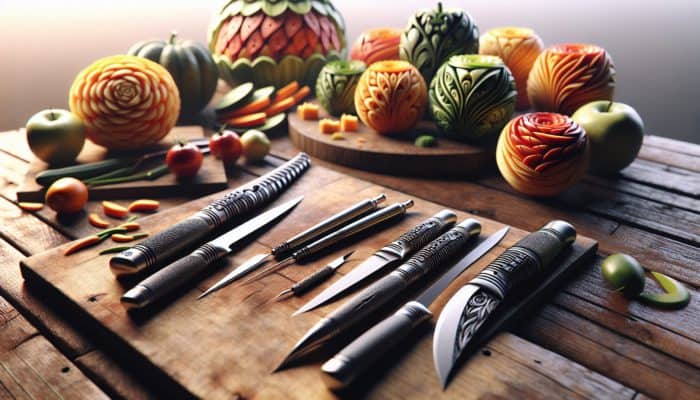
How to Carve Vegetables for Decoration: Choosing the right knives is essential to mastering techniques that create stunning decorations. Sharp knives guarantee precision, which is crucial for executing intricate designs effectively. Invest in a diverse range of knife types, including paring knives ideal for detailed work and utility knives suitable for broader cuts. Ensure the handles are ergonomically designed to fit comfortably in your hand, which helps prevent fatigue during extended carving sessions. A well-maintained, sharp knife enhances your overall carving experience and significantly improves safety, enabling smooth, fluid movements without excessive force. Regularly honing your blades should become a critical part of your preparation routine to ensure optimal carving performance.
What Are the Best Vegetables for Carving Projects?
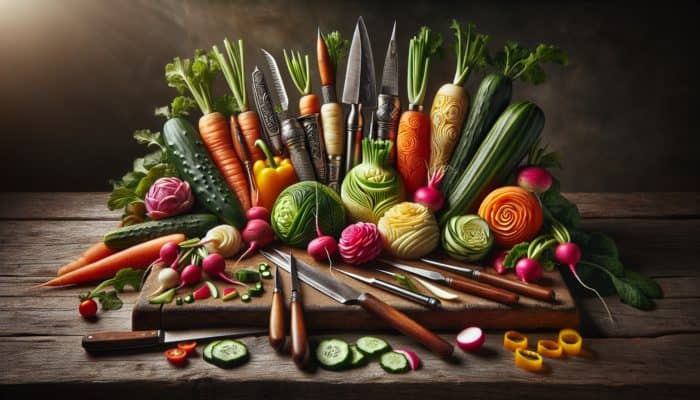
When selecting vegetables for carving, consider their texture and shape to achieve impressive results. Firm vegetables such as carrots, cucumbers, and zucchini are particularly suitable due to their structural integrity and ease of manipulation. Carrots are not only vibrant in colour but also easy to shape, while cucumbers offer a refreshing green base that can be sculpted into various forms. The density of these vegetables plays a significant role in the outcome of your carvings, as denser options hold intricate patterns better. For a more unique aesthetic, consider incorporating radishes or bell peppers; their vivid colours can enhance the overall visual presentation. Choosing the right vegetable is essential for crafting stunning, long-lasting designs that will impress your guests.
How to Set Up Your Workspace for Optimal Carving
A meticulously organised workspace is crucial for efficient and safe vegetable carving. Start by establishing a clean workspace with adequate lighting so you can see your designs clearly. Gather all necessary tools, including your knives, a sturdy cutting board, and a container for vegetable scraps. Don't forget to include safety gear, such as a cutting glove to protect your hands and an apron to keep your clothes tidy. To further optimise your workspace, consider the following essential items:
- Sharp knives of various sizes for different tasks
- A robust cutting board that provides stability
- Cutting gloves to ensure safety during work
- Containers for waste disposal to maintain cleanliness
- An apron to protect your clothing from stains
- A clean, well-lit surface to enhance visibility
- Water for rinsing vegetables to keep them fresh
- A damp cloth for quick and easy cleaning
A systematic approach to organising your workspace will nurture a productive atmosphere where your creativity can flourish, enabling you to focus entirely on the art of carving.
How Does Vegetable Carving Elevate Your Decorations?
Understanding the Principles of Design in Carving
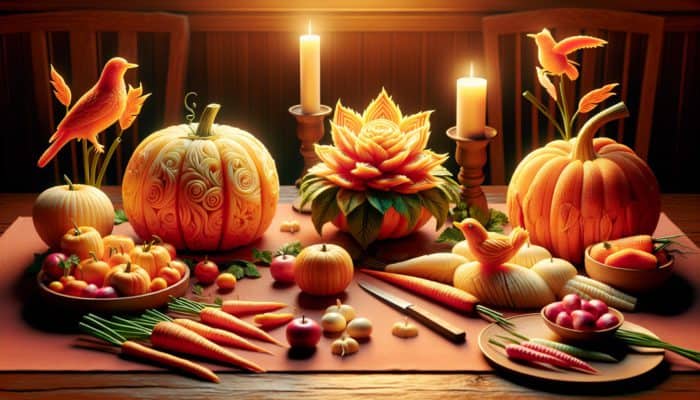
Vegetable carving is not just about food preparation; it is a sophisticated art form that significantly enhances the visual appeal of your dishes. By skillfully manipulating shapes and textures, carvers can transform ordinary vegetables into extraordinary centrepieces that attract attention and spark conversation. Each cut adds a layer of creativity, enabling personal artistic expression that elevates the overall dining experience. When executed skillfully, these decorative elements can make even the most basic meals feel celebratory and elegant. Applying the principles of design—such as balance, contrast, and harmony—can lead to vegetable carvings that are not only visually stunning but also cohesive in their presentation.
What Are the Techniques for Creating Intricate Patterns?
Crafting intricate patterns through vegetable carving involves mastering various techniques that, once perfected, can dramatically enhance the aesthetic appeal of your dishes. One effective method is layering cuts, where multiple strategic cuts are used to build complexity and depth in your designs. This technique enables the creation of stunning effects, such as floral designs or geometric patterns, that make your decorations stand out. Incorporating techniques such as chiselling, shaping, and spiralling can introduce fluidity and movement to your carvings. For example, a spiral cucumber garnish can add a dynamic quality to any platter. Exploring these techniques will inspire creativity and lead to innovative designs that captivate audiences worldwide.
How to Keep Your Vegetable Carvings Fresh?
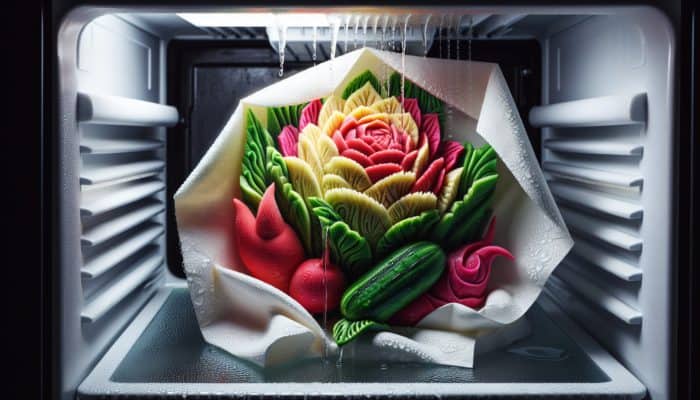
Maintaining the freshness of your vegetable carvings is essential to keeping them visually appealing over time. After completing your masterpiece, it is vital to store your creations appropriately. Keep carved vegetables in a cool environment, preferably in a refrigerator, to preserve their crispness. Wrapping the carvings in damp paper towels helps retain moisture without causing sogginess. Additionally, using a light mist of water can keep your designs fresh. Avoid exposure to air, which can cause wilting and browning. By following these storage tips, you will not only prolong the lifespan of your decorations but also enhance their presentation, making sure they remain a focal point on any table.
Expert Tips for Mastering Vegetable Carving Techniques
How to Master Basic Cuts and Shapes in Carving
To excel in the art of vegetable carving, mastering basic cuts and shapes is essential. Start by practising simple cuts such as slices, wedges, and juliennes to build your confidence and skill. For instance, creating a basic carrot flower can be achieved by cutting thin, curved slices at an angle and layering them to form delicate petals. These straightforward patterns are not only easy to learn but also serve as crucial building blocks for more complex designs. Consider crafting a radish rose using similar techniques; the vegetable's natural colours and textures will enhance its visual appeal. Consistent practice with these foundational shapes will improve your proficiency and prepare you for more advanced carving projects.
How to Advance to More Complex Vegetable Designs?
Once you are comfortable with basic cuts, the next step is to move on to more complex designs. This progression often involves mastering layering techniques that demand greater precision and control. For example, creating a multi-layered flower requires understanding the vegetable's shape and the ability to manipulate cuts to achieve a three-dimensional effect. Using tools such as scoops and chisels can greatly enhance your capacity to create intricate carvings. Experimentation is essential; try different vegetables to see how their unique characteristics influence your designs. This practice not only hones your skills but also encourages creativity, allowing you to develop distinctive decorative styles that will impress any audience.
How to Integrate Colours and Textures for Stunning Carvings?
Combining various types of vegetables is an effective strategy for achieving vibrant, textured results in your carvings. Incorporating brightly coloured vegetables like bell peppers, beets, and radishes can create a striking contrast when paired with neutral vegetables like cucumbers or parsnips. The interplay of textures also plays a critical role; for instance, the smooth surface of a cucumber combined with the bumpy texture of a courgette can enhance visual interest. To achieve impactful results, arrange your designs to highlight these contrasts. This approach not only elevates the overall aesthetic but also showcases your creativity and understanding of design principles in vegetable carving.
What Are the Best Presentation Techniques for Carved Vegetables?
Effective presentation is crucial when showcasing your beautifully carved vegetables. The method you use to plate your creations can significantly influence their visual appeal. Focus on composition and balance; for example, placing taller designs in the centre and surrounding them with shorter ones creates a harmonious appearance. Incorporating garnishes such as fresh herbs or edible flowers can further enhance your dish's presentation. Drawing inspiration from traditional Australian gatherings, where beautifully plated dishes featuring carved vegetables often take centre stage, consider how to preserve the freshness of your designs while improving their overall aesthetic. Using clear domes or moisture-retaining containers helps maintain their appeal for longer, allowing you to impress your guests with stunning displays.
Research-Backed Advantages of Vegetable Carving
How Vegetable Carving Improves Presentation Skills
Engaging in vegetable carving is not just an artistic pursuit; it also offers tangible benefits, including improved presentation skills. This craft encourages mindfulness regarding meal aesthetics, leading to more thoughtful design choices. Research indicates that visually appealing food enhances dining experiences, making meals more enjoyable and engaging. By developing your carving skills, you will cultivate a keener eye for detail and presentation, allowing you to elevate any dish with simple yet effective decorative touches. Over time, this practice improves your culinary presentation, making you a more confident and creative cook.
Enhancing Your Creative Expression through Carving
Vegetable carving serves as a powerful outlet for creative expression, pushing the boundaries of traditional food decoration. The act of carving encourages experimentation with shapes, sizes, and combinations of various vegetables, allowing you to explore and showcase your artistic side. This creativity reflects your personal style and fosters innovation in food presentation. Every carving presents an opportunity to express emotion and individuality through design, making each creation distinctly yours. As you progress in your skills, you may find yourself exploring new techniques and styles, leading to a more enriching and fulfilling culinary journey.
Building Precision and Control in Your Carving Skills
Consistent practice in vegetable carving helps you build precision and control over time. Regular interaction with carving tools helps refine your techniques, leading to improved accuracy and visually stunning results. As your skills develop, executing intricate patterns and designs will become second nature. This journey toward mastery is incredibly rewarding; the satisfaction of achieving flawless cuts and detailed carvings will deepen your appreciation for the craft. Additionally, this commitment to excellence not only elevates your carving abilities but also instils a sense of pride in creating beautiful, edible art.
What Common Mistakes Should You Avoid in Vegetable Carving?
Why Is Knife Sharpness So Important?
One of the most common mistakes in vegetable carving is neglecting to sharpen the knife. Dull blades result in uneven cuts and can make the carving process both frustrating and unsafe. Always ensure your knives are sharp before starting any project. Regular maintenance, including honing and sharpening, is crucial for optimal performance. Investing in a high-quality knife sharpener can save you time and effort by keeping your tools in peak condition. A sharp knife enhances precision and increases safety by requiring less force, reducing the risk of slips or accidents while carving.
How to Make Smart Vegetable Selections?
Choosing the right vegetables is critical for successful carving outcomes. Selecting overly soft or stale vegetables can lead to breakage and disappointing results. To achieve the desired shapes and maintain structural integrity during carving, always use fresh, firm vegetables. Avoid items with blemishes or soft spots, as these can compromise your designs. Here are several common pitfalls to avoid when selecting vegetables:
- Opting for overly ripe or soft vegetables that are hard to carve
- Ignoring variations in colour and texture
- Not considering the density of the vegetables
- Failing to check for blemishes or imperfections
- Overlooking seasonal availability
- Choosing vegetables that oxidise quickly and lose their appeal
- Neglecting your personal taste preferences in selection
Being mindful of these factors will enhance your carving experience and ensure that your creations are as visually appealing as possible.
What Happens When You Ignore Practice Routines?
Avoiding regular practice routines is another mistake that can hinder progress in vegetable carving. Consistency is essential; rushing through projects without establishing a structured practice schedule can lead to repetitive errors and frustration. Set aside dedicated time each week to focus solely on honing your skills and experimenting with different techniques and designs. This commitment allows you to build muscle memory, improve accuracy, and stimulate creativity in your carvings. By committing to regular practice, you will likely progress faster, resulting in more impressive, refined decorative pieces.
Why Is Rushing the Carving Process a Mistake?
Rushing the carving process can often lead to uneven results and subsequent frustration. Patience and careful planning are essential components of successful vegetable carving. Always sketch your design beforehand to provide yourself with a clear roadmap to follow. Working methodically enables greater accuracy and enjoyment, ensuring each cut enhances the overall design. This common error can lead to wasted materials and imperfect finishes, as hurried work often sacrifices quality for speed. Focus on maintaining a steady pace and take the time to appreciate the artistry involved; this approach will yield better outcomes and a more satisfying carving experience.
Advanced Tips for Perfecting Your Vegetable Carving Skills
How to Experiment with Layered Designs in Carving?
Layered designs represent an advanced technique that can add depth and dimension to your vegetable carvings. By creatively stacking elements, you can create multidimensional decorations that significantly enhance presentation. Start with a base layer using larger vegetable pieces, then build upwards with progressively smaller elements to create visual interest. Experimentation is key; don't hesitate to try various combinations of colours and textures to achieve unique effects. For instance, layering thin slices of beetroot atop a cucumber base can create a striking visual contrast. This technique showcases your skill while making your decorations more engaging and eye-catching.
Why Is It Important to Combine Tools Effectively?
Utilising multiple tools can greatly enhance your control and precision in vegetable carvings. Each implement serves a specific purpose, from fine detail work with a paring knife to broader cuts with a chef’s knife. By effectively combining tools, you can achieve more intricate and polished results over time. For example, using a scoop to hollow out vegetables, followed by a knife to detail, provides a versatile approach to your designs. Understanding the strengths of each tool will empower you to tackle a wider range of projects with confidence and finesse.
How to Refine the Finishing Touches on Your Carvings?
Final adjustments, such as smoothing edges and refining shapes, are crucial for elevating the overall appearance of your vegetable carvings. These finishing touches ensure that your decorations are both elegant and durable. Take the time to inspect each piece, looking for rough edges or uneven surfaces that could detract from the final presentation. Small adjustments can make a significant difference; for instance, gently running a knife along the edges can create a polished finish. This attention to detail not only enhances aesthetics but also reflects professionalism and care in your work, leaving a lasting impression on your audience.
How to Master Precision and Control in Carving?
Developing precision and control in vegetable carving is a journey that requires dedicated practice and patience. Emphasising precise techniques involves regular training of fine motor skills and a keen eye for detail. Begin with simple projects to build confidence, then gradually progress to more complex designs as your skills improve. Gaining control over your tools will enable you to execute complex patterns flawlessly, resulting in stunning, precise artworks that captivate audiences. Consider setting specific goals for each carving session to focus on refining particular techniques. This structured approach will deliver significant improvements and deepen appreciation for the art of vegetable carving.
Frequently Asked Questions About Vegetable Carving
What vegetables are easiest for beginners to carve?
Fresh carrots, cucumbers, and zucchini are often recommended for beginners because of their firm texture and ease of handling.
How do I prevent my carved vegetables from browning?
To prevent browning, store carved vegetables in a cool place or refrigerate them. A light mist of water or wrapping in damp paper towels can also help maintain freshness.
What tools are essential for vegetable carving?
Essential tools include a sharp paring knife, a utility knife, a cutting board, and optional items such as carving scoops or chisels for more intricate designs.
Can I carve soft vegetables, such as tomatoes?
While soft vegetables can be carved, they are more challenging to carve and may not retain intricate designs well. It’s best to stick to firmer options for detailed carvings.
How long can carved vegetables last?
Carved vegetables can last from a few hours to a couple of days if stored properly in a cool environment, ideally refrigerated.
What is the best way to display carved vegetables?
Display carved vegetables on platters adorned with complementary garnishes such as herbs or edible flowers to enhance visual appeal. Ensure they are arranged attractively for maximum impact.
Are there any safety tips for vegetable carving?
Always use sharp knives to avoid slips, and consider wearing cut-resistant gloves. Keep your workspace clean and free of distractions to maintain focus during carving.
Can I use any knife for vegetable carving?
While you can use various knives, it’s best to use knives specifically designed for carving, such as paring knives and utility knives, to achieve precision and control.
How can I improve my carving skills faster?
Practice regularly and start with simple designs. Gradually challenge yourself with more complex patterns, and consider watching tutorials for new techniques.
What common mistakes should I avoid in vegetable carving?
Avoid using dull knives, rushing the process, choosing overly soft vegetables, and neglecting regular practice to sharpen your carving skills.