Key Ingredients for Crafting a Deliciously Creamy Moussaka
What essential ingredients should you include for the best results?
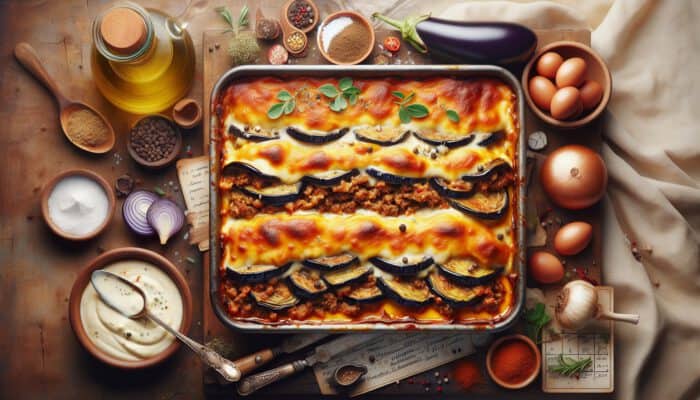
How to Make a Creamy Greek Moussaka: To create a mouthwatering creamy Greek moussaka, select essential components such as eggplant, minced meat, and a luscious creamy béchamel sauce. This combination not only offers a balanced flavour profile but also incorporates spices and dairy, resulting in a rich, layered dish that tantalises the taste buds. If you're catering to specific dietary needs, consider substituting eggplant with zucchini or using lentils instead of meat for a delicious vegetarian alternative that retains the essence of traditional moussaka.
How to Properly Prepare the Vegetables for Optimal Texture
Properly preparing the vegetables is crucial to achieving the desired texture in your moussaka. Begin by slicing the eggplant into even rounds, then sprinkle them with salt to draw out excess moisture, which helps prevent sogginess during cooking. Roasting the potatoes until they are golden enhances their natural flavours and provides a sturdy base for layering. This meticulous preparation ensures that each bite is delightful, with satisfying textural contrasts throughout the dish.
Choosing the Right Meats and Sauces for Maximum Flavour
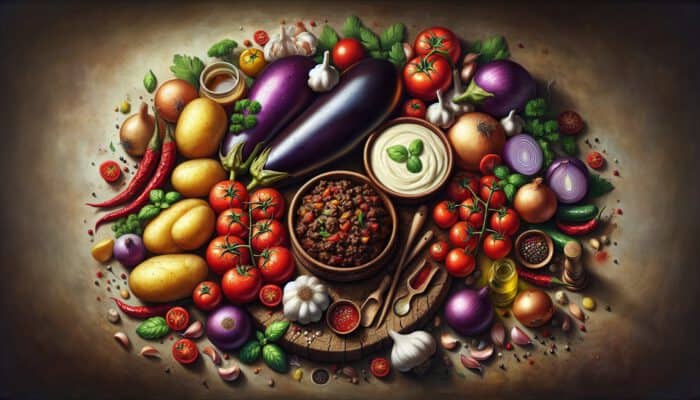
Choosing high-quality ingredients is essential for crafting a satisfying moussaka. Opt for ground lamb or beef, both of which impart a robust flavour that enhances the overall dish. Pair this with a smooth, creamy béchamel sauce for richness, and consider adding aromatic herbs like oregano for added depth. Key ingredients to focus on include:
- Eggplant
- Potatoes
- Ground lamb or beef
- Onions
- Garlic
- Tomato paste
- Béchamel sauce
- Oregano and cinnamon
How Preparation Techniques Enhance the Flavour of Moussaka
What layering techniques can improve the overall taste?
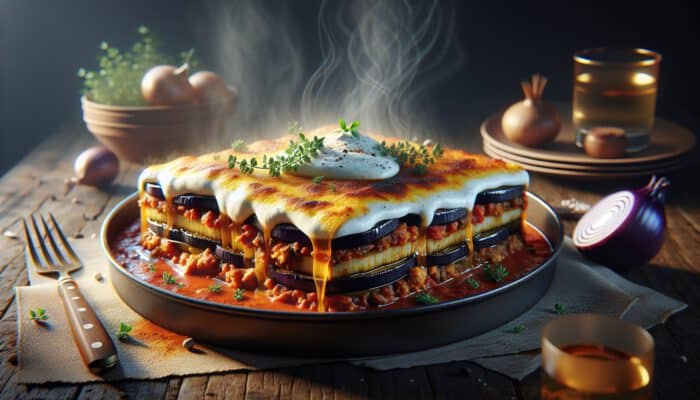
Effective layering is essential for optimal taste distribution in your moussaka. Start by ensuring each layer is evenly spread, allowing the rich flavours to meld beautifully during cooking. Control heat levels to prevent overcooking or burning, and allow the dish to rest after baking. This resting period is vital, as it helps the flavours harmonise, resulting in a deliciously cohesive meal that will impress your family and friends.
How to Brown the Meat Mixture for Rich Aromas
To develop rich aromas and enhance flavour complexity, it’s essential to brown the meat mixture effectively. Start by sautéing the onions and garlic until fragrant, then add the meat. The Maillard reaction will add depth of flavour and help prevent the dish from drying out. Ensure the meat is cooked thoroughly until browned, sealing in the juices to achieve a succulent result that elevates your moussaka.
Why Adding Herbs and Spices is Essential for Taste
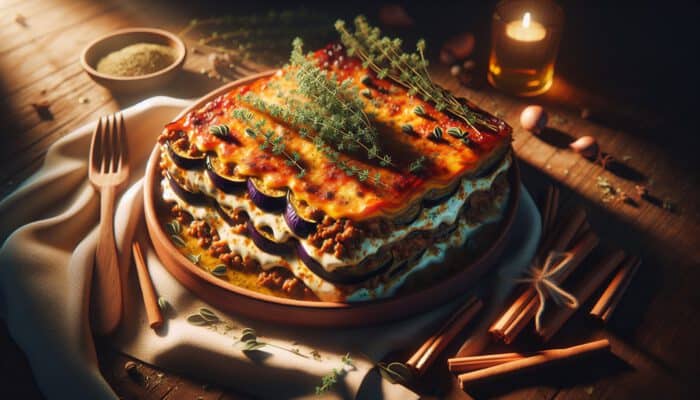
Incorporating a variety of herbs and spices can significantly elevate the overall flavour profile of your moussaka. Use fresh or dried oregano and cinnamon to bring out the dish's Mediterranean essence. These ingredients not only balance the meat's saltiness but also add subtle sweetness, creating a harmonious, complex flavour that will delight the palate and leave a lasting impression.
How Marinating Ingredients Intensify Flavours
Marinating the meats and vegetables before assembly can greatly enhance the dish's flavour profile. A well-crafted blend of herbs, spices, and acids allows the flavours to penetrate deeply, creating a more robust taste experience. Aim for at least 30 minutes to an hour of marinating time; this tenderises the components and builds a more complex, mouthwatering result that becomes evident in the finished dish, making each bite a true delight.
What is the Importance of Balancing Moisture During Preparation?
Maintaining the right moisture levels is essential when assembling your moussaka. Drain excess liquid from your vegetables and ensure that your meat mixture is not overly watery. This prevents the dish from becoming too soupy, allowing flavours to concentrate and harmonise beautifully. This careful attention to moisture balance enhances the taste experience, ensuring each bite is rich and satisfying.
Expert Tips for Creating a Perfectly Creamy Greek Moussaka
How to Achieve the Perfect Creaminess in Béchamel Sauce
Achieving the perfect creaminess in your béchamel sauce involves mastering blending techniques. Start by whisking the butter and flour together to form a smooth roux, then gradually add milk while stirring continuously to prevent curdling. Keeping the temperature consistent is key; too high will create lumps. This careful technique results in the silky texture that defines moussaka, enhancing its overall appeal and ensuring a delightful mouthfeel.
Optimising Baking Times for Perfect Results
When baking your moussaka, optimising both time and temperature is crucial for achieving the desired outcome. Preheat your oven to 180°C (350°F) and aim for a baking duration of approximately 45 minutes to an hour. Monitor the moussaka closely to prevent over-browning; using a foil cover can help lock in moisture while allowing the dish to cook evenly. This careful approach ensures a beautifully baked moussaka every time.
How to Customise Moussaka for Different Preferences
Adapting the moussaka recipe for various dietary preferences can make it more accessible while maintaining its authentic flavours. For a vegetarian option, consider using roasted vegetables, such as zucchini or mushrooms, in place of meat. For those seeking a lighter dish, substitute full-fat dairy with low-fat alternatives in your béchamel sauce. These real-world variations cater to diverse dietary needs while staying true to the essence of creamy Greek moussaka, ensuring everyone can enjoy a delicious meal.
Research-Backed Nutritional Benefits of Creamy Greek Moussaka
What Nutritional Advantages Does Moussaka Offer?
Moussaka is not only a delicious dish but also packs a nutritional punch, as it incorporates a variety of vegetables and proteins. The dish features heart-healthy fats from olive oil and fibre-rich ingredients, contributing to a balanced meal. This combination supports digestive health and provides essential vitamins and minerals, making it a delightful and nourishing option for everyday enjoyment that can easily fit into a healthy diet.
Ensuring Food Safety During the Cooking Process
Food safety is paramount when preparing moussaka. Follow guidelines to handle ingredients safely, such as washing vegetables thoroughly and cooking meat to the correct internal temperature. Adopting proper hygiene and storage practices enhances the overall dining experience, ensuring that your dish is both safe and enjoyable. This attention—this food safety safeguards your health and that of your loved ones.
Why is Presentation Important for Moussaka?
Presentation plays a vital role in the appeal of moussaka. Research indicates that visual factors significantly influence the enjoyment and anticipation of a meal. To enhance presentation, arrange the layers neatly in a baking dish and consider garnishing with fresh herbs or a drizzle of olive oil. This not only adds visual appeal but also entices the palate before the first bite, creating a memorable dining experience.
How Does Moussaka Promote Sustainable Eating Practices?
Moussaka embodies principles of sustainable eating, especially when made with seasonal vegetables and local proteins. Studies show that using fresh, local ingredients reduces carbon footprints and supports dietary choices that benefit both health and the environment. By embracing these practices, you contribute to long-term planetary well-being, promoting sustainability with each delicious bite, all while enjoying a classic dish.
Common Mistakes to Avoid When Making Moussaka
How to Prevent the Dish from Becoming Watery?
Avoiding a watery moussaka begins with effective drainage techniques. Slice eggplant and sprinkle with salt to draw out moisture before cooking. Consider roasting your vegetables before layering to help them retain their structure and prevent excess moisture. This proactive approach ensures a well-textured dish, allowing each layer to shine without compromising the overall integrity of the moussaka.
Overlooking the Importance of Balanced Seasoning
Seasoning is crucial for achieving the right flavour balance in your moussaka. Tasting throughout the cooking process is essential to ensure that all flavours harmonise properly. Uneven salt or spice levels can detract from the dish's creamy essence, leading to an unbalanced final product that fails to impress. This attention to seasoning detail is what sets an average moussaka apart from an extraordinary one.
Why Accurate Timing During Cooking is Essential
Accurate timing during cooking is essential to preserving the integrity of your moussaka. Monitor the baked dish closely to avoid undercooking or burning. By doing so, you ensure a consistently great outcome, with each layer perfectly cooked and melding harmoniously. This careful timing guarantees that your moussaka is not only delicious but also visually appealing.
Storing and Reheating Your Moussaka Effectively
What Methods Keep Moussaka Fresh for Longer?
To keep your moussaka fresher longer, use airtight containers when storing it in the fridge. This not only retains moisture and flavour but also extends the shelf life without compromising quality. It’s advisable to let the dish cool completely before sealing to prevent condensation, ensuring that your moussaka remains delicious and ready to enjoy whenever you desire.
How to Reheat Moussaka for the Best Taste Experience
When reheating moussaka, always use gentle heat, such as a low oven or a microwave. This method ensures the sauce does not separate and the dish warms evenly, allowing you to savour the same delightful experience as when it was freshly made. Proper reheating techniques can make all the difference in maintaining the quality and taste of your moussaka.
Freezing Portions of Moussaka for Future Meals
Freezing moussaka in portions is an effective way to prepare meals for later enjoyment. Ensure that the dish has cooled properly before freezing, and wrap it tightly to prevent freezer burn. This guarantees that when you thaw the moussaka, it maintains its creamy appeal and flavour integrity, making it a convenient option for busy days while still delivering a satisfying meal.
What are the Best Practices for Thawing Frozen Dishes Safely?
Safe thawing of frozen moussaka is crucial for maintaining its quality and preventing bacterial growth. Place frozen dishes in the refrigerator overnight to thaw gradually. This method keeps the dish's texture and flavour intact, ensuring easy reheating later without compromising safety or taste. Practising safe thawing techniques makes meal preparation both simple and worry-free.
Using Vacuum Sealing for Extended Storage of Moussaka
Vacuum sealing is an excellent way to extend the shelf life of your moussaka. By removing air, this technique prevents freezer burn and oxidation, keeping the dish fresh for longer. Whether stored in the fridge or the freezer, vacuum-sealed meals retain their moisture and flavour, ensuring an enjoyable eating experience when reheated. This modern technique is a game-changer for meal prepping and storage.
Frequently Asked Questions About Moussaka
Can I make moussaka ahead of time for convenience?
Yes, you can prepare moussaka ahead of time. Assemble the layers and refrigerate before baking. When you're ready to serve, bake it until heated through, allowing you to enjoy a freshly made meal without the hassle of preparation on the day.
What can I substitute for eggplant if needed?
Zucchini or roasted mushrooms can serve as excellent substitutes for eggplant, providing similar textures and absorbing flavours well. These alternatives can help you create a delicious moussaka while catering to individual preferences.
Is moussaka gluten-free, and how can I make it so?
To make moussaka gluten-free, use rice flour or a gluten-free flour blend for the béchamel sauce instead of regular flour. This modification allows those with gluten sensitivities to enjoy this classic dish without worry.
Can I use a different type of meat in my moussaka?
Absolutely! Ground chicken or turkey can be used instead of lamb or beef for a leaner option while still providing great flavour. This flexibility allows you to cater to dietary preferences and health considerations while enjoying a delicious meal.
How long does moussaka last in the fridge before it needs to be eaten?
Moussaka can be stored in the fridge for up to 3–4 days when kept in an airtight container. This makes it a great option for meal planning, ensuring you have delicious leftovers ready to enjoy.
Can I freeze moussaka for later consumption?
Yes, moussaka freezes well. Portion it into servings and store in airtight containers or vacuum-sealed bags for optimal freshness. This allows you to enjoy a homemade meal even on your busiest days.
What type of wine pairs well with moussaka?
A medium-bodied red wine, such as a Greek Agiorgitiko or a Cabernet Sauvignon, complements the rich flavours of moussaka beautifully. This pairing enhances the overall dining experience, making for a delightful meal.
Is there a vegetarian version of moussaka?
Yes, a vegetarian moussaka can be made using lentils, mushrooms, and a variety of roasted vegetables in place of meat. This adaptation ensures that everyone can enjoy a hearty and satisfying meal.
How do I know when my moussaka is fully cooked?
The moussaka is done when the top is golden brown and bubbling, and a knife inserted into the centre comes out hot. This visual cue ensures that your dish is cooked to perfection and ready to be served.
Can I add extra vegetables to my moussaka for added nutrition?
Certainly! Adding layers of spinach, zucchini, or bell peppers can enhance the flavour and nutritional value of your moussaka. These additions not only enhance health benefits but also create a vibrant, appealing dish.