
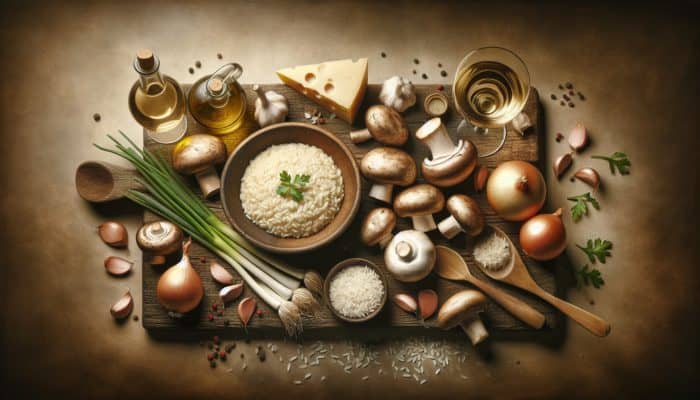
Essential Ingredients for a Decadent Creamy Mushroom Risotto
What types of mushrooms enhance the flavour of risotto?
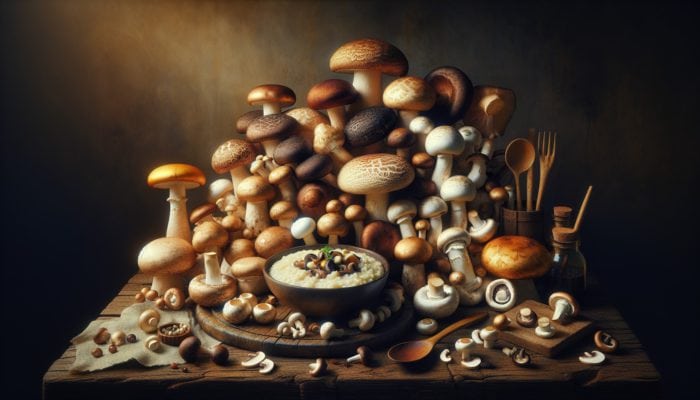
How to Make Creamy Mushroom Risotto: Choosing the right mushrooms is crucial for creating a creamy mushroom risotto that delights the palate. Varieties such as shiitake and cremini are superior choices due to their rich, umami flavours and substantial textures that hold up well during cooking. On the other hand, portobello mushrooms lend an earthy depth that adds complexity to the dish, while button mushrooms provide a subtler, milder taste. Always prioritise freshness; look for firm, unblemished mushrooms that enhance the dish's overall quality. For example, a combination of shiitake and cremini mushrooms can create a multi-layered flavour profile that significantly elevates the risotto experience.
Incorporating mushrooms at the right stage of cooking is essential to preserve their texture and ensure they meld seamlessly with the rice. When sautéed correctly, mushrooms release their natural moisture, contributing to the dish's luscious creaminess while still providing an appealing bite. Always chop mushrooms evenly to promote uniform cooking and ensure each piece is perfectly integrated into the risotto.
Top Rice Variants for Achieving the Ideal Risotto Consistency
Rice selection is a key factor in achieving the velvety texture that defines a well-prepared risotto. The best choices are short-grain, high-starch varieties like Arborio, Carnaroli, and Vialone Nano. These rice types absorb liquids effectively while releasing starch, resulting in a rich, creamy finish. A common misconception is that rinsing rice before cooking is beneficial; however, a gentle rinse can remove excess surface starch, allowing the rice to absorb flavours without becoming overly sticky.
Accurate measurements are vital; typically, one cup of rice per person ensures adequate portions without overcrowding the dish. This precise measurement leads to consistent results every time you prepare your creamy mushroom risotto, making the cooking experience more enjoyable and reliable.
Flavour Enhancers That Take Your Risotto to the Next Level
To truly elevate the taste of your risotto, consider incorporating various flavour enhancers. A pinch of salt with a splash of white wine creates a balanced pairing, providing acidity that complements the mushrooms' earthy flavours. Fresh herbs, such as parsley or thyme, can add depth, while a hint of lemon zest introduces a refreshing brightness. The interaction of these elements during the simmering process is critical; as they meld, they create a harmonious blend that enhances the overall dish.
The timing of adding these components is crucial; for instance, incorporating herbs towards the end of cooking preserves their vibrant flavour, whereas adding wine at the start allows it to reduce and infuse the risotto with depth. This strategic layering of flavours results in a well-rounded dish that tantalises the taste buds.
How to Effectively Prepare the Base for Risotto?
Effective Steps for Sautéing Aromatics
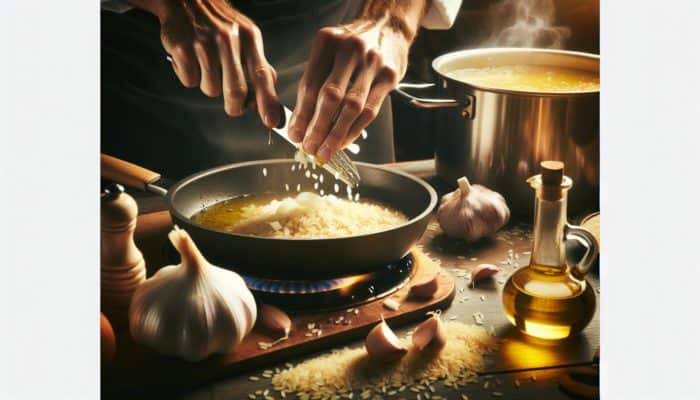
The backbone of any exceptional risotto lies in the aromatics. Start by finely chopping a medium onion and several cloves of garlic. Sauté them gently in olive oil over medium heat until they become translucent and fragrant, being careful not to let them brown, as this can impart a bitter taste. This gentle cooking technique builds a flavourful foundation that enhances the overall profile of the risotto.
Once the aromatics are perfectly sautéed, it’s time to add your rice. The key is to ensure the grains are well-coated in olive oil and infused with onion and garlic flavours, creating a rich base for the creamy mushroom risotto. Stirring frequently will prevent the rice from sticking and guarantee even cooking, setting the stage for a delicious final product.
Why is Stock Essential in the Cooking Process?
Utilising stock is vital for achieving the desired creaminess in your risotto. The stock not only adds moisture but also infuses the rice with flavour during cooking. A well-made stock enhances the dish's overall taste, resulting in a more satisfying outcome without the need for excessive stirring, which can adversely affect the texture.
When preparing your risotto, add the stock gradually, allowing the rice to absorb it slowly. This method prevents the dish from becoming overly wet and ensures that the grains remain al dente. For optimal results, choose homemade stock or a premium-quality alternative that enhances the depth and richness of the final dish.
Techniques for Adding Wine or Alternatives to Enhance Flavour

Integrating wine into your risotto can significantly elevate its flavour, providing acidity and complexity. Choose a dry white wine, such as Sauvignon Blanc or Pinot Grigio, and add it after toasting the rice. This step deglazes the pot, lifting any stuck bits and enriching the overall flavour.
- Pour the wine in a steady stream.
- Stir constantly to combine it with the rice.
- Allow the wine to evaporate before gradually adding stock.
- Consider alternatives like vegetable or chicken broth for added depth.
- Use a splash of lemon juice if you prefer to omit wine.
- Experiment with sherry or vermouth for a unique twist.
This method not only ensures even flavour distribution but also enhances the creamy texture, resulting in a luxurious risotto that will impress any palate. Remember, patience is essential; allowing the wine to fully incorporate before adding stock guarantees a well-balanced dish.
The Importance of Toasting Rice for Enhanced Flavour
Toasting the rice is a vital step that significantly enhances the nutty aroma and flavour of the final dish. Once your aromatics are ready, add the rinsed rice to the pot and gently stir it in the oil for a few minutes. This process helps to release the rice's natural starches, contributing to a creamy texture as it cooks. The light golden hue that develops during toasting adds a layer of flavour.
While toasting, keep the heat low to prevent the rice from burning. Stir continuously, ensuring that each grain is coated with the aromatic oil. This step is essential to authentic risotto, as it ensures even cooking and prevents clumping, resulting in a beautifully creamy final dish. The gentle toasting process sets the stage for a rich and flavourful risotto that truly shines.
Expert Insights on Crafting the Perfect Creamy Mushroom Risotto
Best Practices for Achieving Creaminess in Risotto
To achieve that coveted creamy texture in mushroom risotto, focus on the stirring techniques and timing throughout the cooking process. Frequent stirring helps the rice release its starch, which is critical to achieving a velvety consistency. Opt for a wide, flat-bottomed pot to ensure even stirring and heat distribution for optimal results.
Controlling the heat is equally important; maintain a gentle simmer rather than a vigorous boil. This slow-cooking method ensures the stock is absorbed gradually, resulting in a creamy finish without overcooking the rice. Once cooked, allow the risotto to rest for a few minutes before serving; this resting period allows the flavours to meld and enhances the overall texture, ensuring a luxurious dining experience.
Common Mistakes When Integrating Mushrooms into Risotto
Incorporating mushrooms into your risotto can pose challenges if not executed correctly. One of the most common mistakes is uneven chopping; larger pieces may cook differently, disrupting the dish's overall texture. Aim for uniform slices to ensure even cooking and smooth integration. Additionally, timing is paramount; adding mushrooms too late can result in loss of flavour, while adding them too early can lead to a mushy texture.
A great technique is to sauté the mushrooms separately before adding them to the risotto. This method allows you to achieve the desired texture and caramelisation of their flavour. Once sautéed, gently fold them into the caramelisation to preserve their integrity and ensure a satisfying bite. With these adjustments, you can elevate your mushroom risotto while preserving the essence of each ingredient.
Advanced Tips for Elevating the Flavour of Risotto
For those looking to refine their creamy mushroom risotto further, subtle adjustments can enhance the dish's overall flavour profile. One effective method is to vary the fat ratio; incorporating a blend of butter and olive oil can create a richer mouthfeel while balancing the flavours. Additionally, experimenting with reductions, such as balsamic glaze or a concentrated mushroom stock, can intensify the umami experience.
Another advanced technique involves infusing your stock with herbs or aromatics during simmering, such as adding bay leaves or thyme sprigs. At the same time, heating can impart a depth of flavour that beautifully complements the mushrooms. This attention to detail transforms a simple risotto into a gourmet experience, showcasing your culinary expertise and understanding of flavour dynamics.
What Tools Are Necessary for Crafting Risotto?
How to Select the Right Cookware for Risotto?
Choosing the appropriate cookware is essential for consistent results when making creamy mushroom risotto. A heavy-bottomed pot or pan enables even heat distribution, minimising sticking or burning. Opt for a wide, shallow saucepan; this shape allows for better stirring and minimises liquid evaporation, contributing to the dish's creamy texture.
Materials such as stainless steel or enamelled cast iron are excellent choices, as they heat evenly and retain warmth effectively. Avoid non-stick pans, as they can hinder the natural starch release from the rice, ultimately affecting the creamy finish. By investing in high-quality cookware, you set the stage for successful risotto preparation and an enjoyable cooking experience.
Essential Utensils for Stirring and Serving Risotto
Using the right cooking utensils is crucial to achieving the perfect creamy risotto. A sturdy wooden spoon is ideal for stirring, allowing you to mix the rice without damaging the grains. The wooden material also conducts heat less effectively, helping you maintain control while stirring.
Other useful tools include a ladle for gradually adding stock and a heat-resistant spatula for scraping the sides of the pot to release any stuck grains. For serving, consider using a large spoon or a pasta serving fork; these tools can help scoop and plate the risotto elegantly, ensuring each portion is visually appealing. The right utensils can significantly improve the ease and success of your risotto-making experience.
Measuring Tools for Precise Portions
Accurate measurement is vital for achieving a consistently delicious creamy mushroom risotto. Using precise measuring tools, such as digital scales and measuring cups, helps ensure accurate ingredient proportions, leading to consistent results every time. For example, measuring rice and stock accurately prevents watery or overly thick risotto, ensuring a creamy consistency.
- Digital kitchen scale for precise ingredient measurements.
- Measuring cups for rice and liquid.
- Liquid measuring jug for accurate stock portions.
- Use tablespoons and teaspoons for accurate seasoning.
- Oven thermometer for checking optimal cooking temperatures.
- Instant-read thermometer for checking doneness.
Having these tools on hand makes the cooking process smoother and more efficient, ensuring that your creamy mushroom risotto is consistently delicious and perfectly textured. By prioritising accuracy, you enhance your culinary proficiency and boost your confidence in the kitchen.
Research-Backed Benefits of Making Creamy Mushrooms: Prioritising the Nutritional Benefits of Key Ingredients
Creating a creamy mushroom risotto not only delights the taste buds but also offers numerous nutritional advantages. Mushrooms are a powerhouse of nutrients, providing essential vitamins, minerals, and dietary fibre. They are particularly rich in B vitamins, such as riboflavin and niacin, which are crucial for energy metabolism and overall health. Meanwhile, rice provides sustained energy, making it an excellent base for a balanced meal.
This combination of ingredients promotes satiety and satisfaction, making mushroom risotto a wholesome option that accommodates various dietary preferences. The inclusion of high-quality stock further enhances the dish's nutritional profile, providing additional minerals and flavours without unnecessary calories. Overall, creamy mushroom risotto is not only a culinary delight but also a nourishing choice for mindful eating.
How Does This Dish Encourage Healthy Eating Habits?
The versatility of mushroom risotto significantly contributes to its ability to support healthy eating habits. This dish can be easily customised to various dietary needs, allowing the incorporation of more vegetables, lean proteins, or plant-based alternatives. For instance, adding seacustomisedtables such as asparagus or peas boosts the nutritional value while adding colour and flavour.
Moreover, preparing risotto at home gives individuals control over the ingredients and cooking methods, encouraging a focus on whole, fresh foods. This emphasis on home-cooked meals supports mindful consumption and helps individuals develop a deeper appreciation for their food choices, ultimately fostering healthier eating habits.
Long-Term Enjoyment from Homemade Versions
Repeatedly preparing creamy mushroom risotto not only enhances cooking skills but also fosters an appreciation for culinary practices. As individuals become more adept at making this dish, it can evolve into a staple in their cooking repertoire. The process of making risotto encourages experimentation with different flavours and techniques, leading to a greater understanding of cooking principles.
This hands-on experience builds confidence in the kitchen, empowering individuals to explore their creativity while honing their culinary skills. Over time, homemade risotto transforms from a meal into a connection to food and cooking traditions, enriching one’s culinary journey and enhancing overall enjoyment.
Potential Weight Management Benefits of Mushroom Risotto
Incorporating creamy mushroom risotto into a balanced diet may support weight management. Given that mushrooms are low in calories yet high in fibre, they promote a sense of fullness, reducing the likelihood of overeating. The combination of fibre-rich rice and nutrient-dense mushrooms creates a satisfying dish that supports portion control.
Research suggests that meals high in fibre increase satiety, making it easier to adhere to a healthy eating plan. When incorporated into a balanced diet, mushroom risotto can support weight-loss efforts by providing a nutrient-dense, comforting meal that satisfies cravings without excessive calorie intake.
How to Serve and Store Risotto Effectively?
What Garnishes Can Enhance Presentation?
To elevate the visual appeal of creamy mushroom risotto, consider adding garnishes that enhance both taste and presentation. Fresh herbs, such as finely chopped parsley or chives, add a pop of colour and freshness, complementing the earthy tones of the mushrooms. Shavings of Parmesan cheese add a touch of elegance and enhance umami, creating a delightful contrast with the creamy texture of the risotto.
Other options include a drizzle of high-quality olive oil or a sprinkle of toasted pine nuts for added crunch. These garnishes not only enhance the dish's aesthetics but also provide additional layers of flavour and texture, making the risotto more inviting at mealtime. By thoughtfully selecting garnishes, you can transform a simple dish into a gourmet experience.
Tips for Proper Storage Techniques
To maintain the quality of your creamy mushroom risotto, proper storage techniques are essential. Allow any leftovers to cool to room temperature before transferring them to an airtight container. This helps prevent condensation, which can lead to soggy rice. It's advisable to store risotto in the refrigerator for up to three days, ensuring you can enjoy it later without compromising quality.
If you plan to freeze the risotto, consider portioning it into smaller containers to make reheating easier. When freezing, be mindful that the texture may change slightly upon thawing, but the flavours will remain intact. By following these storage tips, you can enjoy your creamy mushroom risotto for up to 3 days after initial preparation, reducing waste and supporting efficient meal planning.
Why is Timing Critical in Serving Risotto?
Timing is crucial when serving creamy mushroom risotto, as it directly impacts the dish's warmth and texture. Risotto is best enjoyed immediately after cooking, as it retains its creamy consistency when served fresh. Allowing the dish to sit for too long can cause it to thicken and lose its optimal texture, resulting in a less enjoyable dining experience.
To mitigate this, have all serving dishes ready before the risotto finishes cooking to ensure a seamless transition from stove to table. By prioritising, you can enhance the overall enjoyment of the dish, inviting guests to savour the luxurious creaminess and rich flavours of your mushroom risotto.
Prioritising Risotto
When serving creamy mushroom risotto, consider pairing it with accompaniments that enhance the overall dining experience. Fresh salads provide a refreshing contrast, while grilled vegetables add depth and flavour, complementing the richness of the risotto. Lean proteins, such as grilled chicken or fish, elevate the meal's nutritional content and create a satisfying balance of flavours and textures.
For a more indulgent experience, consider serving the risotto alongside a glass of white wine or a light, fruity beverage. These pairings create a cohesive dining experience, making your creamy mushroom risotto an inviting meal that appeals to diverse tastes and preferences.
How to Reheat Stored Risotto Safely?
Reheating stored creamy mushroom risotto requires caution to restore its creamy consistency while ensuring food safety. The best method is to gently reheat it on the stove over low heat, adding a splash of stock or water to restore its texture. Stir frequently to prevent sticking and ensure even heating.
If using a microwave, transfer the risotto to a microwave-safe dish and add a few tablespoons of stock to maintain creaminess—heat in short intervals, stirring in between until heated through. Regardless of the method, ensuring that the risotto is piping hot throughout is essential to avoid foodborne risks while preserving its delightful flavours.
Common Mistakes to Avoid When Making Risotto
How Can Overcooking Be Prevented?
Overcooking is a common issue in risotto, resulting in a mushy, unappetising dish. To prevent tunappetising, monitor both the temperature and the stirring rate. Keeping the heat at a gentle simmer allows for controlled cooking and appetising absorption of stock, which is crucial for achieving the desired texture. Stirring regularly helps distribute heat evenly and promotes starch release without breaking down the rice grains.
- Start with a low heat and gradually increase as needed.
- Test the rice for doneness periodically.
- Remove from heat once it reaches al dente.
- Allow the risotto to rest for a few minutes before serving.
By implementing these monitoring strategies, you can ensure a perfectly cooked risotto that retains its creamy texture and delightful bite, elevating your culinary experience.
Errors in Balancing Seasoning
A common mistake when making risotto is the imbalance of seasoning. Over-salting can overpower the delicate flavours of the mushrooms and other ingredients. It's crucial to taste incrementally: add salt gradually and adjust to your preference. Consider the saltiness of your stock, as it will influence the dish's overall seasoning.
Incorporating acidic components, such as lemon juice or vinegar, can also enhance the flavour profile and balance the dish's richness. By being mindful of your seasoning, you'll create a well-rounded risotto that highlights the nuances of each ingredient without overwhelming the palate.
Forgetting to Rest the Dish Before Serving
One often-overlooked step in the risotto-making process is allowing the dish to rest after cooking. Skipping this step can lead to a rushed final product that lacks depth and complexity. Resting the risotto for a few minutes allows the flavours to meld and the texture to settle, resulting in a more enjoyable dining experience.
During this resting period, the starches continue to thicken, enhancing the creaminess. Additionally, the flavours have time to develop, creating a more cohesive dish. Allowing your risotto to rest ensures a luxurious, satisfying experience for you and your guests.
Using the Wrong Rice Variety for Risotto
Using the incorrect rice can significantly hinder your risotto's success. Choosing long-grain rice instead of high-starch, short-grain options like Arborio can prevent proper starch release, resulting in a lacklustre texture. The rice varieties used in risotto are selected for their ability to absorb liquid and release starch, creating the signature creaminess.
Always opt for the correct rice to ensure the best results. A common error is using leftover rice or other ingredients, which can compromise the dish's integrity. By selecting high-starch options, you promote a creamy, satisfying risotto that is truly delightful.
Neglecting the Use of Quality Stock
Overlooking the importance of high-quality stock can result in bland, uninspiring risotto. Good stock imparts essential flavour and moisture, elevating the overall dish. Homemade stock is often the best option, allowing you to control the seasoning and ingredients used. However, if homemade isn't available, opting for premium store-bought stock can still make a significant difference.
Using low-quality or overly salty stock can undermine your efforts, leading to a risotto that lacks depth and character. Always use fresh, flavourful ingredients to enhance the dish and deliver a satisfying culinary experience by prioritising quality. You'll be prioritising comfort. You'll find the most commonly Asked Questions.
Can I use other types of rice for risotto?
Yes, prioritising is he most common choice; you can also use Carnaroli or Vialone Nano for similar results. Avoid long-grain or basmati rice, as they won't yield the same creamy texture.
Can I make risotto in advance?
Yes, you can prepare it in advance and reheat it later. However, risotto is best served fresh for optimal creaminess. If making ahead, store it properly and reheat with a splash of stock.
What can I substitute for wine in risotto?
If you prefer not to use wine, you can substitute it with vegetable broth, a splash of lemon juice, or even apple cider vinegar for acidity without the alcohol.
How do I know when the rice is done?
The rice should be al dente—tender but still slightly firm to the bite. Taste a grain during cooking to check for doneness.
Can I add other vegetables to my risotto?
Absolutely! Seasonal vegetables like peas, spinach, or asparagus can be added to enhance flavour and nutrition. Ensure they're cooked to the correct tenderness before adding.
Is risotto gluten-free?
Yes, risotto made with Arborio rice is naturally gluten-free, making it a suitable option for those with gluten sensitivities or celiac disease.
Can I freeze leftover risotto?
Yes, you can freeze leftover risotto. Portion it into airtight containers and store it for up to three months. Please note that the texture may change slightly upon reheating.
What’s the best way to reheat risotto?
The best method is to reheat on the stove over low heat, adding a bit of stock or water to restore creaminess. Stir frequently to ensure even heating.
How can I make my risotto creamier?
To make your risotto creamier, use high-starch rice, add stock gradually, and stir frequently. Adding a knob of butter or a sprinkle of grated cheese at the end can also enhance creaminess.
Can I make risotto vegan?
Yes, you can easily make a vegan version of risotto by using vegetable stock and omitting cheese. Nutritional yeast can be added for a cheesy flavour without dairy.



I really enjoyed this breakdown of mushroom varieties for risotto! It’s fascinating how something as simple as choosing the right kind of mushroom can elevate a dish to new heights. I’ve experimented with different mushrooms in my risotto before, and I’ve found that combining shiitake and cremini really does create that wonderful umami flavor you mentioned. It makes such a difference in terms of depth.