Mastering the Essentials of Roasting Pans
What Are the Most Common Materials Used in Roasting Pans?
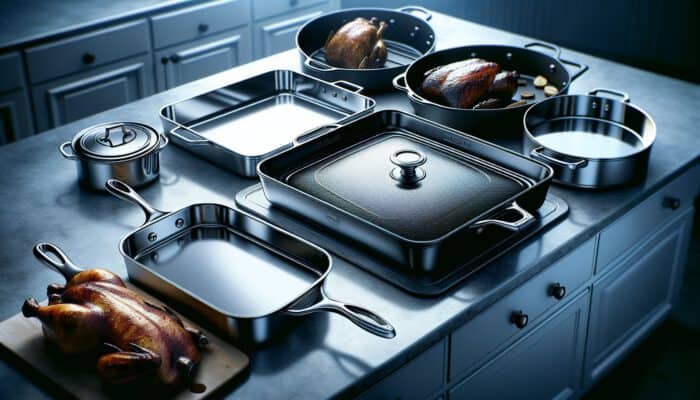
How to Pick the Right Roasting Pan: When selecting a roasting pan, it is crucial to understand the diverse range of materials available, as each offers distinct benefits. Common options include stainless steel, cast iron, aluminium, and ceramic. Each of these materials has unique heat-distribution properties and durability, making them suitable for various cooking methods. For instance, stainless steel pans are celebrated for their resilience and ability to distribute heat efficiently, while cast iron excels at retaining heat, making it ideal for slow-roasting techniques. A prime example of stainless steel in action is the All-Clad roasting pan, renowned for its exceptional performance in both home kitchens and professional settings. On the flip side, ceramic pans provide a non-reactive surface that is perfect for marinated meats, enhancing the overall flavour without modifying the acidity. By understanding these materials, you can make an informed choice that optimises cooking results tailored to your culinary needs.
What Key Factors Determine the Durability of Roasting Pans?
Choosing a roasting pan that withstands the test of time necessitates a thorough evaluation of several essential factors. The construction quality is of utmost importance; a well-crafted pan typically features thicker-gauge materials that resist warping at high heat. Furthermore, look for features such as non-warping rims and reinforced handles, as these indicate a pan's durability. Resistance to wear is also critical; consider pans that can endure metal utensils without scratching. To assess build quality, inspect the pan's weight—heavier options generally indicate sturdiness and longevity. Additionally, check for warranty options offered by manufacturers, which reflect their confidence in the product's durability. By focusing on these factors, you can select a roasting pan that performs reliably across a wide range of culinary adventures.
How to Choose the Right Size and Capacity for Your Roasting Pan?
Selecting the appropriate size and capacity for your roasting pan is fundamental to achieving optimal cooking results. Roasting pans are available in various sizes to suit different meal preparations, ranging from intimate family dinners to lavish feasts for larger gatherings. For example, a large rectangular pan can accommodate a whole turkey or several servings of vegetables. In contrast, a smaller oval pan may be just right for a roast chicken. Ensuring that your pan dimensions correspond to your specific needs enhances cooking efficiency and flavour infusion. Moreover, consider your oven space; an excessively large pan may not fit properly, while one that is too small can lead to overcrowding, affecting cooking times and results. By assessing your typical meal sizes, you can select a roasting pan that aligns perfectly with your culinary ambitions.
How Does Size Impact Your Choice of Roasting Pan?

Why Is Selecting the Right Size So Important?
The size of your roasting pan plays a significant role in cooking outcomes, particularly in achieving even cooking. A pan that is too small can lead to overcrowding, which hampers heat circulation and results in uneven cooking and compromised textures. Conversely, an oversized pan may cause food to be underexposed, leading to dried-out edges. When determining the right size, consider the type of meal you plan to prepare and the number of servings required. By using a pan that fits your meal, you ensure that each component receives adequate heat, leading to enhanced flavour and texture. Additionally, selecting a size that maximises space efficiency in your oven helps prevent cooking mishaps, allowing for a seamless and enjoyable cooking experience.
What Common Sizing Mistakes Should You Avoid?
Many home cooks often fall prey to common sizing mistakes when selecting their roasting pans, which can result in disappointing culinary outcomes. One frequent error is underestimating the necessary size for a large cut of meat, which can lead to overflow and spills. Similarly, choosing a pan that is overly large for smaller dishes can result in uneven heating and overcooked edges. To sidestep these pitfalls, measure your food before selecting a pan and carefully consider its dimensions. Here is a list of key pitfalls to be vigilant about:
- Choosing a pan that is too small for large cuts of meat.
- Using excessively large pans that cause uneven cooking.
- Ignoring the limitations of your oven space.
- Neglecting to account for side dishes when preparing meals.
By staying aware of your cooking needs and the dimensions of your dishes, you can select the ideal pan to enhance your culinary results.
How to Balance Size with Your Storage Needs?
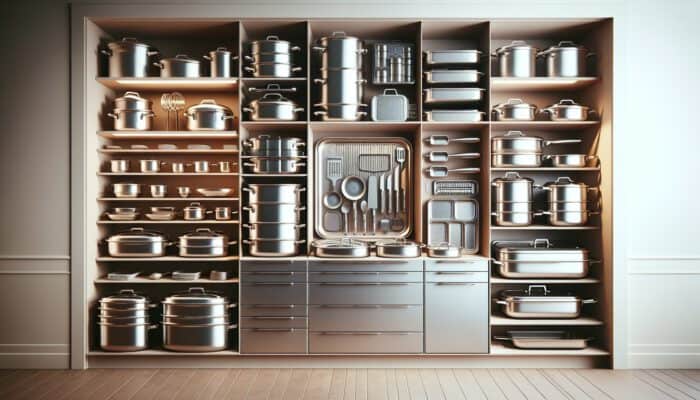
In addition to cooking considerations, integrating pan size with your kitchen storage capabilities is crucial for maintaining an organised space. Roasting pans, especially larger models, can occupy significant cupboard space, so it is wise to choose sizes that optimise both functionality and organisation. Consider opting for pans that are stackable or designed for easy nesting, as this can significantly free up valuable storage. Carefully evaluate your kitchen layout—if space is limited, a versatile oval or rectangular pan that performs well across multiple recipes may be the best choice. By balancing size with your cooking habits and storage limitations, you can keep your kitchen clutter-free and efficient.
Expert Insights on Selecting the Best Material for Your Roasting Pan
What Key Properties Contribute to Optimal Roasting Pan Performance?
Selecting the appropriate material for your roasting pan is essential for achieving optimal cooking performance. Important properties include heat retention, conductivity, and responsiveness to temperature changes. For instance, cast iron excels at heat retention, making it ideal for slow-roasting meats, while aluminium pans heat quickly and evenly, which is perfect for rapidly cooking vegetables. Understanding how these materials interact with different heat sources, such as conventional ovens versus induction cooktops, can significantly influence your choice. Furthermore, consider your cooking frequency; frequent use may necessitate a durable material like stainless steel, which offers longevity and consistent results. By analysing these properties, you can select a pan that aligns with your culinary goals and cooking style.
How Can You Effectively Test Material Quality?
Assessing the quality of materials used in roasting pans is vital for ensuring safety and performance in your cooking. One effective method is to perform a visual inspection; look for any signs of defects, such as uneven seams or discolouration. Additionally, check for weight; heavier pans often indicate higher quality due to thicker construction. Another technique involves testing the pan’s conductivity by heating it with a small amount of water; if the water heats evenly, the material is likely of good quality. Furthermore, consider checking for non-reactive properties to ensure that flavours remain pure during cooking. Evaluating these attributes will help you identify high-quality roasting pans that can enhance your cooking experience.
What Are the Long-Term Benefits of Investing in Quality Materials?
Investing in high-quality materials for your roasting pan pays dividends over time. Superior materials, such as heavy-gauge stainless steel or cast iron, not only enhance cooking performance but also reduce the requirement for frequent replacements. This translates to long-term savings and minimises waste, aligning with sustainable kitchen practices. Quality pans also tend to require less maintenance; for instance, non-stick surfaces reduce the need for heavy scrubbing, preserving the material's integrity. Additionally, durable materials often provide better heat distribution, leading to consistently excellent cooking results. By prioritising quality in your roasting pan selection, you ensure that your kitchen tools stand the test of time and enhance your culinary efforts.
What Environmental Considerations Should Be Made in Material Selection?
The ecological impact of cookware materials is an increasingly important consideration for environmentally conscious consumers. Many traditional materials have significant environmental footprints, from sourcing to manufacturing. For example, opting for recycled materials, such as aluminium or sustainably sourced wood, can minimise environmental harm while still providing excellent performance. Furthermore, consider selecting brands that prioritise eco-friendly practices in their production lines. This includes not only the materials themselves but also packaging and overall sustainability initiatives. Balancing performance, cost, and ecological impact ensures that your cookware choices align with your values, creating a positive cooking environment that is both functional and ethically sound.
What Are the Benefits of Different Roasting Pan Shapes?
How Do Different Shapes Affect Cooking Outcomes?
The shape of a roasting pan can greatly influence cooking outcomes, primarily in terms of heat circulation and flavour distribution. For example, rectangular pans provide large surface areas that are ideal for roasting, enabling even heat distribution and effective browning. In contrast, oval pans are well-suited for larger cuts of meat, allowing better airflow around the food and ensuring it cooks evenly. The choice of shape can also affect the caramelisation of juices, with the right pan concentrating flavours and enhancing the overall taste of dishes. By understanding how different shapes affect cooking outcomes, you can select a roasting pan that optimally supports your culinary creations.
Which Shapes Are Most Popular for Versatile Cooking?
Versatility in shape is a significant factor when selecting a roasting pan, as it determines the pan's ability to handle a wide range of recipes. Rectangular pans are the quintessential choice for roasts, as they accommodate larger items like turkeys or multiple servings of vegetables. Oval pans, while also suitable for larger cuts of meat, allow for better heat circulation due to their rounded edges. Here’s a list of shape-specific advantages for cooking:
- Rectangular: Ideal for larger cuts of meat and multiple servings.
- Oval: Better airflow for even roasting of large items.
- Square: Efficient for smaller roasts or casseroles.
- Round: Excellent for baking and smaller roasting tasks.
By choosing a shape that caters to a range of culinary tasks, you maximise your investment and culinary creativity.
How to Customise Roasting Pan Shapes for Your Personal Needs?
Customising the shape of your roasting pan to fit your unique cooking style is essential for maximising efficiency in meal preparation. Consider your typical cooking habits: if you often roast large quantities, an oval or large rectangular pan may serve you best. Alternatively, if you frequently prepare smaller meals or side dishes, a shallow rectangular or square pan might be more suitable. Tailoring shape choices not only aligns with your cooking preferences but also enhances ease of meal preparation. Additionally, investing in a range of shapes allows you to experiment with various dishes, expanding your culinary repertoire while ensuring a seamless cooking experience.
How Do Shapes Influence Storage and Space Efficiency?
In Australian kitchens, where space is often at a premium, the shape of your roasting pan plays a critical role in storage efficiency. Compact shapes, such as oval or square pans, often fit snugly into cupboards or stack neatly with other cookware, significantly reducing clutter. This is especially beneficial in kitchens with limited cabinet space, allowing you to maximise your organisation without sacrificing functionality. Moreover, opting for pans designed for easy stacking can streamline your cooking area, enabling quick access to the tools you need while keeping your kitchen aesthetic appealing. By choosing shapes that facilitate efficient storage, you create a practical cooking environment conducive to creativity and ease.
What Shapes Enhance Safety and Handling in Roasting Pans?
Safety and handling are paramount considerations when choosing a roasting pan, particularly for family-oriented Australian households. Ergonomically designed shapes that offer secure grips and stable bases can significantly reduce the risk of accidents during cooking. For instance, pans with deep handles or heat-resistant grips provide better control when transferring hot dishes from the oven to the countertop. This is particularly important when handling heavier items, such as a roasted turkey, where balance and stability are vital. Prioritising shape options that enhance handling and safety not only protects the cook but also contributes to a more enjoyable cooking experience for everyone involved.
Research-Backed Benefits of Proper Roasting Pan Maintenance
What Essential Care Routines Promote Longevity?
Maintaining your roasting pan is critical for ensuring its longevity and preserving its cooking performance. Evidence-based methods suggest that proper cleaning routines can significantly extend the lifespan of cookware. Begin by allowing your pan to cool properly after use before cleaning; this helps maintain the material's integrity. Regularly using mild detergents and soft sponges can prevent scratches while keeping the surface clean. Store your pans carefully to avoid stacking them in a manner that may cause damage. Furthermore, consider using a seasoning routine for cast-iron pans to preserve their non-stick properties and prevent rust. Following these actionable steps will help you maintain your roasting pan in peak condition for years to come.
What Signs Indicate Wear and Tear in Your Roasting Pan?
Recognising signs of wear and tear in your roasting pan is essential for maintaining performance and safety in your cooking tasks. Common indicators include scratches, discolouration, and warping—each can signal a decline in the pan's integrity. Additionally, if food begins to stick to the surface despite proper maintenance, it may indicate that the coating is deteriorating. Regularly inspecting your pans for these signs allows for early detection and timely replacement, ensuring that you continue to achieve excellent cooking results. By remaining vigilant about the condition of your pans, you can uphold safety and performance standards in your kitchen.
How to Integrate Maintenance into Your Cooking Routines?
Incorporating maintenance practices into your regular cooking routine can significantly enhance the durability of your roasting pans. Backed by various studies, regular upkeep not only prolongs the life of cookware but also improves performance in cooking tasks. For instance, adopting the practice of cleaning your pans immediately after use prevents baked-on residues that can be harder to remove later. Additionally, establishing a cleaning schedule or reminders for seasonal deep cleaning can help you stay on top of maintenance. These strategies not only extend the lifespan of your pans but also save you money over time by reducing replacement frequency. By seamlessly integrating care practices, you ensure that your cooking tools remain reliable and effective.
Key Features to Evaluate When Choosing a Roasting Pan
What Handle and Grip Features Enhance Safety?
When evaluating handles and grips on roasting pans, safety must be a foremost consideration. Ergonomic designs significantly enhance safe handling during high-heat cooking, reducing kitchen accidents. Look for pans with robust, heat-resistant handles that provide a secure grip. Handles that are riveted rather than glued offer added durability and stability, particularly when lifting heavier pans. Additionally, consider the angle and size of the handles; broader handles can provide better leverage, making it easier to manoeuvre large roasts safely. By focusing on these features, you ensure a safer cooking experience while enhancing your overall efficiency in the kitchen.
What Are the Pros and Cons of Non-Stick Versus Traditional Coatings?
The choice between non-stick and traditional coatings on roasting pans is pivotal, significantly affecting ease of use and cleanup. Non-stick surfaces are designed to reduce sticking, making them particularly advantageous for delicate dishes or for those who prefer minimal cleanup after cooking. However, it is crucial to consider health implications, as some non-stick coatings may release harmful chemicals at high temperatures. Traditional coatings, such as stainless steel or cast iron, offer durability and can develop a natural non-stick patina over time with proper care. When selecting your pan, weigh the convenience of non-stick options against the durability and safety of traditional materials to choose a pan that aligns with your cooking practices.
How to Check for Even Heating in Your Roasting Pan?
Even heating is crucial in achieving consistent results when roasting various foods. To verify uniform heat distribution in a roasting pan, several techniques can be employed. One method involves conducting a water test; fill the pan with a small amount of water and heat it—observe if the water heats evenly across the surface. Another approach is to place a sugar or salt layer in the pan and roast it; if it caramelises uniformly, your pan likely distributes heat evenly. Additionally, you can use an infrared thermometer to check temperature consistency across different areas of the pan. By employing these testing methods, you can select a roasting pan that ensures even cooking and enhances your culinary results.
- Conduct a water test for heat distribution.
- Roast sugar or salt to observe even caramelisation.
- Use an infrared thermometer for precise checks.
- Monitor cooking results over multiple uses.
How to Match Your Roasting Pans to Recipes?
What Recipe Types Are Best Suited for Specific Pans?
Matching roasting pans to the recipes you prepare is vital for optimising flavour and texture. Certain pans are inherently better suited for specific dishes; for example, deep roasting pans are ideal for hearty meats, allowing for proper heat circulation and browning. Conversely, shallow pans are perfect for vegetable roasting, as they expose more surface area to heat, promoting caramelisation. Furthermore, consider the size and shape of the pan when matching recipes—larger roasts may require a rectangular pan, while smaller cuts can be cooked effectively in an oval or square pan. By aligning your pans with the types of recipes you frequently prepare, you enhance your cooking efficiency and elevate the quality of your meals.
How to Adapt Roasting Pans for Dietary Needs?
Catering to dietary needs often requires thoughtful adaptations in cookware selection, particularly for roasting pans. When preparing low-fat options, consider using pans that facilitate healthy cooking methods, such as non-stick pans that reduce the need for added fats. Additionally, ceramic or glass pans enable healthier roasting without compromising flavour, as they promote even cooking and prevent harmful reactions. When adapting pans for special diets, it is essential to evaluate how different materials and coatings interact with specific ingredients to ensure you can achieve desired health outcomes while enjoying delicious meals. By choosing pans that support your dietary needs, you create a cooking environment that aligns with your health goals.
How to Experiment with Pan-Recipe Pairings?
Experimentation is key in refining cooking methods and discovering optimal pan-recipe combinations. Testing various roasting pans with different recipes lets you gauge how each combination affects the overall results, from flavour to texture. For instance, utilising a cast ircast-ironr a rich beef roast can yield results that differ significantly from those achieved with a stainless steel option. Consider documenting your trials; note the outcomes to identify which combinations work best for your culinary style. This approach not only enhances your cooking knowledge but also encourages creativity, leading to new culinary discoveries that can elevate your dining experiences.
How Do Pan Materials Enhance Recipe Results?
The materials used in your roasting pan can profoundly affect the results of various recipes. For example, stainless steel pans are renowned for their ability to develop a rich fond, enhancing sauces and gravies when roasting meats. Additionally, non-stick coatings facilitate the cooking of delicate items, such as fish, ensuring that they retain their structure and flavour without sticking to the pan. When selecting a pan, consider how the material interacts with cooking methods; for instance, cast iron is excellent for achieving a perfect sear on meats while providing even heat distribution throughout the cooking process. By choosing the right materials, you can maximise the potential of your recipes, ensuring that each dish reaches its full flavour and texture potential.
What Is the Best Way to Select Pan Sizes for Different Recipe Scales?
Determining the appropriate pan size for your recipes is essential, especially when catering to different scales, from intimate meals to larger gatherings. For smaller dishes or side servings, a compact roasting pan allows for efficient cooking without overcrowding, ensuring even results. Conversely, when preparing larger roasts or multiple items, a spacious rectangular pan is ideal, offering ample room for heat circulation. It is vital to consider the number of servings and the specific requirements of each recipe to select the right size. By matching pan sizes to your recipe scales, you ensure consistent quality and efficiency in your everyday cooking, enhancing your culinary experience.
Trusted Strategies for Final Selection of Roasting Pans
What Budget Considerations Should You Keep in Mind?
When selecting a roasting pan, budget considerations play a significant role in ensuring value without compromising quality. It is crucial to weigh the cost against features and durability; investing in a higher-quality pan may often yield better long-term results, ultimately saving you money on replacements. Look for options that balance affordability with essential features, such as heat retention and construction quality. Additionally, consider seasonal sales or discounts, as this can provide opportunities to acquire high-quality pans at lower prices. By thoughtfully navigating your budget, you can find a roasting pan that delivers reliable performance while remaining within your financial means.
How to Leverage Reviews and Recommendations When Selecting Pans?
User feedback is an invaluable tool in the decision-making process for selecting the right roasting pan. Pay attention to reviews that highlight performance across different cooking scenarios, as they often provide insights into durability, usability, and overall satisfaction. Resources such as cooking forums, social media groups, and dedicated culinary websites can offer recommendations from individuals who have tested various products. Look for common themes in feedback—pans that consistently receive praise for their performance and reliability are likely worth considering. By leveraging user experiences, you can make informed choices that lead to successful culinary outcomes.
How to Conduct Trials Before Finalising Your Pan Selection?
Before committing to a final roasting pan selection, it can be beneficial to conduct trials to confirm suitability. Testing selected pans in real cooking scenarios allows you to evaluate performance, from heat distribution to ease of handling. Consider borrowing pans from friends or family, or purchasing options with flexible return policies, so you can so thatthem out in your own kitchen. This hands-on approach ensures long-term satisfaction and effective use in your daily routines, helping you confidently choose pans that meet your culinary needs. By prioritising practical trials, you can select roasting pans that truly enhance your cooking experience.
Frequently Asked Questions (FAQs)
What Size Roasting Pan Do I Need for a Turkey?
For a turkey weighing between 12 and 14 pounds, a roasting pan that is at least 16 inches long and 12 inches wide is recommended. This size ensures enough space for even cooking and allows for proper heat circulation.
Can I Use a Non-Stick Roasting Pan in High Temperatures?
While many non-stick roasting pans can withstand moderate temperatures, always check the manufacturer's guidelines. Most non-stick coatings are not recommended for temperatures above 450°F (232°C), as they may release harmful fumes.
How Do I Clean My Cast Iron Roasting Pan?
To clean a cast-iron roasting pan, avoid soap; instead, scrub with hot water and a stiff brush. For tough residues, use coarse salt as an abrasive. Always dry thoroughly and apply a thin layer of oil to prevent rust.
What Is the Best Material for Roasting Pans?
The best material often depends on your cooking style: Stainless steel offers excellent heat conduction and durability, while cast iron is ideal for heat retention. Aluminium is lightweight and conducts heat well, making it suitable for many recipes.
Are There Roasting Pans That Are Dishwasher Safe?
Many stainless steel and non-stick roasting pans are dishwasher safe; however, always verify the manufacturer's instructions. Avoid placing cast-iron pans in the dishwasher, as this can strip their seasoning.
How Long Should I Roast Vegetables in a Pan?
Generally, vegetables should be roasted at 400°F (204°C) for about 20 to 30 minutes, depending on their type and size. Stirring halfway through ensures even cooking.
Can I Use My Roasting Pan for Baking?
Yes, many roasting pans are versatile enough to handle baking tasks, provided they are made of materials that can withstand higher temperatures. Use them for dishes like gratins or baked pasta.
What Is the Difference Between a Roasting Pan and a Baking Dish?
Roasting pans typically have higher sides and are designed for meats, while baking dishes are shallower and versatile for a variety of dishes, including casseroles and desserts.
How Do I Ensure My Roasting Pan Heats Evenly?
To ensure even heating, choose a pan with a heavy base and consider conducting tests, such as roasting sugar or water, to check for a uniform temperature distribution.
What Should I Look For in a Roasting Pan Handle?
When selecting a roasting pan, look for handles that are heat-resistant, ergonomically designed for a secure grip, and reinforced for durability to ensure safe handling, especially when lifting heavy dishes.