

Mastering the Essentials of Microwave Cooking
What is the Concept of Microwave Cooking?
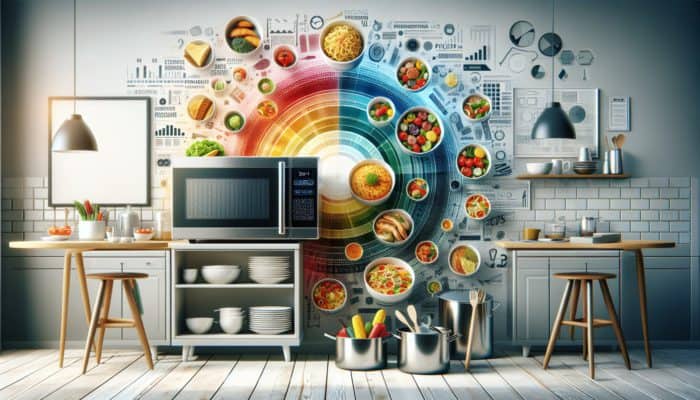
How to Use a Microwave for Real Meals: Microwave cooking uses electromagnetic waves to rapidly heat food, making it a widely favoured method of meal preparation worldwide. This cooking style appeals greatly to those with hectic schedules who still desire the pleasure of home-cooked meals. The microwave is a multifunctional kitchen appliance, adept at not only reheating leftovers but also cooking a wide range of dishes from scratch.
The prominent advantages associated with microwave cooking encompass:
- Speed: Meals can be ready in mere minutes, drastically reducing cooking time compared to conventional methods.
- Energy Efficiency: Microwaves use less energy than traditional ovens, making them an environmentally responsible option.
- Retention of Nutrients: Microwave cooking retains more vitamins and minerals, particularly in vegetables, than boiling or frying.
- Flexibility: The microwave accommodates a range of tasks, from defrosting to full meal preparation.
- Less Mess: Cooking with a microwave generally requires fewer utensils, streamlining cleanup.
- Convenience: The ability to quickly cook or reheat food makes the microwave ideal for those on the go.
Microwave cooking not only simplifies meal preparation but also fosters creativity in the kitchen, encouraging experimentation with flavours and techniques.
How Does a Microwave Function?
Microwaves function by exciting the water molecules contained in food. When food is placed in the microwave and activated, it emits electromagnetic waves at approximately 2.45 GHz. These waves induce vibrations in the water molecules, generating heat. Consequently, food cooks from the inside out, contrasting with traditional cooking methods that rely on heat transfer from the surface.
This heating technique promotes even cooking, though it is essential to observe certain precautions to avoid cold spots. Stirring food at intervals is vital to ensure all portions reach the desired temperature. Moreover, using a microwave-safe container can reduce risks and improve cooking efficiency. A solid grasp of this fundamental principle behind microwave operation can greatly enhance your culinary outcomes.
What Are the Safety Guidelines for Microwave Usage?
Safety is of utmost importance when operating a microwave oven. To ensure a safe cooking experience, several essential guidelines should be followed. Always opt for microwave-safe containers composed of glass, ceramic, or specific plastics designed for microwave usage. Steer clear of metallic containers or materials that may spark.
Another crucial guideline is to avoid overheating liquids, as this can lead to superheating, where water becomes extremely hot without boiling. This scenario can result in explosive boil-overs when disturbed. To achieve even heating and reduce the risk of burns, it is advisable to stir food periodically during cooking.
Remember to cover your food to prevent splattering, and let it rest for a minute after microwaving to allow the heat to distribute evenly. Following these guidelines not only enhances safety but also improves the overall cooking experience.
What Are the Different Types of Microwave Ovens?

Various types of microwave ovens exist, each with unique features to meet different cooking needs. Understanding these types can help you select the one that best fits your culinary preferences.
1. Solo Microwaves: These are the most fundamental models intended mainly for reheating and defrosting food. They are ideal for individuals who require basic microwave functions without extra features.
2. Grill Microwaves: In addition to standard microwave capabilities, grill microwaves can also cook and brown food using a grilling element. This feature is perfect for achieving crispy textures on meats and vegetables.
3. Convection Microwaves: These versatile appliances merge microwave technology with convection heating, allowing for baking, roasting, and grilling. They circulate hot air to ensure even cooking temperatures.
4. Over-the-Range Microwaves: These units serve dual purposes as space-saving kitchen appliances that fit above the stove while often incorporating built-in ventilation systems.
Identifying the right type of microwave for your kitchen can optimise your cooking efficiency and unlock a plethora of culinary possibilities.
What Are the Common Techniques in Microwave Cooking?
Microwave cooking involves a variety of techniques that can significantly enhance your culinary skills. Understanding these methods can greatly improve your efficiency in the kitchen.
Defrosting is one of the most common uses for a microwave, enabling you to thaw frozen meats and other ingredients quickly. The defrost function generally involves entering the food's weight and following the microwave's prompts.
Reheating is another fundamental technique that can be executed effectively by covering food and using a lower power setting to avoid overcooking. This approach ensures that the food heats evenly without drying out.
Cooking specific dishes, such as steamed vegetables or microwaveable rice, can add versatility to your microwave usage. Steaming vegetables in a covered dish with a small amount of water cooks them rapidly while preserving their nutrients and vibrant colour.
Incorporating these techniques into your cooking routine can expand your meal preparation capabilities, enabling you to create a diverse array of dishes quickly and effectively.
Optimising Ingredients for Microwave Cooking
How to Select the Best Ingredients?

Choosing appropriate ingredients for microwave cooking is essential for achieving delectable results. Fresh vegetables, lean proteins such as chicken and fish, and grains like quinoa or rice are ideal for microwave cooking. The moisture content of ingredients significantly influences their cooking success; those with higher moisture content typically yield better results.
When selecting vegetables, choose varieties that steam well, such as broccoli, carrots, and spinach. Lean meats such as chicken breasts or fish fillets cook quickly and can be seasoned or marinated for additional flavour. Grains should be precooked or designed for microwave use to ensure even cooking.
Considering cooking times is also vital. For instance, denser vegetables require longer cooking times than softer varieties. By selecting ingredients that align with microwave cooking principles, you can effortlessly create nutritious and delicious meals.
How to Prepare Ingredients for Quick Cooking?
Properly preparing ingredients is crucial for ensuring rapid, even cooking in the microwave. Cutting ingredients into uniform sizes promotes consistent cooking results. For instance, chopping vegetables into similar-sized pieces guarantees that they all cook at the same rate, preventing some from becoming overcooked while others remain undercooked.
Precooking or partially cooking certain ingredients can significantly shorten overall cooking times. For example, steaming broccoli for a few minutes before adding it to a rice dish can enhance the overall texture and flavour of the meal.
When preparing ingredients, consider the following tips for different food types:
- Vegetables: Wash and cut into even pieces; add a small amount of water for steaming.
- Meats: Trim excess fat and cut into manageable portions to ensure even cooking.
- Grains: Rinse before cooking; use microwaveable packets for quick results.
- Fruits: Peel and slice for even cooking; consider adding spices for enhanced flavour.
By dedicating time to preparing your ingredients thoughtfully, you can maximise efficiency and ensure outstanding results in your microwave cooking efforts.
What Are the Ideal Containers for Microwave Use?
Using the appropriate containers can significantly influence your microwave cooking success. Microwave-safe materials are specifically designed to withstand the heat generated within the microwave without melting or releasing harmful chemicals.
Glass and ceramic containers are excellent choices as they distribute heat evenly and are generally safe for microwave use. Some plastics are microwave-safe, but always check the label for suitability. Avoid metal containers or foil, as they can cause sparks or damage the appliance.
When choosing containers, consider their size and shape. Shallow, wide dishes facilitate faster cooking and easier stirring, while covered containers help retain moisture and prevent splattering. By selecting the right containers for your microwave cooking, you can enhance both the safety and quality of your meals.
Expert Advice on Maximising Microwave Cooking for Real Meals
What Techniques Do Professional Chefs Recommend?
Professional chefs often provide valuable insights into microwave cooking that can elevate your culinary experience. One commonly recommended technique is to use lower power settings for extended periods. This approach prevents overcooking and ensures that delicate foods cook evenly without becoming tough or dry.
Covering food during cooking is another essential tip. By retaining moisture, chefs ensure that dishes remain succulent and flavourful. For instance, when cooking fish, placing a lid or a microwave-safe wrap over the dish can create a steaming effect that enhances flavour while preventing it from drying out.
Real-world examples of chef-recommended microwave dishes include:
- Steamed asparagus: Cooked in a covered dish with a splash of water for a few minutes.
- Microwave risotto: Combining rice, broth, and vegetables in a microwave-safe bowl.
- Breakfast burritos: Wrap them in foil and heat in the microwave to retain moisture.
- Chocolate molten cake: Prepared in a mug for a quick dessert.
Incorporating these chef-recommended techniques into your microwave cooking can help you achieve restaurant-quality results in the comfort of your home.
How to Achieve Professional-Quality Results with a Microwave?
Achieving gourmet results using a microwave is entirely feasible with the right approach. It all begins with the quality of your ingredients; using fresh, high-quality produce, meats, and grains will dramatically affect the final dish's flavour and presentation.
Precision in timing is crucial. Since microwaves can vary, experimenting with different power levels and cooking times is essential to find the perfect balance for each dish. For example, when preparing a delicate seafood dish, start at a lower power setting and closely monitor the cooking process to achieve the best results.
Actionable steps for gourmet microwave cooking include:
- Use Fresh Ingredients: Opt for seasonal fruits and vegetables for optimal flavour.
- Season Generously: Marinate or season your proteins and vegetables adequately before cooking.
- Experiment: Try various combinations of ingredients to uncover new flavours.
- Monitor Cooking: Regularly check food to avoid overcooking and ensure even heating.
By applying these strategies, you can transform simple microwave cooking into an impressive culinary experience.
What Common Mistakes Should Be Avoided in Microwave Cooking?
Microwave cooking is not without its pitfalls. Some common mistakes can lead to disappointing results, but awareness can help you avoid them. A frequent error is overcooking food, which can render it tough and unappetising. Close monitoring of cooking times is vital.
Another mistake is relying solely on high power settings for all types of food. Delicate items benefit from lower power settings, while heartier dishes may require higher levels. It is crucial to tailor your approach to the specific food you are cooking.
Using inappropriate containers can result in accidents and compromised food quality. Always ensure that the containers you use are microwave-safe and purpose-designed.
Expert analysis of common microwave cooking errors reveals the following:
- Overcooking: Keep a close watch on cooking times to prevent tough food.
- Uneven Heating: Stir food midway through cooking to ensure even temperatures.
- Wrong Containers: Avoid metal and non-microwave-safe materials.
- Ignoring Steam: Allow foods to rest after cooking to retain moisture.
By avoiding these common mistakes, you will enhance your microwave cooking experience and improve your meal results.
Cooking Techniques Tailored for Various Meal Types
How to Cook Vegetables Effectively in the Microwave?
Cooking vegetables in the microwave is an excellent way to preserve their nutrients and vibrant colours. Steaming is a particularly effective method because it retains the produce's natural flavours and health benefits. To steam vegetables in the microwave, place them in a covered dish with a small amount of water.
Cooking times can vary depending on the type and size of the vegetables. For example, broccoli florets typically take 3-4 minutes, while carrots may take 5-6 minutes.
Here’s a bullet list of cooking times for various vegetables:
- Spinach: 2-3 minutes
- Green beans: 4-5 minutes
- Potatoes (diced): 8-10 minutes
- Bell peppers: 3-4 minutes
- Cauliflower: 5-6 minutes
- Asparagus: 4-5 minutes
Covering the dish prevents moisture from escaping, allowing for even cooking. Additionally, avoid overcrowding the dish, as this can lead to uneven results. By leveraging these techniques, you can quickly and effortlessly prepare delicious, nutrient-rich vegetables.
How to Prepare Proteins in the Microwave?
Cooking proteins such as chicken, fish, and eggs in the microwave can be both quick and efficient. When preparing lean meats, such as chicken breasts or fish fillets, it is crucial to use a covered microwave-safe dish to retain moisture, prevent splattering, and ensure even cooking.
To enhance flavour and tenderness, consider marinating your proteins beforehand. Simple marinades can include olive oil, lemon juice, garlic, and herbs, which infuse the meat with delightful flavours during cooking.
Using a microwave-safe thermometer can also help check doneness, especially for chicken, which should reach an internal temperature of 75°C (165°F) for safe consumption.
Here are some practical tips for cooking proteins:
- Use even-sized pieces to ensure uniform cooking.
- Cover dishes to trap steam and retain moisture.
- Let cooked proteins rest for a few minutes to allow juices to redistribute.
- Experiment with cooking times based on the thickness of the protein.
With these techniques, you can prepare tender and flavourful proteins in the microwave, making mealtime a breeze.
How to Create One-Pot Meals in the Microwave?
One-pot meals are a fantastic way to enjoy a complete and satisfying dish with minimal effort. The microwave is perfect for this cooking style, allowing you to combine proteins, vegetables, and grains into a single dish. This method not only saves time but also simplifies the cooking process and cleanup.
To create a one-pot meal, start by layering your ingredients in a microwave-safe dish. For instance, you might begin with a base of rice or quinoa, add a selection of chopped vegetables, and top it off with your choice of protein. To enhance flavours, consider adding broth, spices, or sauces.
Experimenting with different combinations can lead to exciting new meals. Here are some examples of one-pot meals you can create:
- Chicken and vegetable stir-fry with rice and soy sauce.
- Quinoa salad with black beans, corn, and diced tomatoes.
- Microwave risotto with mushrooms and spinach.
- Vegetable stew with lentils and spices.
By utilising the microwave's capabilities for one-pot meals, you can achieve a satisfying culinary experience without the fuss.
Quick and Efficient Microwave Recipes
What Are Some Quick Breakfast Ideas?
Microwave cooking can revolutionise your breakfast routine, transforming your mornings from rushed to relaxed. Quick breakfast options such as microwave oatmeal, scrambled eggs, and breakfast burritos can be prepared in just minutes, allowing you to kick-start your day without delay.
Microwave oatmeal is a wholesome choice, providing a hearty start to your day. Mix oats with water or milk in a microwave-safe bowl and heat for about two minutes. Add toppings like fruits, nuts, or honey for extra flavour.
For a protein boost, scrambled eggs can be effortlessly made by whisking eggs in a microwave-safe mug and cooking for 1-2 minutes, stirring halfway through.
Here are some healthy breakfast options that can be prepared in minutes:
- Microwave poached eggs: Cook in a bowl of water for 1-2 minutes.
- Fruit and yogurt parfaits: Layer yogurt with fruits and granola.
- Microwave pancakes: Quick single-serving pancakes made in a mug.
- Breakfast burritos: Wrap precooked ingredients in a tortilla and heat them.
By incorporating these microwave breakfast ideas, you can enjoy nutritious meals with minimal time commitment.
How to Create Lunch and Dinner Solutions?
The versatility of the microwave extends to lunch and dinner, providing quick and convenient solutions for busy individuals. From reheating leftovers to preparing fresh meals, the microwave can cater to a variety of culinary needs.
For lunch, consider reheating last night’s dinner, such as a pasta dish or casserole. Alternatively, simple microwave recipes such as stuffed peppers or microwave risotto can offer satisfying, healthy meal options.
When preparing a balanced dinner, focus on combining protein, vegetables, and grains in one dish. For example, a quick stir-fry with chicken, mixed veggies, and rice can be ready in about 10 minutes.
Here are some microwave meal ideas:
- Stuffed bell peppers with quinoa and black beans.
- Microwave risotto with chicken and peas.
- Vegetable and chicken stir-fry over rice.
- Microwave shepherd’s pie layered with mashed potatoes.
Utilising these microwave solutions can streamline your meal preparation, allowing you to enjoy delicious, balanced meals effortlessly.
What Are Some Easy Snacks and Desserts?
Microwave cooking isn’t just for meals; it can also yield quick and delicious snacks and desserts. From microwave mug cakes to popcorn, the possibilities are endless for satisfying your cravings with minimal effort.
Microwave mug cakes are particularly popular, allowing you to indulge in a sweet treat without extensive baking. These one-serving cakes can be made in just a few minutes using basic ingredients, making them perfect for a quick dessert.
Popcorn is another classic microwave snack that’s incredibly easy to prepare. Place microwave popcorn bags in the microwave and follow the instructions for a tasty treat.
Here are some easy microwave snack and dessert recipes:
- Microwave mug cake: Combine flour, sugar, cocoa, and milk in a mug.
- Popcorn: Use microwave popcorn bags or loose kernels in a bowl.
- Nachos: Layer tortilla chips with cheese and toppings and heat.
- Fruit crumble: Combine sliced fruit with a sprinkle of sugar and microwave.
By using a microwave to cook snacks and desserts, you can satisfy your cravings without much time investment.
Research-Backed Advantages of Using a Microwave for Real Meals
How Does Microwave Cooking Preserve Nutritional Value?
Research indicates that microwave cooking can retain more nutrients than some traditional cooking methods, especially for vegetables. When steamed in the microwave, vegetables retain higher levels of vitamins and minerals than when boiled or fried. This method minimises exposure to heat and water, which can leach nutrients from foods.
For instance, steaming broccoli in the microwave can preserve up to 90% of its vitamin C content, whereas boiling can diminish it by nearly 50%. This nutrient retention is crucial for maintaining a balanced diet rich in essential vitamins.
Expert analysis reveals that microwave cooking not only simplifies meal preparation but also safeguards nutritional integrity. By embracing this cooking method, you can enjoy meals that are both delicious and health-conscious.
What Are the Energy Efficiency Benefits of Using a Microwave?
Microwaves are inherently energy-efficient, consuming less energy than conventional ovens because of their design and cooking method. They heat food quickly, reducing overall energy consumption. In a world increasingly focused on sustainability, using a microwave aligns with eco-friendly kitchen practices.
To maximise energy efficiency with a microwave, consider the following steps:
- Cook in batches to lower energy use per meal.
- Use the microwave for reheating instead of conventional ovens.
- Cover dishes to retain heat and cook food more efficiently.
- Select microwave-safe containers that promote even cooking.
By adopting these practices, you can enjoy the benefits of quick meal preparation while contributing to a more sustainable lifestyle.
How Does Microwave Cooking Enhance Time Management?
Microwave cooking serves as a time-saver, enabling individuals and families to prepare meals quickly. This is particularly beneficial for those with busy lifestyles who juggle work, family, and other commitments.
For instance, a microwave can streamline meal prep by allowing you to cook multiple components of a meal simultaneously. While vegetables steam, you can prepare grains or proteins, significantly reducing overall preparation time.
Real-world examples illustrate how microwave cooking can improve time management. Many working professionals rely on microwaves to quickly heat leftovers or prepare one-pot meals, making weeknight dinners considerably less stressful.
What Is the Versatility of Microwave Cooking?
Microwaves offer remarkable versatility in cooking methods, extending far beyond reheating. They can be used for various techniques, including steaming, poaching, and even baking. This adaptability enables cooks to explore a wide range of recipes and culinary styles.
Highlighting different recipes that showcase the microwave's versatility can inspire creativity in the kitchen. For example, you can prepare:
- Steamed fish with herbs and vegetables.
- Microwave-baked potatoes topped with your choice of ingredients.
- Poached eggs in a simple water bath.
- Quick microwave brownies for dessert.
By embracing the versatility of microwave cooking, you can expand your culinary repertoire and enjoy a diverse array of real meals.
Cleaning and Maintaining Your Microwave Effectively
How to Clean the Interior of Your Microwave?
Maintaining a clean microwave is essential for both hygiene and functionality. Regularly wiping down the interior with a damp cloth helps prevent food buildup and unpleasant odours. For stubborn stains or lingering smells, a steam cleaning method using water and vinegar can work wonders.
To steam clean your microwave, fill a microwave-safe bowl with water and a splash of vinegar, then run the microwave on high for 5-10 minutes. The steam will loosen any residue, making it easier to wipe down the surfaces.
Consider these effective methods for deep cleaning your microwave:
- Use lemon water: Microwave a bowl of water with lemon slices to neutralise odours.
- Vinegar solution: A mixture of vinegar and water can help cut through grime.
- Soft cloth or sponge: Use non-abrasive materials to avoid scratching surfaces.
- Frequent maintenance: Wipe down the interior after heavy use to prevent buildup.
By incorporating these cleaning techniques into your routine, you can keep your microwave in top condition and extend its lifespan.
How to Maintain the Exterior of Your Microwave?
Keeping the exterior of your microwave clean enhances its appearance and prevents dirt and fingerprints from accumulating. Regular cleaning is essential for maintaining a polished look in your kitchen.
To clean the exterior, use a mild cleaner and a soft cloth. Avoid abrasive pads that can scratch the surface. Pay particular attention to buttons and handles, which often gather grime.
Additionally, placing the microwave in a well-ventilated area helps dissipate heat during operation. Over time, neglecting exterior maintenance can lead to a worn-out appearance and potential functionality issues.
What Are Common Troubleshooting Steps for Microwave Issues?
Every appliance can encounter problems, and microwaves are no exception. If your microwave isn’t heating properly, the first step is to check the door seal; ensure it’s not damaged or obstructed. A faulty door seal can prevent the appliance from functioning efficiently.
Other common issues may include unusual noises, inconsistent heating, or the microwave not turning on at all. In such cases, consulting the user manual can provide troubleshooting steps specific to your model.
Here’s a bullet list of common microwave problems and their solutions:
- Microwave not heating: Check the door seal and test the power source.
- Inconsistent heating: Stir the food periodically to ensure even cooking.
- Unusual noises: Examine the turntable and ensure it is properly aligned.
- Microwave turns off unexpectedly: Inspect the vents for blockages.
By understanding these potential issues, you can address them quickly and maintain your microwave's efficiency.
Advanced Tips for Mastering Microwave Cooking
How to Use the Right Power Levels?
Utilising the appropriate power settings is vital for achieving optimal results in microwave cooking. Different foods require varying power levels to achieve the ideal texture and doneness. Generally, lower power levels are better for delicate items, while higher settings are suitable for reheating or cooking tougher foods.
For instance, when cooking fish, a lower setting allows for gentle cooking, preventing it from becoming tough or rubbery. Conversely, when reheating soups or stews, a higher power setting can quickly heat the food without compromising its overall quality.
To determine the best power level for your dish, consider experimenting with the following guidelines:
- 50% power: Ideal for defrosting and cooking delicate items.
- 70% power: Suitable for reheating leftovers or cooking grains.
- 100% power: Best for boiling water or cooking dense foods.
- Custom settings: Adjust based on your microwave’s specific capabilities.
By mastering power levels, you can achieve consistent and delicious results in your microwave cooking.
How to Combine Microwave Cooking with Other Techniques?
For complex dishes, consider pairing microwave cooking with other methods, such as grilling or baking. This hybrid approach can enhance flavours and textures, leading to a more satisfying culinary experience. For instance, you can start by partially cooking a roast in the microwave and finish it off on the grill for a smoky flavour and appealing char.
This technique is particularly useful for time-sensitive recipes, allowing you to achieve gourmet results without significantly extending cooking times.
Examples of combined cooking techniques include:
- Microwave-baked potatoes finished on the grill for crispy skin.
- Steamed vegetables cooked in the microwave and then sautéed with herbs.
- Partially microwaved casseroles that are finished in the oven for a golden top.
- Microwave-poached chicken, then grilled for added flavour.
By exploring these methods, you can elevate your cooking and create more dynamic meals.
How to Experiment with New Recipes in the Microwave?
Don’t hesitate to experiment with new recipes and techniques in the microwave. This willingness to try new ideas can lead to delicious discoveries and expand your cooking repertoire. The flexibility of microwave cooking allows for quick adjustments, enabling you to refine your techniques as you progress.
Start by modifying traditional recipes to suit microwave cooking. For example, you can adapt a baking recipe to create microwave brownies or transform a conventional stir-fry recipe into a one-pot microwave version.
Here are some tips for successful experimentation:
- Start with simple recipes and gradually increase complexity.
- Document cooking times and adjustments for future reference.
- Incorporate seasonal ingredients for enhanced flavour.
- Encourage feedback from family and friends to refine your dishes.
By embracing experimentation, you can unlock new flavours and textures that make microwave cooking a rewarding and enjoyable experience.
Maximising the Potential of Your Microwave
What Other Uses Can a Microwave Have Beyond Cooking?
Microwaves can be used for far more than just cooking meals. They are versatile tools that can assist with a variety of kitchen tasks. From defrosting frozen items to softening butter, the microwave can simplify many culinary processes.
For example, if you need softened butter for baking, you can microwave it for a few seconds to reach the desired consistency. Additionally, microwaves can be great for proofing dough, as the gentle warmth effectively activates yeast.
Here are some unconventional uses for a microwave:
- Defrosting meat or frozen vegetables quickly.
- Soften cream cheese or butter for easy mixing.
- Proofing yeast dough for baking.
- Reheat coffee or tea to your desired temperature.
By utilising these alternative functions, you can make the most of your microwave and simplify various cooking tasks.
How to Reheat Food Effectively Using a Microwave?
Reheating food in the microwave can sometimes be tricky, but with a few techniques, you can ensure that your meals are heated evenly without drying out. The key to effective reheating is to use lower power settings to gradually warm food while covering it to retain moisture.
For instance, when reheating pasta, place a damp paper towel over the dish to help keep it moist, and heat in short intervals, stirring in between. This prevents hot spots and ensures that the food is heated evenly throughout.
Here’s a bullet list of tips for reheating various types of food:
- Soups: Cover and heat in intervals, stirring frequently.
- Casseroles: Cover with a microwave-safe lid and heat evenly.
- Meats: Use low power and let rest for a minute after reheating.
- Vegetables: Add a splash of water and cover to maintain moisture.
By following these guidelines, you can reheat your leftovers effectively, ensuring they taste just as good as when they were first cooked.
How to Integrate Microwave Cooking into Your Daily Routine?
Incorporating microwave cooking into your daily routine can significantly streamline meal preparation. This appliance can be used for quick meals, snacks, and even meal prep, offering convenience for busy individuals and families.
Consider dedicating specific times during your day to microwave cooking, such as preparing quick breakfasts or reheating lunches. By planning and using the microwave strategically, you can save valuable time without sacrificing quality.
For example, consider microwaving grains or proteins in batches and storing them in the fridge for easy access later in the week. This can facilitate quick meals by combining precooked ingredients for a nutritious dinner.
Here are some strategies for making microwave cooking a regular part of your routine:
- Prepare meal components ahead of time to simplify dinner prep.
- Use the microwave for quick snacks between meals.
- Encourage family involvement in planning microwave meals.
- Experiment with new recipes to keep meals exciting.
By making microwave cooking an integral part of your routine, you can enjoy quick, delicious meals with ease.
Frequently Asked Questions
Can I Use Metal Containers in the Microwave?
No, metal containers should not be used in the microwave as they can cause sparks and potentially damage the appliance. Always opt for microwave-safe glass, ceramic, or certain plastics.
How Do I Prevent Food from Drying Out in the Microwave?
To prevent food from drying out, cover it with a microwave-safe lid or wrap, and consider adding a small amount of water to create steam during cooking.
What Is the Best Way to Cook Rice in the Microwave?
To cook rice in the microwave, combine one part rice to two parts water in a microwave-safe bowl, cover, and cook on high for about 10-12 minutes, stirring halfway.
Can I Microwave Eggs in Their Shell?
No, microwaving eggs in their shell can cause them to explode due to steam buildup. Instead, crack them into a bowl and whisk before microwaving.
What Should I Do If My Microwave Is Making Strange Noises?
If your microwave is making strange noises, check for loose items inside, ensure the turntable is properly aligned, and consult the user manual for troubleshooting steps.
Is It Safe to Reheat Food Multiple Times in the Microwave?
While it is generally safe to reheat food multiple times, it is best to reheat only what you intend to consume to maintain quality and minimise the risk of foodborne illness.
How Can I Check If My Food Is Heated Properly in the Microwave?
Use a food thermometer to ensure meats reach the appropriate internal temperature (75°C/165°F). Stirring and allowing food to rest after reheating can also help ensure even heating.
What Types of Food Cook Best in the Microwave?
Foods that cook best in the microwave include vegetables, lean meats, grains, and precooked meals. Foods with high moisture content tend to yield the best results.
Can I Bake in the Microwave?
Yes, you can bake in the microwave using microwave-safe baking dishes. Many recipes, such as mug cakes, are designed for microwave cooking.
What Are Some Quick Snacks to Prepare in the Microwave?
Quick snacks include microwave popcorn, mug cakes, cheese nachos, and steamed vegetables. These are convenient options that can be prepared in just a few minutes.



You’ve provided a thoughtful overview of microwave cooking, highlighting its practicality in today’s fast-paced world. I find it particularly interesting how the shift towards more accessible cooking methods reflects broader societal changes, especially as more people embrace flexible work schedules and seek quick yet nutritious meal options.