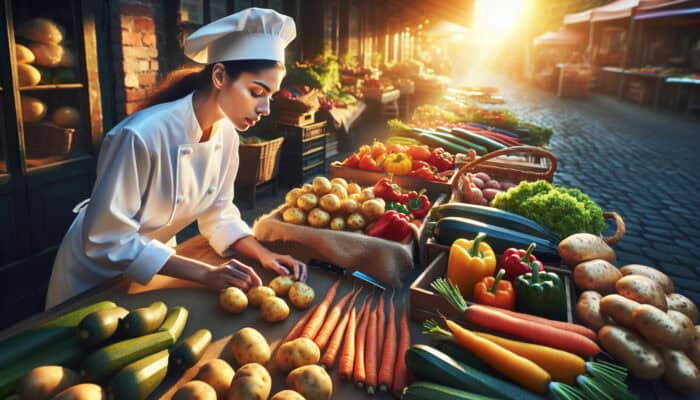
Choosing the Ideal Vegetables for Roasting
What types of vegetables work best for roasting?
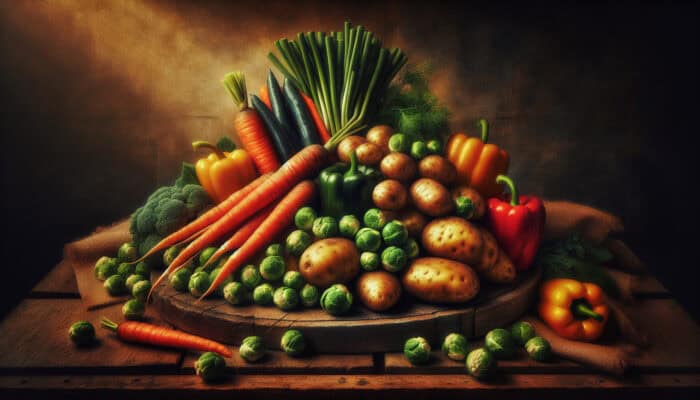
Top Tips for Roasting Vegetables Evenly: Selecting the right vegetables is crucial for achieving evenly roasted results. Opt for vegetables with similar density and size to ensure they cook uniformly, enhancing the overall taste and texture. Fresh produce not only elevates the dish’s flavour but also plays a significant role in the roasting process. To avoid moisture issues during roasting, choose firmer, less watery vegetables. Here’s a comprehensive list of common vegetable options along with their approximate roasting times to guide your cooking:
- Carrots: 25-30 minutes
- Potatoes: 30-35 minutes
- Broccoli: 20-25 minutes
- Bell Peppers: 20-25 minutes
- Cauliflower: 25-30 minutes
- Brussels Sprouts: 25-30 minutes
- Asparagus: 15-20 minutes
- Onions: 30-35 minutes
How to prepare vegetables effectively for roasting?
Proper preparation is key to achieving uniform roasting. Begin by washing the vegetables thoroughly to remove any dirt or pesticides that may affect flavour. After washing, ensure they are completely dry; moisture on the surface can cause steaming rather than roasting. Next, cut the vegetables into uniform shapes. For instance, cubing potatoes and slicing carrots into similar thicknesses ensures they finish roasting at the same time. A well-prepared batch of vegetables will consistently yield superior results, making your meals more enjoyable.
Common mistakes to avoid when roasting vegetables
Avoiding common pitfalls can greatly enhance your roasting experience. One major mistake is overcrowding the roasting pan; this traps steam and prevents vegetables from developing that desirable caramelisation. Instead, use a larger pan or roast in batches to allow for optimal spacing. Additionally, neglecting to preheat the oven can lead to uneven cooking results. By ensuring ample space and a hot oven, you'll significantly improve the outcome of your roasted vegetables, making them delicious and visually appealing.
How to evaluate vegetable quality for roasting?
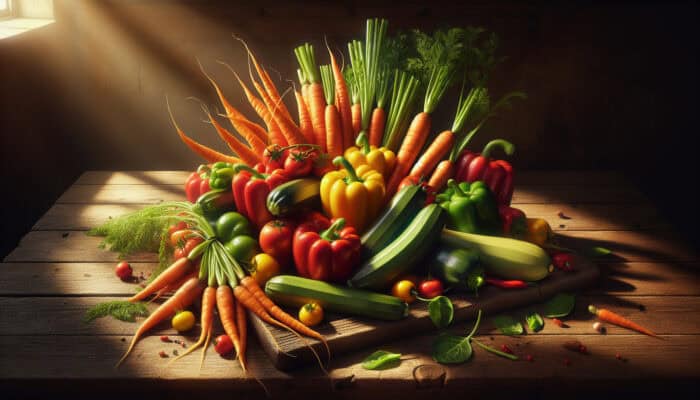
Understanding how to evaluate vegetable quality is essential for optimal roasting. Always select vegetables that are firm to the touch and exhibit vibrant colours, free of blemishes or soft spots. Examining the seasonality of produce can also enhance flavour and nutrition; fresh, seasonal vegetables are more likely to provide robust flavours. Take care to avoid overripe items that may fall apart or become mushy during roasting. By choosing high-quality ingredients, you set the foundation for exemplary roasted vegetables that will impress everyone at your table.
How Does Temperature Influence the Roasting Process?
Understanding heat distribution for effective roasting
The temperature at which you roast vegetables significantly impacts the final product. Different oven settings can lead to varying outcomes, with steady temperatures crucial for even cooking. For instance, roasting vegetables at an excessively high temperature may cause the exterior to char while leaving the inside undercooked. Conversely, a too-low temperature can lead to a soggy texture without the desired caramelisation. Understanding heat distribution helps ensure that all vegetables roast evenly, developing that desirable golden colour and enhancing their natural flavours.
Signs of proper heating during the roasting process
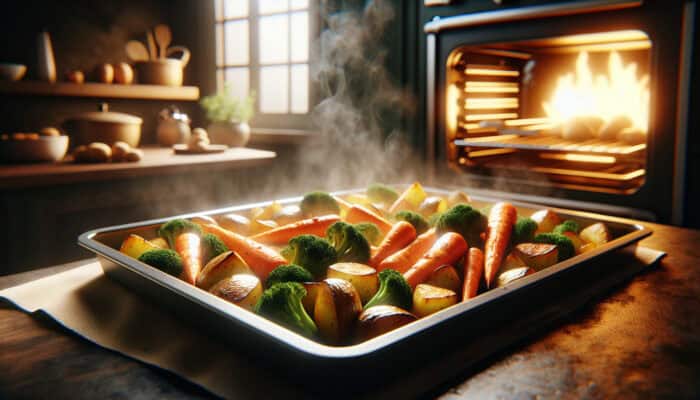
Monitoring your roasting progress is vital to achieving the perfect result. Keep an eye out for even browning across all vegetables; this indicates proper heat distribution throughout the pan. A good practice is to rotate the pans midway through roasting to ensure uniform exposure to the oven’s heat. By consistently checking for that golden-brown hue, you can assess whether adjustments are needed, ensuring even cooking throughout the batch and leading to deliciously roasted vegetables.
Adjusting for oven variations and quirks
Every oven behaves a little differently, making adjustments necessary for successful roasting. First, test your oven’s accuracy with an oven thermometer to ensure it reaches the desired temperature consistently. If you find it's running hot or cold, you can make simple tweaks—like adjusting your cooking time or temperature settings—to achieve desired results. Recognising these variations will enable you to roast vegetables reliably, regardless of your equipment’s quirks, ultimately leading to perfectly roasted dishes every time.
Expert Tips for Achieving Evenly Roasted Vegetables
Key principles from culinary experts
Learning from culinary professionals can elevate your roasting game. One key principle is mastering temperature control; for instance, starting with a higher temperature can help vegetables caramelise before lowering it to complete cooking without burning. Renowned chefs often highlight the importance of using a hot oven to jump-start the roasting process, which not only enhances flavour but also improves texture. Implementing these expert insights can lead to amazing, evenly roasted vegetables that are both visually appealing and delicious.
Advanced preparation techniques for better roasting outcomes
Advanced techniques can significantly improve your roasting outcomes. When preparing vegetables, consider layering them on the roasting tray with space between each piece. This promotes airflow, enabling even cooking and preventing sogginess. Additionally, staggering denser vegetables, such as potatoes, with quicker-cooking options, like zucchini, can ensure everything finishes roasting at the same time. By incorporating these advanced preparation techniques, you can enhance the overall quality and flavour of your roasted vegetables, making them a standout feature of your meal.
Long-term roasting strategies for consistent results
Developing long-term roasting strategies will lead to consistently excellent results. Incorporating proper airflow into your roasting process is essential for achieving evenness. Using perforated pans, for example, allows hot air to circulate more freely around the vegetables, promoting a consistent roasting environment. Furthermore, practising consistent techniques over time, such as cutting vegetables to the same size and using the same oil and seasoning, ensures you can replicate your success with every batch, delivering delicious, evenly roasted vegetables each time.
Optimal oven settings and equipment for roasting
Choosing the right equipment and settings is paramount for the best roasting results. Convection ovens, for example, can provide more even heat distribution than conventional ovens, making them ideal for roasting vegetables. Setting your oven to the right temperature—typically between 200°C and 220°C (400°F and 425°F)—is also crucial for achieving that perfect roast. Additionally, investing in quality roasting trays, such as those with a non-stick coating or perforated designs, helps promote even cooking and prevents vegetables from becoming soggy or unevenly cooked.
Monitoring and adjusting during the roasting process
Regular monitoring during the roasting process is essential for achieving your desired results. Observing the colour of the vegetables as they roast can give you valuable insight into their progress. Checking for uniform colour and texture will help you determine whether it's time to rotate the trays or adjust the cooking time. Using a thermometer to check for doneness can also provide accurate results, ensuring that your vegetables reach that sweet spot of perfectly roasted without burnt edges, enhancing their flavour and appeal.
Preparing Vegetables for Optimal Roasting
Coating options to enhance roasting results
The right coatings can enhance the roasting process and elevate flavour. Using oils like olive or avocado oil not only adds flavour but also promotes better heat transfer, helping achieve even cooking and caramelisation. Additionally, consider incorporating seasonings that complement the vegetables; spices like paprika, cumin, or garlic powder can create a flavourful crust when roasted. Aim for a light coating to avoid excess moisture, ensuring your roasted vegetables reach the desired level of caramelisation and taste fantastic.
How to cut vegetables for uniformity in roasting?
Cutting vegetables uniformly is critical to ensuring even heat exposure. Slicing vegetables into similar shapes and sizes reduces the risk of uneven textures during roasting. For instance, cut potatoes into 2.5 cm cubes and carrots into matchsticks for balanced cooking. Employing precision cutting tools, such as a chef's knife or a mandoline slicer, can help achieve uniform shape. This attention to detail ensures all pieces roast at the same rate, resulting in consistently delicious outcomes that impress your guests.
Essential pre-roast checks to perform
Conducting pre-roast checks is an essential step toward successful roasting. Before placing your vegetables in the oven, inspect each piece to ensure it is ready. Ensure they have dry surfaces, as moisture can cause steaming rather than roasting. Additionally, check for any pieces that may be cut unevenly; trimming them to size will ensure uniform doneness. By performing these checks, you set the stage for perfect roasting and enhance the overall quality of your dish, making it more enjoyable for everyone at the table.
What Are the Key Techniques for Achieving Even Roasting Results?
Basic roasting methods for improved technique
Understanding basic roasting methods can improve your technique tremendously. One core approach is to flip or stir the vegetables halfway through cooking to promote balanced cooking. This simple action helps prevent one side from becoming overly browned while the other remains undercooked. Another technique involves varying the arrangement of vegetables on the tray; spreading them out can improve airflow and prevent steaming. Mastering these methods will ultimately lead to superior results, transforming your vegetable dishes into highlights of your meals.
Why use multiple layers when roasting vegetables?
Using multiple layers when roasting vegetables can significantly impact the outcome. While stacking vegetables may seem efficient, it can lead to uneven cooking as the bottom layer may steam rather than roast. Instead, spreading out vegetables in a single layer allows for optimal heat flow and caramelisation. However, if you need to use multiple trays, consider roasting them at different oven levels to ensure even heat exposure. This balance will ensure superior results, making your roasted vegetables a delightful addition to any meal.
How to evenly enhance flavour in roasted vegetables?
Incorporating flavours uniformly is key to an enjoyable roasted vegetable experience. When adding herbs and spices, aim for an even distribution across all pieces. Toss the vegetables with seasonings and oil in a bowl before placing them on the roasting tray—this ensures every piece is coated and absorbs flavours as they roast. Consider using fresh herbs, such as rosemary or thyme, which can infuse delicious aromas during cooking. This attention to flavour will enhance evenness across your dish, making it more appealing and tasty.
Research-Backed Benefits of Techniques for Roasting Vegetables Evenly
Evidence-based preparation tips for effective roasting
Scientific methods can substantiate the effectiveness of vegetable roasting techniques. For instance, research indicates that even oil distribution leads to better results, promoting even cooking and enhancing flavour. Techniques such as tossing vegetables in oil before roasting create a consistent coating that promotes caramelisation, resulting in more flavourful outcomes. These evidence-based approaches give you confidence in your roasting methods and the quality of your results, ensuring that your vegetables are not only delicious but also beautifully roasted.
Advantages of employing proper roasting techniques
Implementing proper techniques can significantly improve nutrient retention. Studies suggest that even roasting helps preserve vitamins and minerals within vegetables, ensuring that you receive the full health benefits of your produce. Techniques that promote even cooking not only enhance flavour but also maintain the nutritional quality of the vegetables. By adopting these effective methods, you’re investing in both taste and health, making your meals not only enjoyable but beneficial for your well-being.
Long-term health insights from consistent roasting practices
Consistent roasting practices can lead to improved vegetable quality over time. Research indicates that by developing good habits and approaches—such as selecting seasonal produce and mastering cooking techniques—home cooks can enhance the quality of their meals. Over time, adopting these tips leads to better taste and nutritional value, ensuring that your roasted vegetables are not just delicious but also beneficial for your overall health.
Why Is Timing Crucial in Roasting Vegetables?
Monitoring progress effectively during roasting
Effective monitoring of vegetable roasting is crucial for ensuring even doneness. Watch for visual cues, such as colour changes and texture shifts, to gauge the cooking process. Checking for that perfect golden colour during roasting will help you avoid overcooked or undercooked results. By staying attentive and adjusting based on these cues, you can ensure your vegetables come out perfectly roasted and full of flavour, making your meals more satisfying and enjoyable.
What timing errors occur most often in roasting?
Timing errors can disrupt the uniformity of roasted vegetables. Common issues include neglecting to check on vegetables during roasting, which can lead to burnt edges or uneven cooking. Another frequent mistake is failing to adjust cooking times based on the size and type of vegetables. Here’s a quick timing guideline for various vegetables to consider for perfect roasting:
- Carrots: 25-30 minutes
- Potatoes: 30-35 minutes
- Broccoli: 20-25 minutes
- Cauliflower: 25-30 minutes
- Brussels Sprouts: 25-30 minutes
- Asparagus: 15-20 minutes
- Onions: 30-35 minutes
- Bell Peppers: 20-25 minutes
Adjusting for desired outcomes in roasting
Fine-tuning cooking times based on your preferences is crucial for achieving ideal outcomes. If you prefer a softer texture, you may want to extend the roasting time slightly, while those who enjoy a crisp finish can reduce the cooking time. Make these adjustments based on your observations and the specific vegetables you are using, ensuring you achieve the perfect roast tailored to your taste, making your meals more enjoyable and flavourful.
The Role of Oven Temperature in Timing and Roasting Success
The temperature of your oven plays a vital role in dictating roasting times. A hotter oven will accelerate the cooking process, allowing for quicker caramelisation, while a cooler oven will facilitate slower, more gradual browning. In Australian kitchens, calibrating your oven and adjusting timings is essential to avoid uneven results. Ensure you are aware of your oven’s characteristics to achieve optimal doneness without compromising your vegetables' flavour and texture, resulting in deliciously roasted dishes.
Serving and Enjoying Your Perfectly Roasted Vegetables
Optimal ways to present your roasted vegetables
Presentation plays a significant part in enhancing the dining experience with roasted vegetables. When serving, consider colourful arrangements that showcase the even roasting achieved. Use a large platter to display your roasted vegetables, accentuating their vibrant hues. Additionally, adding fresh herbs on top just before serving can bring visual appeal and a burst of aroma, making your dish more inviting and flavourful, enticing everyone to enjoy the meal even more.
Storing leftovers safely for later enjoyment
Proper storage is essential to preserve the quality of roasted vegetables for later enjoyment. Cool leftovers to room temperature before sealing them in airtight containers. This prevents moisture buildup, which can lead to mushiness and spoilage. Store the containers in the fridge, where they will keep for several days. When you're ready to reheat, consider using the oven or air fryer to restore their original crispiness, so you can enjoy their deliciousness just as much as the first time you served them.
How can I creatively incorporate roasted vegetables into meals?
Roasted vegetables are incredibly versatile and can enhance a variety of dishes. Incorporate them into salads for added texture, toss them into pasta for a hearty meal, or use them as a topping for pizzas. Additionally, roasted vegetables can be blended into soups or served as a side dish to complement meats or grains. Their even cooking and rich flavours make them a delightful addition, elevating any meal to the next level and making your dining experiences more enjoyable.
Frequently Asked Questions About Roasting Vegetables
What is the best temperature for roasting vegetables?
The best temperature for roasting vegetables typically falls between 200°C and 220°C (400°F to 425°F). This range provides optimal caramelisation without burning, ensuring that your vegetables are perfectly roasted.
How do I ensure my vegetables roast evenly?
To ensure even roasting, cut vegetables into uniform sizes, avoid overcrowding the pan, and regularly monitor their progress, flipping them halfway through cooking to promote balanced results.
Should I use oil when roasting vegetables?
Yes, using oil not only enhances flavour but also aids in heat transfer, promoting even cooking and caramelisation of the vegetables, making them more delicious.
How can I tell when my roasted vegetables are done?
Roasted vegetables are done when they reach a golden-brown colour and are tender when pierced with a fork. Monitoring their texture and colour will guide you in achieving perfect doneness.
What coatings work best for roasted vegetables?
Light coatings of oils like olive oil or avocado oil, combined with herbs and spices, help ensure even cooking and flavour absorption while preventing excess moisture from affecting the final result.
Can I roast frozen vegetables?
Yes, while frozen vegetables can be roasted, they may require a slightly longer cooking time due to their moisture content. Ensure you spread them out to avoid steaming, which leads to better roasting results.
Is it better to roast vegetables in a single layer?
Yes, roasting vegetables in a single layer allows for better heat circulation, leading to more even cooking and caramelisation, enhancing both texture and flavour.
What are some common mistakes when roasting vegetables?
Common mistakes include overcrowding the pan, failing to preheat the oven, and neglecting to cut vegetables to uniform sizes, all of which can affect the quality of your roasted vegetables.
How can I enhance the flavour of roasted vegetables?
Enhance flavour by evenly incorporating herbs and spices, tossing them in oil, and experimenting with different seasoning combinations to complement the vegetables for a delightful taste experience.
How should I store leftover roasted vegetables?
Cool leftovers to room temperature, store them in airtight containers in the fridge, and reheat in the oven or air fryer to restore texture before serving, ensuring they remain delicious.