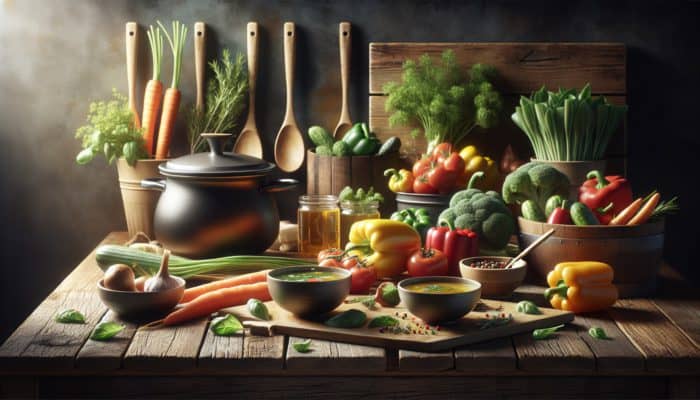
Key Ingredients for Quick Soup Preparation
Choosing the Perfect Broth

How to Make a Fast Soup for Lunch: When crafting a quick soup, selecting the right broth is crucial. Your choices include chicken, vegetable, or beef broths, each serving as a fundamental base that significantly impacts both the flavour and nutritional profile of your dish. For a comforting, rich taste, chicken broth is often preferred, providing a robust foundation. If you’re looking for a lighter, plant-based option, vegetable broth can provide a satisfying alternative, particularly when enhanced with fresh herbs and spices. Alternatively, beef broth offers a deeper flavour, ideal for those who enjoy a heartier soup. Always take dietary preferences into account; for example, a vegan or vegetarian diet requires vegetable broth. The broth you choose not only establishes the overall tone of your soup but also boosts its nutritional value and enhances the dining experience.
To add even more depth to your soup’s flavour, consider making homemade broths. This allows you to control the ingredients and avoid preservatives found in many store-bought options. If you’re short on time, however, pre-packaged broths are convenient and can still yield excellent results. You might also want to explore international broth varieties, such as miso or pho broth, which can infuse your soup with exciting and diverse flavours. Ultimately, the broth you opt for can elevate your soup from ordinary to extraordinary, crafting a meal that is both satisfying and quick.
Incorporating Protein into Your Soup
Adding protein to your quick soup can transform it from a simple snack into a fulfilling meal. Popular protein options include chicken, tofu, or legumes, all of which are quick to cook and packed with nutritional benefits. Chicken is particularly advantageous due to its lean protein content and versatility: it cooks quickly when diced and combines seamlessly with other ingredients. Firm tofu serves as a fantastic plant-based alternative, cooking quickly while soaking up surrounding flavours beautifully. Legumes, such as lentils or chickpeas, are another excellent choice, as they introduce both texture and protein without lengthy cooking times, especially when using canned varieties.
Utilising precooked or canned proteins can significantly save time. For instance, rinsing canned beans and adding them directly to your soup can provide a protein boost in just a few minutes. If you’re meal prepping for the week, consider marinating proteins like chicken or tofu overnight; not only does this amplify flavour, but it also reduces cooking time during your lunch prep. With a wide range of protein options at your disposal, you can create a variety of soups that cater to diverse dietary preferences while keeping meal preparation quick and efficient.
Choosing Quick-Cooking Vegetables
The secret to a speedy soup lies in selecting the right vegetables. Opting for quick-cooking vegetables like carrots, spinach, and peas ensures your soup will be ready in no time. These vegetables preserve their flavours and nutrients while adding vibrant colour and texture, enhancing the visual appeal of your meal. For example, when sliced thinly, carrots soften within minutes, providing a natural sweetness and crunch. Spinach wilts effortlessly, releasing its earthy undertones, while peas contribute a touch of sweetness and bright colour to your dish.
For added convenience, consider using frozen vegetables. These are often harvested at peak freshness and can be added directly to your pot, eliminating the need to wash and chop. This can drastically cut down on prep time, allowing you to whip up a nutritious soup in a flash. Moreover, incorporating a variety of vegetables not only enhances the soup’s flavour but also improves its nutritional profile, providing a broader range of vitamins and minerals essential for maintaining a balanced diet. With such quick-cooking options, you can have a hearty meal on the table in no time.
Utilising Precooked Grains in Your Soup
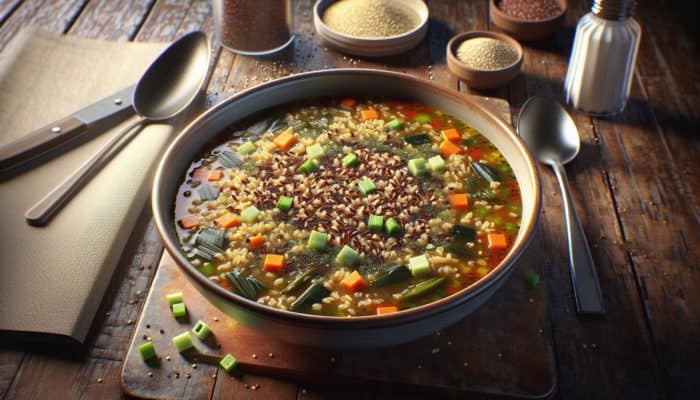
Including grains in your soup can enhance its heartiness and texture, turning it into a more filling option for lunch. Precooked grains like rice, quinoa, or noodles can be effortlessly integrated without extending your cooking time. Generally, these grains are ready in mere minutes, providing a satisfying base for your soup while delivering essential carbohydrates for energy. For added nutritional benefits, consider using whole grains such as brown rice or quinoa, which not only offer health advantages but also infuse a nutty flavour and chewy texture.
Using precooked or ready-to-eat noodles can expedite the process even further. Add them to your simmering broth and let them heat through. Additionally, leftover grains from previous meals can be repurposed, minimising waste and maximising efficiency. Store these grains in airtight containers in your fridge, ready to toss into your soup for a quick meal. Including grains is not just about making your soup filling; it’s about creating a well-rounded dish that satisfies your dietary requirements while keeping cooking times minimal and flavour maximised.
Pro Tips for Crafting Quick Soup for Lunch
Choosing the Ideal Pot for Soup Making
The selection of your pot can significantly affect how quickly you prepare your soup. A wide, shallow pot is optimal because it allows for faster heating and more even cooking. This design promotes faster moisture evaporation, intensifying flavours without requiring lengthy simmering. Opting for a non-stick pot can also help food release quickly, making cleanup a breeze after cooking. Here are some benefits of various pot types to consider:
- Wide, Shallow Pot: Heats quickly and enables even cooking.
- Non-Stick Pot: Decreases the requirement for oil and simplifies cleaning.
- Heavy-Bottomed Pot: Distributes heat evenly, avoiding scorching.
- Pressure Cooker: Dramatically accelerates cooking times, perfect for quick soups.
When selecting your pot, it’s also essential to consider its material. Stainless steel is durable and often favoured for its even heating, while cast iron retains heat well but may take longer to warm up initially. The right pot can greatly influence your cooking time and the overall success of your soup, so choose wisely to maximise your kitchen efficiency.
Strategically Timing Your Ingredients
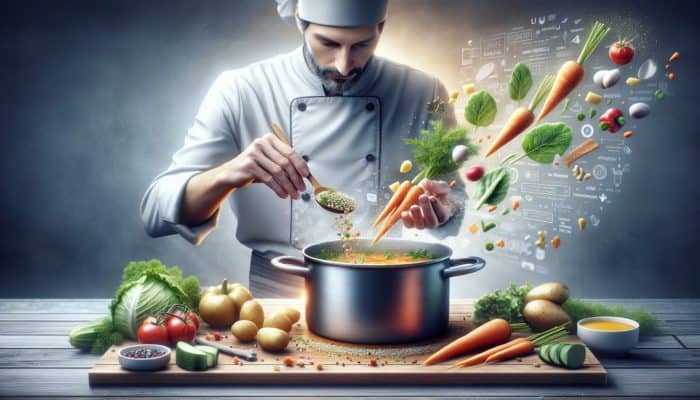
Timing is critical in soup preparation. Adding ingredients in the correct sequence ensures each component is cooked perfectly, resulting in a harmonious blend of flavours and textures. Begin with ingredients that require the longest cooking time, like proteins or hardy vegetables like carrots and potatoes. Follow these with quicker-cooking items, such as leafy greens and precooked grains. This approach guarantees everything melds beautifully without overcooking delicate ingredients.
For optimal results, consider the cooking times for each ingredient. For example, if you’re adding diced chicken, allow it to cook thoroughly before introducing spinach, which wilts within seconds. As a best practice, keep a timer handy to manage cooking times efficiently, enabling you to multitask without losing track of time. The aim is to create a well-balanced soup that showcases each ingredient while maintaining a delightful consistency. Mastering the timing of your ingredients can significantly elevate the quality of your soup, making each lunch a special occasion.
Enhancing Flavours with Herbs and Spices
To elevate your quick soup, consider adding flavour enhancers like herbs and spices. Incorporating fresh or dried herbs like basil, thyme, and cumin towards the end of cooking can introduce a burst of flavour without requiring prolonged simmering. Fresh herbs not only provide aromatic qualities but also add vibrant colour, enhancing the presentation of your soup.
Different herbs can dramatically shift the flavour profile; for example, a sprinkling of cumin brings a warm, earthy note, while fresh basil lends a sweet, aromatic quality. Additionally, spices like paprika or chilli flakes can introduce a hint of heat, enriching your soup’s complexity and satisfaction. Experimenting with a blend of these enhancements can lead to unique flavour combinations, making each bowl a new culinary adventure. The beauty of soup lies in its versatility, allowing you to tailor it to your mood or dietary needs with just a sprinkle of this or a dash of that.
How Can You Prepare Ingredients in Advance for Quick Soup?
Chopping Vegetables Ahead of Time
Preparing your vegetables in advance can be a game-changer for quick soup preparation. By chopping your vegetables the night before and storing them in the fridge, you can significantly reduce your lunch prep time the following day. This method not only saves time but also keeps your ingredients fresh and ready to use. Use airtight containers to maintain the quality of your vegetables, keeping them crisp and vibrant.
For even greater efficiency, consider freezing your chopped vegetables. This is particularly useful for ingredients like bell peppers, onions, and carrots, which can be stored in portioned bags, ready to be swiftly added to your next soup. When using frozen vegetables, there’s no need to thaw; toss them straight into your pot. This method can also help preserve nutrients, as freezing locks in freshness. By preparing your vegetables ahead of time, you streamline your cooking and can whip up a nutritious soup at a moment’s notice.
Precooking Your Proteins
Precooking proteins is another effective strategy to speed up your soup-making process. Cooking proteins such as chicken or tofu in advance lets you have these essential components ready when you’re ready to prepare your lunch. Store them in the refrigerator, and when it’s time to make your soup, reheat and add them to your hot broth.
For optimal storage, consider the following tips for precooked proteins:
- Cool Thoroughly: Allow proteins to cool to room temperature before refrigerating to prevent condensation.
- Airtight Containers: Use them to maintain freshness and prevent contamination.
- Label and Date: Clearly label containers with dates to keep track of freshness.
- Portion Control: Store proteins in single-serving portions for easy access.
Having precooked proteins on hand can significantly reduce the time spent cooking during lunch preparation. This is particularly useful on busy weekdays when every minute counts. The convenience of precooked proteins can elevate your soup experience, ensuring a satisfying meal with minimal effort.
Stocking Ready-to-Use Broths
Keeping ready-to-use broths on hand can greatly expedite your soup-making process. Whether you opt for store-bought or homemade, ensuring these broths are in your freezer means you can have a nutritious base ready in mere minutes. If you’re using homemade broth, ensure it’s cooled before storing it in freezer-friendly containers to prevent freezer burn. For store-bought options, consider buying in bulk to maintain a variety on hand.
Thawing broths can be done quickly in several ways. For example, you can place a frozen container in a warm water bath or microwave it for a few minutes. Alternatively, transfer it to a pot over low heat and warm it gradually until it’s ready for your soup. This method not only saves time but also enables you to create a flavoursome soup base without prolonged simmering. Keeping broths readily available means you can whip up healthy, delicious soups at any time, solidifying it as an essential part of your meal prep strategy.
Pre-Measuring Spices and Herbs
To streamline your soup preparation even further, consider pre-measuring spices and herbs. By measuring your desired spices and herbs the night before and storing them in small containers, you can quickly add them to your soup without rummaging through jars and packets. This not only saves time but also ensures you use the right amounts, avoiding both over- and under-seasoning.
Using labelled containers can help you keep track of your spice mixes, allowing you to explore and discover combinations you love. This preparation also helps maintain flavour consistency, making it easier to replicate your favourite soups. Furthermore, having these pre-measured flavours ready to go allows you to concentrate on cooking without the distraction of measuring and estimating. This simple yet effective strategy can significantly enhance your soup-making process, enabling you to make quicker, tastier meals.
What Are the Advantages of Making Fast Soup?
Maximising Time Efficiency
One of the primary benefits of making fast soup lies in its time efficiency. In an era where every minute counts, creating a nutritious meal in under 30 minutes can be a real lifesaver, particularly during hectic lunch breaks. The quick cooking process allows for a satisfying meal without the hassle of extensive preparation or cleanup.
By employing techniques such as precooking proteins, chopping vegetables in advance, and keeping broth readily available, you can save significant time. In fact, with prepped ingredients, your soup can be on the table in as little as 15 minutes. This efficiency means you can enjoy a wholesome meal, even on the busiest of days, making it an ideal solution for those pressed for time.
Boosting Nutritional Value
Fast soups can be incredibly nutritious, packed with essential vitamins and minerals derived from a diverse array of ingredients. When designed thoughtfully, these soups can deliver a hearty dose of nutrients, supporting a healthy diet. Including fresh vegetables, proteins, and whole grains contributes to a well-rounded meal that promotes overall health and wellness.
For example, leafy greens like spinach or kale are rich in iron and vitamins A, C, and K. Incorporating legumes or precooked grains not only enhances protein intake but also adds vital fibre, which is crucial for digestive health. The versatility of fast soup allows you to tailor it to your nutritional requirements, integrating seasonal vegetables and healthy proteins to ensure you receive a diverse range of nutrients.
Embracing Versatility in Soup Preparation
The versatility of fast soup is another significant advantage, as it allows you to easily adjust ingredients and flavours to suit your taste or dietary needs. Whether you prefer a spicy chilli or a comforting minestrone, fast soup can adapt to whatever ingredients you have on hand, making it an excellent choice for minimising food waste.
Consider these variations for fast soup preparation:
- Vegetarian Delights: Use vegetable broth, assorted veggies, and lentils.
- Spicy Variations: Adchilli peppers or cayenne for a kick.
- Global Flavours: Incorporate spices like curry powder or lemongrass for an international flair.
- Creamy Options: Blend in coconut milk or cream for a rich texture.
This adaptability makes fast soup not only a convenient meal solution but also an exciting culinary experience, allowing you to experiment with flavours and ingredients from around the world. No two bowls need to be identical, ensuring your lunch remains engaging and delightful.
Speedy Cooking Techniques for Your Soup
Employing High Heat Cooking
One effective technique for expediting soup preparation is utilising high-heat cooking. By starting your soup on high heat, you can swiftly bring the broth to a boil, creating a base that enhances flavour extraction from your ingredients. Once boiling, reduce the heat to a simmer to allow the flavours to meld without lengthy cooking.
However, it’s essential to monitor your soup closely, as high-heat cooking can sometimes lead to overcooked ingredients or an undesirable texture. To mitigate this risk, consider partially cooking heartier ingredients first before reducing the heat. This method not only shortens cooking time but also preserves the integrity of delicate components like greens or noodles. Mastering high heat can revolutionise your cooking, delivering fast yet flavourful results.
Practising Simultaneous Cooking Techniques
Utilising simultaneous cooking techniques can significantly decrease the overall time required to prepare your soup. By cooking multiple ingredients at once, whether in the same pot or across several burners, you can maximise efficiency while maintaining control over each component’s doneness. For instance, you might begin by sautéing aromatics in one pot while simmering your broth in another, later combining them for a harmonious finish.
To manage multiple ingredients effectively, ensure you’re familiar with their cooking times. Layering ingredients based on their required cooking durations can help achieve optimal results without overcooking. This multitasking approach not only saves time but also keeps your kitchen workflow smooth and organised. Mastering simultaneous cooking can transform your soup-making routine, delivering delectable meals in record time.
Utilising Precooked Ingredients
Incorporating precooked ingredients is an excellent strategy for reducing the overall cooking time in your fast soup preparation. Items like canned beans, precooked grains, or leftovers can be added directly to your pot without lengthy cooking. This approach not only minimises the time spent in the kitchen but also maximises the flavour profile of your soup.
For example, precooked beans can be added straight from the can, providing a protein boost without any cooking needed. Similarly, incorporating leftover chicken or vegetables can enrich your soup while ensuring that nothing goes to waste. Using precooked ingredients allows you to create hearty, flavourful soups that are ready in minutes. This convenience can be particularly valuable during busy weeks, when time constraints can otherwise limit your meal options.
Effective Strategies for Quick Soup Preparation
Batch Cooking for Convenience
Batch cooking is a smart approach for anyone looking to make fast soup a staple in their meal prep routine. By preparing large batches of soup at once, you can make enough for multiple servings to enjoy throughout the week. This method not only saves time on cooking but also ensures you have healthy meals readily available during busy days.
To effectively batch cook and freeze soup, follow these actionable steps:
- Select Versatile Recipes: Opt for recipes that freeze well, such as minestrone or split pea soup.
- Cool Before Freezing: Allow the soup to cool completely to prevent ice crystals from forming.
- Use Freezer-Friendly Containers: Store portions in airtight containers or freezer bags, clearly labelled with dates.
- Defrost Wisely: Thaw in the fridge overnight or utilise the microwave for quicker results.
Implementing this strategy not only streamlines your lunch routine but also provides peace of mind knowing you have nutritious options ready to go. The convenience of batch cooking enables both time efficiency and the ability to enjoy a variety of flavours throughout the week, ensuring your meals remain exciting and satisfying.
Exploring One-Pot Meal Solutions
Utilising one-pot meals is an excellent way to improve efficiency when preparing a quick soup. Cooking your soup in a single pot reduces cleanup and maximises flavour, as all ingredients meld together. This method is particularly advantageous for those with limited kitchen space or who prefer a straightforward cooking experience.
Additionally, one-pot meals promote greater flavour extraction, as all ingredients share the same cooking environment, enhancing the overall taste of your soup. By employing this technique, you can create rich, satisfying meals without the hassle of multiple dishes to clean afterwards. This makes one-pot soups not only practical but also a smart choice for busy lifestyles, allowing nutritious meals to be prepared quickly and enjoyed without the stress of extensive cleanup.
Using Quick Flavour Boosters
When time is tight, incorporating quick flavour boosters can significantly enhance your soup with minimal effort. Ingredients such as garlic, ginger, or soy sauce can impart considerable depth of flavour without necessitating lengthy cooking times. Sautéing a few minced garlic cloves in olive oil before adding your broth can create a fragrant base, while a splash of soy sauce adds umami richness that elevates the dish beautifully.
Real-world examples of quick flavour boosters include using miso paste for a rapid infusion of umami or squeezing lime juice for a bright, refreshing kick. These ingredients can be added towards the end of cooking, ensuring they retain their vibrant flavours. The beauty of these quick enhancements lies in their ability to transform a simple soup into a gourmet experience without added complexity. Keeping a selection of these flavour boosters on hand allows you to create delicious, comforting soups that satisfy your palate while saving you time.
Incorporating Pre-Chopped Ingredients
Integrating pre-chopped ingredients into your soup-making can save considerable time and effort. Many grocery stores now offer ready-to-use chopped vegetables and herbs, so that you can skip the prep entirely. Whether you prefer the convenience of frozen mixed vegetables or the freshness of pre-chopped options, these ingredients let you create delicious soups with minimal hassle.
By utilising pre-chopped ingredients, you can focus on cooking rather than the tedious task of slicing and dicing. This method not only streamlines your soup preparation but also ensures consistent sizes for even cooking. For those who prefer to prepare at home, consider dedicating some time on a quiet day to chop and portion your ingredients for the week, saving you valuable time during busy lunch hours. The convenience of pre-chopped ingredients can make a notable difference in your soup-making experience, allowing you to enjoy flavourful, homemade meals without the fuss.
Making Use of an Instant Pot or Pressure Cooker
Using an Instant Pot or pressure cooker is a game-changer for making quick soup, allowing you to achieve deep flavours and tender ingredients in a fraction of the time. These appliances operate by cooking food under high pressure, reducing cooking times compared to traditional methods. A soup that may ordinarily take hours can be ready in mere minutes, which is especially advantageous for those with busy schedules.
Moreover, pressure cooking intensifies flavours as ingredients cook together in a sealed environment. The resulting soup often possesses a rich, developed taste, making it hard to believe it was prepared so quickly. Investing in an Instant Pot or pressure cooker can transform your cooking routine, enabling you to create hearty, wholesome soups without the lengthy cooking times typically associated with them. This approach ensures you can enjoy delicious, homemade meals even on the most hectic days.
What Tools Can Enhance Your Fast Soup-Making Process?
The Benefits of Using Immersion Blenders
Utilising an immersion blender can significantly improve your soup-making process. This tool enables you to blend part of your soup directly in the pot, resulting in a smooth, creamy texture without the hassle of transferring hot liquid to a traditional blender. Not only does this save time, but it also minimises the mess associated with multiple kitchen tools.
Immersion blenders are versatile, allowing you to control the degree of smoothness in your soup. For instance, if you prefer a chunky soup with a creamy base, you can blend just a portion for delightful textural contrast. Investing in a high-quality immersion blender can elevate your culinary skills, enabling you to experiment with different consistencies and flavour profiles while keeping cleanup simple and efficient.
Maximising Efficiency with Pressure Cookers
Pressure cookers are invaluable tools for creating fast, flavourful soups. By cooking under high pressure, you can significantly decrease the time it takes for ingredients to become tender and for flavours to meld. This method is particularly beneficial for soups containing tougher cuts of meat or hearty legumes, which would otherwise require lengthy cooking times to achieve the desired tenderness.
Additionally, pressure cooking can enhance the flavours of your soup, as the sealed environment allows for more intense flavour extraction. You’ll discover that spices and aromatics penetrate the dish more deeply, resulting in a rich, satisfying meal. When considering a pressure cooker, look for options that allow browning and sautéing before pressure cooking begins, enhancing flavour and texture in dishes.
Utilising Dedicated Soup Makers
Dedicated soup makers can automate the soup preparation process, making it incredibly simple to create delicious meals with minimal effort. These appliances combine heating, blending, and cooking into a single device, letting you throw in your ingredients and let the machine do the work. This hands-off approach is perfect for busy individuals who want to enjoy homemade soup without the hassle.
When selecting a soup maker, consider features such as adjustable settings for chunky or smooth textures, built-in timers, and the capability to sauté ingredients before cooking. With these functionalities, you can create a variety of soups, from silky smooth bisques to chunky vegetable medleys, all with just the push of a button. Investing in a quality soup maker can streamline your cooking process, giving you the convenience of quick, homemade soups whenever you want.
Best Practices for Serving and Storing Your Fast Soup
Serving Your Soup Immediately for Optimal Enjoyment
Serving your soup immediately after cooking guarantees the best flavour and texture, creating a truly enjoyable dining experience. Hot soup not only enhances the flavours of the ingredients but also offers comforting warmth on chilly days. To serve effectively, consider using preheated bowls to maintain the temperature longer, so you can savour each spoonful.
When serving, garnishing your soup with fresh herbs, a drizzle of olive oil, or a sprinkle of cheese can elevate its visual appeal and add an extra layer of flavour. Additionally, pairing your soup with crusty bread or a fresh salad can create a well-rounded meal that satisfies both the palate and appetite. Immediate serving ensures that you enjoy the fullest expression of your soup’s flavours, making every lunch feel like a special occasion.
Properly Storing Leftover Soup
To extend the life of your delicious soup, proper storage techniques are essential. Quickly cooling your soup and transferring it into airtight containers is the best way to preserve its quality. When cooling, aim to bring the temperature down to room temperature within 2 hours to prevent bacterial growth and ensure safe consumption later.
Once cooled, leftover soup can be stored in the fridge for up to three days. If you wish to keep it for a longer period, consider freezing portions. This allows you to enjoy your soup later, perfect for those busy weeks when cooking time is scarce. When freezing, leave space in the container, as liquids expand when frozen. Properly stored leftovers can provide a quick, nutritious meal option while preserving the flavours and nutrients of your original creation.
Effective Reheating Techniques for Leftover Soup
When reheating your soup, it’s crucial to do so carefully to maintain its flavour and texture. The best methods for reheating soup are on the stove or in the microwave. For stovetop reheating, transfer your soup to a pot and warm it over low to medium heat, stirring occasionally to ensure even heating. This method allows better temperature control and helps preserve the integrity of your ingredients.
If using the microwave, pour your soup into a microwave-safe container and cover it loosely to allow steam to escape. Heat in short intervals, stirring in between, to avoid overheating and potential splattering. Both methods ensure that your soup retains its delicious flavours without becoming overcooked or dried out. With these techniques, you can enjoy your leftovers just as much as when they were freshly made, ensuring every bowl is satisfying and tasty.
Your Fast Soup Questions Answered
How long does it take to prepare a quick soup?
Making a fast soup typically takes around 15 to 30 minutes, depending on the ingredients and techniques employed. Prepping ingredients can significantly reduce this time.
Can I freeze fast soup for later use?
Yes, fast soup can be frozen to preserve it for later consumption. Ensure it has cooled completely before transferring it to airtight containers or freezer bags.
What are some quick protein options for soup?
Quick protein options include precooked chicken, canned beans, tofu, or lentils, which can all be added directly to the soup without lengthy cooking.
How can I make my soup healthier?
You can enhance the healthiness of your soup by incorporating a variety of vegetables, using low-sodium broth, and adding whole grains or legumes for added nutrition.
What spices can enhance the flavour of my soup?
Common spices that enhance soup flavour include garlic, onion powder, cumin, thyme, and basil, which can be added at different stages of cooking for maximum impact.
Can I use frozen vegetables in my soup?
Absolutely! Frozen vegetables are convenient and can be added directly to your soup without thawing, saving time while retaining nutrients.
What type of pot is best for making soup?
A wide, shallow pot is ideal for soup-making as it allows for even cooking and quicker heating. Non-stick options can also simplify cleanup.
How should I store leftover soup?
Store leftover soup in airtight containers in the refrigerator for up to 3 days, or freeze for longer storage.
What is the best way to reheat soup?
The best way to reheat soup is on the stove over low heat or in the microwave, using short intervals and stirring frequently to ensure even heating.
Can I make soup in advance?
Yes, you can prepare soup in advance and store it in the refrigerator or freezer. Just ensure it cools quickly and is stored properly to maintain freshness.