
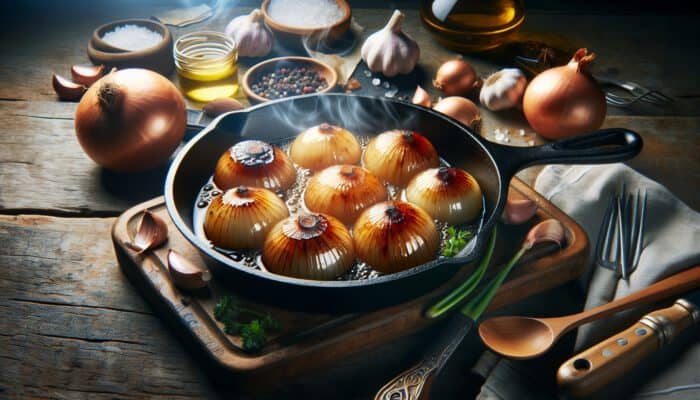
Essential Techniques for Perfectly Caramelising Onions
Mastering the Art of Caramelisation
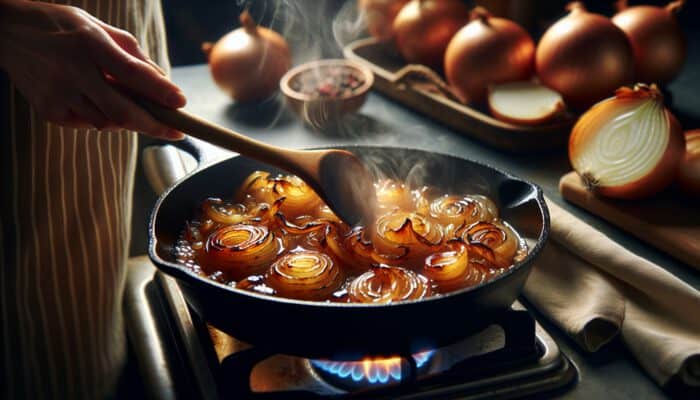
Best Methods for Caramelising Onions: Caramelising onions is a culinary art that transforms the natural sweetness of onions into a rich, complex flavour, enhancing a variety of dishes, from comforting soups to gourmet burgers. The technique involves slowly cooking onions over low heat, which allows their inherent sugars to caramelise gradually. This method not only intensifies the flavour but also produces a stunning golden-brown hue and a melt-in-your-mouth texture. For cooks of all levels, mastering this skill unlocks a treasure trove of culinary opportunities, enriching sauces, pizzas, and salads with a depth of flavour that is hard to resist.
To achieve the elusive perfect caramelisation, one must exercise patience and a keen eye for detail. It is vital to resist the temptation to hasten the cooking process. Frequent stirring is essential to prevent burning and to ensure even cooking throughout. Gentle heat helps release moisture from the onions, which is crucial to developing that signature caramelised taste. With a solid understanding of these essential techniques, caramelising onions becomes a straightforward skill that lays the groundwork for countless recipes featuring this sweet and savoury ingredient.
What Essential Tools Are Required?
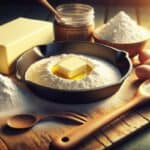
Choosing the right tools is critical for achieving consistent results when caramelising onions. A heavy-bottomed pan is indispensable; it distributes heat evenly, preventing hot spots that can lead to burnt onions. Ideal options include a cast-iron skillet or a stainless-steel sauté pan, both of which endure prolonged low-temperature cooking without warping. A sturdy wooden spoon is also a must-have; it allows gentle stirring without scratching your cookware, ensuring longevity and performance.
In addition to your pan and spoon, having a sharp knife and a cutting board is crucial for preparing the onions effectively. Cutting the onions into uniform slices ensures they cook evenly, preventing some pieces from becoming overcooked while others remain crunchy. While some cooks may opt for a mandoline to achieve perfectly even slices, a sharp knife will suffice for most. Lastly, having a lid on hand can help control moisture levels throughout the cooking process. With the right tools in place, you can focus your energy on perfecting the caramelisation process rather than worrying about equipment.
Step-by-Step Process for Caramelising Onions
To achieve beautifully caramelised onions, follow these detailed key steps:
- Begin by slicing your onions uniformly, aiming for approximately 1/4-inch thick slices for optimal cooking consistency.
- Heat your heavy-bottomed pan over low to medium-low heat, then add a splash of oil or a combination of oil and butter.
- Once the oil shimmers, add the sliced onions to the pan, spreading them out evenly for uniform cooking.
- Gently stir the onions to coat them in the oil, then lower the heat to low and cover the pan with a lid for the first 10 minutes.
- After 10 minutes, remove the lid and continue cooking the onions, stirring every few minutes to prevent sticking and burning.
- Carefully monitor the heat, adjusting it as needed to maintain a gentle simmer throughout the cooking process.
- Cook for 30 to 45 minutes, until the onions are deep golden brown and have reduced significantly in volume.
- Season with salt towards the end of cooking to enhance the flavour without drawing out too much moisture.
By adhering to this step-by-step process, you will create perfectly caramelised onions that elevate a wide range of dishes. Remember, patience is essential; good things truly come to those who wait, especially in the culinary realm.
What Key Techniques Ensure Successful Caramelisation of Onions?
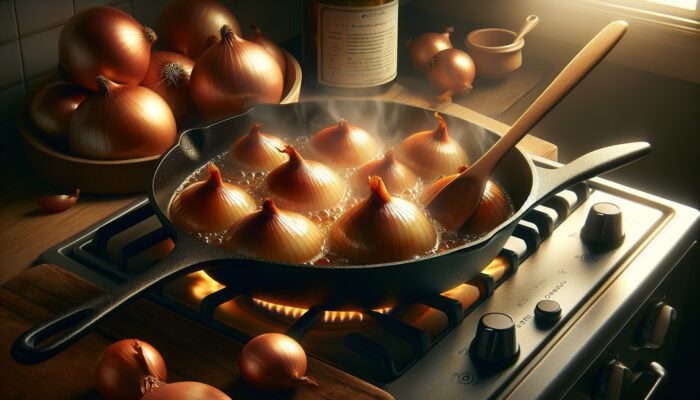
How to Properly Prepare Onions for Caramelisation?
Effective preparation is the cornerstone of successful caramelisation. The way onions are cut can significantly influence the outcome of the cooking process. For the best results, slice the onions into even, uniform pieces to ensure consistent cooking throughout. Thicker slices may require longer cooking times, while thinner slices can burn more easily, so striking the right balance is crucial for achieving optimal caramelisation.
Before slicing, consider the type of onion you are using. Yellow onions are the most popular choice for caramelising due to their high sugar content, but red onions and sweet onions can also produce delightful results. Additionally, lightly seasoning the onions with salt before cooking can help draw out moisture, aiding caramelisation. This initial seasoning not only enhances the flavour but also accelerates the release of natural sugars. By understanding these foundational steps, cooks can set themselves up for exceptional results, unlocking the full sweet potential of the humble onion.
How to Effectively Monitor Heat Levels During Caramelisation?
Controlling heat levels is a vital aspect of successfully caramelising onions. Excessively high heat can scorch the sugars, leading to burnt bits that impart an unpleasant bitter flavour to the dish. Conversely, cooking at too low a temperature may prolong cooking times without achieving the desired caramelised effect. The goal is to find that sweet spot where the onions can cook slowly and evenly, allowing their sugars to develop fully and creating a satisfying depth of flavour.
A practical approach is to start at medium-low heat and adjust as needed. If the onions start to brown too quickly, lower the heat to prevent scorching. Alternatively, if they are cooking too slowly and releasing excessive liquid, slightly increase the heat to encourage evaporation. This dynamic method helps maintain the balance needed for optimal caramelisation. Over time, cooks will develop an intuitive sense of how to fine-tune heat levels, resulting in consistently excellent caramelised onions that can add depth to a variety of dishes.
What Variations in Cooking Methods Can Enhance Flavour?
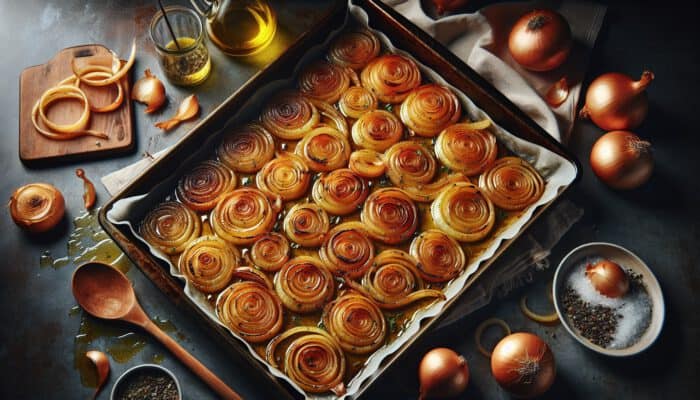
Experimenting with different cooking methods can produce intriguing variations in flavour and texture when caramelising onions. While stovetop methods are the most prevalent, oven roasting has gained popularity for its ability to yield evenly caramelised onions with minimal hands-on effort. The oven method typically involves tossing sliced onions with oil and seasoning, then roasting them on a baking sheet at a low temperature for an extended period. This technique allows for larger quantities, making it particularly useful for meal prep.
When considering the type of fat to use, both butter and oil have their advantages. Butter imparts a rich, creamy flavour, while oil can be a healthier alternative and possesses a higher smoke point. Additionally, adjusting the pan size can influence cooking time and texture; a larger pan increases surface area, promoting even browning and caramelisation. By remaining flexible with these methods, cooks can adapt their techniques to available resources, ensuring that delicious caramelised onions are always within reach.
Insights from Experts on the Best Methods for Caramelising Onions
What Advanced Tips Can Professionals Share?
For those eager to refine their onion-caramelising technique, incorporating insights from culinary professionals can prove invaluable. One effective strategy is to combine high and low heat throughout the cooking process. Starting on medium heat allows the onions to sweat and release moisture quickly. After about 10 minutes, when the onions become translucent, lower the heat to low to allow the sugars to caramelise beautifully without burning.
Timing plays a crucial role as well. Professional chefs often recommend a cooking time of 30 to 45 minutes, depending on the quantity and type of onion. A gentle stir every few minutes ensures even cooking and helps prevent scorching. For an extra layer of complexity, consider adding a splash of balsamic vinegar or a sprinkle of sugar towards the end of cooking; this can enhance the sweetness and deepen the flavour profile. Implementing these advanced techniques can yield consistently high-quality caramelised onions worthy of any gourmet dish.
How to Optimise Flavour Profiles When Caramelising Onions?
Enhancing flavour profiles while caramelising onions involves more than just the cooking method; it also requires the thoughtful inclusion of complementary ingredients. Pairing onions with herbs such as thyme or rosemary can elevate their natural sweetness and introduce aromatic complexity. Adding a splash of white wine or a dash of soy sauce during cooking can deepen the flavour, providing a umami boost that rounds out the dish beautifully.
Acids also play a significant role in balancing flavours. A squeeze of fresh lemon juice or a dash of vinegar added at the end can brighten the flavours and counterbalance the inherent sweetness of the caramelised onions. These subtle adjustments transform simple caramelised onions into a versatile ingredient that can stand alone or enhance a wide variety of dishes, from stir-fries to gourmet sandwiches. By mastering the art of flavour combination, cooks can create a more nuanced and enjoyable experience for their taste buds.
Why Is Low Heat Recommended for Caramelising Onions?
Low heat is essential for caramelisation, allowing the natural sugars in the onions to develop fully without burning. This technique relies on the Maillard reaction, a chemical process that occurs when amino acids and reducing sugars react at high temperatures. At elevated temperatures, the sugars can caramelise too rapidly, leading to burnt flavours rather than the desired sweet, nutty profile.
Cooking over low heat ensures a gradual transformation, where the onions slowly change from pungent and sharp to sweet and deeply flavoured. This careful approach allows moisture to evaporate, concentrating flavours while maintaining a delicate balance of sweetness and texture. Understanding the science behind low-heat cooking helps cooks appreciate why patience is vital in obtaining the depth of flavour that characterises truly exceptional caramelised onions.
What Common Mistakes Should Be Avoided While Caramelising Onions?
Many cooks encounter common pitfalls when caramelising onions, often resulting in disappointing outcomes. A significant mistake is overheating the pan, which can cause onions to burn before they have a chance to caramelise properly. To prevent this, always start on a lower heat setting and gradually increase it as needed.
Overcrowding the pan is another frequent error. When too many onions are added simultaneously, they release moisture, creating steam that hinders proper caramelisation. Instead, work in batches or use a larger pan to improve airflow and ensure even cooking. Finally, neglecting to stir regularly can lead to uneven cooking and burnt bits. By being mindful of these common mistakes, cooks can refine their technique and consistently achieve perfect caramelised onions.
How Long Does it Take to Caramelise Onions Effectively?
What Factors Influence the Time Required for Caramelisation?
The time required to caramelise onions can vary significantly, influenced by several factors. The type of onion used plays a critical role; yellow onions, with their higher sugar content, tend to caramelise more quickly than red onions or white onions. The thickness of your slices also affects timing—thicker slices will require longer cooking times than thinner ones.
Additionally, the type and material of your pan can affect how quickly the onions cook. A heavy, well-seasoned cast-iron skillet retains heat more effectively than a lightweight non-stick pan, potentially speeding up the process. Lastly, the heat level you choose—low, medium, or high—will dictate how quickly the onions transition from raw to caramelised. Understanding these factors allows cooks to plan their cooking time more effectively, ensuring they achieve the desired consistency without unnecessary delays.
What Mistakes Slow Down the Caramelisation Process?
Several mistakes can inadvertently prolong the caramelisation process, leading to frustration and unsatisfactory results. One of the most significant issues is improper heat control. Cooking the onions on too low a heat may result in extended cooking times, as the sugars will not caramelise effectively. Conversely, cooking at too high a temperature can cause the onions to burn, necessitating a complete restart.
Neglecting to stir regularly can also slow down the process. Consistent stirring ensures even cooking, preventing some pieces from cooking too quickly while others remain raw. Another common error is overcrowding the pan, which can trap steam and inhibit caramelisation. To streamline your method and achieve efficiency, focus on monitoring heat and creating an environment that allows the onions to cook evenly and adequately.
What Are the Signs Indicating Onions Are Ready?
Determining when onions are perfectly caramelised involves observing various visual and textural cues. The most apparent sign is colour; aim for a deep golden-brown hue. As the onions cook, they will also shrink, indicating that moisture has evaporated and the sugars have concentrated. The texture should be soft and silky, contrasting with the raw onions’ initial crispness.
Tasting is another integral method for gauging readiness. The flavour should be sweet, rich, and slightly nutty, with no sharpness. If the onions are not quite there, continue cooking while monitoring closely. Once you achieve that perfect balance of colour, texture, and flavour, your caramelised onions are ready to be incorporated into your favourite dishes.
Research-Backed Benefits of Optimal Caramelisation Methods
How Do These Methods Enhance Onion Flavour?
Research indicates that the methods used to caramelise onions play a pivotal role in enhancing their flavour profile. By utilising slow-cooking techniques, the Maillard reaction is maximised, resulting in heightened umami and sweetness. This reaction occurs when proteins and sugars are cooked together, leading to complex flavour compounds that elevate the overall taste of dishes.
To leverage these findings, chefs recommend precise techniques such as gentle stirring to promote even caramelisation. This attention to detail ensures that all onions fully and uniformly develop their natural sugars, creating a flavour experience that is both rich and satisfying. By incorporating these research-backed methods into your cooking practices, you can significantly improve the taste of your caramelised onions, making them a standout element in any meal.
What Nutritional Advantages Are Gained from Caramelisation?
While the primary focus of caramelising onions is enhancing flavour, there are also nutritional advantages to this technique. The process can help preserve certain nutrients, such as vitamins and minerals, as the controlled cooking environment allows for gentler heat application. This is particularly true when comparing caramelised onions to fried or sautéed onions, which may degrade more nutrients due to higher temperatures.
Moreover, caramelisation can enhance the bioavailability of some nutrients, making them easier for the body to absorb. Onions are rich in antioxidants and possess anti-inflammatory properties, which can positively contribute to a balanced diet. By integrating caramelised onions into meals, cooks not only add depth and flavour but also nutritional value, making them a healthier choice for a variety of dishes.
What Are the Best Tips for Long-Term Storage of Caramelised Onions?
Properly storing caramelised onions is essential for maintaining their quality and usability over time. Once cooked, allow the onions to cool completely before transferring them to airtight containers. Refrigerating caramelised onions can extend their freshness for up to a week, making them a convenient ingredient for quick meals.
For longer-term storage, consider freezing caramelised onions. Portion them into freezer bags or containers, removing as much air as possible to prevent freezer burn. They can be kept frozen for up to three months, retaining their flavour and texture. Having a stash of caramelised onions on hand makes it easy to elevate everyday meals without time-consuming preparation, ensuring that this versatile ingredient is always ready for use.
Why Do Onions Caramelise Differently?
What Causes the Colour Changes During Caramelisation?
The Maillard reaction and caramelisation itself primarily drive the colour changes observed during the caramelisation of onions. The Maillard reaction involves complex chemical transformations that occur when amino acids and reducing sugars react at high temperatures, resulting in the browning of onions. This reaction is responsible for the rich flavours and deep colours that characterise caramelised onions.
As onions cook, the initial translucent hues transition to a light golden shade, eventually deepening to a dark brown as sugars caramelise. Factors such as the type of onion, cooking time, and temperature all influence these colour changes. Understanding the chemistry behind these transformations can help cooks manipulate the cooking process to achieve the desired colour and flavour profiles in their final dishes.
How to Balance Sweetness and Texture Effectively?
Achieving a perfect balance of sweetness and texture when caramelising onions requires careful attention to moisture levels. Onions naturally contain a high water content, and as they cook, this moisture needs to evaporate to enable proper caramelisation. If too much moisture is retained, onions may become soggy rather than develop the desired tender yet textured consistency.
To counteract this, cooks can adjust their techniques by cooking the onions in batches, using a larger pan for improved airflow, or incorporating a splash of liquid towards the end of cooking to deglaze the pan. This approach helps create a balance between the sweetness of the caramelised onions and their overall texture, resulting in a final product that is both flavourful and enjoyable to eat.
How to Adapt Caramelisation Techniques for Different Recipes?
Flexibility in caramelising onions allows cooks to tailor their methods based on the specific recipe at hand. Different dishes may require varying levels of sweetness and texture, necessitating adjustments in cooking time and method. For instance, if using onions in a rich, creamy sauce, a slightly longer caramelisation may help develop deeper flavours.
Conversely, when adding caramelised onions to a fresh salad, a shorter cooking time can help retain some texture, preventing the onions from becoming overly soft. Additionally, varying the fat used—such as butter, olive oil, or even bacon fat—can impart unique flavours, making the onions more adaptable to suit various culinary styles. Understanding how to adapt your approach to the intended dish enhances the versatility and impact of caramelised onions in your cooking repertoire.
What Influence Do Different Onion Varieties Have on Caramelisation?
The choice of onion variety can significantly influence the caramelisation process, as each variety exhibits unique characteristics. Brown onions, the most common for cooking, have a high sugar content, resulting in a sweet, rich flavour when caramelised. Red onions, while also sweet, offer a slightly sharper taste and produce a vibrant colour, making them ideal for dishes where presentation matters.
Spanish onions, known for their mild flavour, can also be caramelised beautifully, although they may require a slightly longer cooking time due to their higher water content. Understanding these distinctions allows cooks to select the appropriate onion type for each recipe, ensuring optimal flavour and texture. By experimenting with various onion varieties, one can uncover new dimensions of taste and versatility in caramelised dishes.
What Common Mistakes Should Be Avoided While Caramelising Onions?
How to Prevent Burning During Caramelisation?
Burning onions during caramelisation is a common frustration caused by excessive heat or inadequate attention. To prevent this, it’s vital to maintain a consistent low heat throughout the cooking process. Starting on medium-low heat allows onions to sweat out their moisture, while reducing the heat prevents sugars from caramelising too quickly.
Regular stirring is another essential technique to prevent burning. By stirring every few minutes, cooks can ensure that all onions are exposed to even heat, reducing the risk of hot spots that lead to charred bits. If you notice the onions browning too quickly, promptly reduce the heat and consider adding a small splash of water or broth to deglaze the pan, helping to lift any stuck bits and prevent burning.
Why Is Initial Preparation Important for Caramelisation?
Proper initial preparation is crucial for successful caramelisation. Skipping the step of slicing onions uniformly can lead to uneven cooking, with some pieces burning while others remain undercooked. Taking the time to slice onions to the desired thickness ensures they caramelise at a consistent rate, resulting in a more consistent final product.
Additionally, not seasoning the onions before cooking can hinder flavour development. A light sprinkle of salt can help draw out moisture right from the start, enhancing sweetness and promoting caramelisation. By paying attention to these initial prep details, cooks set themselves up for success, ensuring that the caramelised onions turn out perfectly every time.
How to Ensure Consistent Results with Caramelised Onions?
Achieving consistent results in caramelising onions requires a commitment to best practices and regular technique refinement. Establishing a routine that includes precise slicing, appropriate tool selection, and diligent heat control will create a stable foundation for success. Practising these techniques repeatedly builds muscle memory, allowing for greater confidence and mastery over time.
Moreover, taking notes on cooking times and methods used can help identify what works best in your specific kitchen environment, including stove type and pan material. This personalised approach allows cooks to adjust as necessary and avoid common pitfalls. With dedication to these best practices, anyone can reliably produce high-quality caramelised onions, elevating their culinary skills and expanding their dish repertoire.
Essential Tips for Achieving Perfect Caramelised Onions
How to Enhance Flavour with Aromatics?
To enhance the flavour of caramelised onions, consider adding aromatics such as garlic, thyme, or bay leaves during cooking. These flavourful additions can complement the natural sweetness of the onions, creating a more complex taste profile. For instance, adding minced garlic in the final 5 minutes of cooking imparts a fragrant note without overpowering the onions’ sweetness.
Herbs such as thyme or rosemary can be added at the beginning, infusing the oil with their aromatic oils and enhancing the overall flavour. Experimenting with wine or balsamic vinegar can also add depth; a splash added towards the end of cooking can brighten the dish and introduce a tangy contrast to the sweetness. By enhancing caramelised onions with these aromatics, cooks can transform a simple ingredient into a standout element of any dish.
How to Scale Up Caramelised Onion Recipes for Larger Batches?
When preparing larger quantities of caramelised onions, managing heat and pan size becomes essential to maintain quality. Using a larger, wider pan allows for better airflow, ensuring that onions can brown evenly without trapping steam. This is particularly important when cooking in bulk, as overcrowding can lead to uneven texture and flavour.
Additionally, adjusting the heat to accommodate the increased volume is crucial. Start on medium heat to allow an initial sweat, then reduce to low once the onions have begun to soften. Stirring frequently helps ensure even caramelisation, preventing some parts from cooking too quickly while others lag. By adapting these methods for larger batches, cooks can produce consistent, high-quality caramelised onions that are perfect for family meals or entertaining.
What Final Seasoning Ideas Can Enhance Caramelised Onions?
Finishing caramelised onions with the right seasoning can elevate their flavour, making them a versatile addition to many dishes. A sprinkle of salt towards the end enhances the sweetness and balances the overall taste. For an extra pop of flavour, consider adding a dash of vinegar or a squeeze of lemon juice just before serving. This acidic touch brightens the dish and adds a layer of complexity.
Experimenting with spices, such as a pinch of smoked paprika or a dash of cayenne pepper, can also introduce new dimensions to the flavour profile. These finishing touches allow cooks to customise the flavour to suit individual preferences or specific recipes, transforming caramelised onions from a simple side dish into a standout component in a variety of culinary creations.
Frequently Asked Questions About Caramelising Onions
How long does it take to caramelise onions?
Caramelising onions typically takes about 20 minutes over low to medium-low heat, depending on the type of onion and the thickness of the slices. Slit thickness is key to achieving optimal flavour and texture.
Can you caramelise onions in advance?
Yes, you can cook caramelised onions in advance and store them in the fridge for up to a week. They can also be frozen for longer storage, making them a convenient ingredient for future meals.
What type of onions are best for caramelising?
Yellow onions are the most common choice for caramelising due to their natural sweetness. However, red onions and sweet onions can also be used for different flavour profiles.
What is the best fat for caramelising onions?
Butter is commonly used for its rich flavour, but olive oil or a combination of both can also yield excellent results. Each fat contributes its unique taste to the caramelisation process.
Can you speed up the caramelisation process?
While it is best to cook onions slowly, adding a pinch of sugar can help enhance caramelisation. However, rushing the process can lead to burning and uneven results.
Is it necessary to cover onions while caramelising?
Covering onions for the initial few minutes can help them sweat out moisture, but it’s essential to remove the lid later to allow evaporation and promote proper caramelisation.
Can you add other ingredients while caramelising onions?
Yes, adding garlic, herbs, or acids like vinegar towards the end can enhance the flavours. Just be mindful of timing to prevent burning the additional ingredients.
What do you serve caramelised onions with?
Caramelised onions pair well with a variety of dishes, including burgers, pizzas, pasta, soups, and salads. They add depth and sweetness to almost any meal.
How can you tell when onions are done caramelising?
Onions are perfectly caramelised when they exhibit a deep golden-brown colour, a soft texture, and a sweet, rich flavour without any sharpness.
What are some common mistakes made when caramelising onions?
Common mistakes include cooking at too high a heat, overcrowding the pan, and not stirring regularly. These can lead to burning or unevenly cooked onions.

I really appreciate your take on caramelising onions; it’s one of those kitchen skills that can truly elevate so many dishes! Your emphasis on patience resonates deeply with me. I remember my first few attempts to caramelise onions—I was so eager to see them reach that beautiful, golden-brown hue that I often ended up with either unevenly cooked, burnt bits or raw pieces. It took a bit of practice, but I finally learned that patience and low heat are key!
I completely relate to your experience with caramelising onions. It’s such a transformative technique, but it really does require that perfect balance of heat and time. I remember my first few attempts were frustrating too. I think a lot of us are eager to rush through certain cooking processes, thinking they might yield quicker results. But with onions, it’s all about that slow, gentle coaxing to deepen their natural sweetness.
Caramelising onions can feel like a rite of passage for many home cooks. Your point about the balance of heat and time is spot on. It’s such a delicate dance. When I started out, my impatience often got the best of me. I remember thinking I could just crank up the heat to speed things along, but that usually led to burnt bits while the rest remained disappointingly crunchy.
Your experience resonates with many who have found themselves impatient at the stove. Caramelising onions can feel like a test of our culinary patience, where too much heat can lead to burnt pieces instead of the rich sweetness we seek. It really is a lesson in understanding how the natural sugars in onions behave under gentle heat.