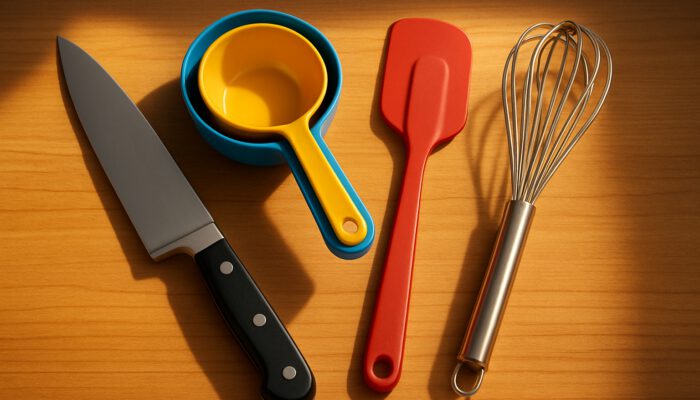
Your Guide to Essential Kitchen Tools for New Cooks
What Characteristics Define Beginner-Friendly Kitchen Tools?

When embarking on your cooking journey, beginner-friendly kitchen tools are designed to enhance your cooking experience and build your confidence. These tools typically feature user-friendly designs, lightweight materials, and surfaces that are simple to clean. This combination makes it easier for novices to navigate the kitchen with assurance. For example, a non-stick frying pan allows new cooks to prepare eggs without worrying about sticking, which not only simplifies the process but also instills a sense of accomplishment in their daily cooking routines.
Essential Categories of Kitchen Tools for Beginners
Starting your culinary adventure does not have to feel overwhelming. Concentrating on essential categories such as cutting tools, cooking utensils, and measuring equipment can provide a solid foundation for your skills. These versatile and affordable items enable you to progress smoothly in the kitchen. For instance, a high-quality chef’s knife can revolutionise your cooking by allowing you to chop a variety of ingredients, ranging from fresh vegetables to different types of meat, thereby significantly enhancing your culinary repertoire over time.
How Do Kitchen Tools Improve Everyday Cooking Experiences?
The right kitchen tools play a pivotal role in streamlining meal preparation, transforming it into an efficient and enjoyable activity. For instance, a reliable set of measuring cups guarantees you accurately measure ingredients for baking, resulting in delectable outcomes every single time. This accessibility empowers beginners to explore a wide array of cuisines and cooking techniques, cultivating a lifelong passion for culinary creativity and exploration.
What Safety Features Should Beginners Look for in Kitchen Tools?
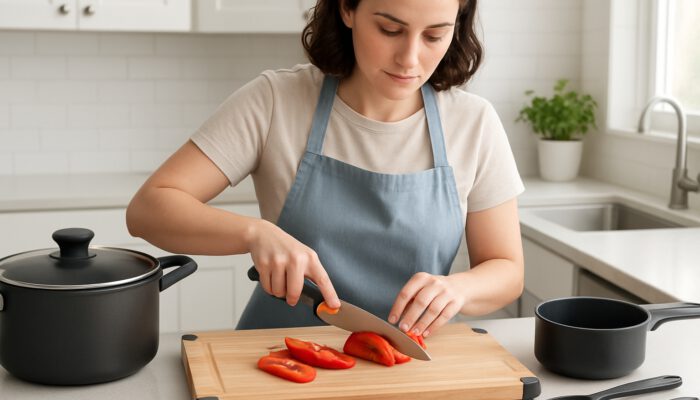
Safety should always be a priority in the kitchen, particularly for those just starting out. It is crucial to select kitchen tools that boast features such as heat-resistant handles, stable bases, and non-slip grips. These characteristics help mitigate accidents and create a secure cooking environment. For example, a cutting board equipped with rubber feet prevents slipping, allowing new cooks to focus on honing their knife skills without the fear of injury.
How to Care for and Maintain Your Basic Kitchen Tools
Proper care and maintenance of your essential kitchen tools are vital for ensuring their longevity and effectiveness. Regular cleaning is essential; using warm, soapy water with a non-abrasive sponge works well for most items. Additionally, storing your knives in a designated knife block or on a magnetic strip protects their edges and ensures safety. Conducting routine checks for wear and tear helps identify potential issues before they escalate, keeping your kitchen setup ready for daily culinary adventures.
How to Choose the Right Kitchen Tools for Your Needs?
What Factors Should You Consider for Quality and Ease of Use?
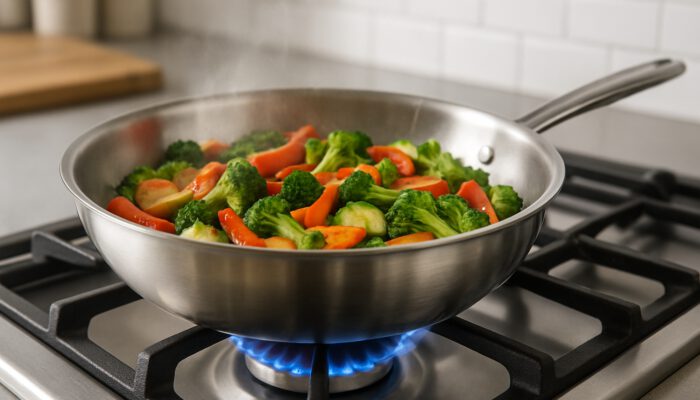
Choosing the right kitchen tools begins with evaluating durability, size, and material options. Select items that not only cater to your immediate needs but also withstand the test of time. For example, investing in stainless steel pans is wise due to their robust nature and even heat distribution, making them suitable for a variety of recipes. Striking a balance between cost and functionality ensures that your tools remain dependable as you enhance your cooking skills.
Why Is It Important to Start with Multi-Purpose Kitchen Tools?
Beginning with multi-purpose kitchen tools can significantly increase your cooking efficiency. By selecting versatile items, you can minimise clutter and create a more straightforward learning experience. For instance, a combination peeler that also zests citrus fruits saves both space and time. Here are some notable benefits of incorporating multi-purpose tools into your kitchen:
- Reduce clutter and save valuable space
- Enhance cooking efficiency
- Encourage innovative problem-solving in the kitchen
- Accommodate diverse cooking styles
Incorporating these tools into your daily routine allows for a smoother start to your culinary journey, empowering you to explore new recipes with confidence.
What Common Mistakes Should You Avoid When Choosing Kitchen Tools?
New cooks often make the mistake of overlooking the importance of ease of use or being drawn to overly complex gadgets. To prevent frustration, choose tools that feel comfortable in your hands and are intuitive to operate. For example, opting for a straightforward whisk instead of a complicated electric mixer can boost your confidence while allowing you to concentrate on mastering basic techniques and skills.
How to Consider Storage and Maintenance Needs When Selecting Tools?
Evaluating your kitchen’s storage capabilities and ease of maintenance is vital when choosing cooking tools. Ensure that items fit seamlessly in your kitchen, allowing for easy access without contributing to a cluttered atmosphere. Look for tools that are dishwasher safe or easy to clean by hand, as these will encourage regular use and help keep your kitchen organised. By planning for effective storage and maintenance from the outset, you set yourself up for a more enjoyable cooking experience.
Expert Recommendations for the Best Beginner-Friendly Kitchen Tools
What Are Effective Strategies for Maintaining Your Kitchen Tools?
Consistent maintenance of your kitchen tools is crucial for ensuring their long-term performance. Establish a routine that includes cleaning them thoroughly after each use, and store them in a manner that prevents damage. For instance, keeping knives in a knife block safeguards their sharpness and protects your fingers. These small habits can greatly extend the lifespan of your tools and enhance their usability over time.
What Benefits Come with Investing in Durable Kitchen Tools?
Investing in high-quality kitchen tools yields long-term advantages. Durable materials, such as high-carbon stainless steel for knives, guarantee reliability while remaining user-friendly for beginners. These items can withstand regular use, allowing novice cooks to develop their skills effectively without the anxiety of breakage or wear. Selecting tools designed for longevity empowers newcomers to fully explore their cooking potential.
How Are Basic Kitchen Tools Used in Real-World Cooking?
Beginner-friendly tools are versatile and can easily adapt to various cooking styles, making them indispensable for anyone starting out. A set of measuring spoons, for example, proves invaluable not only in baking but also for accurately seasoning savoury dishes. By incorporating these essential items into your cooking routine, you foster familiarity, which helps you build expertise and confidence in handling a range of culinary tasks.
What Expert Tips Can Help You Pair Tools with Recipes?
Effectively pairing your beginner-friendly tools with suitable recipes enhances both your cooking experience and the results you achieve. For instance, utilising a sturdy cutting board alongside a sharp knife streamlines meal preparation, making it both efficient and enjoyable. Select recipes that allow you to practice fundamental techniques, gradually introducing more complex methods as your confidence grows. Combining the right tools with appropriate recipes lays a solid foundation for your culinary success.
Research-Backed Advantages of Top Beginner-Friendly Kitchen Tools
How Do These Tools Enhance Cooking Efficiency?
Beginner-friendly kitchen tools are designed with simplicity in mind, significantly enhancing cooking efficiency. Their streamlined designs help new cooks optimise their workflows, minimising errors and saving valuable time during meal preparation. For instance, a measuring cup featuring clear markings guarantees accurate ingredient quantities, leading to superior outcomes with minimal effort.
What Key Advantages Support Skill Development?
The user-friendly features of kitchen tools nurture learning and creativity in the kitchen. For example, a non-stick baking sheet allows beginners to experiment with various recipes without the worry of sticking, making cooking more approachable and enjoyable over time. This supportive environment encourages new cooks to delve into their culinary interests and actively develop their skills.
What Trusted Methods Can You Use to Integrate Tools into Daily Cooking?
Incorporating essential tools into your daily cooking routines promotes consistent practice and skill enhancement. For example, keeping a set of measuring spoons readily accessible while preparing meals encourages their use. Here are some effective strategies for integrating tools into your routine:
- Designate a specific cooking area for easy access
- Prepare simple recipes that utilise your tools
- Rotate tools weekly to keep your cooking experience fresh
- Involve family or friends in the cooking process for shared learning
By embedding these tools into your everyday life, you foster steady improvement and ongoing enjoyment in the kitchen.
What Must-Have Features Should You Look for in Kitchen Tools?
What Safety Elements Are Important for Beginners?
Safety features are essential for every beginner. Look for kitchen tools that provide non-slip handles, heat-resistant materials, and stable bases. For example, a frying pan with a heat-resistant handle allows for comfortable cooking without the fear of burns, helping to build confidence during your initial cooking attempts. Prioritising these safety elements ensures a protected environment for aspiring chefs.
Why Is Ease of Cleaning a Crucial Feature?
Low-maintenance designs are vital for encouraging regular use of kitchen tools. Easy-to-clean items, such as silicone baking mats, support hygiene and motivate ongoing practice. When cleaning up after cooking is quick and effortless, you are more likely to experiment with different recipes, leading to growth in both skills and confidence.
How Can Kitchen Tool Features Adapt to Various Needs?
Kitchens are dynamic environments, and your tools should be adaptable to accommodate different skill levels. For example, a mandoline slicer with adjustable settings allows users to achieve various thicknesses, catering to both novice and experienced cooks. Such flexibility ensures that your kitchen tools evolve alongside your skills, enhancing your culinary journey.
Why Are Ergonomic Designs Beneficial for Comfort and Ease?
Kitchen tools designed with ergonomics in mind, featuring contoured handles and balanced weights, significantly reduce strain during use. This thoughtful design promotes longer cooking sessions, allowing beginners to concentrate on their tasks without experiencing discomfort. Additionally, these tools facilitate natural movements, fostering confidence and preventing discouragement early in the learning process.
How Do Versatile Features Support Skill Growth?
Multi-purpose features in kitchen tools are invaluable for beginners. Tools that have interchangeable parts or adjustable settings can adapt to varying recipes as users progress. For instance, a food processor can chop, slice, and puree, making it an essential companion for trying out new dishes. This adaptability not only conserves space but also offers ongoing value, supporting the transition from simple to complex cooking without the need for constant equipment upgrades.
Best Practices for Maintaining and Upgrading Your Kitchen Tools
What Simple Routines Can Help Ensure Long-Term Care?
Establishing straightforward maintenance practices is key to preserving the functionality of your kitchen tools. Regular cleaning after each use is crucial; consider employing a mild detergent suitable for most materials. Moreover, store your tools in a way that prevents damage, such as hanging knives on a magnetic strip. These small, consistent habits can ensure that your tools remain effective and ready for your cooking adventures.
How to Identify When It’s Time for an Upgrade?
Recognising when your kitchen tools require replacement is important. Signs such as visible wear, rust, or diminished functionality can indicate the need for an upgrade. If a tool no longer meets your cooking needs or is causing frustration, consider investing in a higher-quality option that aligns with your growing skills and enhances your culinary journey.
How to Expand Your Kitchen Collection Beyond the Basics?
As you gain culinary experience, thoughtfully adding more tools can significantly enhance your overall capabilities. Focus on selecting items that complement your current collection and offer greater versatility in your cooking. For example, acquiring a set of mixing bowls can streamline meal prep and organisation, making it easier to tackle more ambitious recipes. Gradually expanding your toolkit empowers you to explore new cooking techniques and cuisines with confidence.
Frequently Asked Questions (FAQs)
What Kitchen Tools Are Essential for Beginners?
Essential tools for beginners include a chef’s knife, measuring cups and spoons, a cutting board, a non-stick frying pan, and mixing bowls. These items provide a solid foundation for a variety of recipes and cooking techniques.
How Can I Ensure My Kitchen Tools Are Safe to Use?
Look for tools that incorporate safety features such as non-slip handles, heat-resistant materials, and stable bases. Always handle tools correctly and inspect them for any signs of wear before use to maintain a safe cooking environment.
Why Is It Important to Maintain Kitchen Tools?
Regular maintenance extends the lifespan of your kitchen tools, ensuring they remain effective and safe for use. Cleaning them after each use and storing them properly can prevent damage and enhance their functionality.
How Can I Choose the Right Kitchen Tools for My Needs?
Consider factors such as durability, ease of use, and versatility when selecting kitchen tools. Choose items that suit your cooking style and fit well within your kitchen space.
What Safety Features Should I Look for in Kitchen Tools?
Key safety features include heat-resistant handles, non-slip grips, and sturdy bases. These elements help prevent accidents and ensure that beginners can concentrate on learning to cook.
Can Multi-Purpose Tools Replace Specialised Ones?
Yes, multi-purpose tools are excellent for beginners as they minimise clutter and enhance efficiency. They enable you to perform various tasks without needing multiple specialised items, making your cooking experience much more manageable.
When Should I Consider Upgrading My Kitchen Tools?
Consider upgrading your tools when you observe wear and tear or if they no longer meet your cooking needs. Investing in higher-quality options can support your growing skills and enhance your culinary experience.
How Can I Integrate My Kitchen Tools into Daily Cooking?
Establish a designated cooking area, keep tools accessible, and choose simple recipes that utilise them. Regular practice will reinforce your skills and build confidence in the kitchen.
What Should I Do If My Kitchen Tools Are Difficult to Clean?
If cleaning is challenging, consider replacing them with low-maintenance options. Tools made from materials like silicone or stainless steel are typically easier to clean and require less effort to maintain.
Are Ergonomic Kitchen Tools Worth the Investment?
Absolutely, ergonomic kitchen tools are beneficial for reducing strain and enhancing comfort during use. They promote longer cooking sessions and can prevent fatigue, making them an excellent investment for beginners.