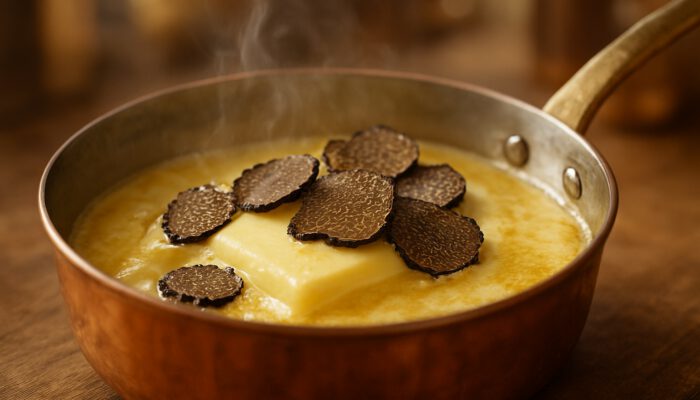
Essential Steps for Preparing Truffles and Butter for Infusion
Choosing Superior Ingredients for Infusion
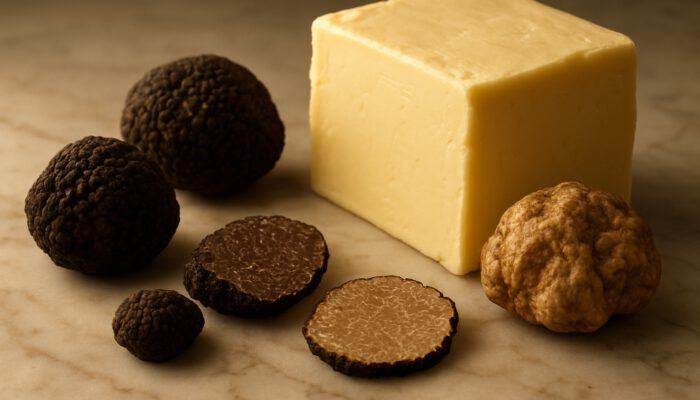
Selecting high-quality truffles and butter is essential for a successful infusion. The quality of these ingredients directly influences the aroma and texture of the final product. Always opt for fresh truffles, such as the esteemed black truffle or the delicate white truffle, and choose premium unsalted butter to allow the truffle flavours to shine through.
Harmonising flavours is crucial for a well-balanced infusion. For example, earthy truffles pair wonderfully with rich, creamy butters. By choosing superior ingredients, you lay the groundwork for a luxurious culinary experience that elevates your dishes, whether they are pasta, risotto, or simple spreads on artisan bread.
How Can You Determine the Freshness of Ingredients?
To assess the freshness of truffles, begin by checking their natural scent. Fresh truffles should exude a strong, earthy aroma. A firm texture is also a key indicator of quality; they should not feel mushy or overly soft. When evaluating butter, look for any off odours or discoloration, which may signal spoilage.
Freshness is vital for achieving a vibrant infusion. If the truffles or butter are not fresh, the infusion will lack depth and complexity. Always procure your ingredients from reputable suppliers or local markets that are known for high-quality produce to ensure optimal results in your culinary projects.
Effective Cleaning and Slicing Techniques
Properly cleaning truffles is essential to remove any debris without causing damage. Gently brush the truffles with a soft brush or cloth under running water to eliminate dirt. After cleaning, dry them carefully with a paper towel to preserve their integrity before slicing.
Slicing truffles requires precision to maximise surface area exposure. Aim for thin, even slices, as this increases the truffle’s contact with the butter, enhancing the infusion process. The greater the surface area exposed, the more essential oils are released, contributing to a richer flavour profile in the final butter.
Top Strategies for Infusing Butter with Truffles
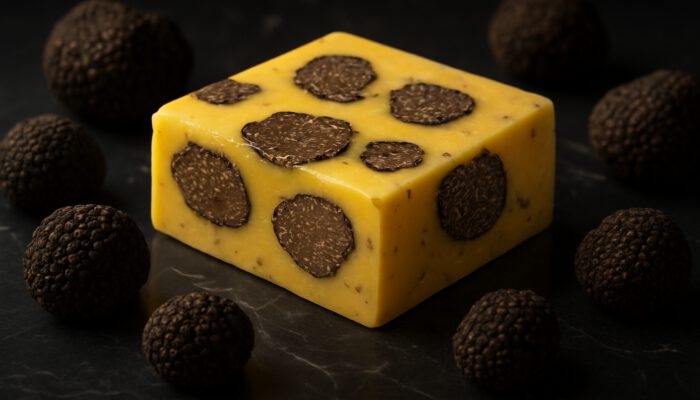
How to Maintain Optimal Temperature Control During Infusion
Temperature control is crucial during the infusion process. Maintaining optimal temperatures prevents the separation of butter and preserves the delicate compounds found in truffles. Ideally, melt the butter slowly over low heat to ensure it remains stable and does not burn.
Careful temperature monitoring throughout the infusion will yield consistent results. Using a thermometer can help ensure the butter reaches the appropriate warmth, typically around 60°C (140°F), facilitating effective flavour transfer without compromising the aromatic qualities of the truffles.
What Are the Best Timing Practices for Infusion?
Timing the infusion correctly is vital for achieving full flavour integration. The ideal infusion time can vary based on the type of truffles used and personal taste preferences. Generally, a steeping time of 30 minutes to one hour is recommended, allowing the flavours to meld without over-extraction.
To prevent under or over-extraction, taste the butter periodically during the infusion process. This practice ensures that the desired intensity is achieved, allowing you to adjust the timing based on the specific characteristics of the truffles you are using.
What Are the Recommended Ratios for Infusion?
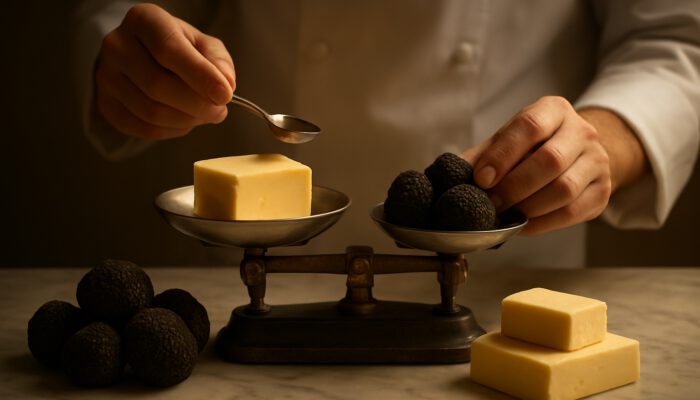
Balancing the quantities of truffles to butter is essential for achieving the ideal flavour intensity. A commonly recommended ratio is 1 ounce of truffles to 1 cup of butter, which provides a robust truffle flavour without overwhelming the butter’s natural richness.
For lighter applications, such as spreading on bread, consider a ratio of 0.5 ounces of truffles to 1 cup of butter. Adjusting these ratios based on the dish you are preparing can enhance the overall culinary experience, whether it’s a decadent pasta sauce or a simple garlic bread topping.
What Are the Essential Steps in the Infusion Method?
How to Melt Butter Evenly for Infusion
Melting the butter evenly is crucial for a successful infusion. Use a double boiler or a small saucepan over low heat to ensure the butter melts slowly without burning. This gentle approach preserves the butter’s integrity and prepares it to absorb the truffle essences effectively.
Once the butter is melted, remove it from the heat and allow it to cool slightly before adding the truffles. This step is important; adding truffles to excessively hot butter can damage their delicate aromatic compounds, resulting in a less flavourful infusion.
When Should You Incorporate Truffles into the Butter?
The timing of adding truffles is key to maximising flavour transfer. Incorporate the truffles into the melted butter once it has reached a warm, but not hot, state. This temperature allows the truffle’s essential oils to infuse into the butter without compromising their delicate aromas.
Monitoring the butter’s temperature during this phase is essential. If the butter is too hot, it can lead to a loss of the truffle’s unique characteristics. Aim for a balance that allows for optimal flavour infusion while preserving the integrity of the truffles.
How Long Should the Steeping Last?
Steeping duration significantly influences the depth of flavour achieved in your infused butter. A general guideline is to steep the truffles in the warm butter for 30 to 60 minutes, depending on the desired intensity of flavour.
Careful monitoring during this time is crucial. Taste the butter periodically to determine when the desired strength is reached. If the flavour is too mild, consider extending the steeping time by 10 to 15 minutes to ensure you achieve the perfect balance for your culinary applications.
What Are the Best Practices for Straining and Cooling?
After the infusion period, it’s important to strain the mixture to remove any solid truffle pieces. Use a fine mesh strainer or cheesecloth to ensure a smooth final product. This step is essential for achieving a refined texture, allowing the infused butter to be used seamlessly in various dishes.
Once strained, allow the butter to cool properly before transferring it to storage containers. Cooling helps to set the consistency and ensures the flavours meld together beautifully. Proper cooling also prevents condensation, which can affect the quality of the infused butter over time.
How to Verify the Quality of Your Infusion?
Tasting a small sample of the infused butter after the steeping period is the best way to assess the quality of the infusion. This practice allows you to determine whether the truffle flavour has infused adequately. If the flavour is too subtle, consider extending the infusion process for optimal results.
When evaluating the infusion quality, pay attention to the balance of flavours. A well-infused butter should have a rich, earthy aroma and a distinct truffle flavour that enhances the butter’s natural creaminess. Adjustments can be made based on personal preferences to achieve the perfect infusion.
Practical Tips for Infusing Butter with Truffles
How Can You Store Your Infused Butter Effectively?
What Containers Are Best for Storage?
Using airtight containers is essential for protecting infused butter from external elements that might degrade its quality. Glass jars or high-quality plastic containers with tight-fitting lids work well to prevent air exposure, which can lead to rancidity over time.
When selecting containers, consider the size based on your intended use. Smaller jars are ideal for short-term storage, while larger containers can be used for bulk batches. Properly sealed containers will help maintain the infused butter’s freshness and flavour for extended periods.
Should You Refrigerate or Freeze Your Infused Butter?
Deciding between refrigeration and freezing depends on your planned usage timelines. Refrigeration is suitable for short-term use, typically up to two weeks, while freezing can preserve the infused butter for several months without significant loss of flavour.
To freeze infused butter, portion it into smaller amounts using ice cube trays or silicone moulds. Once frozen, transfer the cubes to an airtight container for long-term storage. This method allows for convenient usage while maintaining peak freshness and flavour integrity.
What Signs Indicate Spoilage Risks?
Monitoring for signs of spoilage is crucial to ensure the safety and quality of your infused butter. Changes in colour, such as darkening or unusual spots, can indicate spoilage. off odours or a rancid smell are clear indicators that the butter is no longer safe to consume.
Texture changes can also signal spoilage. If the butter becomes overly soft or develops an unusual grainy texture, it may be time to discard it. Regularly checking your infused butter will help you enjoy it at its best while preventing any unpleasant surprises.
Why Is Labelling and Dating Important?
Marking containers with preparation dates and infusion details is a best practice for tracking storage times accurately. This simple step helps prevent the use of expired products and ensures you maintain the highest standards of quality and safety in all culinary applications.
Include information such as the type of truffles used and the infusion date. This practice not only helps in managing your pantry but also enhances your cooking experience by providing clarity on the freshness and flavour profile of your infused butter.
Benefits of Infusing Butter with Truffles in Culinary Applications
What Are Some Real-World Examples of Culinary Uses?
Infused butter with truffles offers versatile applications in various dishes, showcasing its advantages in enhancing meals with minimal effort. For instance, using truffle-infused butter in risottos can elevate the dish, providing a luxurious finish that impresses guests.
Spreading truffle butter on warm bread or using it to sauté vegetables can transform simple recipes into gourmet experiences. The rich, earthy flavour of truffles enhances the overall dish, making it a valuable addition to any culinary repertoire, whether at home or in professional kitchens.
How Can Infusion Enhance Nutritional Profiles Naturally?
Infusion methods can retain beneficial compounds from truffles, adding value to everyday butter. Truffles contain antioxidants and other nutrients that can enhance the nutritional profile of your butter, making it not only flavourful but also a healthier choice for your cooking needs.
Incorporating truffle-infused butter into your diet can contribute to a more balanced intake of nutrients while enjoying the rich flavours. This straightforward yet effective method allows you to elevate your culinary creations while benefiting from the nutritional advantages of truffles.
What Are the Steps for Scaling Recipes Effectively?
Adjusting batch sizes for infused butter requires precise calculations to ensure consistency in flavour and quality. When scaling recipes, maintain the same ratios of truffles to butter to achieve similar flavour profiles in larger or smaller batches.
For example, if you want to double a recipe that uses 1 ounce of truffles per cup of butter, simply use 2 ounces of truffles for 2 cups of butter. This approach ensures that the infusion remains balanced, regardless of the quantity you are preparing, allowing for flexibility in your culinary projects.
How Does Infusion Mechanism Enhance Flavour?
Scientific investigations reveal that infusing butter with truffles significantly enhances flavour through the release of unique volatile compounds. This process provides a richer and more aromatic experience compared to regular butter, making it an attractive option for everyday cooking applications.
The infusion process allows the butter to absorb the truffle’s complex flavour profile, enriching dishes with depth and sophistication. This enhancement mechanism is particularly beneficial in global cuisines, where truffles can elevate traditional recipes to new heights of culinary excellence.
What Factors Influence the Results of Truffle Infusion?
How Do Ingredient Ratios Affect Taste?
Varying the proportions of truffles and butter directly alters the strength of flavours obtained. Careful measurement of these ingredients is essential for achieving consistent desired outcomes in your infused butter. For instance, increasing the amount of truffles will yield a more intense flavour.
Conversely, using less truffle will result in a milder infusion. Understanding how these ratios impact taste allows you to tailor the infusion process to suit your palate and the specific dishes you plan to enhance with your truffle butter.
What Are the Environmental Conditions That Affect the Infusion Process?
Room temperature and humidity levels can significantly influence the infusion process. High humidity can affect the butter’s texture, while cooler room temperatures may slow down the infusion, leading to a less potent flavour.
To achieve optimal results, aim for a controlled environment during the infusion. Ideally, work in a warm, dry kitchen to promote effective flavour transfer and maintain the butter’s quality throughout the infusion process.
How Do Duration and Method Variations Impact Infusion Results?
Different steeping times and techniques can produce unique results in truffle-infused butter. For example, a short, hot infusion may yield a more robust flavour, while a longer, cold infusion can result in a subtler taste profile.
Experimenting with various methods allows you to discover the best approach for your preferences. Whether you choose gentle heating or a cold infusion, understanding how these variations affect the final product will enhance your culinary skills and elevate your dishes.
What Is the Importance of Truffle Freshness and Quality?
The freshness and quality of truffles play a crucial role in determining the potency of flavours infused into the butter. Older truffles may yield weaker results, affecting both the aroma and taste of the final product.
Always source the freshest truffles available, whether from local markets or reputable suppliers. This commitment to quality ensures that your infused butter will have the rich, earthy flavour characteristic of high-quality truffles, enhancing your culinary creations.
How Do Storage Conditions Post-Infusion Affect Quality?
Proper storage after completing the infusion process is vital for maintaining the integrity of flavours and preventing spoilage. Store infused butter in airtight containers in a cool, dark place, preferably in the refrigerator or freezer, to prolong its shelf life.
Monitoring storage conditions helps ensure that your truffle butter remains fresh and aromatic for extended periods. Regularly check for any signs of spoilage, such as off odours or changes in texture, to enjoy the best quality in your culinary applications.
What Common Mistakes Should You Avoid During Butter Infusion?
How to Prevent Overheating the Mixture
Excessive heat can destroy delicate flavours during the infusion process. To prevent this common error, always melt butter slowly over low heat. Using a double boiler can provide more control over the temperature, ensuring the infusion maintains its quality.
Paying close attention to heat sources is essential for achieving the desired results. Avoid distractions while melting the butter, as even a moment of inattention can lead to burnt butter and compromised flavour, ruining the infusion from the start.
Why Is Measuring Truffle Quantities Important?
Using insufficient truffle quantities can result in weak taste profiles, making accurate measurement vital. If you desire a robust truffle flavour, ensure adherence to recommended ratios for your infusion, as this significantly impacts the final product’s quality.
Consider the type of dish you are preparing when determining the quantity of truffles to use. For richer dishes, a higher truffle-to-butter ratio will yield more satisfying results, while lighter applications may require less truffle for balance.
How to Maintain Proper Hygiene During the Process?
Maintaining clean tools and surfaces is crucial to avoid contamination issues that could spoil the butter. Always wash your hands, utensils, and containers before starting the infusion process to ensure a safe and hygienic environment for your culinary creations.
Proper hygiene practices not only protect the quality of your infused butter but also ensure safety during preparation and storage. Taking these precautions will help you enjoy the best flavours while minimising any risks associated with foodborne illnesses.
FAQs
Which Types of Truffles Are Best for Infusion?
Black and white truffles are both excellent choices for infusion, with black truffles offering a robust, earthy flavour and white truffles providing a more delicate aroma.
Is It Possible to Use Frozen Truffles for Infusion?
Yes, frozen truffles can be used for infusion, but ensure they are properly thawed and cleaned before use to achieve the best flavour results.
What Is the Shelf Life of Truffle-Infused Butter?
Truffle-infused butter can last up to two weeks in the refrigerator and several months when frozen, provided it is stored in airtight containers.
Can I Infuse Butter with Truffle Oil Instead?
While truffle oil can add flavour, it lacks the complexity of fresh truffles. For the best results, use real truffles for infusion.
Which Dishes Benefit Most from Truffle Butter?
Truffle butter enhances a variety of dishes, including pasta, risottos, vegetables, and even simple spreads on bread or crackers.
Is There a Vegan Alternative to Truffle-Infused Butter?
Yes, you can use plant-based butters or oils as a base for infusing with truffles, providing a similar flavour profile for vegan dishes.
How Can I Tell If My Truffle Butter Has Spoiled?
Signs of spoilage include off odours, changes in colour, or an unusual texture. If you notice any of these, it’s best to discard the butter.
Can I Reuse Infused Butter?
It’s not recommended to reuse infused butter, as the truffle flavour diminishes with each use. Fresh infusions provide the best quality and flavour.
What Is the Best Method to Melt Butter for Infusion?
The best way to melt butter for infusion is using a double boiler or a saucepan over low heat, ensuring it melts evenly without burning.
Are There Any Health Benefits Associated with Truffles?
Truffles contain antioxidants and other beneficial compounds that may enhance overall health, making truffle-infused butter a flavourful and nutritious addition to your diet.