
How to Choose the Ideal Duck and Tea for Smoking
Identifying Fresh Duck for Optimal Results
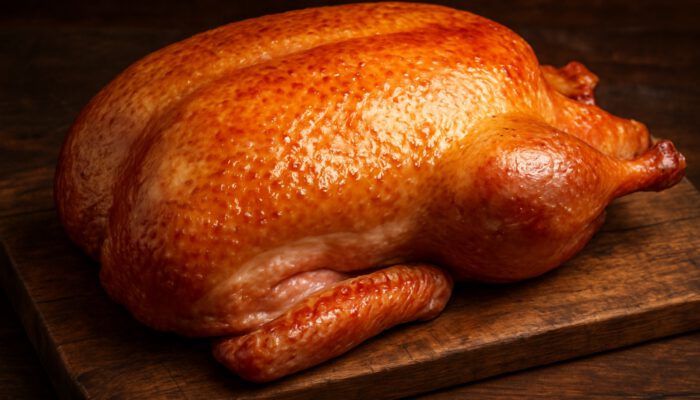
Selecting top-quality duck is essential for achieving exceptional outcomes in tea smoking. Look for ducks with a firm texture and vibrant colour, as these traits indicate freshness. A fresh duck retains moisture during the smoking process, ensuring that its natural flavours are maintained throughout cooking. When selecting a duck, take into account its fat content; a well-fatted bird will help keep the meat juicy and tender, enhancing the overall dish.
Sourcing from trusted suppliers can significantly influence the quality of your duck. Free-range ducks sourced from local farms often deliver superior flavour and texture compared to mass-produced alternatives. This choice not only supports ethical farming practices but also ensures that the meat absorbs the tea smoke uniformly, resulting in a tender and delectable final product.
Which Tea Varieties Are Best for Smoking Duck?
The type of tea you select for tea smoking duck greatly impacts the overall flavour profile. Black teas, such as Lapsang Souchong, impart a robust, smoky aroma that complements the rich duck meat beautifully. In contrast, green teas offer a more delicate, grassy note that can enhance the dish without overpowering it. Each tea variety brings unique aromas and flavours, allowing for a personalised touch based on your preferences.
Experimenting with different tea leaves can lead to exciting flavour combinations. For example, blending green tea with spices such as star anise or cinnamon can create a distinctive infusion that enhances the duck’s natural flavours. the best choice depends on your desired taste outcome, so feel free to explore various options to discover the perfect match for your tea-smoked duck.
Choosing the Right Wood Chips for Smoking
When selecting wood chips for smoking, it’s vital to choose varieties that elevate the smoke quality without overpowering the duck. Key benefits of selecting the appropriate wood chips include:
- Enhancing flavour complexity without overshadowing the tea.
- Providing a balanced infusion that complements the richness of the duck.
- Contributing to a consistent smoke profile throughout cooking.
- Offering unique aromas that can be tailored to personal taste preferences.
Hickory, applewood, and cherry wood are popular options that add distinct flavour notes to the smoking process. Hickory delivers a strong, bold flavour, while fruit woods like apple and cherry offer a sweeter, milder smoke. Choosing the right wood chips enables you to create a harmonious blend of flavours that elevates your tea-smoked duck experience.
Understanding the Process of Tea Smoking
How to Set Up Your Smoking Chamber Effectively
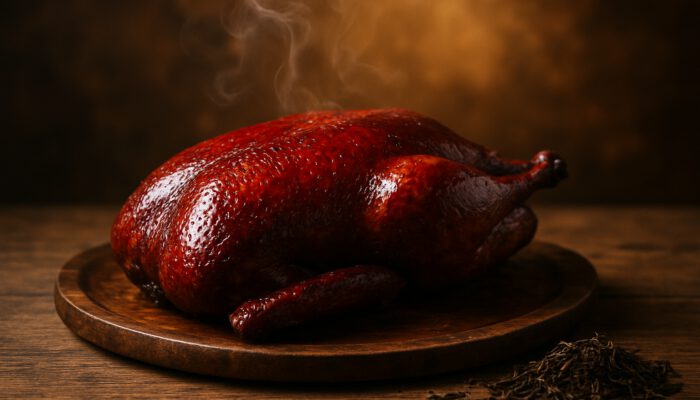
Creating an effective smoking chamber is crucial for the tea smoking process. A straightforward setup can be achieved using a stovetop smoker or a dedicated smoking box. The goal is to ensure that the duck is enclosed in a controlled environment that allows smoke to circulate evenly around it. This setup locks in moisture and gradually develops complex layers of flavour, resulting in perfectly smoked duck.
To prepare your smoking chamber, start by placing a layer of wood chips at the bottom and adding your chosen tea leaves on top. The gentle heat activates the tea and wood, creating aromatic smoke that envelops the duck. Ensure the chamber is well-sealed to prevent smoke from escaping, allowing for maximum flavour infusion during cooking.
What to Know About Smoke Absorption
The tea smoking process relies on gentle heat to release compounds from the tea and wood, which then penetrate the meat’s surface. This slow infusion creates depth of flavour while preventing any harsh or burnt notes from high heat. Smoke absorption is gradual, allowing the duck to embrace the aromatic qualities without becoming overwhelmed.
During smoking, the duck’s skin acts as a barrier, allowing the smoke to flavour the meat without direct contact. This technique ensures flavours develop over time, resulting in a tender and flavourful dish. Understanding this process is essential for achieving the desired taste and texture in your tea-smoked duck.
Keeping an Eye on Temperature Levels
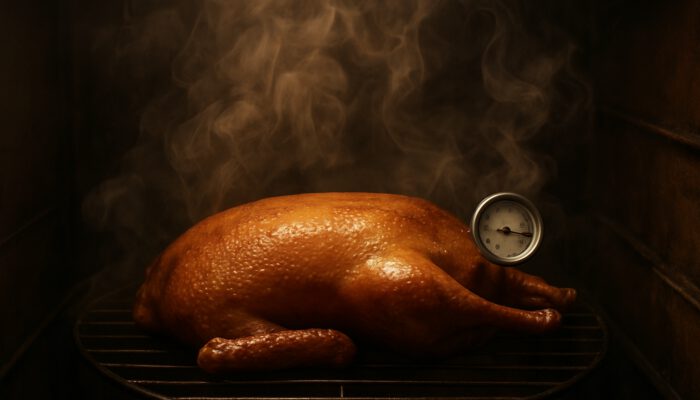
Maintaining a steady, low heat is crucial for successful tea smoking. An ideal temperature range of 70°C to 90°C (160°F to 200°F) prevents the meat from drying out while promoting even cooking. This controlled environment allows the duck to cook slowly, resulting in tender meat infused with smoky characteristics that complement various side dishes.
Using a reliable thermometer is key for monitoring the temperature inside the smoker. Regular checks ensure optimal conditions for smoke infusion, guaranteeing that the duck is cooked evenly. Temperature fluctuations can lead to uneven cooking and affect the final texture and taste of the meat, making it vital to keep a close watch on the heat levels throughout the smoking process.
Expert Tips for Crafting a Classic Tea-Smoked Duck
Timing Your Smoking for Maximum Impact
Timing is a crucial element in creating the perfect tea-smoked duck. The duration of the smoking process can significantly influence aroma retention and the meat’s texture. Generally, a smoking time of 1.5 to 2 hours is recommended for a whole duck, although this can vary based on the size of the bird and the strength of the tea used.
To maximise aroma retention, consider the thickness of the duck’s skin and its fat content. Thicker skin may require a longer smoking time to allow flavours to penetrate adequately, while a leaner bird may need less time. Keeping a close eye on the clock and making adjustments as needed will help you achieve consistent results in your tea-smoked duck.
How to Balance Smoke Intensity for Best Results
Achieving the right balance of smoke intensity is vital for successful tea-smoked duck. Different tea strengths can dramatically influence the final flavour, so adjustments are essential. For example, if using a strong black tea like Lapsang Souchong, consider reducing the smoking time to avoid overpowering the duck’s inherent qualities.
Real-world examples show that even slight changes can lead to significant improvements. If your initial attempt resulted in an overly strong smoky flavour, try using a milder tea or shortening the smoking duration in future attempts. This fine-tuning process allows you to create a dish that highlights the duck’s natural flavours while still enjoying the benefits of tea smoking.
Enhancing Flavours with Seasoning Techniques
Incorporating herbs and spices early in the smoking process builds a foundational taste that harmonises with the tea smoke. Consider using a marinade that features ingredients like soy sauce, ginger, and garlic to elevate the duck’s natural flavours. These elements not only tenderise the meat but also create a flavour base that complements the smoky infusion.
When seasoning, keep the balance between the marinade and the tea smoke in mind. The aim is to create a cohesive flavour profile that enhances the dish without overwhelming it. Experimenting with various herbs and spices can lead to exciting variations, allowing you to refine your technique and elevate your tea-smoked duck to new heights.
What Are the Essential Steps for Assembly?
Creating a Balanced Marinade Base
Crafting a marinade base is a crucial step in preparing your tea-smoked duck. A well-balanced marinade typically includes essential liquids like soy sauce, rice wine, and a blend of spices that tenderise the duck while adding moisture. This combination enhances flavour and promotes better smoke adhesion during the heating phase.
To prepare the marinade, thoroughly mix your chosen ingredients, ensuring an even distribution of spices. Once combined, generously coat the duck with the marinade, allowing it to soak for a minimum of a few hours, preferably overnight. This resting period enables the flavours to penetrate the meat, setting the stage for a delicious tea-smoked outcome.
Properly Trussing the Duck for Even Cooking
Trussing the duck is an important step that helps maintain its shape during the smoking process. Properly securing the bird ensures even smoke distribution and heat penetration, resulting in thorough cooking without uneven areas or loss of juices. To truss the duck, use kitchen twine to tie the legs together and secure the wings against the body.
Begin by placing the duck breast-side up on a cutting board. Tuck the wing tips underneath the bird, then tie the legs together at the ankles. This method keeps the duck compact, allowing for more efficient cooking and smoke absorption. Proper trussing not only improves the presentation but also enhances the overall cooking experience.
Arranging the Duck in the Smoker for Best Results
Positioning the duck correctly in the smoker is essential for achieving uniform flavour development. Here are key benefits of proper positioning techniques:
- Ensures even exposure to smoke, enhancing flavour consistency.
- Prevents hot spots that can lead to uneven cooking.
- Allows for better circulation, promoting moisture retention.
- Facilitates easier monitoring of the cooking process.
Place the duck on a rack in the smoker, ensuring it does not touch the sides or bottom. This arrangement allows smoke to circulate freely around the bird, resulting in a beautifully infused and evenly cooked tea-smoked duck.
Monitoring the Smoker Temperature for Optimal Results
Verifying the internal temperature of the smoker before placing the duck inside is crucial for optimal smoking conditions. Ensuring that the smoker reaches the desired temperature range of 70°C to 90°C (160°F to 200°F) helps achieve the best results for smoke infusion. Fluctuations in temperature can impact the final texture and taste of the cooked poultry, making careful monitoring essential.
Using a reliable thermometer will help you maintain consistent heat levels throughout the smoking process. If the temperature is too low, the duck may not cook properly, while excessive heat can lead to dryness. Taking the time to check the smoker temperature guarantees that your tea-smoked duck turns out tender and flavourful.
Proven Strategies for Crafting a Classic Tea-Smoked Duck
Importance of Resting for Enhanced Flavour
Allowing sufficient cooling time after smoking is an essential step in preparing your tea-smoked duck. This resting period helps redistribute the internal juices, resulting in improved sliceability and enhanced mouthfeel when served. Ideally, let the duck rest for at least 15 to 20 minutes before carving, allowing flavours to settle and the meat to firm up slightly.
During this time, you can prepare your sides or garnishes, ensuring everything is ready for serving. Resting enhances the overall dining experience and contributes to a more visually appealing presentation, showcasing the beautiful pink smoke ring that indicates a well-smoked duck.
Accurate Methods for Testing Doneness
To ensure your tea-smoked duck is perfectly cooked, using reliable indicators such as internal temperature readings is essential. The ideal internal temperature for duck is around 74°C (165°F), which guarantees that the meat is safe to eat while retaining its desired tenderness. A meat thermometer is a valuable tool for checking doneness, allowing you to avoid overcooking.
To temperature, observe the colour and texture of the meat. The skin should be crisp and golden, while the meat should appear moist and slightly pink. These visual cues, combined with accurate temperature readings, will help you achieve a perfectly cooked tea-smoked duck every time.
Incorporating Real-World Variations for Unique Flavours
Adjusting wood types and tea varieties can introduce new aroma profiles to your tea-smoked duck, providing opportunities for personalisation while staying true to core techniques. For instance, using mesquite wood chips can impart a bolder, more robust flavour, while lighter fruit woods like apple or cherry offer a sweeter, milder smoke.
Real-world examples illustrate how these variations can elevate the dish. For instance, pairing a green tea with cherry wood can create a delightful contrast, enhancing the duck’s natural flavours without overpowering them. Exploring different combinations keeps the dish exciting and allows you to discover new favourites that suit your palate.
Choosing Premium Duck for the Best Results
Sourcing free-range ducks from trusted local Australian suppliers guarantees superior flavour and texture in your tea-smoked duck. This careful selection supports ethical farming practices while ensuring that the meat absorbs the tea smoke uniformly. Free-range ducks typically have a richer flavour and firmer texture, making them ideal for this cooking method.
When shopping for duck, look for labels indicating humanely raised and free-range practices. These ducks are often raised on natural diets, contributing to their superior taste. Investing in high-quality ingredients will significantly enhance your final dish, making your tea-smoked duck a memorable culinary experience.
Best Practices for Serving and Storing Your Dish
Carving Techniques for a Stunning Presentation
Properly carving your tea-smoked duck is essential for showcasing its beautiful presentation. Slicing against the grain is the best technique, as it highlights the pink smoke ring and keeps portions neat. This method enhances visual appeal and makes dining more enjoyable for everyone at the table.
When carving, start by removing the legs and thighs, followed by slicing the breast meat. Aim for even, thin slices to ensure that each portion retains its juiciness and flavour. A well-carved duck not only looks impressive but also enhances the overall dining experience, making your tea-smoked duck the star of the meal.
Storage Methods to Preserve Quality
To maintain the quality of your tea-smoked duck after cooking, it’s crucial to cool it quickly and wrap it tightly. This helps prevent spoilage and preserves the smoky essence for several days. Store the duck in an airtight container or wrap it in plastic film to protect it from air exposure, which can lead to flavour loss.
When properly stored in the refrigerator, smoked duck can last for up to four days. If you plan to keep it longer, consider freezing portions for future use. Proper storage ensures you can enjoy your tea-smoked duck later without significant loss of flavour or texture.
Choosing Complementary Sides for a Balanced Meal
Selecting suitable sides to accompany your tea-smoked duck is essential for creating a balanced meal. Fresh vegetables, such as sautéed greens or roasted root vegetables, complement the richness of the duck while adding colour and texture to the plate. Light grains, like quinoa or couscous, also work well, providing a neutral base that allows the duck’s unique taste to shine.
Consider incorporating seasonal produce to enhance the meal’s freshness and appeal. For example, pairing the duck with a citrus salad can provide a refreshing contrast to the smoky flavours. Thoughtful side selections will elevate your tea-smoked duck dish, creating a memorable dining experience for your guests.
Reheating Techniques to Maintain Quality
When it comes to reheating your tea-smoked duck, gentle methods are key to preserving quality. Using a low oven or steamer is ideal, as these techniques help revive the smoky aromas while keeping the meat moist. Avoid high heat, which can dry out the duck and diminish its flavours.
To reheat, preheat your oven to around 150°C (300°F) and place the duck in a covered dish to retain moisture. Heat for approximately 20-30 minutes, or until warmed through. This method ensures that each bite tastes freshly prepared, making it perfect for quick family meals or elegant dinners.
Choosing Appropriate Garnishes for Enhancements
Adding garnishes to your tea-smoked duck can elevate the dining experience by providing a refreshing contrast to its rich flavours. Fresh herbs, such as parsley or coriander, can add brightness and enhance overall presentation. Citrus wedges, like lemon or orange, also work well, offering a zesty element that complements the smoky notes.
When selecting garnishes, aim for ingredients that harmonise with the dish without overpowering it. A simple sprinkle of fresh herbs or a few citrus slices can transform your tea-smoked duck into a visually stunning and flavourful meal, impressing your guests and enhancing the overall experience.
Troubleshooting Common Issues with Tea-Smoked Duck
Solutions for Dry Meat Problems
Dry meat can be a common issue when smoking duck, but there are several techniques to retain moisture and improve texture. Key benefits of moisture retention methods include:
- Brining the duck beforehand can enhance juiciness.
- Using a marinade helps to infuse moisture during cooking.
- Cooking at low temperatures prevents excessive moisture loss.
- Resting the duck post-cooking allows juices to redistribute.
By implementing these strategies, you can rescue the texture of your tea-smoked duck and prevent future occurrences of dryness. Paying attention to these details will ensure a consistently moist and flavourful dish.
How to Fix Uneven Smoking Issues
If you encounter uneven smoking during the cooking process, repositioning the duck midway through can help ensure that all parts receive equal treatment. This technique leads to consistent results, avoiding patchy colour or taste in the finished product.
When you notice that one side is absorbing more smoke than the other, simply turn the duck around or rotate it within the smoker. This adjustment allows for better smoke distribution, resulting in a more uniform flavour profile. Regularly checking the duck during the smoking process will help you achieve the desired results.
Adjusting Overly Strong Flavours in the Duck
If your tea-smoked duck has an overly strong smoky flavour, there are ways to dilute the intensity in future attempts. One effective method is to shorten the smoking time, allowing the duck to absorb just enough flavour without becoming overwhelmed.
Consider using a milder tea or mixing different tea varieties to create a more balanced infusion. Experimenting with these approaches will help you achieve the desired classic infusion effect while still enjoying the complexities of tea smoking.
Frequently Asked Questions (FAQs)
1. What type of duck is best for smoking?
The best duck for smoking is typically a free-range duck, which has a richer flavour and better texture. Look for fresh, high-quality ducks with firm meat and good colour to ensure optimal results.
2. Can I use any type of tea for smoking?
While you can experiment with various teas, black and green teas are most commonly used for smoking duck. Black teas provide a robust flavour, while green teas offer a milder, more subtle profile.
3. How long should I smoke the duck?
A smoking time of 1.5 to 2 hours is generally recommended for a whole duck, but this can vary based on the size of the bird and the strength of the tea used.
4. What wood chips should I use for smoking?
Hickory, applewood, and cherry wood are popular choices for smoking duck. Each type of wood imparts different flavours, so feel free to experiment to find your preferred combination.
5. How do I know when the duck is done?
The ideal internal temperature for duck is around 74°C (165°F). Use a meat thermometer to check the temperature, ensuring the meat is safe to eat while retaining its tenderness.
6. Can I prepare the duck ahead of time?
Yes, you can prepare the duck ahead of time by marinating it and storing it in the refrigerator. Just be sure to allow adequate time for the flavours to penetrate before smoking.
7. How should I store leftover tea-smoked duck?
Cool the duck quickly, then wrap it tightly in plastic film or store it in an airtight container. Properly stored, it can last for up to four days in the refrigerator.
8. What are some good sides to serve with tea-smoked duck?
Fresh vegetables, light grains, and citrus salads are excellent sides that complement the richness of tea-smoked duck. They provide balance and enhance the overall dining experience.
9. Can I freeze tea-smoked duck?
Yes, you can freeze tea-smoked duck for future use. Ensure it is tightly wrapped to prevent freezer burn, and it can be stored for several months without significant loss of quality.
10. How do I reheat tea-smoked duck without drying it out?
Reheat tea-smoked duck gently in a low oven or steamer. This method helps preserve moisture and revive the smoky flavours, ensuring that the meat remains tender and enjoyable.

I really enjoyed your insights about selecting the right duck for tea smoking! I completely agree that freshness is crucial; I always make sure to check for that firm texture you mentioned. Something interesting I discovered recently is that the way ducks are raised can really impact their flavor. I’ve been getting mine from a local farm that practices sustainable farming, and the difference is noticeable!