
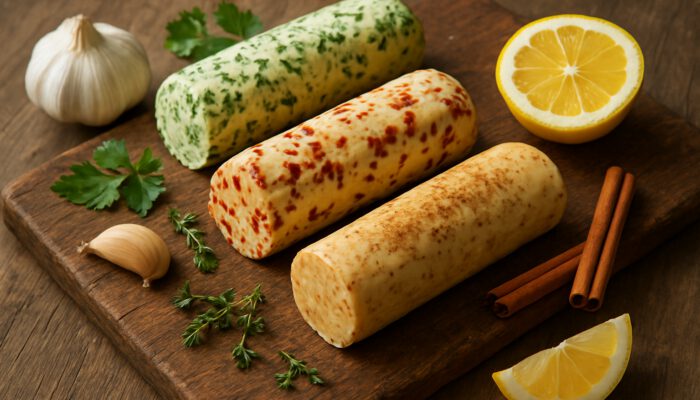
Choosing the Best Butter Bases for Homemade Compound Butter
Which Butter Type is Most Suitable?
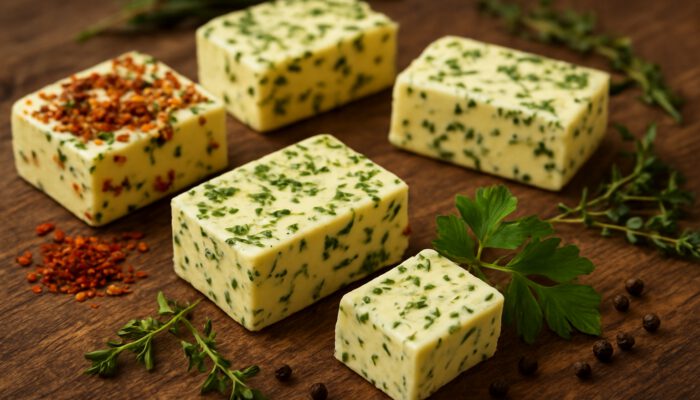
Selecting the right butter is vital for crafting exquisite compound butter varieties. Unsalted butter is recommended as it allows the flavours of added herbs and spices to shine without any interference. Opting for high-fat content butter, such as European-style options, delivers a richer taste and smoother texture, facilitating easier blending of additional ingredients.
To achieve the best results, consider the climate where you’ll be serving your butter. In warmer areas, a firmer butter will maintain its shape better when spread, while cooler climates may allow for a softer consistency. Always select butter that is fresh and free from additives to guarantee the best flavour absorption.
What is the Importance of Butter Composition?
High-quality butter is essential for creating compound mixtures that retain their integrity during blending and chilling. The ideal butter composition should have a fat content of at least 80%, which provides the necessary structure and creaminess. This ensures that your compound butter maintains its shape without separating, resulting in a professional-grade product each time.
When choosing butter, seek out options with minimal moisture, as excess water can create a grainy texture. The best butters will have a creamy consistency and a rich, buttery aroma, enhancing the overall experience of your homemade creations.
Benefits of Regional Dairy Selection
In Australia, the focus on fresh, local dairy products significantly enhances the quality of compound butters. The vibrant flavours of regional butter can elevate your culinary creations. Here are key ingredients to consider for optimal blending:
- Unsalted butter with high fat content
- Fresh herbs such as parsley and chives
- Spices like smoked paprika or cayenne pepper
- Citrus zests to add brightness
Utilising local dairy not only supports Australian farmers but also ensures the freshness that is crucial for achieving vibrant and delicious results in your compound butters.
Expert Techniques for Crafting Homemade Compound Butter
Fundamental Blending Strategies
To achieve a consistent flavour profile in your compound butter, start by ensuring your butter is at room temperature. This facilitates easier incorporation of herbs and spices. Cut the butter into small pieces and place it in a mixing bowl. Gradually add your chosen herbs and flavourings, using a spatula to fold them in gently.
Mix thoroughly yet avoid overworking the butter. This keeps clumps at bay and ensures even distribution of flavours throughout the batch. The aim is to create a harmonious blend that provides a delightful burst of taste with every bite, making your compound butter a standout addition to any dish.
Best Practices for Storage
Proper storage is essential for maintaining the freshness and usability of your compound butter. Wrap it tightly in baking paper or parchment, ensuring no air can enter. This prevents oxidation and preserves the vibrant flavours for several weeks. Storing it in an airtight container further protects against moisture and other contaminants.
Keep your compound butter in a cool environment, such as the refrigerator, to extend its shelf life. In warmer climates, consider freezing portions for long-term storage. This way, you can enjoy your homemade creations whenever the mood strikes, without compromising on quality or taste.
Efficiently Scaling Up Recipes
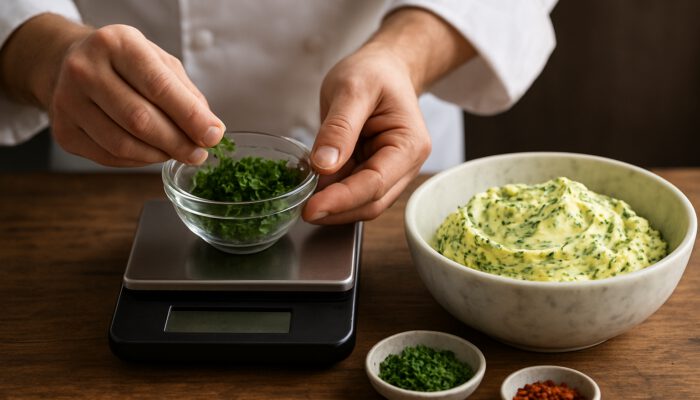
When preparing larger batches of compound butter, maintaining a balance of flavours and textures is crucial. Start by multiplying your base recipe ingredients while keeping the proportions consistent. This ensures that the final product retains the intended taste profile.
Using a kitchen scale for accurate measurements is advisable, particularly when working with herbs and spices. Adjusting quantities based on taste tests during the mixing process can help refine the flavour, allowing for a tailored approach to your larger batches without sacrificing quality.
Selecting Ideal Complementary Ingredients
Selecting the right complementary ingredients can transform your compound butter into a unique culinary masterpiece. Focus on herbs, spices, and additional elements that enhance the butter base without overpowering it. For example, fresh basil pairs beautifully with garlic, while lemon zest adds brightness to a dill butter.
Experiment with various combinations to discover what works best for your palate. Consider seasonal produce or local specialties, as these can provide unexpected yet delightful flavour profiles. The key is to create a balanced blend that showcases the best of each ingredient, resulting in a compound butter that elevates any dish.
What Tools are Essential for Preparation?
Essential Mixing Equipment
To create compound butter, you don’t need an extensive array of tools. Basic kitchen equipment will suffice, including mixing bowls, spatulas, and parchment paper. A sturdy mixing bowl allows for ample space to incorporate ingredients, while a spatula ensures thorough blending and easy transfer.
Consider having a food processor available for larger batches or more complex mixtures. This tool can streamline the blending process, especially when incorporating tougher ingredients like nuts or hard cheeses. With the right equipment, you can achieve precise control over the consistency and shape of your compound butter.
How Do You Select Fresh Ingredients?
Choosing fresh ingredients is vital for maximising the flavour of your compound butter. Look for ripe herbs and vegetables that are vibrant in colour and aromatic. Fresh herbs should be free from wilting or browning, as these signs indicate age and diminished flavour.
When sourcing produce, consider local farmers’ markets or organic grocers, where you can find seasonal ingredients at their peak. The freshness of these items directly translates into the taste of your compound butter, ensuring a bright and enjoyable culinary experience without any bitterness.
How to Prepare Your Workspace Effectively
A clean and organised workspace is crucial for efficient butter preparation. Start by clearing your countertop and ensuring all tools and ingredients are within reach. This not only speeds up the process but also reduces the risk of contamination from stray particles.
Wipe down surfaces with a sanitising solution before beginning. Having a designated area for mixing and shaping your butter can help maintain order. A tidy workspace contributes to a smoother workflow and ultimately leads to fresher-tasting butters, making the entire cooking experience more enjoyable.
Research-Backed Benefits of Homemade Compound Butter
Exploring Nutritional Advantages
Homemade compound butter can offer a range of nutritional benefits, particularly when infused with fresh herbs and spices. Ingredients like garlic, parsley, and rosemary are rich in vitamins and antioxidants, enhancing the overall health profile of your meals. Incorporating these into your diet can support balanced nutrition with minimal effort.
For instance, adding fresh herbs can boost your intake of essential vitamins such as K and A, which are crucial for maintaining good health. By making compound butter at home, you control the quality and quantity of ingredients, allowing you to create healthier options that deliver on taste.
What Makes Compound Butter Versatile in Cooking?
The versatility of compound butter is one of its most appealing features. It can elevate simple dishes into gourmet experiences effortlessly. From spreading on warm bread to melting over grilled meats or vegetables, the applications are limitless. This adaptability makes it a valuable addition to any kitchen.
Research indicates that compound butter can enhance the flavour of everyday meals, transforming them into something special. The ease of application means you can introduce gourmet touches to your cooking without extensive preparation, making it a practical choice for both novice and experienced cooks alike.
Why Should Health Considerations Be Important?
Understanding the health aspects of the fats used in your compound butter is essential. Different fats can influence your overall dietary intake, so tailoring your butter to meet specific health needs is beneficial. For instance, using grass-fed butter provides higher levels of omega-3 fatty acids and vitamins compared to conventional options.
By selecting quality fats and incorporating healthy herbs, you can enjoy the flavours you love while adhering to dietary preferences or restrictions. This balance allows for a satisfying culinary experience that doesn’t compromise on health, making homemade compound butter a smart choice for anyone looking to enhance their meals.
How Does the Mixing Process Impact Texture?
Maintaining Temperature Control
Maintaining the right temperature during the mixing process is crucial for achieving the desired texture in your compound butter. Keeping the butter cool while blending prevents it from melting, which can lead to a greasy texture. Aim for a room temperature that allows for easy mixing without compromising the butter’s structure.
If your kitchen is warm, consider chilling your mixing bowl and utensils beforehand. This simple step helps maintain a firm consistency, ensuring your final product is spreadable yet holds its shape beautifully. The right temperature control can make all the difference in the quality of your compound butter.
How to Gradually Incorporate Add-Ins
When adding flavourings to your butter, it’s important to do so gradually. This method helps avoid separation and ensures a uniform distribution of flavours throughout the mixture. Start with a small amount of your chosen herbs or spices, mixing thoroughly before assessing the flavour.
By incorporating ingredients slowly, you can adjust the taste to your preference without overwhelming the butter. This approach allows for a more controlled blending process, resulting in a well-rounded compound butter that showcases the best of each ingredient in every bite.
How to Achieve the Desired Creaminess
The timing of your mixing process significantly influences the creaminess of your compound butter. Aim for a balance between thorough mixing and avoiding overwork. Proper timing yields a luxurious mouthfeel that enhances the enjoyment of your butter, making it a delightful addition to bread or vegetables.
To achieve this creaminess, mix until the butter is smooth and all ingredients are evenly incorporated. A well-blended compound butter will have a rich texture that spreads easily, enhancing the overall dining experience. Take your time to perfect this step for the best results.
Effective Strategies for Crafting Homemade Compound Butter
What Techniques Ensure Even Distribution?
To guarantee even distribution of herbs and spices in your compound butter, start by softening the butter to room temperature. This facilitates thorough blending of the ingredients. Use a spatula to fold in the flavourings gently, ensuring they are well integrated without creating air pockets.
Consider using a food processor for larger batches, as this can help achieve a more uniform mixture. The goal is to create a seamless blend that enhances the overall flavour without clumps. Proper technique here can elevate your compound butter from ordinary to extraordinary.
How to Test for Flavour Balance
Before committing to a full recipe, conducting small batch trials can help you achieve the perfect flavour balance. Start with a basic mixture, adding small amounts of herbs or spices, and taste as you go. This approach allows you to adjust the seasoning to your liking before scaling up.
Keep notes on your adjustments to replicate successful combinations in the future. This trial-and-error approach not only helps refine your recipe but also encourages creativity in your culinary endeavours, allowing you to discover new favourite flavours along the way.
What Innovative Combinations Can You Try?
Exploring innovative combinations can lead to delightful surprises in your compound butter creations. Consider pairing unexpected ingredients like smoked paprika with honey for a sweet and smoky contrast, or blending feta cheese with fresh dill for a Mediterranean twist.
These unique pairings can elevate your compound butter and impress guests at gatherings. Don’t hesitate to experiment with seasonal ingredients or local specialties, as these can inspire new flavour profiles that excite the palate. The possibilities are endless, making the process engaging and enjoyable.
What Are the Best Storage Methods?
To maintain the quality of your compound butter and extend its shelf life, always wrap it tightly in baking paper before placing it in an airtight container. This prevents exposure to air and moisture, which can compromise the flavour and texture over time.
Store your compound butter in the refrigerator for short-term use or freeze portions for longer storage. Labelling containers with the date of preparation can help you keep track of freshness. Proper storage ensures you can enjoy your homemade creations at their best, ready to enhance any meal.
Which Herbs Are Most Popular for Varieties?
Timeless Herb Choices
Timeless herbs such as parsley, chives, and garlic are classic selections for creating compound butter that complements a wide range of dishes. Their fresh, aromatic qualities enhance the richness of the butter, making them ideal for spreading on bread or melting over grilled meats.
These herbs are easily sourced and versatile enough to pair with various cuisines. Incorporating them into your compound butter elevates flavour while adding a touch of sophistication to everyday meals. Experimenting with different ratios can yield delightful results that cater to personal tastes.
Spicy Additions to Enhance Variety
For those who appreciate a bit of heat, consider incorporating spicy elements like chilli flakes or freshly cracked pepper into your compound butter. These additions allow you to adjust the heat levels according to personal preferences, creating a tailored culinary experience.
Spicy compound butters can enhance grilled vegetables, seafood, or even popcorn, adding a unique twist to familiar dishes. The key is to balance the heat with other flavours, ensuring that the butter remains delightful rather than overwhelming.
Exploring Sweet Options
Sweet compound butters offer a delightful contrast to savoury dishes, making them suitable for both breakfast and dessert. Ingredients like honey or citrus zests can add a touch of sweetness, creating a versatile butter that pairs well with pancakes, muffins, or even fresh fruit.
These sweet varieties can also be used creatively in baking, adding flavour to cakes or cookies. The balance of sweet and savoury elements in your compound butter can surprise and delight the palate, making it a fun addition to your culinary repertoire.
Creating Aromatic Herb Blends
Aromatic herbs like basil, oregano, and thyme can produce fragrant mixes that elevate simple recipes to gourmet levels. These herbs bring depth and complexity to your compound butter, making it an ideal accompaniment for pasta dishes, roasted vegetables, or grilled meats.
Using fresh herbs enhances the overall flavour profile, while dried herbs can offer convenience without sacrificing taste. Experimenting with combinations allows for creativity in the kitchen, ensuring that your compound butter remains exciting and enjoyable throughout the year.
Avoid These Common Mistakes When Crafting Flavours
Avoid Overloading with Ingredients
A common mistake when creating compound butter is overloading it with too many ingredients. While it may be tempting to add various herbs and spices, this can lead to overpowering flavours that mask the butter’s richness. Strive for balance by selecting a few key ingredients that complement each other.
Focus on the quality of your ingredients rather than quantity. A well-crafted compound butter should highlight the nuances of each component, creating a harmonious blend that enhances your dishes rather than overwhelms them. Keep it simple for the best results.
Can Overmixing Damage the Product?
Yes, overmixing can adversely affect the texture of your compound butter. Excessive stirring incorporates air, leading to a light and fluffy consistency that may not spread well. Aim for a smooth blend without overworking the mixture, as this can lead to separation and compromise the final appearance.
To prevent overmixing, blend until the ingredients are just combined, ensuring a cohesive texture. This approach will help maintain the rich, creamy mouthfeel that makes compound butter so enjoyable, enhancing its overall appeal.
What Are Proper Chilling Times?
Timing is crucial when chilling your compound butter. Proper chilling allows the flavours to meld while ensuring the butter maintains its shape. Here are some timing guidelines to follow:
- Chill for at least 30 minutes before serving
- For optimal flavour, allow 1-2 hours of chilling
- For longer storage, freeze for up to 3 months
- Thaw in the refrigerator overnight for the best results
Following these guidelines will help you serve your compound butter at the perfect consistency, ensuring a delightful experience for everyone.
Suggestions for Serving and Presenting Your Creations
Creative Shaping Techniques
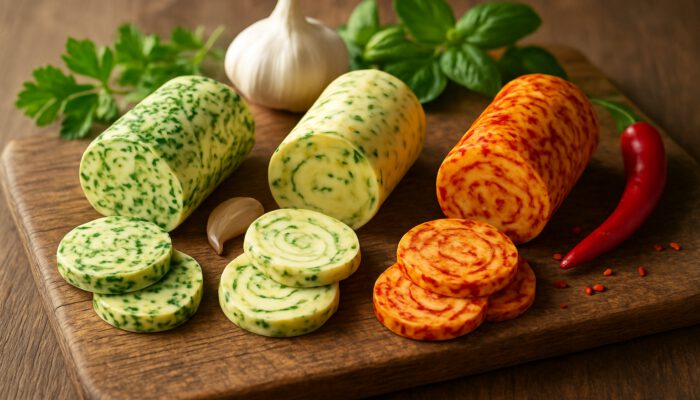
Presentation plays a significant role in the enjoyment of your compound butter. Rolling it into logs or using moulds can create visually appealing shapes that impress guests. Consider using parchment paper to shape the butter into a log, twisting the ends to secure it.
You can also experiment with decorative moulds for special occasions. Attractive presentation not only enhances the dining experience but also showcases your culinary skills, making your compound butter a highlight at any table.
What Are the Best Pairing Suggestions?
When serving compound butter, consider pairing it with specific breads or proteins to highlight complementary tastes. For example, a garlic herb butter pairs beautifully with crusty baguettes, while a sweet honey butter complements warm muffins or scones.
Offering a variety of compound butters alongside a selection of breads or grilled meats can create an engaging dining experience. Encourage guests to experiment with different combinations, allowing them to discover their favourite pairings that enhance the overall meal.
Where to Find Inspiration for New Ideas?
Inspiration for new compound butter ideas can come from many sources. Seasonal produce is an excellent starting point, as it encourages creativity and experimentation. Visit local farmers’ markets or browse cookbooks for fresh ideas that incorporate local flavours.
Online food blogs and cooking shows can also provide exciting concepts for new flavour combinations. Engaging with culinary communities, whether in person or online, can spark creativity and keep the process enjoyable. The journey of discovering new flavours can be as rewarding as the final product itself.
FAQs
What is compound butter?
Compound butter is a mixture of softened butter blended with various flavourings, such as herbs, spices, or sweeteners. It enhances the taste of dishes and can be used in a variety of culinary applications.
How long can I store homemade compound butter?
Homemade compound butter can be stored in the refrigerator for up to three weeks or frozen for up to three months. Proper wrapping and airtight containers help maintain freshness.
Can I use salted butter for making compound butter?
While you can use salted butter, unsalted butter is recommended. It allows the added flavours to shine without the interference of saltiness, giving you better control over the final taste.
What are some popular flavour combinations for compound butter?
Popular flavour combinations include garlic and herb, lemon and dill, honey and cinnamon, or smoked paprika and chive. Experimenting with different herbs and spices can yield delicious results.
Is it necessary to use fresh herbs?
Fresh herbs are preferred for their vibrant flavours, but dried herbs can be used if fresh options are unavailable. Adjust the quantities accordingly, as dried herbs are more concentrated.
Can I make compound butter in advance?
Yes, compound butter can be made in advance and stored in the refrigerator or freezer. This makes it a convenient option for meal prep and entertaining.
How do I soften butter quickly for mixing?
To soften butter quickly, cut it into small cubes and let it sit at room temperature for about 15-20 minutes. Alternatively, you can microwave it for a few seconds, but be careful not to melt it.
Can I add cheese to my compound butter?
Yes, adding cheese can enhance the flavour and texture of your compound butter. Soft cheeses like feta or cream cheese blend well, while hard cheeses can be grated and mixed in.
What is the best way to serve compound butter?
Compound butter can be served on a cutting board with a knife for spreading, or shaped into attractive logs and sliced for individual servings. Pair it with bread or grilled proteins for a delightful experience.
Are there any dietary considerations for compound butter?
Yes, consider using alternative fats like olive oil or vegan butter for those with dietary restrictions. You can also tailor the ingredients to suit specific health needs, ensuring everyone can enjoy your creations.



Your exploration of the nuances in selecting butter for compound mixtures really piques my interest, particularly the focus on unsalted and high-fat content options. It resonates with my experience in the kitchen, where I often found that freshly churned unsalted butter not only highlights flavors but also serves as a canvas for creativity. In my opinion, the choice of butter can significantly alter the final product; I’ve noticed that using European-style butter does lend a lovely richness that seems to elevate even the simplest combinations.