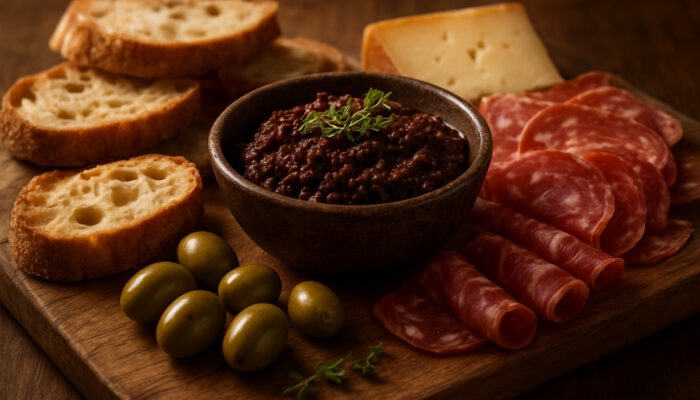
Choosing High-Quality Ingredients for Exceptional Tapenade
How to Select Olives and Capers
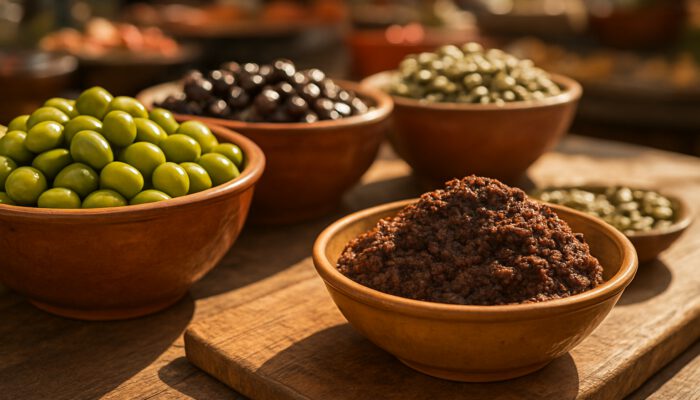
Choosing the freshest olives and capers is essential for crafting a rich and flavourful homemade tapenade that will impress on your antipasti boards. Fresh olives offer an array of flavours, ranging from briny to buttery, while capers provide a tangy kick that enhances the overall taste. To source these ingredients, visit local markets or specialised shops renowned for their Mediterranean selections. This approach ensures that you obtain high-quality products that will elevate your tapenade.
Achieving a harmonious balance of flavours in your tapenade is vital, as it should complement various accompaniments without overwhelming them. Consider using a combination of green and black olives to create a subtle flavour profile that pairs well with cheeses, cured meats, and fresh vegetables on your antipasti board. Use capers sparingly, as their boldness can easily dominate the dish, ensuring just the right amount of zing.
Experimenting with different olive varieties can lead to delightful surprises. Kalamata, Castelvetrano, and Gaeta olives each contribute unique flavours to your tapenade. By blending these olives with capers, you establish a balanced foundation that invites guests to savour the diverse flavours of your antipasti spread.
Where to Source Fresh Herbs
Choosing vibrant herbs like basil or parsley can dramatically enhance the flavour of your homemade tapenade. Fresh herbs introduce brightness and complexity, making the mixture aromatic and appealing. When selecting herbs, opt for those that are lively in colour and fragrant, as their quality directly contributes to the sensory experience of your antipasti board.
Basil, with its sweet and slightly peppery profile, pairs beautifully with the briny notes of olives and capers. On the other hand, parsley provides a fresh, grassy flavour that can lighten the richness of the tapenade. Consider using both herbs together to create a well-rounded herbaceous profile that will captivate your guests.
Incorporating fresh herbs not only enhances flavour but also boosts the visual appeal of your tapenade. The vibrant greens contrast strikingly with the dark olives, creating an inviting dish that encourages sampling. This attention to detail ensures that your antipasti boards are not just delicious but also visually stunning.
Which Oils Improve Texture?
Extra virgin olive oil is the premier choice for enhancing the texture of your homemade tapenade. It provides smoothness and richness, binding the ingredients while maintaining a spreadable consistency. This oil not only contributes to the mouthfeel but also infuses the tapenade with its distinct fruity notes, enhancing each bite’s enjoyment.
When selecting olive oil, choose a cold-pressed variety with a robust flavour profile. This ensures that the oil complements rather than masks the other ingredients. A high-quality oil can significantly influence the final taste of your tapenade, so do not skimp on this crucial component.
While olive oil is the primary choice, consider experimenting with infused oils, such as garlic or chilli oil, to add an extra layer of flavour. These oils can elevate the overall experience, providing a unique twist that distinguishes your tapenade from others. Just remember to use them sparingly to maintain the right balance.
How to Choose Garlic and Anchovies

Fresh garlic cloves and high-quality anchovies are integral to creating a rich and authentic tapenade. Garlic adds a pungent aroma and sharp flavour that enhances the overall profile. When selecting garlic, look for firm, plump bulbs with tight skin, as these will yield the best taste.
Anchovies, often underrated, introduce essential savoury elements and complexity to your tapenade. A small quantity can enhance the umami notes without dominating the dish. Opt for high-quality anchovies packed in olive oil, as they typically provide a more pleasant taste and texture compared to those packed in salt or water.
The combination of garlic and anchovies creates a depth of flavour that resonates with Mediterranean cuisine. This balance ensures that your tapenade not only delights the palate but also enhances the antipasti platter, inviting guests to savour the harmonious blend of tastes and aromas.
Effectively Preparing the Base Mixture
Mastering Chopping Techniques
Finely dicing all components by hand is a vital step in preparing your tapenade. This technique preserves texture and prevents the mixture from becoming mushy, allowing distinct flavours to shine through in each bite. A sharp chef’s knife is essential for achieving precision in chopping, ensuring that every ingredient contributes effectively to the overall flavour profile.
When chopping olives, capers, and herbs, aim for uniform pieces that blend seamlessly. This not only enhances visual appeal but also ensures a consistent texture throughout the tapenade. Avoid using a food processor for this step, as over-blending can lead to a paste-like consistency that lacks character.
The tactile experience of hand-chopping allows for greater control over the final product. You can taste as you go, adjusting the quantities of each ingredient according to your preferences. This hands-on approach fosters a deeper connection to the dish, resulting in a tapenade that truly reflects your culinary style.
Exploring Blending Options
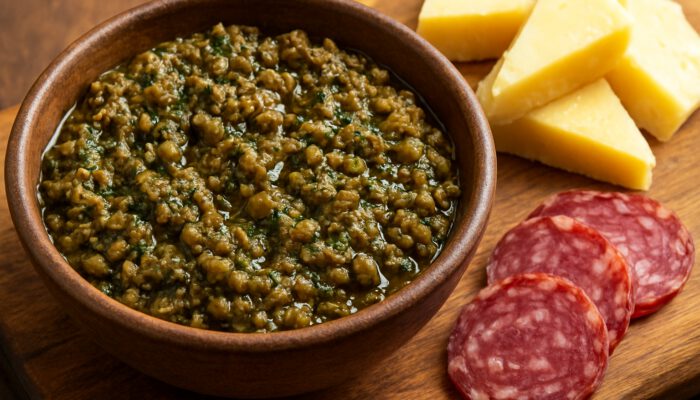
Using a food processor to blend your tapenade can create uniformity while retaining some chunkiness, adding interest when served alongside cheeses and cured meats. The key is to pulse the ingredients rather than blend continuously, allowing for a textured finish that enhances the overall experience.
When using a food processor, start by adding your olives, capers, garlic, and herbs. Pulse until the mixture is roughly chopped, then slowly drizzle in extra virgin olive oil while pulsing to achieve the desired consistency. This method ensures that the tapenade remains spreadable yet retains enough texture to complement other antipasti elements.
If you prefer a more rustic approach, consider hand-mixing the ingredients in a bowl after chopping. This method provides greater control over the final texture and can lead to a more artisanal product. Regardless of the technique you choose, aim for a balance of smoothness and chunkiness that will delight your guests.
How to Balance Flavours
Balancing flavours is crucial for creating a harmonious tapenade that enhances any antipasti arrangement. Start by tasting your mixture and adjusting acidity with lemon juice or vinegar to achieve the right level of brightness. This step is vital, as it can significantly affect the flavour profile of your tapenade.
Consider the interplay between salty, sweet, and acidic elements. If your tapenade feels too salty from the olives or anchovies, a splash of lemon juice can cut through the richness, providing a refreshing contrast. Conversely, if the mixture lacks depth, adding more olives or a touch of honey can enhance sweetness and complexity.
Feel free to experiment with different flavour combinations. A pinch of smoked paprika or a dash of balsamic vinegar can introduce intriguing notes that surprise and delight your guests. Balancing flavours involves finding the right combination that resonates with your palate while ensuring that each ingredient shines in the final product.
How to Prepare It Freshly?
Timing Your Preparation
Making your tapenade shortly before serving is essential for maintaining maximum freshness and vibrancy. This ensures optimal taste and visual appeal for your antipasti boards, allowing the flavours to shine at their best. Aim to prepare your tapenade within an hour of serving to keep the ingredients at their freshest.
If you’re hosting a larger gathering, consider prepping your ingredients in advance. Chop your olives, capers, and herbs the day before, storing them separately in airtight containers. On the day of the event, simply combine the ingredients and blend them together, adding the olive oil last to achieve the perfect consistency.
Timing is also crucial when it comes to serving. Allow your tapenade to sit at room temperature for about 30 minutes before serving. This helps the flavours meld and enhances the overall taste experience for your guests. Freshly prepared tapenade is a showstopper that will leave a lasting impression on your antipasti board.
How to Store Tapenade
Properly storing your homemade tapenade is essential for maintaining its flavour and freshness. Keep it in an airtight container in the fridge for up to three days. This method allows the flavours to meld while preventing spoilage, making it convenient for daily use or as part of your meal prep.
To extend the shelf life of your tapenade, consider adding a thin layer of olive oil on top before sealing the container. This creates a barrier against air exposure, preserving the vibrant flavours and preventing oxidation. When ready to use, simply mix the oil back into the tapenade for a fresh taste.
If you have leftovers, don’t be discouraged. Tapenade is a versatile ingredient that can easily be incorporated into various dishes. Use it as a spread on sandwiches, a topping for grilled meats, or stirred into pasta for a quick and flavourful meal. Proper storage ensures that your delicious creation doesn’t go to waste.
How to Scale Recipes
When hosting a gathering, adjusting quantities based on the number of guests is crucial to avoid waste while maintaining quality across multiple servings. Begin by estimating how much tapenade each guest might consume, typically around two tablespoons per person. This calculation will help you determine the right amount to prepare.
Scaling recipes can be straightforward. Simply multiply the quantities of each ingredient by the number of servings you wish to create. be mindful that flavour balance might shift with larger batches. Always taste as you go, making adjustments to acidity or seasoning as needed to ensure consistency in flavour.
Consider preparing a small test batch before the event. This allows you to refine your recipe and ensure that it meets your expectations. By being proactive in your preparation, you can create a standout tapenade that impresses your guests while minimising food waste.
How to Select Ingredients
Choosing the freshest olives and other ingredients from your local Australian market is key to crafting a tapenade with unmatched vibrancy and flavour. Look for specialty stores or farmers’ markets that offer a variety of olives, ensuring you have the best selection to work with. The quality of your ingredients directly impacts the final product.
To olives, consider incorporating seasonal herbs and vegetables readily available in your area. This not only enhances flavour but also supports local producers. Fresh, in-season ingredients will provide a depth of flavour that dried or preserved alternatives simply cannot match.
When sourcing ingredients, don’t hesitate to ask vendors for recommendations. They often have insights into which products are currently at their peak and can guide you toward the best choices for your tapenade. This attention to detail will ultimately elevate your antipasti board and impress your guests.
Expert Insights on Homemade Tapenade for Antipasti Boards
Real-World Pairing Examples
Exploring combinations with nuts or cheeses reveals versatile uses for your homemade tapenade that enhance enjoyment. Consider pairing it with creamy cheeses like goat cheese or Brie, as the tangy profile of the tapenade cuts through the richness, creating a delightful balance. This combination invites guests to savour each bite, making for a memorable tasting experience.
Nuts, such as toasted almonds or walnuts, also complement the texture of tapenade beautifully. Their crunch adds an interesting contrast to the smooth spread, while their natural oils enhance the overall flavour. Arrange these pairings on your antipasti board to create a visually appealing and flavourful spread that encourages mingling and sampling.
You might also consider using tapenade as a dip for fresh vegetables or a spread on crostini. The versatility of this dish allows for creative exploration, making it a standout addition to any antipasti arrangement. Encourage your guests to mix and match, discovering their favourite pairings along the way.
Actionable Steps for Customisation
Experimenting with additions like garlic or chilli can tailor your tapenade recipe to suit different preferences while keeping the core method intact. Start by adjusting the amount of garlic to achieve your desired level of pungency. If you enjoy a bit of heat, consider adding a pinch of red pepper flakes or finely chopped fresh chilli to the mix.
Another way to customise your tapenade is by incorporating other ingredients, such as sun-dried tomatoes or roasted red peppers. These additions can introduce new flavours and textures, allowing you to create a signature tapenade that reflects your culinary style. Just remember to balance these new elements with the existing ingredients to maintain harmony.
Encourage your guests to experiment with their own customisations as well. Providing a selection of additional toppings, such as feta cheese or fresh herbs, allows them to personalise their antipasti experience. This interactive approach enhances enjoyment and fosters a sense of creativity and exploration at your gathering.
Expert Analysis on Consistency
Assessing the thickness of your tapenade is crucial to ensure it spreads easily while holding its shape. A well-made tapenade should be thick enough to stay on a cracker or bread without sliding off, yet smooth enough to provide a delightful mouthfeel. This balance is essential for both casual gatherings and formal events alike.
To achieve the right consistency, consider the ratio of solid ingredients to olive oil. If your tapenade feels too chunky, add a bit more oil until you reach the desired texture. Conversely, if it’s too runny, incorporating additional olives or nuts can help thicken the mixture without compromising flavour.
Testing the tapenade on various accompaniments can also provide insight into its consistency. Spread it on different types of bread or crackers to see how it holds up. This practical approach not only ensures a successful dish but also enhances the overall experience for your guests, making your antipasti board a true standout.
Which Ingredients Work Best?
How to Incorporate Sun-Dried Tomatoes
Adding sun-dried tomatoes to your tapenade introduces sweetness and chewiness, creating a contrast that makes the mixture more dynamic and satisfying. These tomatoes bring a concentrated flavour that enhances the overall profile of your tapenade, making it a delightful addition to your antipasti board.
When selecting sun-dried tomatoes, opt for those packed in oil, as they tend to have a softer texture and richer flavour. This ensures that they blend well with the other ingredients, creating a harmonious mixture that is both visually appealing and delicious. Chop them finely before incorporating them into your tapenade for even distribution.
The sweetness of sun-dried tomatoes can also balance the saltiness of olives and anchovies. This interplay of flavours contributes to a well-rounded tapenade that invites guests to explore its complexity. By incorporating this ingredient, you elevate your dish, making it a standout on any antipasti platter.
Using Anchovies Sparingly
Using a small amount of anchovies can introduce umami depth to your tapenade, enhancing savoury notes without overpowering the overall flavour profile. Anchovies are potent, so it’s vital to use them judiciously. A couple of fillets are usually sufficient to impart their distinctive taste without overwhelming the dish.
When incorporating anchovies, consider using those packed in high-quality olive oil. This not only enhances the flavour but also contributes to the richness of your tapenade. Be sure to chop them finely, allowing their flavour to meld seamlessly with the other ingredients, creating a balanced and harmonious mixture.
The key to success with anchovies lies in their ability to enhance rather than overshadow. Their salty, savoury notes can elevate your tapenade, making it more complex and enjoyable. This subtlety is what makes your homemade tapenade a true reflection of Mediterranean culinary traditions.
How Do Spices Influence Taste?
Subtle additions like oregano can introduce earthiness to your tapenade, complementing the primary components and rounding out the flavour profile effectively. Herbs and spices play a significant role in enhancing the overall taste experience, allowing you to create a more nuanced dish that resonates with your guests.
When adding spices, it’s essential to start with small amounts and gradually increase to taste. Oregano, for example, can be quite potent, so a teaspoon or two is usually sufficient to impart its flavour without overwhelming the other ingredients. Fresh oregano can also be used for a brighter, more vibrant taste.
Experimenting with other spices, such as thyme or smoked paprika, can further enhance your tapenade. Each addition brings a unique flavour that can transform the dish, making it a versatile component of your antipasti spread. By thoughtfully incorporating spices, you can create a tapenade that is truly unforgettable.
How to Incorporate Fresh Garlic
Crushing a clove or two of fresh garlic releases pungent aromas that add a sharp kick to your tapenade. This ingredient is essential for achieving depth and complexity in your mixture, enhancing the overall zest without overpowering the delicate Mediterranean harmony. Fresh garlic should be used judiciously, as its flavour can intensify during the blending process.
When selecting garlic, look for firm bulbs with tight skins, as these are indicators of freshness. Avoid any with soft spots or sprouting, as they may impart a bitter taste. Mince the garlic finely before adding it to your tapenade to ensure even distribution and a balanced flavour profile.
The key to incorporating garlic is to balance its intensity with the other ingredients. If your tapenade feels too garlicky, consider adding more olives or herbs to mellow the flavour. This careful approach ensures that your homemade tapenade remains a delightful addition to your antipasti board, inviting guests to enjoy its rich, complex taste.
Proven Strategies for Homemade Tapenade for Antipasti Boards
Testing Small Batches First
Testing small batches before full preparation is a wise strategy that refines proportions safely, ensuring consistent results every time you create the dish. This method allows you to experiment with flavours and textures without the pressure of preparing a large quantity. Small batches can be made quickly, providing immediate feedback on your recipe.
Start by halving your original recipe, allowing you to gauge the balance of flavours and adjust as needed. This approach not only saves ingredients but also gives you the opportunity to fine-tune your tapenade to perfection. Take notes on your adjustments to replicate successful batches in the future.
Once you’re satisfied with the small batch, you can confidently scale up the recipe for larger gatherings. This iterative process fosters a deeper understanding of the ingredients and their interactions, resulting in a tapenade that consistently impresses your guests.
Key Benefits for Texture Improvement
Achieving the right texture in your tapenade can greatly enhance its appeal. Here are key benefits of varying texture:
- Chunky elements provide a satisfying mouthfeel.
- Smooth components create a creamy base for spreading.
- Textural contrast enhances the overall tasting experience.
- Variety in texture makes the dish visually interesting.
Balancing creamy elements with chunkier bits allows for control over mouthfeel, suiting diverse serving styles on boards. This versatility ensures that your tapenade can be enjoyed by all, whether served as a dip, spread, or topping. Experimenting with texture can lead to delightful discoveries and elevate your antipasti offerings.
Refining Through Iteration
Reviewing outcomes and tweaking elements gradually is essential for perfecting your tapenade recipe. After each preparation, take a moment to assess the flavour balance, texture, and overall appeal. This reflective practice allows you to identify areas for improvement and make adjustments accordingly.
Consider keeping a journal of your tapenade experiments. Document the proportions, ingredient sources, and any changes you made. This record will serve as a valuable resource for future preparations, helping you recreate successful batches and learn from any missteps.
Refining your recipe through iteration fosters a deeper connection to the cooking process. As you experiment and adjust, you’ll develop a greater understanding of how each ingredient contributes to the final product. This journey of discovery will ultimately lead to a tapenade that reflects your unique culinary style.
Why Include Tapenade in Your Spread?
Enhancing Visual Appeal
The dark, rich colour of tapenade contrasts beautifully with lighter items on your antipasti board, drawing attention and encouraging guests to sample more widely. This visual appeal is essential for creating an inviting spread that captivates your audience. The vibrant colours of olives, herbs, and spices create a feast for the eyes, enticing guests to explore the flavours within.
Arranging your tapenade alongside colourful vegetables, cheeses, and cured meats not only enhances its visual impact but also highlights the diversity of flavours available. Consider using a variety of serving dishes to create height and interest, ensuring that your antipasti board is as aesthetically pleasing as it is delicious.
A well-presented tapenade can become a conversation starter, inviting guests to ask about its ingredients and preparation. This interaction fosters a sense of community and engagement, making your gathering even more enjoyable. The visual appeal of your spread plays a significant role in the overall dining experience.
Adding Nutritional Value
Olives, a primary ingredient in tapenade, contribute healthy fats and antioxidants, supporting balanced eating habits during social occasions. Their monounsaturated fats are known to promote heart health, while antioxidants help combat oxidative stress. By including tapenade on your antipasti board, you’re offering guests a nutritious option that doesn’t compromise on flavour.
To olives, the inclusion of fresh herbs and garlic further enhances the nutritional profile of your tapenade. Herbs provide essential vitamins and minerals, while garlic is celebrated for its numerous health benefits, including immune support and anti-inflammatory properties. This combination creates a dish that is both delicious and beneficial.
Highlighting the nutritional aspects of your tapenade can encourage guests to indulge guilt-free. By promoting the health benefits of your ingredients, you create a more wholesome dining experience that aligns with contemporary eating trends. This thoughtful approach to food preparation will resonate with health-conscious guests.
How Does Tapenade Complement Cheeses?
The tangy profile of tapenade cuts through creamy textures, creating balanced bites that improve the overall harmony of the board. When paired with cheeses, the contrasting flavours enhance the tasting experience, allowing each element to shine. For example, a rich Brie or Camembert pairs beautifully with the briny notes of tapenade, creating a delightful interplay of flavours.
Consider offering a variety of cheeses alongside your tapenade, such as aged Cheddar, goat cheese, or blue cheese. Each cheese brings its unique characteristics, inviting guests to explore different combinations. The versatility of tapenade makes it an ideal accompaniment, as it can elevate even the simplest cheese selections.
Encouraging guests to experiment with pairings fosters a sense of discovery. Providing small tasting spoons or crackers allows them to sample different combinations, enhancing their enjoyment of the antipasti board. This interactive approach not only delights the palate but also creates a memorable experience for all.
Serving Suggestions and Presentation
How to Arrange on Platters
Positioning the tapenade centrally on your antipasti platter, surrounded by an array of dips and breads, facilitates easy access and encourages mixing of flavours. This strategic arrangement not only enhances the overall presentation but also invites guests to explore the different elements of your spread.
Consider using a variety of serving vessels, such as small bowls or ramekins, to showcase your tapenade. This adds visual interest and allows for portion control, ensuring that guests can enjoy the tapenade without overwhelming the platter. Surrounding it with colourful vegetables and artisanal breads creates a stunning display that captivates the eye.
Don’t forget to provide serving utensils for your tapenade to maintain neatness and hygiene in your presentation. Small spoons or spreaders enable guests to serve themselves without dipping directly into the main dish. This attention to detail enhances the overall dining experience and encourages guests to sample freely.
Tips for Portion Control
Offering tapenade in small bowls helps maintain freshness and allows for multiple varieties without overcrowding the space. This approach not only keeps your presentation tidy but also encourages guests to sample different flavours without committing to a large serving. By providing a variety of options, you cater to diverse palates and preferences.
Consider using individual serving cups for each guest, allowing them to enjoy their own portion of tapenade. This personal touch adds an element of sophistication to your antipasti board while minimising the risk of cross-contamination. It also fosters a sense of sharing and community among guests.
If you’re offering multiple types of tapenade, label each bowl clearly. This transparency allows guests to make informed choices and encourages them to explore new flavours. Thoughtful portion control enhances the overall experience, making your gathering more enjoyable and memorable.
How to Pair with Beverages
Matching your tapenade with light wines or sparkling water can cleanse the palate between tastes, enhancing the overall dining experience. Consider serving a crisp Sauvignon Blanc or a refreshing Prosecco, as these beverages complement the briny notes of the tapenade while providing a refreshing contrast.
Offering a selection of non-alcoholic options, such as sparkling water or herbal teas, ensures that all guests have something to enjoy alongside the antipasti spread. These beverages can enhance the flavours of the tapenade, making each bite more enjoyable.
Encouraging guests to sip and savour their drinks alongside the tapenade fosters a more interactive dining experience. This pairing not only elevates the flavours but also creates a sense of occasion, making your gathering feel special and memorable.
How to Enhance with Garnishes
Using vibrant garnishes such as chopped parsley, lemon zest, or capers placed strategically around the platters not only beautifies the arrangement but also provides subtle flavour hints that elevate the overall tasting experience for guests. These garnishes add a pop of colour and freshness, making your antipasti board visually appealing.
When selecting garnishes, consider those that complement the flavours of your tapenade. Fresh herbs can enhance the aromatic qualities, while citrus zest adds brightness and acidity. This attention to detail can make a significant difference in how guests perceive the dish, inviting them to explore its complexities.
Encourage guests to mix and match garnishes with the tapenade. Providing small bowls of toppings allows for creative exploration, enhancing their enjoyment of the antipasti board. This interactive approach fosters a sense of community and invites guests to share their favourite combinations.
Storing and Reusing Leftovers
Best Refrigeration Methods
Properly sealing your tapenade is essential for extending its usability while preserving taste for later enjoyment. Store it in an airtight container in the fridge to prevent exposure to air, which can lead to spoilage. A thin layer of olive oil on top can further protect the mixture, keeping it fresh for a longer period.
When refrigerating, ensure that the container is clean and dry. This helps prevent contamination and maintains the quality of your tapenade. If you notice any changes in smell or appearance, it’s best to discard the tapenade to ensure safety.
Leftover tapenade can be a delightful addition to future meals. Consider using it as a spread on sandwiches or as a topping for grilled meats. This versatility allows you to enjoy your creation beyond the initial serving, reducing waste and adding convenience to your meal planning.
Creative Repurposing Ideas
Transforming remnants of your tapenade into pasta sauces or salad dressings is a fantastic way to reduce waste while adding convenience to meal planning. Simply blend the leftover tapenade with a touch of cream or broth to create a quick and flavourful pasta sauce. Toss it with your favourite noodles for an easy weeknight dinner.
For salad dressings, mix the tapenade with olive oil, vinegar, and a dash of mustard to create a zesty vinaigrette. This not only enhances the flavour of your salads but also provides a unique twist that guests will appreciate. The versatility of tapenade allows it to shine in various culinary applications.
Encouraging creativity in the kitchen can inspire guests to experiment with their leftovers as well. Sharing these ideas fosters a sense of community and resourcefulness, making your gathering even more enjoyable. By repurposing tapenade, you not only minimise waste but also create new and exciting dishes.
How to Monitor Freshness Indicators
Checking for changes in smell or appearance before reusing your tapenade is crucial to guarantee safety and maintain high standards. Fresh tapenade should have a vibrant colour and a pleasant aroma. If you notice any off-putting smells or a change in texture, it’s best to err on the side of caution and discard it.
Visual inspection is also important. Look for any signs of mould or separation, which can indicate spoilage. If the tapenade has developed an unusual film or has changed colour significantly, it’s time to let it go. Ensuring the quality of your ingredients is vital for both safety and enjoyment.
Educating guests about freshness indicators can enhance their understanding of food safety. Sharing tips on how to store and assess leftovers fosters a sense of responsibility and encourages mindful eating. This awareness contributes to a more sustainable approach to food consumption.
Frequently Asked Questions
What is tapenade?
Tapenade is a Mediterranean spread made primarily from olives, capers, and various seasonings. It can be served as a dip or spread on bread, crackers, or vegetables, making it a versatile addition to antipasti boards.
Can I make tapenade without anchovies?
Absolutely! You can omit anchovies and still create a delicious tapenade. Consider adding extra olives or a bit of miso for depth of flavour while maintaining the dish’s integrity.
How long does homemade tapenade last?
Homemade tapenade can last up to three days when stored in an airtight container in the fridge. To maintain freshness, consider adding a thin layer of olive oil on top before sealing.
What types of olives work best for tapenade?
A mix of green and black olives works best for tapenade. Kalamata, Castelvetrano, and Gaeta olives each bring unique flavours that enhance the overall profile of the spread.
Can I freeze tapenade?
Yes, tapenade can be frozen for up to three months. Store it in an airtight container or freezer bag, leaving some space for expansion. Thaw in the fridge before using.
What can I serve with tapenade?
Tapenade pairs beautifully with a variety of accompaniments, including crusty bread, crackers, cheeses, cured meats, and fresh vegetables. Its versatility makes it a perfect addition to any antipasti board.
How can I customise my tapenade?
You can customise your tapenade by adding ingredients like sun-dried tomatoes, roasted red peppers, or different herbs. Adjust the seasonings and acidity to suit your personal taste.
Is tapenade gluten-free?
Yes, tapenade is naturally gluten-free, making it a great option for those with gluten sensitivities. Just ensure that any accompanying breads or crackers are also gluten-free.
Can I make tapenade in advance?
Yes, making tapenade in advance is a great idea. Just store it in an airtight container in the fridge for up to three days, allowing the flavours to meld before serving.
What is the best way to serve tapenade?
Serve tapenade in a small bowl at the centre of your antipasti board, surrounded by an array of breads, crackers, cheeses, and fresh vegetables. This encourages guests to sample and enjoy the flavours.