Choosing the Ideal Plancha Grill for Your Cooking Requirements
Assessing Material Strength and Heat Distribution
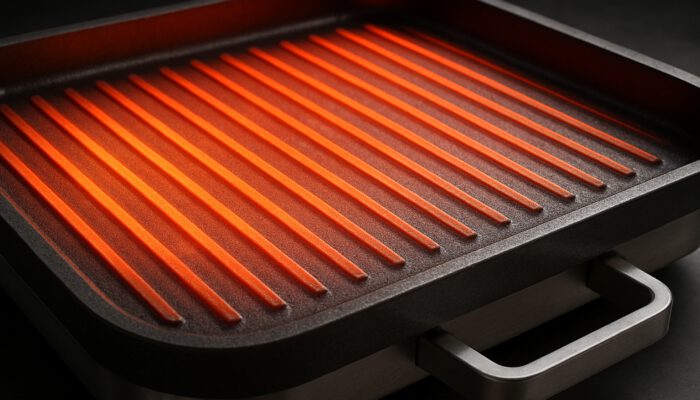

Cooking on a Plancha Grill: When selecting a plancha grill, it’s essential to examine the materials used in its construction. High-quality options like stainless steel or cast iron are vital for ensuring durability and optimal heat distribution. This quality is crucial for achieving consistent cooking results, particularly during lengthy grilling sessions.
Durability is a key factor, as a well-constructed plancha can withstand high temperatures and resist warping over time. Seek grills with a thick cooking surface, as this feature facilitates even heat retention and minimises hot spots, leading to superior cooking results across a variety of recipes.
Choosing the Right Size for Your Cooking Needs
The size of your plancha grill should match your usual cooking needs. A larger cooking surface is advantageous for preparing multiple items simultaneously, especially when hosting guests or cooking for a family. This approach prevents overcrowding, which can lead to uneven cooking and longer preparation times.
Reflect on your cooking style and the number of servings you typically prepare. If you frequently host large gatherings, consider opting for a spacious plancha. If your meals are generally for one or two people, a smaller, more compact model could be sufficient, making it easier to handle and store.
Exploring Portability Features for Versatile Use
Portability is a crucial factor for those who wish to use their plancha grill in various settings. Look for features such as lightweight materials, foldable legs, or built-in handles that make transportation effortless without sacrificing stability during cooking.
A portable plancha grill is an excellent choice for picnics, camping trips, or tailgating events. Ensure that the design allows for secure placement on any flat surface, as stability is vital for safety and effective cooking.
How Can You Create Perfect Sear Marks on Your Food?
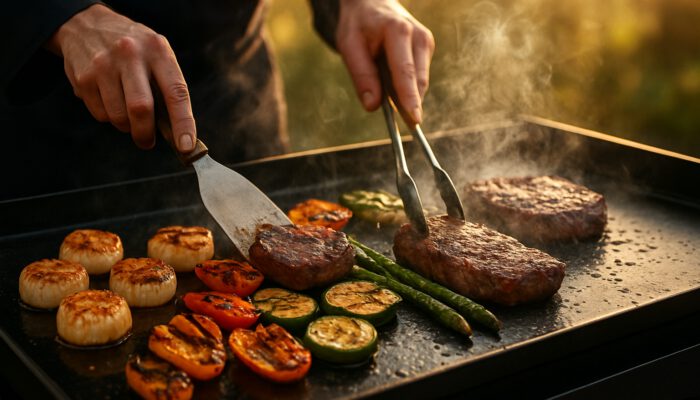
Preheating the Grill to Optimal Temperatures
To achieve those sought-after sear marks, preheating your plancha grill is imperative. Allow the grill to reach the desired temperature before placing any food on it. This process not only helps create attractive grill lines but also locks in flavours and moisture.
Generally, a temperature range of 200°C to 250°C is ideal for searing. Use a thermometer to verify the surface temperature, ensuring it is sufficiently hot to produce a proper sear. This step is essential for both meats and vegetables, as it enhances the overall presentation and taste.
Strategically Placing Food for Optimal Results
When positioning food on the grill, arrange it in a single layer, ensuring ample space between items for even cooking. Avoid moving the food prematurely; allow it to sit undisturbed to develop natural sear marks.
Proper placement is critical for achieving distinct grill lines. When it’s time to flip the food, you’ll notice the sear marks have developed beautifully, enhancing both the visual appeal and flavour of your dish.
Utilising Effective Oil Application Techniques
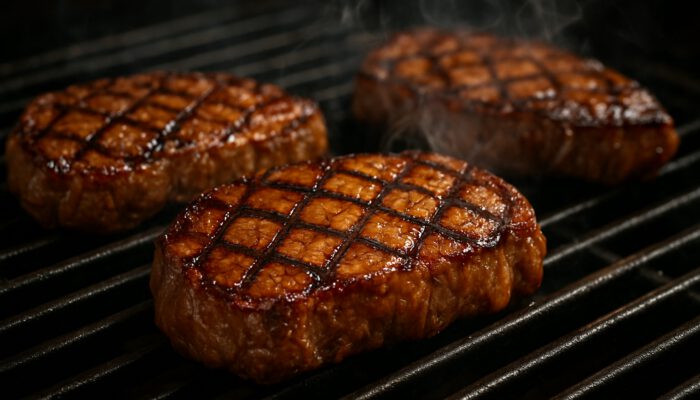
Applying oil correctly can significantly enhance your grilling experience. Lightly coat both the grill surface and the food items with a high-smoke-point oil, such as canola or grapeseed oil. This method promotes caramelisation while preventing food from sticking.
Using a brush or spray bottle can help achieve an even application. This technique not only elevates the flavour but also helps form those desirable sear marks, making your grilled items more visually appealing.
Maintaining Consistent Pressure During Cooking
To ensure even cooking and well-defined sear marks, apply consistent pressure to the food while it cooks. This can be accomplished using a weighted press or spatula, ensuring full contact with the hot grill surface.
Sustaining this pressure for a few moments helps create a better sear. The result is a uniform, distinct grill mark across the entire piece, enhancing the presentation and taste of your dish.
Cleaning the Grill Between Cooking Batches
Cleaning the grill surface between cooking batches is essential for maintaining the quality of your food. Residue and debris can cause sticking and hinder the formation of clean sear marks.
Use a grill scraper or brush to eliminate any leftover bits after each batch. This practice not only ensures your food cooks evenly but also preserves the flavours, preventing unwanted tastes from lingering on the grill.
Expert Recommendations for Successful Plancha Grill Cooking
Showcase Real-World Examples of Delicious Meals
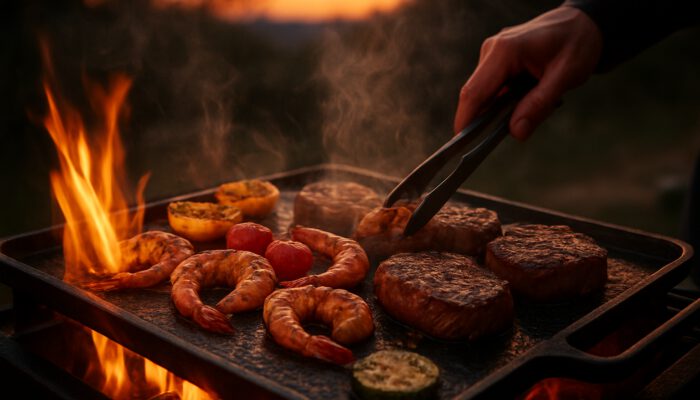
One effective way to master the art of cooking on a plancha grill is by experimenting with a variety of foods. Start by layering flavours; for instance, grill sliced zucchini and bell peppers alongside marinated chicken to refine your timing and seasoning balance.
This hands-on approach allows adjustments to cooking times and ingredient combinations, ensuring that each component is cooked to perfection and harmoniously blends, creating a delightful culinary experience.
Analyse Heat Zones for Enhanced Cooking Efficiency
Understanding heat zones on your plancha grill can significantly improve your cooking efficiency. By dividing the cooking surface into sections, you can prepare multiple components simultaneously without compromising their individual textures and flavours.
For example, use one side for high-heat searing while maintaining the other side at a lower temperature for gentle cooking. This method enables you to effectively manage different cooking times, ensuring everything is ready to serve at once.
What Makes Plancha Grills Suitable for All Types of Cuisine?
Plancha grills are incredibly versatile, making them ideal for a wide array of cuisines. From breakfast items like pancakes and eggs to desserts such as grilled fruits, the possibilities are endless.
Adjusting oil types and utilising accessories such as spatulas and grill mats can lead to creative culinary outcomes. This adaptability allows you to explore a range of flavour profiles and cooking techniques, making the plancha grill a valuable addition to any kitchen.
What Temperature Should You Use for Different Food Types?
Matching Heat Levels to Various Proteins
Different types of proteins require varying heat levels for optimal cooking. Thicker cuts of meat, such as steak, benefit from higher temperatures to achieve a proper sear while ensuring they cook through without drying out.
Conversely, delicate proteins like fish should be cooked at moderate temperatures to prevent overcooking and maintain moisture. Adjusting your grill settings based on the type of protein will guarantee that each dish is cooked perfectly, enhancing both safety and flavour.
Understanding Vegetable Cooking Requirements
Vegetables also have specific cooking requirements. To retain their crunch and nutrients, moderate temperatures are ideal. This allows for slight charring, enhancing their natural flavours while preventing them from becoming mushy.
For instance, grilling asparagus or bell peppers at medium heat can achieve a perfect balance, ensuring they are tender yet crisp. Close monitoring of cooking times is crucial for achieving the best results.
Utilising Simple Tools for Temperature Accuracy
Using an infrared thermometer is a straightforward way to monitor the grill’s temperature accurately. Regular checks can confirm that each zone is at the desired temperature, preventing overcooking of delicate items like seafood.
This tool is particularly beneficial for maintaining consistent cooking conditions, ensuring your plancha grill delivers delicious, perfectly cooked meals every time.
Proven Strategies for Optimal Plancha Grill Cooking
Key Benefits for Achieving Even Cooking
Ensuring even cooking on a plancha grill is essential for outstanding results. Here are some key strategies to achieve optimal cooking:
- Rotate foods midway through cooking for uniform results.
- Use spatulas for precise control over placement.
- Cook in batches to manage cooking times more effectively.
- Monitor temperature zones for consistent outcomes.
Implementing these techniques can enhance the overall quality of your grilled dishes, ensuring every bite is cooked to perfection.
How Do Marinades Influence Overall Flavour Development?
Marinades significantly influence flavour development by infusing meats and vegetables with spices and acids. Acidic components in marinades help tenderise proteins, while oil helps retain moisture during cooking.
The interaction with the hot grill surface enhances these flavours, creating a delectable crust that elevates the overall taste. Experimenting with different marinade combinations can lead to exciting new flavour profiles in your dishes.
Expert Analysis on Timing Sequences for Cooking
Timing is vital when cooking on a plancha grill, especially when layering ingredients. Begin with items that require longer cooking times, such as meats, and introduce quicker-cooking items like vegetables later in the process.
This multi-stage cooking approach ensures that everything finishes simultaneously, resulting in balanced flavours and textures. Mastering the timing of your cooking can significantly enhance the overall quality of your meals.
How Does Selecting the Right Oil Enhance Cooking Results?
Identifying Oils with High Smoke Points
Choosing oils with high smoke points is crucial for effective grilling. Oils such as avocado, canola, and grapeseed oil can withstand high temperatures without breaking down, preserving their clean flavours throughout the cooking process.
Using the right oil not only enhances the taste of your food but also ensures that your plancha grill operates optimally, preventing unwanted smoke or off-flavours from developing during cooking.
Applying the Correct Amount for Non-Stick Performance
Using the appropriate amount of oil is vital to achieving non-stick performance on your plancha grill. A measured application creates a barrier that protects both the food and the grill surface during high-temperature exposure.
Over-oiling can lead to flare-ups and excessive smoke, while too little oil may result in sticking. Finding the right balance is essential for ensuring a smooth cooking experience and achieving perfect results.
Benefits of Pairing Oils with Herbs and Spices
Pairing oils with herbs and spices can significantly enhance the flavour of your dishes. Consider these key benefits:
- Enhances the overall taste of grilled items.
- Creates unique flavour profiles tailored to specific cuisines.
- Increases aromatic qualities during cooking.
- Improves the appearance of grilled foods.
By thoughtfully selecting oils that complement your ingredients, you can elevate your grilling and impress your guests with delicious, flavourful meals.
Maintaining Oil Freshness Through Proper Storage
Proper storage of oils is crucial for preserving their quality. Keeping them in cool, dark places away from heat sources prevents oxidation and rancidity, ensuring they retain their nutritional benefits and flavours.
Using airtight containers can further enhance the longevity of oils. This attention to detail helps maintain the integrity of your oils, which ultimately reflects in the quality of your cooking results.
Cleaning and Storing Your Plancha Grill After Cooking
Removing Residue While the Surface is Warm
Cleaning your plancha grill soon after use is essential for preserving its performance. While the surface is still warm, use a grill scraper or brush to remove food particles, preventing buildup that can complicate future cleaning efforts.
This practice simplifies maintenance and ensures that your grill is ready for the next cooking session without lingering flavours or residues that could affect your food.
Applying Protective Coatings for Enhanced Longevity
After cleaning, seasoning your plancha grill is advisable to create a protective barrier against rust and corrosion. Applying a thin layer of oil helps maintain the grill’s surface and prolongs its lifespan, ensuring consistent cooking results over time.
This step is especially important if you plan to store the grill for an extended period. Taking the time to protect your grill will yield long-term benefits, keeping it in excellent condition for future use.
Organising Accessories to Prevent Damage
Proper organisation of your plancha grill accessories is crucial for their longevity. Store all components separately in a dry location to prevent damage or loss.
Keeping utensils and cooking tools neatly arranged ensures they are readily accessible when needed. This approach not only prolongs the life of your accessories but also streamlines your cooking process.
Rinsing the Plancha with Warm Water to Eliminate Grease
After scraping the grill surface, rinsing it with warm water effectively removes any residual grease or food bits. This step is essential for maintaining hygiene and preventing corrosion, ensuring a clean cooking area for your next barbecue.
Using warm water helps dissolve grease more effectively, making the cleaning process smoother. Following this routine will keep your plancha grill in top condition and ready for delicious meals.
Inspecting the Grill for Signs of Wear or Damage
Regularly inspecting your plancha grill is vital for safe and efficient operation. After cleaning, take the time to check for scratches, dents, or rust spots that may have developed. Addressing minor issues promptly can prevent larger problems later on.
This proactive approach ensures that your grill remains in excellent working condition, allowing you to enjoy many successful cooking sessions in the future.
FAQs
What is a plancha grill?
A plancha grill is a flat cooking surface, typically made of cast iron or stainless steel, designed for high-temperature cooking. It is popular for grilling a variety of foods, providing a unique searing effect.
How do I season my plancha grill?
To season your plancha grill, clean the surface thoroughly, apply a thin layer of high-smoke-point oil, and heat it until the oil begins to smoke. This process creates a protective layer that enhances non-stick properties.
Can I use a plancha grill indoors?
Yes, many plancha grills are suitable for indoor use, particularly electric models. Ensure proper ventilation when cooking indoors to prevent smoke buildup.
What types of food can I cook on a plancha grill?
You can prepare a diverse range of foods on a plancha grill, including meats, seafood, vegetables, and even breakfast items like eggs and pancakes.
How do I clean my plancha grill after use?
Clean your plancha grill by scraping off any residue while it’s warm, rinsing it with warm water, and applying a protective oil layer once it’s dry. This ensures longevity and optimal performance.
What are the advantages of using a plancha grill?
Plancha grills provide even heat distribution, excellent searing capabilities, and versatility in cooking a variety of foods. They also promote healthier cooking with less oil.
How do I achieve perfect grill marks?
To create perfect grill marks, preheat the grill, avoid moving the food too soon, and apply consistent pressure while cooking. This ensures even contact with the hot surface.
What type of oil should I use for grilling?
Use oils with high smoke points, such as canola, avocado, or grapeseed oil. These oils can withstand high temperatures without breaking down, enhancing flavour and preventing sticking.
Can I use marinades on my grilled food?
Yes, marinades are excellent for adding flavour and tenderness to grilled foods. Acidic components in marinades help break down proteins, enhancing the overall taste.
How should I store my plancha grill when not in use?
Store your plancha grill in a dry location, ensuring it is clean and seasoned to prevent rust. Keep accessories organised and separate to avoid damage and ensure easy access.