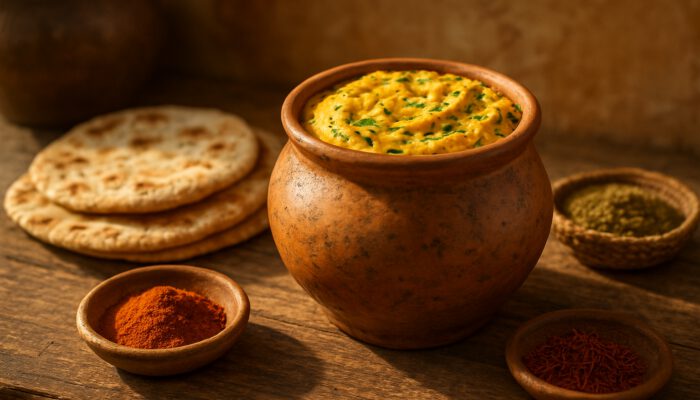
Mastering the Art of Homemade Aged Moroccan Smen Butter
What Are the Key Characteristics of Authentic Preparation Techniques?
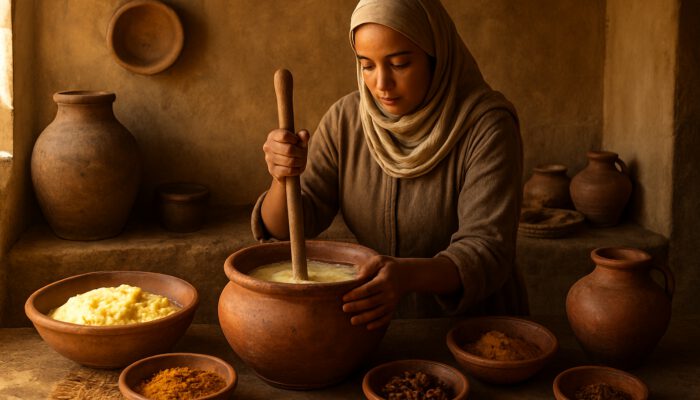
The authentic creation of homemade aged Moroccan smen butter revolves around traditional methods that have been cherished and refined over generations. The journey begins with culturing fresh cream using natural cultures, which is subsequently churned and aged to cultivate rich, tangy flavours that elevate diverse cuisines around the world.
Maintaining optimal temperature and timing is essential during this process, ensuring that the butter consistently meets high-quality standards regardless of the environment. When crafting smen, a stable environment is crucial for fully developing the desired flavours. The process of ageing not only preserves the butter but also enhances its richness, making it a versatile ingredient suitable for various culinary creations.
By grasping these preparation techniques, home cooks and culinary enthusiasts can truly appreciate the depth of flavour and texture that homemade smen adds to their dishes. This understanding empowers individuals to replicate authentic Moroccan methods in their own kitchens, ensuring that every batch reflects the vibrant culinary heritage of Morocco.
Essential Tools and Supplies for Crafting Smen
Before embarking on the adventure of making homemade smen, it is vital to assemble the appropriate tools and supplies. Start with sterilised jars for storing the final product, as cleanliness is paramount to prevent spoilage. A churner or mixer will facilitate the churning process, while mixing bowls are necessary for blending ingredients.
Helpful items include a thermometer to monitor temperatures during both the culturing and ageing phases, as well as a scale for precise measurements. These tools streamline the production process, ensuring that the final product adheres to high quality standards.
Preparing everything in advance will simplify the process, allowing for a more enjoyable and stress-free experience. This groundwork sets the stage for creating a truly authentic and flavourful smen that can be enjoyed across various culinary applications.
Uncovering Unique Flavour Profiles and Textures
The ageing process transforms smen into a remarkable product with intricate flavour profiles and textures. As the butter matures, it develops aromatic qualities that enhance its natural characteristics, making it a unique addition to countless dishes. The richness of flavour arises from the fermentation process, which introduces a spectrum of taste sensations.
Various ageing durations can produce different textures, ranging from creamy and spreadable to firmer and more robust. This adaptability allows home cooks to customise the butter to meet their specific culinary requirements. For instance, a longer ageing period can heighten the tangy notes, making it perfect for savoury dishes.
Ultimately, delving into the flavour profiles and textures of homemade aged Moroccan butter opens a world of culinary possibilities. This knowledge inspires creativity in the kitchen, motivating cooks to experiment with this rich ingredient in a variety of recipes.
How to Choose Quality Ingredients for Exceptional Smen
What to Look for in Fresh Dairy Sources
Selecting premium dairy sources is essential for achieving top-notch results when crafting homemade smen. Choose fresh, high-fat cream from trustworthy suppliers, as the quality of the cream directly impacts the taste and texture of the final product.
Fresh cream not only serves as a rich base but also contributes to the creamy consistency characteristic of authentic smen. When sourcing cream, prioritise local dairies that emphasise quality and freshness, as this can significantly influence the flavour profile of your aged butter.
Using top-grade dairy sources ensures that the butter retains its integrity throughout the culturing and ageing phases. By prioritising quality from the outset, you lay the foundation for superior homemade smen that embodies the rich traditions of Moroccan culinary practices.
How to Wisely Incorporate Natural Additives
When creating homemade smen, the inclusion of natural additives can enhance the flavour without overshadowing its intrinsic qualities. Consider adding salt, which not only acts as a preservative but also elevates the butter's natural flavours.
Here are some key advantages of selecting the right additives:
- Enhances flavour complexity while preserving the butter's character.
- Improves preservation, extending the shelf life of the product.
- Encourages experimentation with various spices to craft unique blends.
- Supports the formation of aromatic profiles during the ageing process.
Incorporating spices like cumin, coriander, or a hint of cinnamon can introduce exciting new layers to the butter. it’s crucial to balance these additives to ensure they complement rather than dominate the final product. This careful approach fosters a more nuanced and enjoyable culinary experience.
How to Ensure Ingredient Freshness
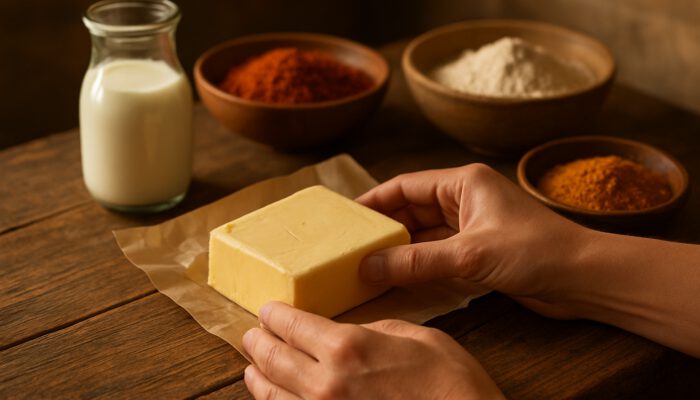
Before initiating the culturing phase for homemade smen, confirming the freshness of all components is vital for achieving superior outcomes. Freshness directly influences the quality of the final butter, affecting both flavour and texture.
Check the expiration dates on dairy products to ensure they are at their best before use. inspect spices and additives for potency, as stale ingredients can compromise the overall quality of the smen.
Utilising only the freshest ingredients not only enhances taste but also supports the fermentation process. This attention to detail ensures that your homemade smen reflects the authentic flavours and textures associated with traditional Moroccan butter, offering a truly remarkable culinary experience.
How to Choose Premium Starter Cultures
Selecting high-quality starter cultures is crucial for effective culturing when making homemade smen. Premium cultures sourced from natural origins promote optimal fermentation, enriching the flavour and texture of the final aged butter product.
Various starter cultures can impart distinct characteristics to the butter, allowing for customisation based on individual preferences. For example, some cultures may create a more pronounced tang, while others contribute subtle sweetness. Understanding the properties of different cultures enables cooks to tailor their smen to specific culinary applications.
When sourcing starter cultures, opt for reputable suppliers that offer organic and non-GMO options. This ensures that the cultures are free from harmful additives, facilitating a pure and authentic ageing process that mirrors the rich traditions of Moroccan cuisine.
Why Prioritising Organic Certification Matters
When crafting homemade smen, prioritising organic certification standards is crucial for ensuring the purity of all ingredients. Sourcing components with verified organic certifications reduces exposure to harmful pesticides and chemicals, leading to a healthier final product.
Organic ingredients not only support sustainable farming practices but also enhance the flavour and quality of your aged butter. By choosing organic dairy and spices, you are investing in superior taste and nutrition, aligning with the principles of traditional Moroccan cooking that values natural, wholesome ingredients.
Using organic components can elevate the overall culinary experience, as the richness and complexity of flavours often found in organic produce are unparalleled. This commitment to quality ensures that your homemade smen reflects the authentic essence of Moroccan culinary traditions.
How Does Fermentation Enhance Flavour Development?
How to Monitor Culture Development Stages
Fermentation plays a vital role in enhancing the flavour of homemade smen. Observing the gradual souring process over several days is essential for developing the complex aromas that define well-aged butter. As the cultures mature, they produce lactic acid, contributing to the characteristic tangy flavour profile of smen.
During the fermentation phase, it is important to observe changes in texture and aroma. This hands-on approach allows you to gauge progress and make necessary adjustments. Regularly sampling the mixture provides insight into flavour development, ensuring the final product aligns with your expectations.
Gaining an understanding of culture development stages not only improves your smen but also deepens your appreciation for the fermentation process itself. This knowledge fosters a connection to the culinary traditions of Morocco, where patience and meticulous attention to detail are key to creating exceptional aged butter.
How to Balance Time and Temperature for Optimal Results
Achieving the ideal balance of time and temperature is crucial for successful fermentation and flavour enhancement in homemade smen. Careful adjustments to these conditions promote even fermentation, resulting in a product that is suitable for long-term storage without sacrificing quality.
Temperature control is especially important, as fluctuations can disrupt the culturing process. Maintain a consistent environment, ideally between 18-24°C (65-75°F), to foster the growth of beneficial bacteria while preventing spoilage.
The duration of ageing also impacts flavour development; shorter periods yield milder notes, while extended ageing enhances complexity. By understanding the interplay between time and temperature, you can create a customised ageing process that aligns with your culinary objectives, resulting in a rich and flavourful smen.
What Role Does Culture Type Play in Flavour Development?
The type of culture used during fermentation significantly affects the final tang and aroma of homemade smen. Different starter cultures can impart unique characteristics, allowing for customisation based on personal preferences and intended culinary applications.
For example, cultures derived from specific bacterial strains may enhance sourness, while others contribute creaminess or nutty notes. This diversity enables cooks to experiment with various combinations, creating unique flavour profiles tailored to different dishes.
Understanding the influence of culture types on the final product empowers you to make informed decisions when selecting starter cultures. This knowledge not only improves your smen but also nurtures creativity in the kitchen, encouraging you to explore the rich culinary traditions of Morocco through your own unique interpretations.
Insights from Experts on Homemade Aged Moroccan Smen Butter
What Traditional Techniques Should You Analyse?
Expert examination of traditional techniques reveals the time-honoured churning practices that maximise flavour retention and product stability in homemade smen. These methods have been honed over generations, ensuring that the butter maintains its rich character throughout the ageing process.
Churning is a critical step, as it incorporates air into the butter, creating a light texture while also promoting flavour development. Traditional Moroccan techniques often involve hand-churning, allowing for greater control over the process and a deeper connection to the craft.
Understanding these techniques not only elevates the quality of your smen but also links you to the cultural heritage of Moroccan cuisine. By incorporating these practices into your own kitchen, you can create a product that embodies the authenticity and richness of traditional smen.
What Actionable Steps Can You Take to Scale Production?
Scaling production of homemade smen while maintaining quality requires precise measurements and meticulous monitoring. Begin by determining the desired batch size, then adjust ingredient quantities accordingly. Using a scale for accurate measurements ensures consistency in each batch, which is critical for achieving the same flavour profile.
Real-world examples, such as increasing production for special events or family gatherings, can guide you in adapting recipes while preserving the authenticity of your smen. Keeping a detailed log of each batch’s ingredients, temperatures, and fermentation durations allows you to replicate successful outcomes and learn from any variations.
By following these actionable steps, you can confidently scale your smen production, ensuring that each batch meets high standards of quality and flavour. This approach not only enriches your culinary repertoire but also allows you to share the rich traditions of Moroccan butter with others.
What Common Pitfalls Should You Avoid?
When making homemade smen, recognising common pitfalls that could hinder the ageing process is vital. One major concern is improper sealing of jars, which can lead to spoilage and flavour degradation. Using airtight containers for storage is essential for preserving the integrity of the butter.
Another frequent mistake is neglecting temperature control during fermentation. Fluctuations can disrupt the culturing process, resulting in inconsistent flavours. Regularly monitoring the environment and making necessary adjustments can help mitigate these issues.
Being aware of these pitfalls allows you to take proactive measures, ensuring that your homemade smen matures beautifully. This vigilance enhances the quality of your butter and deepens your understanding of the intricacies involved in traditional Moroccan butter-making.
What Are the Best Storage Methods for Smen?
Optimal storage conditions are essential for ageing smen and developing complex flavours over extended periods. Temperature regulation is critical; storing the butter in a cool, dark environment helps maintain its quality and prevent spoilage. Ideal storage temperatures range between 4-10°C (39-50°F), which supports gradual flavour development.
Choosing the right containers is equally important. Airtight glass jars are recommended, as they prevent exposure to air and moisture, ensuring the butter remains fresh during the ageing process. Using smaller jars can also assist in managing portions and reducing the risk of spoilage once opened.
Regularly checking the butter for signs of proper ageing, such as colour changes and aroma intensity, is essential. This proactive approach to storage not only enhances preservation but also allows you to enjoy the full spectrum of flavours that homemade smen can offer.
What Are the Storage Requirements for Smen?
How to Select Suitable Containers
Choosing the right containers for storing homemade smen is vital for preserving freshness during extended ageing periods. Airtight vessels are necessary to prevent exposure to air and moisture, which can lead to spoilage. Glass jars with secure lids are ideal, providing an airtight seal while allowing you to monitor the contents effortlessly.
When selecting containers, consider the size based on your intended use. Smaller jars can assist in portion management and minimise waste, while larger containers may be more suitable for bulk storage. Ensure that all containers are thoroughly sterilised before use to maintain the integrity of the butter.
By prioritising appropriate storage solutions, you can extend the shelf life of your homemade smen while preserving its unique flavours and textures. This attention to detail enhances the overall quality of your butter, allowing you to enjoy it for an extended period.
How to Maintain Ideal Cool Conditions for Storage
Maintaining ideal cool conditions is essential for the proper storage of homemade smen. Consistent low temperatures support gradual flavour development while minimising spoilage risks. Aim to store the butter in a refrigerator or cool cellar, keeping it away from direct sunlight and heat sources.
Regular monitoring of the temperature is crucial to ensure it remains within the recommended range of 4-10°C (39-50°F). Fluctuations in temperature can disrupt the ageing process, resulting in undesirable changes in flavour and texture.
By establishing and maintaining these ideal conditions, you can enhance the overall quality of your homemade smen. This diligence ensures that the butter matures beautifully, allowing you to savour its rich flavours and aromas over time.
How to Identify Signs of Proper Ageing
Regularly inspecting homemade smen for signs of proper ageing is crucial to confirm its readiness for use. Look for desired colour changes, which can indicate the development of flavours and aromas during the ageing process. A rich, golden hue typically signifies well-aged butter.
Aroma intensity is another critical factor to assess. As smen matures, it should develop a complex, aromatic profile that reflects its unique characteristics. Tasting regularly during the ageing process allows you to evaluate flavour and determine the perfect maturation point.
By being attentive to these signs, you can ensure that your homemade smen reaches its optimal state before use. This careful monitoring enhances the culinary experience, allowing you to enjoy the full depth of flavour that aged Moroccan butter has to offer.
What Are the Best Strategies for Homemade Aged Moroccan Smen Butter?
How to Refine Ageing Duration Techniques
Refining ageing duration techniques is crucial for achieving the desired intensity levels in homemade smen. Understanding how different ageing periods affect flavour development allows you to adjust the process to suit your culinary preferences. Shorter ageing times yield milder notes, while longer durations amplify complexity and depth.
Experimenting with various ageing durations can help you uncover the perfect balance for your taste preferences. Consider maintaining detailed records of each batch, noting the ageing time and resulting flavours. This practice enables you to replicate successful outcomes and refine your techniques over time.
By mastering the art of ageing duration, you can create a versatile product that caters to a wide range of culinary applications. This expertise not only enhances your homemade smen but also deepens your appreciation for the rich traditions of Moroccan butter-making.
What Real-World Examples of Flavour Testing Can You Include?
Incorporating real-world examples of flavour testing into the homemade smen creation process can help you achieve the optimal taste balance. Sampling batches at intervals during ageing allows you to assess flavour development and make adjustments as necessary.
Start by tasting the butter at various stages of fermentation, noting changes in aroma, texture, and tang. This hands-on approach not only enhances your understanding of the ageing process but also fosters a deeper connection to the culinary traditions of Morocco.
By regularly evaluating the flavour profile, you can fine-tune the ageing process to create a product that meets your expectations. This commitment to quality ensures that your homemade smen reflects the rich heritage of Moroccan cuisine while catering to your personal taste preferences.
How to Optimise Hygiene During Handling
Optimising hygiene while handling homemade smen is essential for ensuring safe and high-quality results. Strict cleanliness protocols should be followed throughout the entire process, from ingredient preparation to storage. Begin by thoroughly washing all tools and containers to eliminate potential contaminants.
Wearing gloves while handling the butter can further prevent the introduction of bacteria, ensuring that the final product remains pure and safe for consumption. maintain a clean, organised workspace to minimise the risk of cross-contamination.
By prioritising hygiene, you not only enhance the quality of your homemade smen but also ensure that it is safe to enjoy. This attention to detail reflects the care and craftsmanship that goes into traditional Moroccan butter-making, allowing you to create a product that honours this rich culinary heritage.
How to Select Premium Ingredients for Smen
Selecting premium ingredients is a critical step in crafting exceptional homemade smen. Using the finest unsalted butter and aromatic spices sets a solid foundation for ageing, delivering the characteristic tangy notes and extended shelf life expected in traditional Moroccan smen preparations.
When sourcing unsalted butter, opt for high-fat varieties that provide a creamy texture and rich flavour. Pairing this with high-quality spices, such as saffron, cumin, or coriander, can elevate the overall taste profile of your smen.
Investing in premium ingredients not only enhances the quality of your butter but also demonstrates a commitment to authenticity and tradition. This dedication to sourcing the best components ensures that your homemade smen embodies the rich culinary heritage of Morocco while offering a delightful culinary experience.
What Are the Best Practices for Proper Storage Solutions?
Utilising appropriate storage solutions is vital for maintaining the distinctive flavours and safety of aged smen throughout its maturation. Sealed glass jars kept in consistently cool and dark locations help preserve the butter's quality, preventing spoilage and flavour degradation over time.
Ensure that the jars are airtight, as exposure to air can lead to oxidation and loss of flavour. Regularly check the storage environment to maintain ideal conditions, aiming for temperatures between 4-10°C (39-50°F).
By implementing these proper storage solutions, you can enjoy your homemade smen at its best, allowing it to develop complex flavours while ensuring safety. This attention to detail reflects the craftsmanship involved in traditional Moroccan butter-making, enhancing your culinary experience.
Why Is Ageing Essential for Developing Taste?
How to Track Chemical Changes Over Time
Ageing is critical for taste development in homemade smen, as it allows enzymes to break down components, creating the signature rich profile essential for authentic enjoyment. During the ageing process, chemical changes occur that enhance the butter's flavour, aroma, and texture.
Monitoring these changes over time provides valuable insights into the maturation process. As the butter ages, it develops complex flavours that reflect the traditional techniques used in its preparation. Understanding these transformations deepens your appreciation for the craft of butter-making.
By tracking the chemical changes that occur during ageing, you can better comprehend the nuances of flavour development in your homemade smen. This knowledge empowers you to create a product that honours the rich culinary traditions of Morocco while catering to your personal taste preferences.
What Are the Differences Between Short and Extended Ageing Periods?
Comparing short versus extended ageing periods reveals significant differences in flavour intensity and complexity in homemade smen. Shorter ageing times typically yield milder notes, making the butter suitable for delicate dishes where subtlety is key.
In contrast, longer ageing durations intensify the flavours, resulting in a more robust and nuanced product. This depth of flavour is particularly desirable for savoury dishes or when used as a finishing touch in more intricate recipes.
Understanding these distinctions allows you to tailor the ageing process to suit your culinary needs. By experimenting with different ageing durations, you can create a versatile product that enhances a wide range of dishes while reflecting the rich traditions of Moroccan butter-making.
How to Accurately Test Readiness
Accurately assessing the readiness of homemade smen involves a sensory evaluation focusing on aroma, texture, and subtle tang. Begin by evaluating the aroma; a well-aged butter should have a complex, inviting scent that reflects its unique character.
Next, consider the texture. Properly aged smen should be creamy and spreadable, with a smooth consistency that indicates successful fermentation. taste a small sample to gauge the balance of flavours, paying attention to the tanginess and richness of the butter.
By following these steps, you can confidently determine when your homemade smen has reached its optimal maturation point. This careful assessment ensures that you enjoy the full spectrum of flavours that aged Moroccan butter has to offer.
Innovative Uses of Smen in Everyday Cooking
How to Incorporate Smen into Savoury Dishes
Homemade smen enriches an array of savoury dishes, making it a versatile ingredient in the kitchen. Melt or spread the butter over vegetables, grains, and proteins to elevate the overall flavour profile of your meals.
For instance, using smen to sauté vegetables imparts a unique, aromatic quality that enhances simple recipes. drizzling melted smen over roasted meats or grains creates a luxurious finish, transforming everyday meals into culinary delights.
Exploring creative ways to incorporate smen into your cooking not only amplifies the flavours of your dishes but also connects you to the rich traditions of Moroccan cuisine. This versatility makes homemade smen an invaluable addition to any kitchen.
How to Pair Smen with Breads and Pastries
Using homemade smen as a finishing touch for breads and pastries introduces a distinctive aged note that elevates simple recipes. Spread it on warm, crusty bread or melt it over freshly baked pastries to create an indulgent treat that showcases the unique flavours of Moroccan butter.
Consider pairing smen with traditional Moroccan breads, such as khobz or msemen, for an authentic experience. The rich, tangy notes of the butter beautifully complement the textures of these breads, creating a delightful combination that reflects Morocco's culinary heritage.
Incorporating smen into your baking repertoire not only enhances the flavours of your baked goods but also allows you to experiment with unique flavour pairings. This creativity in the kitchen celebrates the versatility and richness of homemade smen.
How to Experiment with Smen in Modern Recipes
Experimenting with homemade smen in contemporary recipes can yield exciting and unique fusions that highlight its rich flavours. Consider blending smen with modern ingredients to create innovative dishes that honour traditional Moroccan butter while embracing current culinary trends.
Here are some key advantages of blending smen with contemporary ingredients:
- Creates unique flavour profiles that surprise and delight the palate.
- Inspires creativity in the kitchen, encouraging experimentation.
- Enhances the nutritional value of dishes through natural ingredients.
- Allows for the fusion of diverse culinary traditions, showcasing versatility.
By embracing the possibilities of blending smen with modern ingredients, you can craft dishes that reflect both tradition and innovation. This approach not only enriches your culinary repertoire but also celebrates the rich flavours of Moroccan cuisine.
How to Elevate Your Morning Rituals with Smen
Incorporating homemade smen into your daily breakfast can add a sophisticated twist to your morning routine. Spread it on toast or melt it over porridge to kickstart your day with a burst of flavour and nutrition. The creamy, tangy notes of smen impart delightful richness to your breakfast staples.
Consider using smen in pancake or waffle recipes, where its unique flavour can truly shine. Drizzling melted smen over these dishes not only enhances their taste but also introduces a touch of Moroccan culinary tradition to your breakfast.
By making smen a part of your breakfast, you can enjoy a delicious and nutritious start to the day. This simple addition transforms ordinary meals into extraordinary experiences, celebrating the rich flavours and versatility of homemade smen.
Frequently Asked Questions
What is smen?
Smen is a traditional Moroccan butter that undergoes fermentation and ageing to develop rich, tangy flavours. It is commonly used in various Moroccan dishes, adding depth and complexity to the cuisine.
How long does it take to age smen?
The ageing process for smen can vary, typically ranging from a few weeks to several months, depending on the desired flavour intensity. Longer ageing times yield more complex flavours.
Can I use salted butter instead of unsalted?
While unsalted butter is preferred for making smen, salted butter can be used, but it may alter the flavour profile. It is advisable to adjust the amount of added salt accordingly.
How do I know when my smen is ready?
You can assess readiness by checking the aroma, texture, and taste. Properly aged smen should have a rich, inviting scent, creamy texture, and a balanced tangy flavour.
What type of milk is best for making smen?
High-fat cream from fresh, quality dairy sources is best for making smen. Look for cream with at least 36% fat content for optimal results.
Can I flavour my smen with herbs and spices?
Yes, you can flavour your smen with various herbs and spices, such as cumin, coriander, or saffron. Just be sure to balance these additions to complement the butter's natural character.
How should I store homemade smen?
Store homemade smen in airtight glass jars kept in a cool, dark place, ideally in the refrigerator, to maintain freshness and prevent spoilage.
How long can I keep smen in storage?
When stored properly, homemade smen can last several months, sometimes up to a year. Always check for signs of spoilage before use.
Can I use smen in baking?
Absolutely! Smen can be used in baking to add richness and depth to various recipes, including bread, pastries, and cookies.
Is smen suitable for vegans?
No, smen is a dairy product made from butter and is not suitable for vegans. there are plant-based alternatives that can mimic some of its qualities.