
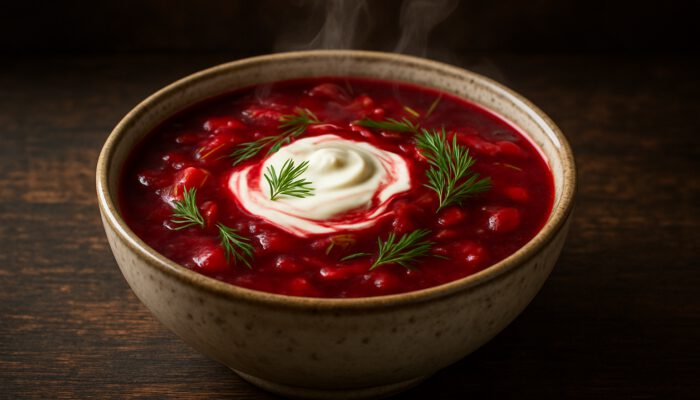
Optimising Vegetable Preparation for a Russian Borscht Recipe with Sour Cream
How to Select the Best Fresh Beets?
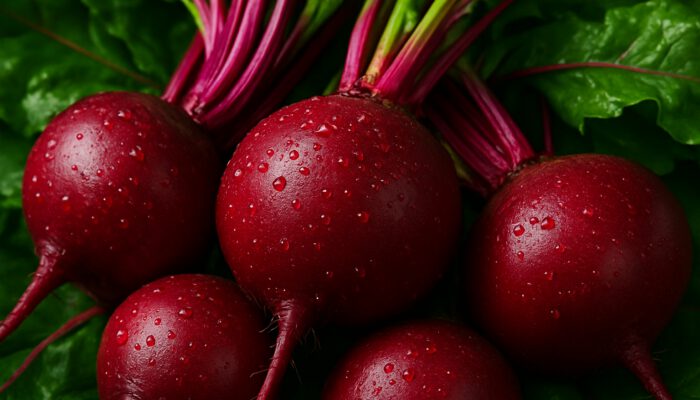
Choosing the perfect beets is essential for obtaining the vibrant colour and rich taste that define borscht. Look for firm, unblemished beets showcasing deep red or purple tones. Smaller beets are usually sweeter and more tender, making them the best choice for this dish. Freshness matters; opt for beets that are heavy for their size with fresh, leafy greens still intact, indicating recent harvest.
After selecting your beets, wash them thoroughly to eliminate any dirt. Avoid peeling them prior to cooking, as the skin retains flavour and colour throughout the cooking process. When you are ready to use them, trim the tops and roots, leaving a small portion of the stem to prevent colour bleeding during cooking. This meticulous approach lays the groundwork for a delicious borscht.
Using fresh beets not only adds visual appeal to the dish but also offers numerous health benefits. They are rich in antioxidants, vitamins, and minerals, enhancing the overall nutritional value of your borscht. By starting with high-quality ingredients, you guarantee a more satisfying and flavourful outcome.
What is the Proper Technique for Chopping Onions?
Correctly chopping onions is crucial for achieving an even texture and balanced flavour in borscht. Start by peeling the onion and halving it from root to stem. Lay the flat side down for stability, and make multiple horizontal cuts towards the root without cutting through it completely. Follow up with vertical cuts before dicing across the onion for uniform pieces.
Using a sharp knife is essential; dull blades can crush the onion instead of slicing it, releasing harsh flavours. Consistent chopping aids in even cooking and allows the natural sweetness of the onion to develop as it caramelises in the pot. This sweetness balances the earthiness of the beets and the tang from the sour cream.
Consider the variety of onion you choose. Yellow onions are the most common for borscht due to their balanced flavour. experimenting with red onions can introduce a slightly sweeter, more colourful element. Mastering the art of chopping onions significantly improves the overall quality of your borscht.
Mastering Sautéing Techniques for Depth of Flavour
Sautéing is a fundamental technique that enriches the flavour of your borscht. Start by heating an appropriate oil, such as sunflower or olive oil, in a large pot over medium heat. Allow the oil to reach the right temperature before adding your chopped onions. This ensures they caramelise instead of steam, resulting in a more robust flavour profile.
Stir the onions frequently, allowing them to soften and develop a golden colour. This process typically takes around 5 to 10 minutes, so take your time. The aim is to create a sweet base that will harmonise with the other ingredients. If the onions begin to brown too quickly, lower the heat to prevent burning.
Once the onions are translucent and aromatic, add in other vegetables like grated beets and carrots. The residual heat and oil will sauté them effectively, enhancing their natural sugars and flavours. This technique is crucial for achieving the depth of flavour that makes borscht unforgettable.
Efficiently Grating Fresh Beets
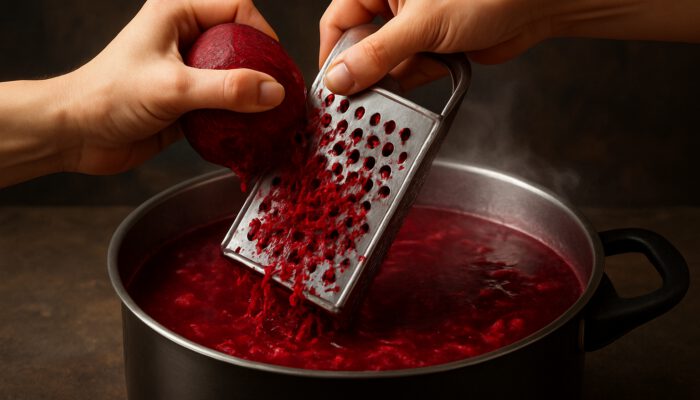
Grating beets is an excellent way to incorporate their vibrant colour and natural sweetness into your borscht. Using a coarse grater, shred the beets into uniform pieces, allowing them to cook evenly and release their juices into the broth. This process not only boosts the visual appeal of the dish but also infuses the soup with its signature deep red colour.
It’s best to add the grated beets early in the cooking process. This allows them to soften and meld with the other ingredients, enhancing the overall texture of the soup. As the beets cook, they may lose some of their colour, so incorporating them early ensures a rich, consistent hue throughout the borscht.
While grating, be cautious of the staining properties of beet juice. Wear an apron and use a cutting board that can withstand the colour. The health benefits of beets are significant; they are high in fibre, folate, and antioxidants, making them a valuable addition to your borscht and your diet.
Shredding Cabbage for Texture and Sweetness
Shredding cabbage is a vital step in preparing borscht, adding crunch and a hint of sweetness to the dish. Start by removing the outer leaves of the cabbage, then cut it into quarters. Remove the core and slice each quarter into thin strips. Aim for uniform thickness to ensure even cooking and texture in the final soup.
Introduce the shredded cabbage towards the end of your vegetable preparation. This timing allows the cabbage to soften slightly while maintaining its crunch, providing a pleasant contrast to the tender beets and other vegetables. The natural sweetness of the cabbage balances the earthiness of the beetroot, creating a harmonious flavour profile.
You might consider using different types of cabbage, such as savoy or Napa, for a unique twist on traditional borscht. Each variety offers its own flavour and texture, allowing for creative experimentation. The goal is to maintain the integrity of the cabbage while enhancing the overall dish, ensuring that every bowl of borscht is both visually appealing and delicious.
Pro Tips for a Perfect Russian Borscht Recipe with Sour Cream
How to Select High-Quality Ingredients?
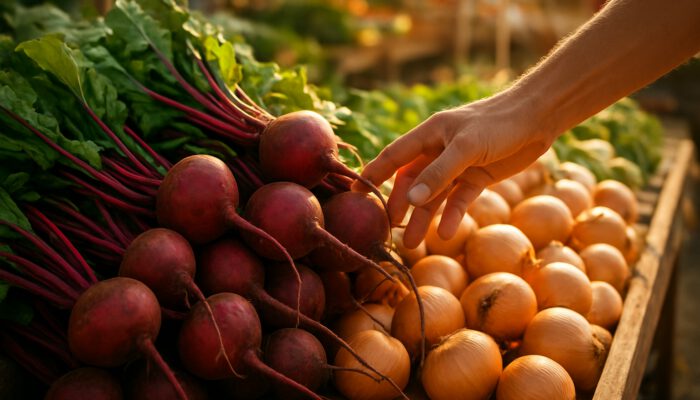
Selecting top-notch ingredients is vital for elevating the flavour of your borscht. When shopping for vegetables, seek out local markets or organic suppliers where you can assess the freshness of the produce. For beets, choose those that are firm and vibrant, while onions should be dry and free from blemishes. Freshness directly affects taste, so invest time in sourcing the best ingredients available.
Take seasonality into account when selecting your ingredients. Using vegetables that are in season ensures better flavour and supports local agriculture. For example, during winter, root vegetables like beets and carrots are at their peak, providing optimal sweetness and texture for your borscht. This approach enhances the dish and promotes sustainable cooking practices.
Don’t overlook the sour cream. Opt for a high-quality, full-fat variety for the best results. The creaminess and tang of premium sour cream can elevate the borscht, providing a rich contrast to the earthy flavours of the beets. By investing in quality ingredients, you set the stage for an exceptional borscht experience.
How to Effectively Balance Flavours?
Achieving a harmonious balance of flavours in borscht is crucial for a well-rounded dish. Begin by adding seasonings gradually, tasting as you go. Salt is essential for enhancing the natural flavours of the vegetables, while pepper adds a subtle heat. Be aware of the sweetness from the beets and the acidity of the sour cream; these elements should complement rather than overpower each other.
Herbs play a significant role in flavour balancing as well. Fresh dill or parsley added towards the end of cooking can brighten the dish and add complexity. Experiment with various herbs to discover the combination that resonates with your palate. The goal is to create a harmonious blend where each ingredient shines without overshadowing the others.
Consider acidity as another important factor. A splash of vinegar or a squeeze of lemon juice can elevate the dish and enhance the overall flavour profile. Adding these elements at the conclusion of cooking allows you to fine-tune the taste, ensuring that the borscht is both savoury and slightly tangy. This careful balancing leads to a satisfying and well-rounded soup.
When Should You Add Sour Cream for Best Results?
Timing the addition of sour cream is essential for achieving the desired creaminess and preventing curdling. Once your borscht has finished cooking, take it off the heat before stirring in the sour cream. This helps maintain a creamy texture while allowing the flavours to meld without the risk of the cream separating.
When incorporating the sour cream, consider using a ladle to mix a small amount of the hot broth into the cream first. This technique tempers the cream, gradually raising its temperature and preventing curdling when added to the pot. Stir gently until fully blended, ensuring a smooth and velvety consistency throughout the soup.
The richness of the sour cream enhances the overall experience of the borscht, providing a delightful contrast to the earthy flavours of the beets and vegetables. Serve with an additional dollop on top for an inviting presentation, making each bowl not only delicious but also visually appealing. This careful application of sour cream transforms your borscht into a comforting and satisfying dish.
What is the Cooking Process for a Russian Borscht Recipe with Sour Cream?
How to Simmer the Broth for Maximum Flavour?
Simmering the broth is a crucial step in the cooking process, allowing the flavours to meld beautifully over time. Start by adding water or vegetable stock to your sautéed vegetables, ensuring all ingredients are submerged. Bring the mixture to a gentle simmer, adjusting the heat as necessary to avoid boiling, which can cloud the broth.
During simmering, the key is to allow the ingredients to gradually release their flavours. This slow cooking method develops depth and complexity, resulting in a rich, satisfying broth. Keep the pot covered to maintain moisture and heat, but check occasionally to stir and prevent sticking on the bottom.
The simmering time for borscht can vary, but aim for at least 30 to 45 minutes. This duration allows the beets to soften and infuse their colour into the broth while the other vegetables contribute their flavours. As the soup simmers, taste periodically, adjusting seasonings as needed to achieve the perfect balance before serving.
What Common Mistakes Should You Avoid?
Avoiding common mistakes in preparing borscht can lead to far better results. One frequent error is overcooking the vegetables, which results in a mushy texture and loss of flavour. To prevent this, closely monitor the cooking time and test the vegetables for doneness. Aim for a tender yet firm consistency, especially with the beets and cabbage.
Another common issue is under-seasoning the broth. Since borscht relies on the interplay of sweet and savoury flavours, failing to add enough salt and pepper can result in a bland dish. Taste the soup at various stages and gradually adjust the seasonings, ensuring that the final product is well-balanced and flavourful.
Lastly, remember to incorporate the sour cream at the right time. Adding it too early can lead to curdling, while neglecting it diminishes the creaminess that enhances the dish. Follow the recommended steps for adding sour cream to ensure your borscht achieves the richness and texture that makes it truly special.
What Final Seasoning Steps Should You Take?
Final seasoning adjustments are crucial for refining the taste of your borscht. Once the soup has finished simmering, taste it again to determine if any adjustments are necessary. Fresh herbs like dill or parsley can be added at this stage for a burst of flavour and aroma that complements the earthy notes of the beets.
Consider adding a splash of vinegar or lemon juice to enhance acidity. This not only brightens the flavours but also balances the sweetness of the beets and the richness of the sour cream. Stir these ingredients in gently, allowing them to meld with the broth before serving.
Key benefits of final seasoning adjustments include:
- Enhances overall flavour
- Balances sweetness and acidity
- Brightens the dish with fresh herbs
- Improves visual appeal with vibrant colours
Taking the time to refine the taste ensures that every bowl of borscht is a delightful experience, showcasing the harmony of flavours achieved through careful preparation.
How to Incorporate Sour Cream for Optimal Results?
Integrating sour cream into your borscht is a final step that enhances both texture and flavour. After removing the pot from heat, gradually introduce the sour cream. This method prevents curdling and ensures a smooth, creamy consistency that melds beautifully with the soup.
Begin by adding a small amount of hot broth to the sour cream in a separate bowl, stirring until combined. This technique warms the cream without cooking it, allowing you to achieve the desired creaminess without compromising the dish’s integrity. Once thoroughly mixed, pour the mixture back into the pot, stirring gently to incorporate.
The addition of sour cream not only enriches the soup but also balances the earthy flavours of the beets and vegetables. This creamy contrast elevates the overall experience, making each serving more satisfying. Serve the borscht with an extra dollop of sour cream on top for a visually appealing finish that invites diners to enjoy this classic dish.
What Are the Nutritional Benefits of a Russian Borscht Recipe with Sour Cream?
What Does the Nutritional Value Breakdown Look Like?
Borscht is not just a delicious dish; it is also highly nutritious, especially when made with fresh ingredients. Beets shine in this soup, providing a wealth of vitamins and minerals. They are rich in vitamin C, which supports immune function, and folate, essential for DNA synthesis and cell growth. beets are high in dietary fibre, promoting digestive health.
The combination of vegetables in borscht further enriches its nutritional profile. Carrots offer beta-carotene, which converts to vitamin A in the body, while cabbage contributes vitamin K and antioxidants. Together, these ingredients create a wholesome meal that supports overall health and well-being.
Sour cream, often viewed as a decadent addition, also provides nutritional benefits. Full-fat varieties contain fat-soluble vitamins like A, D, E, and K, which are crucial for various bodily functions. Incorporating sour cream in moderation enhances the dish without sacrificing its health benefits, making borscht a balanced and satisfying meal option.
How to Serve Borscht for Maximum Enjoyment?
Properly serving borscht can enhance the overall dining experience. Begin by portioning the soup into warm bowls, allowing it to cool slightly before serving. This helps intensify the flavours while ensuring the soup is still at a comfortable temperature for consumption. The vibrant red hue of the borscht, contrasted with the creamy swirl of sour cream, creates an inviting presentation.
Garnish each bowl with fresh herbs, such as dill or chives, for added colour and flavour. A sprinkle of freshly cracked black pepper can also enhance the visual appeal and provide a subtle kick. These finishing touches elevate the dish, making it more appetising and enjoyable for your guests.
Encourage diners to mix the sour cream into their borscht before eating, as this creates a creamy texture that beautifully complements the earthy flavours of the beets. Providing crusty bread on the side allows for a satisfying way to soak up the delicious broth, making each bowl of borscht a complete and enjoyable meal.
What Are the Best Storage Recommendations?
To maintain the quality and safety of your borscht, proper storage is vital. Allow the soup to cool completely before transferring it to airtight containers. This step prevents condensation from forming, which can lead to spoilage. Borscht can be stored in the refrigerator for up to five days, making it a convenient option for meal prep.
If you wish to store borscht for a longer duration, consider freezing it. Portion the soup into freezer-safe containers, leaving space at the top for expansion. Borscht can be frozen for up to three months without losing its flavour or texture. When you are ready to enjoy it, simply thaw in the refrigerator overnight and reheat on the stove.
When reheating, do so gently over low heat to preserve the integrity of the ingredients. Avoid boiling, as this can affect the texture of the vegetables and the creaminess of the sour cream. With proper storage and reheating techniques, your borscht can be enjoyed multiple times, making it a practical and delicious choice for any meal.
What Are the Advantages of Including Beets in a Russian Borscht Recipe with Sour Cream?
How to Layer Flavours Effectively?
Layering flavours in borscht is an art that can significantly enhance the dish. Adding beets at various stages of cooking allows different intensities of earthiness to emerge. Start by introducing grated beets early, which will release their juices and colour the broth, creating a rich base. As the soup simmers, the beets will soften, contributing a sweet depth to the overall flavour.
Introducing additional beets later in the cooking process can provide a contrasting texture. For example, adding thinly sliced beetroot towards the end allows for a firmer bite, enhancing the complexity of the dish. This technique not only adds visual interest but also creates a more satisfying eating experience.
The natural sweetness of beets balances the acidity from the sour cream, creating a harmonious blend of flavours. By layering the beets thoughtfully throughout the cooking process, you ensure that each spoonful of borscht offers a delightful combination of textures and tastes, making the dish truly memorable.
How to Incorporate Herbs for Enhanced Flavour?
Adding fresh herbs to your borscht can significantly elevate the flavour profile. Introducing herbs like dill or parsley towards the end of cooking infuses the soup with aromatic notes that brighten the dish. These herbs complement the earthy flavours of the beets and enhance the overall freshness of the borscht.
Consider using a mix of herbs to create a more complex flavour. For example, combining dill with a hint of thyme or bay leaf can introduce depth and nuance to the soup. The key is to add herbs at the right moment; introducing them too early can lead to a loss of their vibrant flavours.
Garnishing each bowl with freshly chopped herbs before serving not only enhances the visual appeal but also provides a flavour burst with each spoonful. This simple addition transforms your borscht into a more sophisticated dish, making it a delightful experience for diners.
Why Should You Add Sour Cream Last?
Incorporating sour cream at the end of the cooking process is essential for preserving both flavour and presentation in your borscht. Adding sour cream too early can lead to curdling, which detracts from the creamy texture that complements the soup. By waiting until the borscht has finished cooking, you maintain the integrity of the cream.
Adding sour cream last also enhances the visual appeal of the dish. A dollop of cream swirling into the vibrant red soup creates an inviting presentation that entices diners. This striking contrast not only looks beautiful but also highlights the richness that sour cream brings to the dish.
The creamy addition of sour cream balances the earthy flavours of the beets and vegetables, creating a satisfying contrast. This final touch elevates the borscht, transforming it into a comforting and indulgent meal that leaves a lasting impression on those who enjoy it.
How Does Including Beets Enhance the Nutritional Profile?
Beets are a nutritional powerhouse, making them an excellent addition to your borscht. They are rich in essential nutrients, including fibre, folate, and manganese, which contribute to overall health. Fibre aids digestion, while folate is crucial for cell function and tissue growth, making it especially important for pregnant women.
Incorporating beets into your borscht enhances both flavour and nutritional value. The natural sweetness of beets contrasts beautifully with the tanginess of sour cream, creating a balanced dish that is both satisfying and nourishing. This combination results in a hearty meal that provides essential vitamins and minerals.
Sour cream, when added in moderation, complements the health benefits of beets. It contains beneficial fats that aid in the absorption of fat-soluble vitamins, making the dish not only delicious but also nutritious. By combining these ingredients thoughtfully, your borscht becomes a wholesome meal that supports overall wellness.
What Are the Best Serving Suggestions for a Russian Borscht Recipe with Sour Cream?
What Are Some Creative Presentation Ideas?
Presentation significantly impacts the enjoyment of borscht. Start by serving the soup in warm bowls, which enhances visual appeal and keeps the dish at an optimal temperature. The vibrant red colour of the borscht, contrasted with the creamy swirl of sour cream, creates an inviting and appetising appearance.
Garnish each bowl with fresh herbs, such as dill or parsley, for added colour and flavour. A sprinkle of freshly cracked black pepper or a drizzle of olive oil can also enhance the presentation, making the dish more visually appealing. These finishing touches invite diners to indulge in the meal.
Utilising colourful bowls or plates can further enhance the visual impact. Bright colours can make the dish pop, creating an attractive dining experience. The combination of a well-presented dish and delicious flavours results in an unforgettable meal, encouraging diners to savour every bite of your borscht.
How to Pair Borscht with Bread?
Selecting the right type of bread to accompany borscht can elevate the dining experience. Crusty varieties, like sourdough or rye, are excellent choices for soaking up the rich broth. The texture of the bread complements the soup, providing a satisfying contrast that enhances each mouthful.
When serving, slice the bread into thick pieces, allowing diners to dip and soak as they enjoy their borscht. This not only adds to the overall experience but also ensures that no drop of the delicious broth goes to waste. The combination of hearty bread and rich soup creates a comforting meal that warms the soul.
For an added touch, consider lightly toasting the bread before serving. This enhances its flavour and creates a delightful crunch that contrasts beautifully with the smoothness of the borscht. The pairing of borscht and bread is a classic combination that brings comfort and satisfaction to the table.
What Are the Best Garnishing Options?
Enhancing your borscht with fresh herbs can significantly improve its visual appeal and flavour. Dill is a traditional choice, providing a bright, fresh note that complements the earthy flavours of the beets. Chopped chives or parsley can also add a pop of colour and a hint of oniony flavour, elevating the dish’s overall presentation.
Consider using a mix of garnishes for added complexity. A combination of herbs can create a vibrant topping that entices diners. a sprinkle of smoked paprika or a drizzle of olive oil can provide an extra layer of flavour and visual interest, making each bowl of borscht more inviting.
When garnishing, aim for a neat and aesthetically pleasing finish. Arrange the herbs thoughtfully on top of the soup, creating a visually appealing contrast against the rich red broth. This attention to detail enhances the dish’s appearance and adds to the overall dining experience, making each serving of borscht a delight to behold.
How to Apply Sour Cream Effectively?
The application of sour cream is a critical step in serving borscht, enhancing both flavour and presentation. To achieve the best results, use a spoon to add a generous dollop of sour cream to each serving. This not only introduces a creamy texture but also creates a beautiful swirl against the vibrant red of the soup.
Encourage diners to mix the sour cream into the borscht before eating. This allows the tangy creaminess to meld with the earthy flavours of the beets, creating a harmonious blend that enhances the overall experience. The contrast between the rich soup and the creamy sour cream makes each bite satisfying.
For added visual appeal, consider drizzling a small amount of sour cream in a pattern on top of the soup before serving. This not only enhances the presentation but also signals the richness that sour cream brings to the dish. The thoughtful application of sour cream transforms your borscht into a comforting and indulgent meal that leaves a lasting impression.
Frequently Asked Questions
What is the Historical Origin of Borscht?
Borscht is traditionally linked to Eastern European cuisine, particularly Ukraine and Russia. Its origins can be traced back to ancient Slavic cultures, where it was prepared with various vegetables, primarily beets.
Can I Incorporate Other Vegetables into Borscht?
Absolutely, borscht is versatile and can include a variety of vegetables such as carrots, potatoes, and bell peppers. Each addition contributes unique flavours and textures to the dish.
Is Borscht Served Hot or Cold?
Borscht can be enjoyed both hot and cold, depending on personal preference. Hot borscht is comforting during winter, while chilled versions are refreshing in warmer months.
How Long Can Borscht Be Stored in the Refrigerator?
Borscht can be stored in the refrigerator for up to five days. Ensure it has cooled completely and is stored in airtight containers to maintain freshness.
Can I Freeze Borscht?
Yes, borscht freezes well. Portion it into freezer-safe containers and store for up to three months. Thaw in the refrigerator before reheating on the stove.
What Type of Sour Cream Works Best for Borscht?
Full-fat sour cream is ideal for borscht as it provides a rich, creamy texture that complements the soup’s flavours. Choose high-quality brands for the best results.
How Can I Make Borscht Vegetarian?
To make borscht vegetarian, use vegetable broth instead of meat-based stock. The dish can still be rich and flavourful with fresh vegetables and seasonings.
What Should I Serve Alongside Borscht?
Borscht pairs well with crusty bread, such as rye or sourdough. A side salad or pickled vegetables can also complement the meal nicely.
Can I Add Meat to Borscht?
Yes, traditional borscht often includes meat, such as beef or pork. You can add cooked meat to the broth for additional flavour and heartiness.
How Can I Adjust the Sweetness of Borscht?
To adjust the sweetness, you can add more vinegar or lemon juice to balance the flavours. Tasting as you go will help you achieve the desired profile.



Your insights on selecting beets for borscht are truly enlightening, although I wonder if we’re missing a deeper conversation about how individual preferences and regional variations influence the selection and preparation of these roots. For instance, while you noted that smaller beets tend to be sweeter and more tender, I’ve encountered recipes, particularly from the Western regions of Ukraine, that utilize larger beets, emphasizing that the borscht’s flavor can greatly depend on the balance between the beets and the other ingredients, such as the acidity of the tomatoes or the sweetness of the carrots.
I totally agree about the importance of fresh beets for borscht—it’s crazy how much difference they make in flavor and color! I remember my grandmother always insisted that the best beets come straight from the farmer’s market; she could spot the perfectly ripe ones from across the aisle. I’ve found that the taste really shines through when you take those extra steps—like keeping the skin on and trimming just the right amount.
It’s so true how fresh beets elevate borscht in every way. I can still picture my own grandmother in her kitchen, determined to find the best produce at the farmer’s market, too. She always had an eye for quality, and I think there’s something really special about that hands-on, farm-to-table approach. It’s a connection to where our food comes from, which seems to be fading a bit with the convenience of supermarkets nowadays.
Totally get what you mean—finding the right fresh beets is key, and I stumbled upon this great guide that dives into how to make borscht just like grandma used to.
‘How to Cook a Classic Russian Borscht: A Timeless Recipe’
https://cookinggods.com/how-to-cook-a-classic-russian-borscht-a-timeless-recipe/.