Key Ingredients for Delicious Autumn Pies
Choosing the Freshest Seasonal Fruits

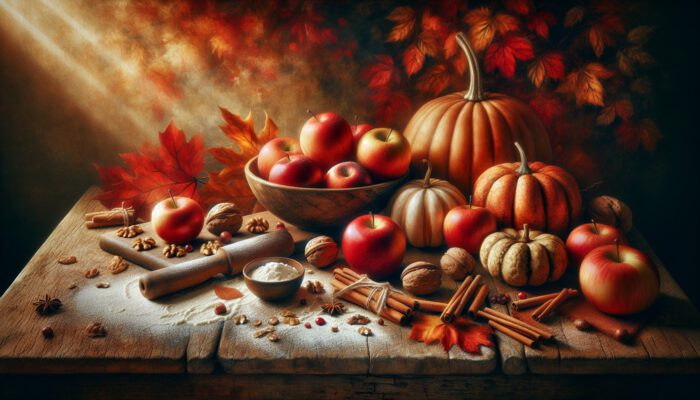
Best Autumn Pie Recipes to Bake: Choose the freshest seasonal fruits to craft the most delicious autumn pies. During this time of year, fruits such as Apples and pears are at their peak ripeness, which significantly enhances their flavour and texture. This not only makes the baking process more enjoyable for bakers of all skill levels but also results in a pie that is simply irresistible. For example, combining tart Granny Smith apples with the sweetness of Fuji apples creates a delightful flavour balance. Including ripe pears adds a lovely juiciness that complements the other fruits beautifully. Don’t hesitate to explore other seasonal options, such as persimmons or quinces, which can elevate your pie's overall flavour profile. By focusing on fresh ingredients, you not only enhance the taste but also significantly improve the visual appeal and overall presentation of your pies.
Essential Spices to Enhance Your Autumn Pies
Spices are vital for defining the rich flavours in autumn pies. Traditional spices such as cinnamon and nutmeg infuse warmth and depth into your baking, creating an inviting aroma that fills your kitchen with comforting scents as the pies bake. Adjusting the quantity of these spices allows you to find the perfect balance that enhances each slice without overwhelming the palate. For example, adding a hint of allspice or a pinch of ginger can create a complex flavour tapestry that works harmoniously with fruity fillings. You might also experiment with ground cardamom or ground cloves to add a unique twist to classic autumn flavours. Such variations enrich the taste experience and evoke the warm nostalgia associated with the autumn season in your home.
Exciting Alternative Fillings to Explore
In addition to traditional fruit fillings, there are countless ways to add excitement and creativity to your autumn pies. Incorporating alternatives, such as nuts or caramel, adds unique textures and flavours, making your pies adaptable to a variety of tastes and preferences. Here are some key ingredient substitutions to consider:
- Walnuts or Pecans: Add these for a delightful crunch.
- Caramel Sauce: Incorporate this for a rich, gooey filling that adds sweetness.
- Chocolate Chips: Mix these in for an indulgent twist on your filling.
- Sweet Potato: Use this as a fantastic alternative to pumpkin for a different flavour experience.
- Coconut Cream: Opt for this for a creamy, tropical touch that pleases the palate.
- Chia Seeds: Include them for a nutritious boost and as a natural thickening agent.
- Maple Syrup: Substitute this for sugar to achieve a deeper, more complex flavour.
- Dried Fruits: Combine them with fresh fruits for an added layer of sweetness.
This experimentation ensures that your autumn pies remain not only exciting and versatile but also cater to a wide range of tastes and dietary requirements.
What Defines the Best Autumn Pie?

Discovering the Key Flavours
The best autumn pies exhibit a harmonious blend of sweet and savoury elements, utilising seasonal produce to create memorable flavours that appeal to everyone. Imagine the warm, spiced notes of cinnamon mingling with the tartness of apples, resulting in a complex yet approachable flavour profile. This balance is crucial; the pie should evoke the essence of autumn without overwhelming the palate. For example, elevating a classic apple pie by adding a splash of lemon juice enhances the fruit's natural sweetness while introducing a refreshing tang. This synergy ensures that every bite celebrates the season, inviting everyone to indulge in the comforting flavours of autumn.
Perfecting Texture for the Ideal Pie
Achieving the perfect crust and filling consistency is vital for a satisfying pie experience. Temperature control is key; using cold butter and chilled water is essential for creating that flaky, buttery crust everyone loves. During baking, pay attention to the filling's texture; it should be thick enough to hold its shape but not so dense as to become gummy. For instance, employing a cornstarch slurry can help achieve the ideal consistency in fruit fillings. Additionally, allowing pies to cool before slicing is important to maintain their structure, resulting in a beautiful presentation and a satisfying mouthfeel. This careful attention to texture will elevate your pies, making them truly unforgettable.
Identifying Characteristics of a Superior Recipe

A high-quality pie recipe consistently delivers excellent results with minimal effort, focusing on flavours that evoke the essence of autumn through simple yet reliable methods. Look for recipes that feature fresh, seasonal ingredients and provide clear instructions on preparation techniques. A great recipe will guide you through essential steps like pre-baking the crust or using precise measurements for spices, ensuring that each pie is flavourful and satisfying. Indicators of a superior recipe often include high user ratings and reviews that highlight its dependability. Additionally, recipes that allow for personalisation, enabling bakers to add their unique touch, are often the most fulfilling, fostering creativity while maintaining the traditional essence of autumn pies.
Expert Tips for Crafting the Best Autumn Pie Recipes
Advanced Techniques for Pie Preparation
Employing advanced preparation techniques is essential for achieving pies of professional quality. Layering ingredients correctly ensures even baking, which significantly contributes to the pie's texture and flavour. Begin by tossing your fruits with sugar and spices well in advance; this allows the juices to meld with the sugar, creating a naturally thickened filling that bakes beautifully. Additionally, consider blind-baking your crust: pre-baking the crust before adding the filling helps prevent sogginess. By mastering these steps, bakers can ensure that their pies achieve that coveted professional quality, with crisp crusts and luscious fillings that delight the senses.
How to Optimise Baking Times for Perfect Pies
Optimising baking times is crucial to prevent overcooking and achieve that perfect golden crust. Reliable strategies include keeping a close eye on the pie towards the end of the baking duration. For example, many recipes suggest checking for doneness about 10 minutes before the recommended baking time ends. The pie should be bubbling and golden brown; using a thermometer can also help ensure the internal temperature reaches about 200°F (93°C). Real-world examples show that closely monitoring the pie during the final stages can prevent overbaking, which often results in a dry filling and a tough crust. By understanding the nuances of baking times, you can significantly elevate the quality of your autumn pies.
Enhancing the Visual Appeal of Your Pies
Creating visually appealing pies is just as important as ensuring they taste great. To enhance presentation, consider garnishing your autumn pies attractively. Start with a lattice crust for an elegant touch, allowing the filling to peek through. Fresh herbs, such as mint or rosemary, make excellent garnishes, adding a pop of colour and an aromatic layer. Dusting the pie with powdered sugar or drizzling caramel sauce can elevate both the flavour and visual appeal. Furthermore, serving pies with a scoop of vanilla ice cream or a dollop of whipped cream not only makes them more enticing but also enhances the overall dining experience. These thoughtful touches can transform a simple pie into a show-stopping dessert that captures attention.
Choosing the Best Seasonal Ingredients for Your Pies
Selecting the freshest seasonal ingredients is crucial for maximising pie flavours. When picking fruits like apples and pears, look for those that are firm and fragrant, indicating optimal ripeness. A good rule of thumb is to choose varieties that are in season and locally sourced. For spices, opt for whole spices whenever possible, as they provide a more intense flavour when freshly ground. Always assess the quality of your ingredients by checking for blemishes or soft spots, particularly in fruits. Proper storage is equally important; keep fruits refrigerated and spices in airtight containers to preserve their potency. These expert tips ensure that your autumn pies are brimming with the freshest flavours, making every bite a delightful experience.
Innovative Techniques for Crafting Pie Crusts
Employing innovative techniques for your crust can make your autumn pies stand out. Using high-quality Australian flour and butter is essential for creating a rich, flaky crust that delights the palate. Chilling your ingredients, including the mixing bowl and utensils, can help prevent the butter from melting too quickly, ensuring the perfect texture. Rolling out the dough between sheets of parchment paper simplifies the process and prevents sticking. For a unique twist, consider adding finely chopped nuts or herbs to the crust for added flavour and texture. This not only enhances the crust but also provides a delightful crunch that beautifully complements the filling. These innovative approaches ensure your autumn pies leave a lasting impression.
How to Select the Right Pie Recipes?
Assessing Recipe Sources for Reliability
When selecting a pie recipe, evaluating the source is essential to ensure reliable results. Look for recipes that feature clear instructions and comprehensive ingredient lists, making them easy to follow. Reputable sources often provide step-by-step guidance, including tips for avoiding common pitfalls, which can be invaluable for both novice and experienced bakers. Additionally, consider recipes that have been tested and vetted by a community, as user reviews can offer insight into their reliability. Recipes from established culinary experts or trusted cookbooks tend to deliver the best outcomes, as they are often crafted with precision and care. This careful evaluation will help you select recipes that align with your baking goals, ensuring delicious results every time.
Matching Recipes to Your Baking Skill Level
Choosing baking recipes that match your skill level is crucial for fostering a satisfying experience. Beginners may prefer straightforward recipes requiring minimal techniques and common ingredients. For instance, a simple apple pie might require only basic slicing and mixing. At the same time, more experienced bakers might enjoy complex pies that involve advanced techniques such as blind baking or intricate lattice designs. Selecting recipes with varying ingredient complexities allows you to gradually build your skills as you become more comfortable in the kitchen. A great approach is to start with easy recipes and progressively challenge yourself with more advanced techniques as your confidence increases. This ensures a rewarding baking journey, where every successful pie enhances your skills and passion for the craft.
Adapting Recipes for Dietary Requirements
Adapting recipes to accommodate dietary needs is essential for inclusivity and versatility in baking. For those with gluten sensitivities, consider using almond flour or gluten-free all-purpose flour to create crusts that are equally delicious as traditional ones. Additionally, substituting sugar with natural sweeteners like honey or maple syrup can cater to those who prefer healthier options. Plant-based alternatives can also be used for fillings, such as coconut cream in place of dairy for a creamy texture. By offering modifications, you not only cater to dietary restrictions but also expand your baking repertoire, ensuring that everyone at the table can enjoy your delectable autumn pies. This adaptability fosters creativity and inclusivity in your baking experience.
Research-Backed Benefits of Baking Autumn Pies
Understanding the Nutritional Benefits
The nutritional benefits of autumn pies are significant, especially when crafted with wholesome ingredients. Fruits like apples and pears are rich in essential vitamins and minerals, including vitamin C and dietary fibre, which contribute to overall health. Incorporating these fruits into your pies not only satisfies sweet cravings but also provides beneficial nutrients that promote well-being. Additionally, using spices such as cinnamon not only enhances flavour but also offers potential health benefits, including anti-inflammatory properties. By focusing on the nutritional aspects of your pie recipes, you can create desserts that are both satisfying and beneficial, allowing you to indulge without guilt.
The Emotional Comfort of Baking
Baking pies can serve as a therapeutic activity, providing emotional comfort and fostering relaxation. The process of mixing ingredients, kneading dough, and watching your creations rise can be incredibly rewarding and meditative. Real-world examples show that engaging in baking allows individuals to disconnect from daily stressors, offering a creative outlet that promotes mindfulness. The sensory experience of measuring spices, feeling the texture of the dough, and the enticing aromas wafting through the kitchen contribute to a sense of joy and fulfilment. This emotional connection to baking can enhance overall well-being, making the experience of making autumn pies enriching and meaningful.
Effective Long-Term Storage Techniques
To maintain freshness and extend the enjoyment of your autumn pies, employing effective storage techniques is critical. Allow pies to cool completely after baking to prevent moisture buildup, which can lead to sogginess. Store pies in airtight containers or wrap them tightly in plastic wrap to preserve flavour and texture. For even longer storage, consider freezing pies; this allows you to enjoy your creations well beyond the initial bake. When freezing, ensure they are wrapped securely to prevent freezer burn. Thawing techniques include refrigerating them overnight or letting them sit at room temperature for a few hours before reheating. These expert storage tips will help you savour your autumn pies for weeks to come.
Mental Health Advantages of Baking Autumn Pies
Research indicates that baking and consuming autumn pies, especially those infused with warming spices, can positively impact mental health. Engaging in sensory activities—like inhaling the aroma of spices and feeling the texture of the dough—can enhance mood and reduce anxiety. The warm, inviting nature of autumn pies evokes feelings of comfort and nostalgia, promoting emotional well-being. Moreover, sharing these pies with family and friends fosters social connections, which are vital for mental health. Leveraging the therapeutic benefits of baking can result in a simple yet effective boost to overall happiness, making autumn pies not just a culinary delight but also a source of emotional solace.
What Are the Best Storage Tips for Baked Pies?
Cooling Methods After Baking for Optimal Results
Proper cooling after baking is essential to ensure your pies maintain their structure and taste. Allow your pies to cool at room temperature for at least two hours before slicing; this prevents the filling from becoming runny and helps the crust retain its crispiness. Placing the pie on a wire rack facilitates air circulation, helping it cool evenly. Avoid covering pies immediately after baking, as this can trap moisture and lead to a soggy crust. By adhering to these cooling methods, you ensure that your pies remain delicious and visually appealing, ready to impress anyone who takes a slice.
Best Practices for Refrigerating Baked Pies
Proper refrigeration of baked pies can significantly impact their flavour and texture—store pies in airtight containers to protect them against refrigerator odours and moisture loss. For pies with dairy-based fillings, such as custards or creams, refrigeration is crucial to prevent spoilage. It is best to consume these pies within 3 to 4 days. On the other hand, fruit pies can often last a week in the fridge. When you are ready to serve, consider warming them slightly in the oven to enhance the flavours and re-establish that delightful fresh-baked aroma. These refrigeration best practices ensure your autumn pies remain enjoyable for several days so that you can savour every delicious bite.
Freezing Baked Pies for Future Enjoyment
Freezing baked pies is an excellent way to extend their shelf life while preserving their deliciousness. To freeze, wrap the pies securely in plastic wrap, then place them in a freezer-safe container or a heavy-duty freezer bag. It is essential to ensure that no air is trapped, as this can cause freezer burn. Pies can typically be frozen for up to three months without significant loss in quality. When it’s time to enjoy your frozen pie, thaw it in the refrigerator overnight for even defrosting. Alternatively, for quicker thawing, place the pie at room temperature for a few hours. Reheating in the oven restores the crust’s crispness and brings back the delightful aromas and flavours. By implementing these freezing techniques, you can enjoy your autumn pies even after the season has passed.
- Thaw in the refrigerator overnight for even defrosting.
- Place at room temperature for a few hours for quicker thawing.
- Reheat in a preheated oven to restore crispness.
- Cover edges with foil while reheating to prevent over-browning.
Proven Strategies for Crafting the Best Autumn Pie Recipes
Streamlining Your Baking Process
Streamlining the baking process makes pie-making more efficient and enjoyable. Start by gathering all ingredients and tools beforehand, creating a hassle-free environment that allows you to focus solely on the baking process. Consider using pre-made pie crusts or preparing your crust in advance to save time on busy days. Furthermore, utilising a food processor for mixing dough can expedite the process and ensure a consistent texture. By simplifying these steps, bakers can reduce errors and enhance the overall experience, allowing for more time to enjoy the fruits of their labour.
Encouraging Creativity through Experimentation
Encouraging creativity in baking can lead to exciting new flavours and textures. Experimenting with variations of classic recipes keeps the process fresh and enjoyable. For example, try adding spices like cardamom or incorporating unexpected ingredients like roasted nuts or chocolate chips into your filling. Consider merging traditional pies with modern desserts, such as a pumpkin cheesecake pie, for a delightful fusion of flavours. This spirit of experimentation not only enhances your baking skills but also invites a fun, playful atmosphere in the kitchen, inspiring you to try new combinations that reflect your personal taste.
Sharing Your Baking Creations with Others
Sharing your pies with others transforms baking into a communal activity that enhances the experience. Distributing your creations can provide valuable feedback, encouraging you to refine your skills and explore new techniques. Consider hosting a pie party where friends and family can sample different flavours, fostering a sense of community and camaraderie. Sharing also allows you to introduce others to the joys of baking, potentially inspiring them to embark on their own culinary adventures. Here are some sharing ideas:
- Host a pie swap with friends.
- Deliver slices to neighbours or coworkers.
- Participate in local bake sales or charity events.
- Organise a potluck where everyone brings a pie.
These sharing initiatives not only spread joy but also deepen connections with those around you, making your baking journey even more rewarding.
Choosing Seasonal Ingredients for Optimal Flavour
Selecting seasonal ingredients is key to achieving peak flavour and nutritional benefits in your autumn pies. Look for local farmers' markets or grocery stores that feature seasonal produce, ensuring the freshest options available. Apples, pears, and pumpkins are quintessential autumn ingredients that offer rich flavours and textures. When selecting, opt for firm, unblemished fruits, as this indicates quality. Additionally, consider using seasonal vegetables, such as butternut squash, for a savoury twist. This attentiveness to ingredient selection not only enhances the quality of your pies but also supports local agriculture, fostering a sustainable approach to your baking endeavours.
Perfecting Pie Presentation for Impact
Mastering presentation techniques can elevate the appeal of your baked autumn pies, making them not just delicious but also visually striking. Start by creating eye-catching crust designs, such as braids or cut-out shapes that reflect the season. A simple egg wash can achieve a beautiful golden finish. Once baked, consider plating the pies with garnishes such as a sprig of mint or a few slices of fresh fruit for added colour. A drizzle of caramel or chocolate sauce enhances both visual appeal and flavour. Furthermore, serving pies on beautiful platters can transform them into centrepieces at gatherings. These presentation strategies ensure your autumn pies are as aesthetically pleasing as they are delicious, making them a joy to serve.
Creative Twists on Classic Pies
Modern Topping Ideas to Elevate Your Pies
Updating traditional pies with contemporary toppings can introduce a modern flair to your autumn desserts. Consider incorporating a crunchy streusel topping made from oats, flour, and brown sugar for added texture and sweetness. This not only contrasts beautifully with the soft filling but also elevates the pie's overall aesthetic. You could also experiment with toppings such as toasted nuts or a drizzle of glaze, which brings richness and flavour complexity. Seasonal ingredients like spiced whipped cream or a dollop of mascarpone can elevate classic pies, keeping them relevant and exciting for today’s palate. These modern twists invite creativity while maintaining the comforting essence of autumn.
Incorporating Unique Flavours to Revitalise Recipes
Incorporating unique flavours into your pies can breathe new life into traditional recipes. For instance, blending unexpected elements such as cardamom or lavender into the filling can offer delightful surprises that keep taste buds engaged. Consider adding a swirl of pumpkin purée to a classic cheesecake pie for a rich, creamy texture, or infusing your filling with citrus zest for unexpected brightness. The key is to maintain the essence of autumn while pushing the boundaries of traditional flavours. Such innovations not only showcase your creativity but also allow you to produce pies that truly stand out at any gathering.
Personalising Pies for Special Occasions
Personalising pie recipes to fit different occasions makes them versatile for both everyday gatherings and special celebrations. For festive events, consider adding seasonal spices or themed decorations that reflect the spirit of the occasion; for instance, sprinkle edible glitter on top for a holiday brunch or use stencils to create unique designs on the crust. Additionally, adapting recipes to cater to dietary preferences—such as crafting gluten-free options or reducing sugar for healthier alternatives—ensures that everyone can enjoy your creations. By tailoring pies to various events and audiences, you enhance their significance and make them a cherished part of every celebration.
Frequently Asked Questions About Autumn Pies
What are the best fruits for autumn pies?
The best fruits for autumn pies include apples, pears, and pumpkins. These fruits are in season during autumn and offer wonderful flavours and textures that work beautifully in a variety of pie recipes.
How can I make my pie crust flaky?
To achieve a flaky pie crust, use cold butter and water, and avoid overworking the dough. Chilling the dough before rolling it out also helps maintain its flakiness.
Should I pre-bake my pie crust?
Pre-baking your pie crust, or blind baking, is recommended for certain fillings, like custards or creams, to prevent a soggy bottom. It ensures the crust is cooked through and maintains its texture.
Can I freeze baked pies?
Yes, baked pies can be frozen. Wrap them securely in plastic wrap or foil and store them in an airtight container. They can be frozen for up to three months without losing quality.
What spices are essential for autumn pies?
Essential spices for autumn pies include cinnamon, nutmeg, ginger, and allspice. These spices enhance the flavour profile and evoke the warm, comforting essence of the season.
How do I prevent my pie from burning?
To prevent your pie from burning, monitor it closely during the last 10 minutes of baking. You can also cover the edges with foil if they brown too quickly.
What’s the best way to store leftover pie?
Store leftover pie in an airtight container in the refrigerator to maintain freshness. Most pies are best consumed within a few days.
Can I use frozen fruit in my pies?
Yes, you can use frozen fruit in your pies. However, it’s best to thaw and drain any excess moisture before incorporating them into your filling to prevent a soggy pie.
How can I enhance the flavour of my pie filling?
Enhance your pie filling’s flavour by adding a splash of lemon juice, using high-quality spices, or incorporating a hint of vanilla or almond extract for a deeper taste.
What are some creative pie toppings for autumn pies?
Creative pie toppings for autumn pies include streusel, whipped cream, caramel sauce, or even a scoop of ice cream. These toppings can elevate the overall dessert experience.