
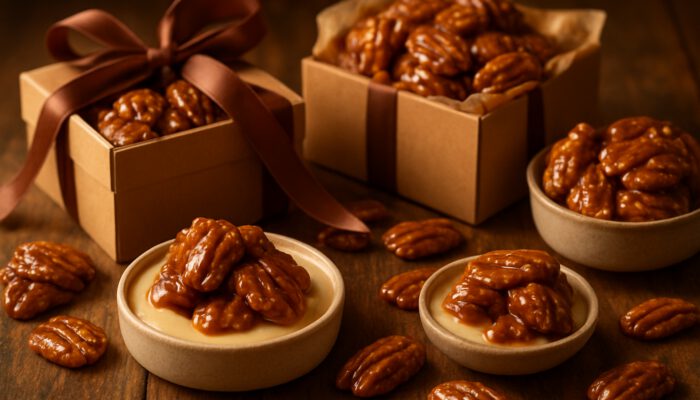
Choosing Top-Quality Ingredients for Praline Creation
Selecting the Best Nuts and Sugars
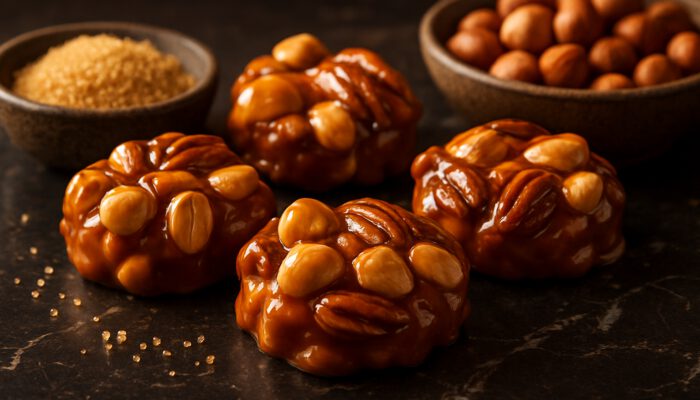
Choosing premium nuts and sugars is vital for crafting homemade praline that tantalises the taste buds. Varieties such as hazelnuts, almonds, and pecans each bring unique flavours and textures, while sugars like granulated, brown, and coconut sugar can significantly enhance the overall taste. Prioritising high-quality ingredients guarantees a rich flavour profile and an ideal texture during the cooking process.
The type of nuts selected also affects the versatility of the praline. For example, hazelnuts offer a creamy taste, whereas almonds provide a delightful crunch. The choice of sugars influences the caramelisation process, which subsequently impacts the sweetness and consistency of the final product. This meticulous attention to ingredient selection allows praline to serve as a dessert topping or stand-alone treat, suitable for a variety of occasions.
Why is Understanding Caramelisation Important?
Grasping the concept of caramelisation is crucial for perfecting your praline. The caramelisation process initiates around 160°C (320°F), marking the point where sugars begin to melt and develop a golden hue. This delicate transformation requires careful monitoring, as exceeding 180°C (356°F) can lead to burnt sugar, compromising both the flavour and the appearance of your praline.
Maintaining precise temperature control is essential for achieving that coveted golden colour. A reliable candy thermometer is invaluable in tracking temperature accurately. When the sugar reaches the desired shade, it is imperative to remove it from the heat immediately to halt further cooking, ensuring your praline offers a delightful taste and texture.
Finding Fresh Dairy Ingredients
Fresh dairy ingredients, including cream and butter, are instrumental in shaping the texture and flavour of homemade praline. Cream contributes a luxurious richness, while butter adds depth and effectively binds the mixture. Choosing high-quality dairy products ensures a smooth and velvety final product, perfect for various culinary uses.
Incorporating fresh dairy not only elevates the mouthfeel of the praline but also enriches its flavour complexity. When sourcing dairy, consider local or organic options to enhance your praline further. This focus on quality sourcing guarantees that your homemade treats are not only delectable but also demonstrate a commitment to excellence.
Comprehensive Preparation Steps for Praline
Assembling Necessary Tools
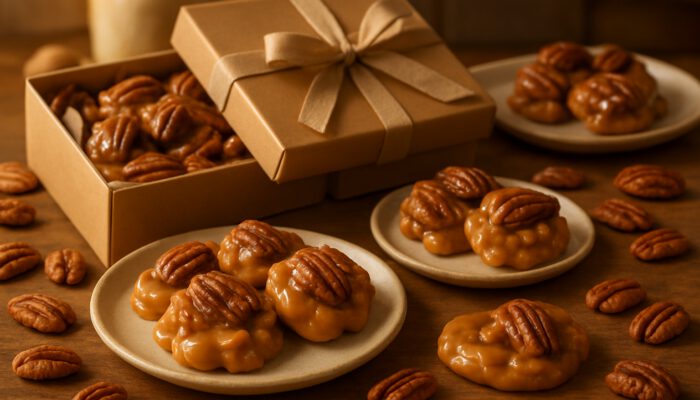
Creating homemade praline requires a few essential tools to ensure a successful outcome. A dependable candy thermometer is critical for accurately tracking the sugar temperature, while silicone mats provide a non-stick surface for cooling the praline. Other useful tools include a heavy-bottomed saucepan and a wooden spoon for effective stirring.
Having these tools readily available before commencing the process streamlines efforts and minimises the risk of mistakes. Being well-prepared allows you to concentrate on perfecting the caramelisation and cooling stages, resulting in a successful batch of praline that is ready for dessert or gifting.
How to Accurately Monitor Temperature?
Accurate temperature monitoring is crucial for avoiding overcooking and achieving the signature crunch that makes praline so appealing. Keeping a close watch on the thermometer during cooking enables you to capture the sugar at the ideal moment, ensuring it reaches the perfect caramelisation point without burning.
Once the sugar attains the desired temperature, remove it from the heat immediately. Allowing it to cool slightly before adding nuts or other ingredients helps maintain the intended texture. This diligent attention to temperature guarantees a delightful praline that enhances sweet dishes and makes for a fantastic gift.
Cooling and Breaking Techniques for Praline
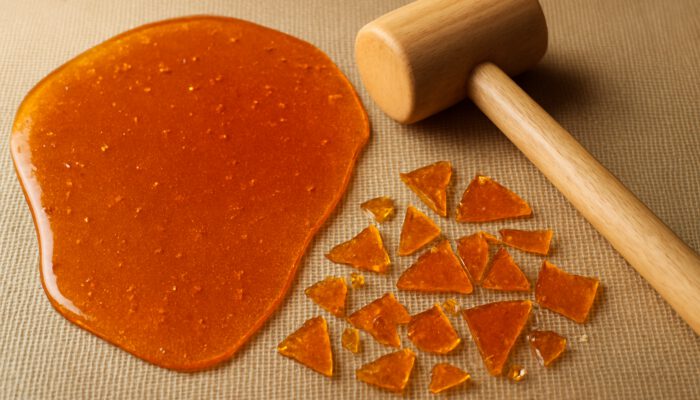
Proper cooling is critical for solidifying the praline mixture effectively. After pouring it onto a silicone mat or parchment paper, allow it to cool at room temperature until fully hardened. This process may take anywhere from 30 minutes to an hour, depending on the thickness of the praline layer.
Once cooled, breaking the praline into pieces can be accomplished using your hands or a mallet. Aim for bite-sized chunks that are easy to incorporate into desserts or package as gifts. Storing the praline in airtight containers preserves freshness and maintains its delightful crunch for future enjoyment.
Which Ingredients Elevate Praline Flavour?
Enhancing with Vanilla and Spices
Incorporating vanilla extract or subtle spices can significantly enrich the base flavour profile of your praline. Vanilla imparts a warm, aromatic quality that complements the nutty flavours, while spices like cinnamon or nutmeg add hints of warmth and complexity. These enhancements foster a more sophisticated praline perfect for diverse dessert applications.
Experimenting with spices can yield unique flavour combinations that delight the palate. For instance, adding a touch of cardamom can infuse an exotic flair, setting your praline apart. By carefully selecting flavour additions, you can craft praline that not only enhances desserts but also serves as an impressive gift.
Exploring Nut Combinations
Experimenting with different nut combinations can introduce unique textures and flavours to your praline. While traditional choices such as almonds and hazelnuts are popular, trying walnuts, pistachios, or macadamias can expand the flavour profile. Each nut contributes its distinct taste and crunch, allowing for creative freedom in your praline recipes.
Consider blending nuts for a more intricate flavour profile. For instance, pairing pecans with cashews can yield a delightful mix of sweet and buttery notes. This exploration not only enhances the taste of the praline but also appeals to a diverse range of palates, making it perfect for everyday snacks or special occasions.
Achieving the Right Level of Sweetness
Modifying sugar ratios is essential for ensuring your praline remains enjoyable without overpowering other dessert elements. The sweetness of the praline should harmonise with the accompanying flavours of the dish. A well-balanced praline can elevate layered desserts or stand alone as a delightful treat.
When adjusting sweetness levels, consider the overall dessert composition. If your praline accompanies a rich chocolate cake, a slightly less sweet praline may provide a pleasing contrast. This thoughtful approach to sweetness optimises flavour balance, ensuring that your praline enhances the entire dessert experience.
Incorporating Sea Salt or Savoury Flavours
Adding a pinch of sea salt or other savoury elements can amplify the sweetness of your praline, crafting a delightful contrast. The sweet-salty combination is a classic pairing that enriches the overall flavour profile. A sprinkle of flaky sea salt can elevate the taste, rendering your praline even more irresistible.
Consider integrating ingredients like smoked sea salt or spices such as cayenne for a hint of heat. This twist not only adds complexity but also broadens the culinary applications of your praline. Whether used as a topping for desserts or presented as a standalone gift, these flavour enhancements will surely impress your recipients.
Introducing Coffee or Citrus Flavours
Incorporating coffee extracts or citrus zests adds an unexpected twist that complements the nutty base of your praline. Coffee contributes depth and richness, while citrus notes like orange or lemon zest introduce brightness and freshness. These additions can elevate your praline, making it suitable for both everyday snacks and special occasion gift boxes.
When using coffee, opt for high-quality espresso or cold brew extracts to ensure optimal flavour. For citrus, be cautious with the amount used, as a little can significantly enhance the overall taste. These inventive flavour combinations will not only surprise your taste buds but also leave a lasting impression on anyone receiving your homemade praline.
Expert Tips for Crafting Homemade Praline for Desserts and Gifts
Refining Texture for Professional Quality
Achieving a professional texture in your praline often hinges on minor adjustments in technique. Seasoned cooks stress the importance of carefully monitoring cooking time and temperature, as these elements significantly affect the final product. For example, slightly reducing cooking time can yield a softer, chewier praline, while longer cooking times result in a crunchier texture.
Insights from experienced chefs underscore the value of practice. Many recommend repeated attempts to refine your technique, leading to improved visual appeal and mouthfeel. By focusing on these details, you can consistently create praline that rivals store-bought options, impressing both family and friends alike.
Efficiently Scaling Recipes
Increasing batch sizes for praline can be accomplished without sacrificing quality by following a few practical steps. Begin by adjusting the quantities of nuts and sugar proportionally, ensuring that cooking times remain consistent. This method allows you to produce larger quantities while preserving the same flavour and texture.
Consider utilising larger pots or pans to accommodate the increased volume. pay close attention to the temperature, as larger batches may require slightly extended cooking times. By implementing these strategies, you can efficiently scale your praline recipes for events or gatherings without compromising quality.
Avoiding Common Mistakes
Frequent mistakes in praline making often arise from improper stirring methods or mismanagement of temperature. For instance, stirring too vigorously can introduce air bubbles, resulting in a grainy texture. Instead, employ gentle, consistent stirring to ensure a smooth mixture while allowing the sugar to caramelise evenly.
Another common pitfall is failing to monitor the temperature closely, which can lead to burnt sugar. To rectify this quickly, invest in a quality candy thermometer and maintain vigilance over the cooking process. Being aware of these issues enables you to avoid mistakes and consistently produce delicious praline.
Choosing Premium Ingredients
Exploring innovative flavour combinations using local Australian ingredients can elevate your homemade praline. For instance, incorporating native nuts like macadamias or wattle seeds can create unique flavours that resonate with local tastes. Pastry chefs frequently recommend these ingredients for their distinct profiles, which can impress both recipients and diners.
Consider pairing local honey or native fruits with your praline for added complexity. These ingredients not only enhance flavour but also provide a sense of place, making your praline a thoughtful gift. By drawing inspiration from local sources, you can create praline that reflects both creativity and a connection to Australian culinary heritage.
How Does Praline Complement Different Desserts?
Perfectly Topping Ice Cream Delights
Praline pieces can introduce a delightful crunch to ice cream sundaes, enhancing the overall sensory experience. The contrast between creamy ice cream and crunchy praline creates a satisfying texture that elevates the dish. This combination is especially inviting during warm weather or as a special treat at gatherings.
Consider using praline as a topping for various ice cream flavours, from classic vanilla to indulgent chocolate. The sweetness of the praline harmonises beautifully with the creaminess of the ice cream, resulting in a delicious dessert. This versatility allows praline to shine as a star ingredient in your ice cream creations.
Incorporating into Cakes for Added Depth
Crushed praline layers within cakes add depth and intrigue, making each slice more memorable. Integrating praline into cake batter or using it as a filling enhances both texture and flavour, transforming the overall dessert experience. This technique can elevate simple cakes into extraordinary creations.
When layering cakes, consider pairing praline with complementary flavours like chocolate or caramel. The interplay of textures and tastes creates a delightful contrast that will impress your guests. By incorporating praline into your cakes, you can turn ordinary desserts into show-stopping centrepieces for celebrations.
What Are the Best Dessert Pairings?
Exploring pairings with fruits or creams reveals versatile options that cater to a broad range of preferences. For instance, combining praline with fresh berries creates a delightful balance of sweetness and tartness, enhancing the overall dessert experience. Similarly, pairing praline with whipped cream or custard introduces a creamy element that complements the crunchy texture beautifully.
Consider creating parfaits that layer praline with yogurt and fruits for a delightful breakfast or dessert option. This versatility allows praline to accommodate various dietary needs, making it an excellent addition to regular meal planning. By experimenting with different combinations, you can unveil new and exciting ways to enjoy praline.
Enhancing Mousses and Puddings with Praline
Praline introduces a delightful crunch and nutty sweetness to creamy mousses and traditional puddings. This addition not only enhances flavour but also adds an appealing textural contrast that makes these desserts more exciting. Incorporating praline into these dishes is an excellent way to cater to diverse tastes during gatherings.
When using praline in mousses, consider folding in crushed pieces just before serving to preserve their crunch. For puddings, sprinkling praline on top enhances visual appeal and adds a satisfying texture. These techniques ensure that your desserts stand out, making them perfect for festive occasions and family events.
Proven Strategies for Crafting Homemade Praline for Gifting
Timing Production for Optimal Freshness
Effective production schedules are vital for maintaining peak quality from kitchen to table or recipient. Aim to prepare praline close to the time you plan to serve or gift it, as freshness greatly affects taste and texture. This strategy ensures that your praline retains its delightful crunch and flavour.
Consider making praline in small batches if you’re planning to gift it. This approach allows you to create fresh, personalised portions that recipients will appreciate. By timing your production effectively, you can guarantee that your homemade praline is always at its best, enhancing the gifting experience.
Customising Recipes for Dietary Needs
Adapting praline recipes to accommodate dietary needs can be achieved by incorporating alternatives without sacrificing flavour. For example, swapping traditional sugars with coconut sugar or using dairy-free butter can make your praline suitable for individuals with dietary restrictions. These modifications enable everyone to enjoy your homemade treats.
When customising recipes, be mindful of how adjustments may impact texture and flavour. Testing small batches can help you refine the recipe while ensuring the final product remains delicious. This inclusivity ensures that your praline can be enjoyed by a broader audience, making it a thoughtful gift for all.
Creative Packaging for Presentation
Thoughtful wrapping materials and designs can significantly enhance the gifting aspect of your praline. Consider using clear cellophane bags tied with ribbons for a simple yet elegant presentation. Alternatively, decorative boxes or tins can add a personal touch, making your praline gifts truly stand out.
Ensure that your packaging protects the contents while showcasing the appeal of the praline. Including a handwritten note or label can further personalise the gift, adding a meaningful touch. Well-considered packaging not only enhances visual appeal but also reflects the care and effort invested in creating your homemade praline.
Why Is Homemade Praline an Ideal Gift?
Creating Custom Portions for Thoughtful Gifting
Dividing praline into custom sizes allows for thoughtful gifting that recipients will appreciate. By crafting individual portions, you can tailor the gift to align with the recipient’s preferences, creating a more personal gesture. This attention to detail enriches the overall gifting experience and demonstrates that you care.
Consider packaging praline in small jars or boxes, enabling recipients to savour the treat at their leisure. Personalised portions also facilitate sharing, spreading the joy of your homemade creation. This thoughtful approach to gifting ensures that your praline is cherished and remembered.
How to Ensure Longevity of Your Praline?
Implementing proper techniques can extend the shelf life of praline, allowing gifts to remain enjoyable for weeks following preparation. Store praline in airtight containers at room temperature to maintain its crunch and flavour. Prevent exposure to moisture, which can lead to a loss of texture and quality.
Consider placing a desiccant packet in the container to further absorb moisture. This simple addition can help prolong the shelf life of your praline, making it a convenient gift that lasts. By taking these precautions, you can ensure that your homemade praline remains delightful for an extended period.
Enhancing the Visual Appeal of Your Gifts
Decorative elements like ribbons and labels can transform simple praline into attractive presents. A well-packaged gift not only looks appealing but also conveys the thoughtfulness behind it. Using vibrant colours or themed decorations can make your praline stand out, appropriate for any occasion.
Consider incorporating seasonal themes or personal touches that reflect the recipient’s interests. This level of detail can make your gift feel even more special and appreciated. By enhancing the visual appeal of your praline, you create a memorable gifting experience that leaves a lasting impression.
Advanced Techniques for Achieving Perfect Results
Regularly Testing for Consistency
Conducting regular checks during cooking is essential for achieving the desired hardness of your praline. As the sugar caramelises, closely monitoring the texture is crucial. A simple test involves dropping a small amount of the mixture into cold water; if it forms a hard ball, it is ready to be removed from the heat.
This testing method ensures your praline achieves the perfect consistency for your intended use. Adjusting cooking times based on these tests allows for reliable results across all recipes. By incorporating this practice, you can consistently produce praline that meets your expectations.
Key Enhancements for Flavor Boosting
Exploring flavour enhancements can expand your creative possibilities while keeping the core recipe intact. Consider the following additions to elevate your praline:
- Adding citrus zest for a burst of brightness
- Incorporating coffee extracts for added depth
- Using spices like cinnamon or cardamom for warmth
- Experimenting with various nut varieties for unique textures
These flavour enhancements can transform your praline into a gourmet delight that excites the palate. By exploring these options, you can create praline that shines in both everyday and special occasion settings.
Storing Praline for Extended Enjoyment
Proper storage techniques are vital for preserving the crunch and flavour of praline. Store your praline in an airtight container at room temperature, away from direct sunlight and moisture. This practice ensures that the praline remains fresh and delightful for spontaneous dessert ideas or last-minute gifts.
If you plan to store praline for an extended period, consider freezing it. Place the praline in a freezer-safe container, ensuring it is well-protected from moisture. This method allows you to savour your homemade praline even months later, maintaining its delightful texture and flavour.
Testing Different Nut Varieties
Experimenting with various nuts such as almonds or pecans can significantly alter both the texture and flavour profile of your praline. Each nut offers its unique characteristics, allowing for creative variations that keep your praline exciting. For example, pecans impart a rich, buttery taste, while almonds contribute a satisfying crunch.
When experimenting, consider blending nuts for a more complex flavour profile. This approach not only enhances the praline’s taste but also caters to diverse palates. By keeping the process straightforward and accessible, you can create unique twists on traditional praline recipes that impress friends and family alike.
Frequently Asked Questions
What ingredients compose praline?
Praline typically consists of nuts, sugar, and occasionally dairy. The nuts are caramelised with sugar, resulting in a sweet, crunchy confection that can be enjoyed in various desserts or on its own.
What is the shelf life of homemade praline?
When stored in an airtight container at room temperature, homemade praline can maintain its quality for several weeks. For extended storage, consider freezing it in a freezer-safe container.
Can I substitute different nuts in praline?
Absolutely, various nuts can be used in praline. Almonds, hazelnuts, pecans, and walnuts are all excellent choices. Combining different nuts can yield unique textures and flavours.
How do I prevent praline from becoming sticky?
To avoid stickiness in praline, ensure it is stored in an airtight container and kept away from moisture. Proper cooking and cooling techniques also play a role in maintaining its crunch.
Is it possible to add flavourings to praline?
Definitely! You can enhance praline with flavourings such as vanilla, citrus zest, or coffee extracts. These additions can elevate the overall taste and complexity of your praline.
Which desserts pair well with praline?
Praline pairs wonderfully with ice cream, cakes, mousses, and puddings. Its crunchy texture and nutty flavour complement a variety of sweet dishes, enhancing their overall appeal.
What is the best way to package praline for gifting?
For gifting, consider packaging praline in clear cellophane bags or decorative boxes. Adding ribbons and personal notes can enhance the presentation and make it feel more special.
Can praline be adapted for dietary restrictions?
Yes, praline can be customised to meet dietary restrictions by using alternatives for sugar and dairy. For example, coconut sugar and dairy-free butter can create a suitable version for those with specific needs.
What is the best method for breaking praline into pieces?
Once cooled, praline can be broken into pieces using your hands or a mallet. Aim for bite-sized chunks that are easy to incorporate into desserts or package as gifts.
Can I use sugar substitutes in praline recipes?
Yes, sugar substitutes can be incorporated into praline recipes. be cautious about how these substitutes may affect the cooking process and final texture. Testing small batches is advisable for optimal results.



Your exploration of ingredient selection in praline creation is indeed a crucial topic that resonates with many home cooks and confectionery enthusiasts. Choosing high-quality nuts and sugars is not just a fundamental step; it is an art form that highlights the intricate relationship between ingredients and the final product’s flavor and texture.
You’ve touched on a vital aspect of praline creation that often goes unnoticed. The choice of ingredients can make or break the outcome, and it’s fascinating how something as simple as the quality of nuts can elevate a praline from good to extraordinary. For example, using freshly roasted nuts can enhance the overall flavor profile significantly.
“To delve deeper into the art of praline crafting and discover some premium ingredient recommendations, check out our exclusive guide!”
https://cookinggods.com/ChocolateHealth