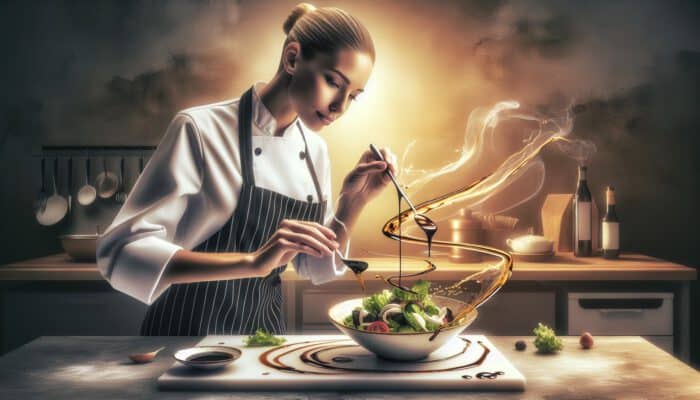
Mastering the Art of Drizzling Sauces: Essential Techniques
What Tools Should You Use for Precision in Drizzling?
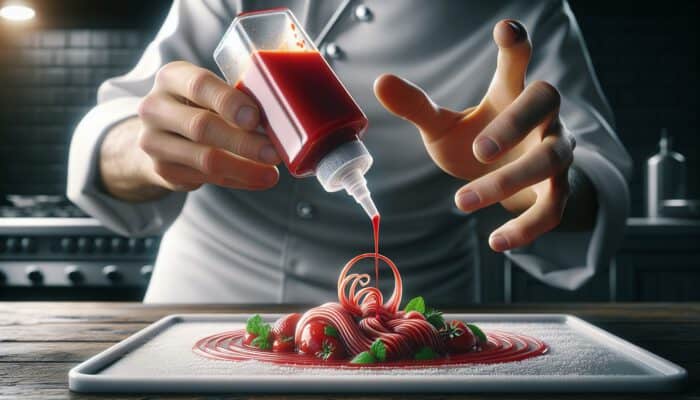
Top Ways to Drizzle Sauces Artfully: Achieving a stunning, artistic drizzle of sauce requires the right tools that facilitate precise control and allow creative application. A carefully curated selection of essential implements can truly transform your drizzling technique, making even the most ordinary meals visually striking. An essential tool in your toolkit is a squeeze bottle. This innovative device provides fine control over the sauce's flow, enabling you to create intricate designs with ease. Chefs highly value squeeze bottles for their versatility, as they can hold a variety of sauces, offering endless options for creative presentation.
Another indispensable tool is a paintbrush, specifically designed for culinary use. Using brushes allows for the gentle application of sauces, ensuring even coverage across a dish. This method works wonderfully when drizzling glazes over desserts or marinating meats, as it enhances both control and creativity in your sauce application. For those who appreciate a rustic touch, a spoon can be effective as well. The back of a spoon can create elegant swoops and swirls, while the front is perfect for dolloping sauces onto plates, adding a charming, handmade feel to your dishes.
In addition to these, pipettes or dropper bottles are excellent for precise drizzling, particularly in modern gastronomy. This technique is often showcased in high-end dining establishments, where chefs craft stunning visual effects by controlling the size of sauce drops. Regardless of the tools you choose, the most important aspect is to practise with them to understand how they can enhance your overall presentation fully. The right combination of tools can elevate your culinary creations, encouraging you to confidently explore new styles and techniques.
How to Achieve Even Coverage with Basic Drizzling Methods
For an eye-catching drizzle, mastering basic methods for achieving even coverage is crucial. Simple yet effective techniques can significantly enhance a dish's visual appeal without complicating the process. One of the simplest methods is to use circular motions when applying the sauce. This technique is particularly effective for creating a base for dishes like salads or pasta. By starting in the centre of the plate and moving outward, you can create a visually pleasing spiral that directs the eye and adds depth to your overall presentation.
Another effective method is to use linear patterns, which can be easily achieved by drawing straight lines across the plate. This technique works beautifully with thicker sauces such as balsamic reductions or chocolate sauces, which naturally hold their shape when drizzled. A well-executed linear pattern not only adds an air of sophistication but also helps frame the dish, drawing attention to the main components. For an extra touch of creativity, consider combining circular and linear patterns. The contrast between these techniques will elevate your overall presentation, showcasing your skills and meticulous attention to detail.
Consistency in application is vital for effective drizzling. By practising these basic techniques, you will develop a steady hand, enabling you to apply sauces uniformly across a variety of dishes. Over time, you will discover that these simple methods can transform ordinary meals into culinary masterpieces that captivate both the eye and the palate, enhancing your guests' overall dining experience.
How to Adjust Sauce Consistency for Optimal Drizzling
The viscosity of your sauce plays a pivotal role in its drizzling capabilities. Adjusting the consistency is essential for achieving optimal flow and ensuring that your drizzle is both beautiful and functional. There are several effective methods for adjusting sauce thickness, making it accessible to anyone looking to master the art of presentation.
One common technique for thickening sauces is to simmer them on low heat until reduced. This method not only intensifies the flavour but also results in a thicker consistency that holds its shape when drizzled. Conversely, if you find your sauce too thick for an elegant drizzle, consider adding liquid—such as water, broth, or a complementary wine—to achieve the desired fluidity. Heating the sauce slightly can also assist in this process, as warmth will increase the sauce's flow rate, making it easier to apply.
For those experimenting with cream-based sauces or emulsified dressings, incorporating a bit of oil can help achieve the perfect drizzling consistency. Adding oil not only alters the thickness but also enhances the taste profile, imparting a luscious mouthfeel that complements a wide variety of dishes. Moreover, blending can provide an even consistency; using a blender or food processor introduces air into the sauce, resulting in a smoother texture ideal for drizzling.
By understanding how to adjust the consistency of your sauces, you will be well-equipped to tackle a wide range of culinary creations. Whether you're preparing a delicate vinaigrette or a rich chocolate sauce, mastering these adjustments will significantly enhance your ability to present food artfully.
What Elements Contribute to an Artful Sauce Drizzle?
Factors That Influence the Visual Appeal of Drizzles
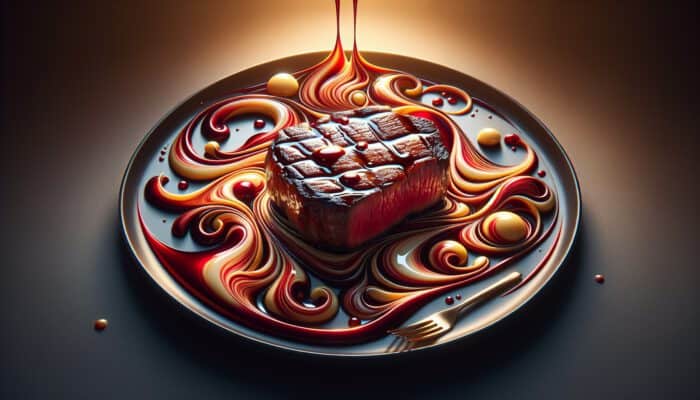
Creating an artful drizzle goes beyond mere technique; it requires a deep understanding of the elements that contribute to visual appeal. Key factors such as colour contrast, texture, and shape play significant roles in elevating your sauce presentation. For instance, vibrant sauces like bright red tomato coulis or vivid green pesto stand out beautifully against neutral-coloured dishes, creatinga striking visual contrast that instantly captures attention.
Texture is another critical component to consider. A sauce with a smooth, glossy finish often appears more appetising than one that is dull or clumpy. Incorporating textural elements, such as herbs or spices, within your sauce can also add visual interest and complexity to your drizzle. This interplay of textures not only enhances the dish's aesthetic but also invites sensory exploration, encouraging diners to engage with it on multiple levels.
Moreover, the shape of the drizzle significantly affects perception. Curves and swirls are generally more visually appealing than straight lines, as they create a sense of movement and elegance. Using tools like squeeze bottles or brushes, you can experiment with various shapes to discover which shapes resonate best with your culinary style. A well-placed drizzle can frame a dish beautifully, guiding the diner's eye and elevating their overall dining experience.
By focusing on these factors—colour, texture, and shape—you can create sauces that are not only delicious but also visually striking. This understanding of visual appeal will empower you to transform your dishes into artistic presentations that captivate and delight all who partake.
How Can You Achieve Symmetry in Sauce Patterns?
Achieving symmetry in sauce drizzling can elevate your dish from ordinary to extraordinary, adding an element of sophistication and professionalism. Symmetrical patterns create a sense of balance and harmony on the plate, captivating the diner’s attention and enhancing their overall experience. To create these balanced designs, focus on repetition and spacing.
One effective strategy is to plan your patterns before you begin. Visualising where you want to place each element provides a guideline for maintaining symmetry. For instance, consider dividing your plate into sections where you can evenly distribute your sauce in complementary patterns. This approach not only aids in achieving symmetry but also ensures that every component on the plate complements the other, creating a cohesive look that is pleasing to the eye.
Using tools like squeeze bottles can also help maintain even spacing between drizzles. The pressure you apply can be controlled to ensure equal-sized drizzles, a crucial step in crafting a symmetrical design. Practising different pattern types, such as zigzags or floral motifs, will refine your technique and help you develop a signature style that embodies your culinary personality and vision.
Additionally, don’t hesitate to experiment with layering, as this can also contribute to symmetry. By layering two or more sauces, you will create depth and complexity while maintaining the visual balance that symmetrical patterns offer. Ultimately, understanding the principles of symmetry will empower you to create artful drizzles that enhance both the presentation and the dining experience.
What Common Ingredients Can Enhance Sauce Visuals?
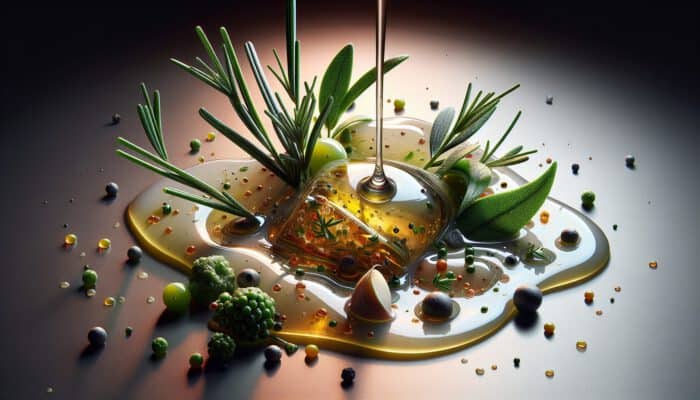
The appearance and flow of your sauces can be significantly improved by incorporating common ingredients that enhance both their appearance and functionality. Ingredients such as oils, herbs, and citrus juices can transform your sauces into visually appealing drizzles that captivate both the palate and the eyes alike.
One essential element is oil, which can help achieve a smoother, more fluid consistency. For instance, drizzling a high-quality olive oil over a dish not only adds a beautiful sheen but also enriches the overall flavour, enhancing the dining experience. Oils can also be infused with herbs or spices, adding both colour and taste to your sauces. Infused oils, such as rosemary or garlic oil, can create stunning effects and significantly elevate the dish's sensory experience.
Incorporating herbs can also enhance the visual appeal of your sauces. Finely chopped herbs sprinkled onto a drizzle can add a burst of colour and texture, creating a more dynamic presentation. Additionally, fresh herbs serve as flavour enhancers, providing a delightful contrast to the sauce. When used thoughtfully, herbs can elevate the dish as a whole, making your sauces more engaging and inviting to diners.
Finally, consider citrus juices or zests to add brightness to your sauces. A squeeze of lemon or lime juice can brighten the flavour and enhance the colour, making it more vibrant and appealing. These ingredients not only improve appearance but also help achieve the desired drizzling consistency. By understanding and utilising these common ingredients, you can create sauces that are as beautiful as they are delicious, delighting diners at every turn.
How to Experiment with Layering Techniques in Sauce Drizzling?
Layering techniques in drizzled sauces can be a game-changer for culinary presentation, adding depth and complexity to your dishes. By exploring different methods of layering sauces, you can create visually striking, flavour-rich combinations that excite the palate and please the eye. The process of layering involves applying one sauce over another, creating a beautiful interplay of colours and textures on the plate.
One effective way to experiment with layering is by using contrasting colours. For example, layering a rich, dark chocolate sauce over a vibrant raspberry coulis not only creates a stunning visual effect but also enhances the dish's overall flavour profile. The contrast between the two sauces draws attention and makes the dish more inviting. Consider using smooth sauces against chunkier ones to create dynamic texture contrasts that intrigue your diners and enhance the overall experience.
Another technique involves using different viscosity sauces to achieve a multidimensional effect. For instance, a thicker sauce can be drizzled over a thinner one, allowing the thicker sauce to perch atop the other, creating visual interest and complexity. This technique can be particularly effective with sauces that have varying flavours, as it allows each layer to shine through while still contributing to a cohesive whole.
Don’t shy away from experimenting with flavour harmonies as well. Pairing complementary sauces—like a herb-infused oil with a tangy vinaigrette—can enhance both the aesthetic appeal and taste experience of your dish. Mixing and matching various sauces and techniques can foster creativity and yield delightful discoveries in your culinary presentations. By mastering layering techniques, you can create dishes that are not only sophisticated but also a feast for the senses.
Expert Insights: Innovative Ways to Drizzle Sauces Artfully
Advanced Techniques for Creating Intricate Sauce Patterns
For those seeking to elevate their drizzling techniques to an expert level, advanced pattern techniques can be the key to creating intricate, beautiful designs on plates. These techniques require practice and precision but can result in stunning presentations that leave a lasting impression on diners. One effective method is to create multi-layered patterns by drizzling sauces in alternating directions. This technique not only enhances the dish's visual appeal but also adds depth, creating an engaging and dynamic presentation.
Another innovative approach is to use a combination of tools to create varied effects. For instance, start by using a squeeze bottle for the initial layer, then switch to a brush or spoon to create swirls or dots. This combination allows for greater creativity and can lead to unique designs that set your dishes apart. Practising these patterns will refine your skills and help you develop a signature style that reflects your culinary identity and artistic vision.
Incorporating negative space into your designs can also enhance the visual impact of your drizzles. By intentionally leaving gaps in your pattern, you draw attention to specific elements of the dish, creating a dynamic relationship between the sauce and the food. This technique isutilisedtilised in fine dining, where the plating is as essential as the meal, emphasising the artistry involved in culinary presentation.
Lastly, don’t hesitate to play with temperature. Warm sauces tend to flow more freely, allowing for smoother drizzles. Experimenting with temperature changes can result in different patterns and effects that enhance your artistic expression in the kitchen. By mastering these advanced techniques, you will be able to create elaborate, eye-catching designs that showcase not only your culinary skills but also your artistic vision and creativity.
Why Is Texture a Critical Element in Sauce Drizzling?
Understanding texture is crucial when mastering the art of drizzling sauces. The viscosity and mouthfeel of a sauce can significantly affect its visual appeal and the overall dining experience. Thicker sauces often provide a more defined shape when drizzled, while thinner sauces can create delicate, flowing lines. Finding the right balance is essential for achieving an ideal drizzle that enhances both taste and presentation.
When working with sauces, consider their viscosity. A sauce that is too thick may not flow as desired, resulting in clumpy or uneven drizzles. Conversely, a sauce that is too thin may run together, losing definition and visual impact. Experimenting with different ingredients can help achieve the desired texture. For example, an ad stabiliser such as cornstarch or a fat such as cream can modify viscosity, allowing for better control during drizzling.
Incorporating varied textures within a single dish can also enhance the overall experience. For instance, using a smooth sauce alongside a chunkier one, such as a fresh salsa or a crispy crumb, creates an engaging contrast that excites the palate. This interplay of textures encourages diners to savour every bite, making the meal more memorable and enjoyable.
Furthermore, consider the finishing touch that garnishes can provide. Lightly sprinkling herbs, nuts, or crunchy toppings over a sauce can add a layer of texture, elevating the dish's visual appeal and enhancing the overall dish. By focusing on texture, you can refine your drizzling skills, creating presentations that resonate with diners on multiple sensory levels, resulting in an unforgettable dining experience.
How to Integrate Flavours Artfully in Sauce Drizzling?
Integrating flavours into your drizzling techniques can significantly enhance both the visual and taste profile of your dishes. Combining sauces provides an opportunity for creative expression while allowing you to experiment with complementary flavours that elevate the overall dining experience. The key to successful integration lies in understanding which flavours work well together and how to present them artfully on the plate.
One effective method for combining sauces is to use a base sauce and layer or drizzle additional sauces that complement its flavour. For example, a rich cheese sauce can be beautifully enhanced with a fresh tomato basil drizzle, creating a vibrant contrast that excites the palate. This layering technique not only adds depth but also makes the dish visually appealing by showcasing distinct colours and textures that invite diners to engage with the meal.
Additionally, consider using different sauces from the same cuisine to create a cohesive flavour experience. For instance, blending teriyaki sauce with a drizzle of spicy sriracha can create a harmonious balance of sweet and spicy, appealing to a broad range of tastes. This approach allows you to explore various flavour profiles while maintaining unity and coherence within the dish.
Experimenting with herbs and spices can also add an exciting dimension to your sauces. A sprinkle of fresh herbs on top of your drizzle can introduce aromatic elements that enhance both appearance and flavour. Integrating different flavours artfully not only showcases your creativity but also invites diners to engage with the meal on a deeper level, making each bite a unique and memorable experience.
Proven Strategies for Drizzling Sauces Artfully
How Does Consistent Practice Improve Your Drizzling Skills?
Mastering the art of drizzling sauces requires consistent practice and dedication. Engaging in regular exercises can help refine your technique, build muscle memory, and improve your overall control when applying sauces. Practising different drizzling styles allows you to explore your creativity while developing a confident, steady hand that will serve you well in the kitchen.
To enhance your skills, consider establishing daily exercises that focus on various drizzling techniques. For instance, you might dedicate one day to practising circular motions, another to linear patterns, and so on. This focused approach allows you to master each technique thoroughly, gradually increasing your confidence and capability in sauce presentation. Over time, you will find that these repeated drills translate into a more natural and fluid technique when it comes to real dishes.
Creating a bullet list of progressive techniques can help guide your practice sessions. Some examples include:
- Practising basic drizzles with different tools (squeeze bottles, brushes, spoons).
- Experimenting with varying sauce viscosities to understand their flow.
- Trying out different flavour combinations to understand how they work together.
- Focusing on symmetry and pattern repetition for balanced designs.
- Incorporating texture through garnishes or mixed sauces.
- Working on temperature control to understand how it affects sauce flow.
- Engaging in mindful plating to develop an eye for presentation.
- Documenting your progress through photos to track improvements over time.
By establishing a structured practice routine and progressively challenging yourself, you will quickly see improvements in your drizzling skills. Continued efforts will yield beautifully presented dishes that not only showcase your culinary talent but also delight your diners, making each meal a memorable experience.
How to Balance Sauce Quantity Effectively on the Plate
Achieving the right balance in sauce quantity is crucial for ensuring your dishes remain visually appealing while enhancing their overall flavour. Overly generous drizzling can overwhelm the plate, masking the main components and ultimately detracting from the dining experience. Learning to balance the amount of sauce you apply is a skill that can be refined through practice and mindfulness.
One effective strategy for balancing sauce quantity is to consider the dish's proportions. The sauce should complement, rather than dominate, the main ingredients. For instance, when drizzling a rich sauce over a delicate dish, such as a lightly grilled fish, aim for a subtle application that accentuates the fish’s natural flavours without masking them. This not only preserves the dish's integrity but also showcases your ability to present food artfully.
Using tools like squeeze bottles can help control the amount of sauce dispensed. Practising with these tools allows you to develop a feel for how much pressure to apply, giving you greater control over the flow rate. It’s also beneficial to step back and assess your sauce application from a distance to determine whether the balance is right. This perspective can help you adjust the quantity as necessary, ensuring that each drizzle contributes positively to the overall presentation.
In addition to mastering quantity, consider using garnishes and complementary components to enhance the overall presentation. Adding small elements like microgreens, edible flowers, or a sprinkle of nuts can create visual interest without relying on excessive sauce. This balanced approach ensures your dishes are not only appealing to the eye but also offer a harmonious blend of flavours and textures that delight diners.
Exploring Innovative Layering Approaches in Sauce Drizzling
Exploring innovative layering techniques for drizzling sauces can significantly enhance the complexity and visual appeal of your dishes. Layering sauces not only adds depth to the presentation but also allows for the exploration of contrasting flavours and textures. By understanding how to stack sauces effectively, you can create culinary masterpieces that delight both the eye and the palate.
To achieve multidimensionality, begin by selecting sauces that complement each other in both flavour and appearance. For instance, a vibrant green basil pesto can be layered beneath a rich, creamy Alfredo sauce, creating a stunning visual contrast while offering a delightful flavour combination. This layering technique highlights the beauty of each component, enhancing the overall dining experience for diners.
Another innovative approach involves using different application methods for each layer. For example, you might drizzle one sauce in a spiral pattern while applying another in linear strokes. This interplay of techniques adds visual interest and complexity to the dish, making it more engaging for diners. Additionally, consider varying the thickness of each layer to create depth; a thicker sauce can be placed at the bottom, while thinner sauces can be drizzled on top for a more dynamic effect that captures attention.
Finally, don’t hesitate to incorporate garnishes that mirror the flavours in your sauces. For instance, a sprinkle of fresh herbs or a dusting of spices can reinforce the theme of your dish and add an extra layer of sophistication. By embracing innovative layering techniques and incorporating thoughtful elements, you can transform your culinary creations into visually striking and flavourful experiences that leave a lasting impression.
How to Select the Right Tools for Sauce Drizzling?
Selecting the right tools for drizzling sauces is a critical step in achieving artistic culinary presentations. The tools you choose can significantly affect the precision and creativity of your drizzles. Understanding the functions of various implements will help you elevate your sauce application and enhance the overall aesthetic of your dishes.
One essential tool for drizzling is the squeeze bottle. These bottles allow for precise control over the sauce's flow, making them perfect for creating intricate designs or fine lines on plates. Many professional chefs prefer squeeze bottles for their versatility and ease of use. When selecting a squeeze bottle, choose one with a narrow tip for precise application and control.
Pipettes or dropper bottles are also invaluable for achieving fine details. These tools are ideal for adding small amounts of sauce, allowing you to create delicate dots or intricate patterns without overwhelming the plate. They are particularly useful in modern gastronomy, where precision and attention to detail are paramount for creating stunning culinary presentations.
Additionally, consider using a brush for application, especially when working with glazes or liquid sauces that require even coverage. Brushes can help create smooth, sweeping strokes, allowing for a more artistic touch. When choosing a brush, look for one that is food-grade and has soft bristles for optimal sauce application, ensuring that your drizzles are both beautiful and functional.
Finally, maintaining your tools is essential for achieving the best results. Regularly clean your squeeze bottles and brushes to keep them functional and hygienic. By selecting the right tools and properly caring for them, you can significantly enhance your ability to drizzle sauces artfully, making your culinary presentations more appealing and professional for every occasion.
Why Is It Important to Experiment with Flavours and Textures?
Exploring different flavours and textures in your sauces can lead to innovative drizzling techniques that elevate your culinary presentations. By combining various elements, you can create unique drizzles that enhance both taste and visual appeal, inviting diners to engage with your dishes in a new and exciting way.
One approach to experimenting is to combine contrasting flavours. For example, pairing a sweet sauce, such as a honey glaze, with a tangy vinaigrette can create a delightful balance of flavours. This interplay not only complements the dish but also adds depth to your drizzles, making them memorable. Consider layering techniques to visually showcase these flavours, creating an appealing gradient effect that captivates the taste buds.
Incorporating different textures into your sauces can enhance the overall experience. For instance, adding crushed nuts or seeds to a smooth sauce introduces an exciting crunch that engages the senses. You might also consider using a puree as a base, then incorporating small chunks of vegetables or herbs to create contrast and intrigue. This not only enhances the aesthetic but also invites diners to savour the dish's complexities, enriching their dining experience.
Don’t forget to embrace seasonality in your flavour explorations. Using fresh, seasonal ingredients can inspire creative combinations that reflect the current bounty available. For example, pairing summer fruits with citrus-based sauces can create refreshing drizzles that celebrate the season while enhancing the dish’s overall appeal. By experimenting with flavours and textures, you will unlock a world of possibilities in your culinary presentations, ensuring that each dish remains memorable and engaging for your diners.
How Can You Experiment with Sauces to Innovate Your Cooking?
What New Patterns Can You Try at Home for Drizzling?
Experimenting with new patterns can add a fresh perspective to your sauce drizzling techniques. These creative designs can invigorate your culinary presentations, making meals more visually appealing and engaging. Consider simple yet impactful patterns you can easily incorporate into your home cooking to elevate your dishes.
One engaging pattern is the spiral. This design involves starting at the centre of the plate and working your way outward in a circular motion. The spiral effect not only draws the eye but also creates a dynamic presentation, perfect for showcasing sauces like pesto or balsamic reduction. Practising this technique will help you develop a steady hand, allowing for greater precision in your drizzling.
Another fun design to explore is the dotting technique. By dotting the plate with small amounts of sauce, you can achieve a playful, modern presentation. This method works particularly well with sauces that contrast in colour, such as a bright tomato sauce paired with a creamy sauce. The key is to vary dot sizes for visual interest, creating a sense of movement across the plate that captivates diners.
You might also consider experimenting with zigzag patterns. This technique involves drawing a series of quick, connected lines across the plate. The zigzag effect adds energy and excitement to your presentation, making it ideal for casual or lively dishes. Practising the rhythm and timing of your movements will help you achieve a consistent and appealing zigzag design that enhances the overall visual appeal of your meals.
Don’t hesitate to mix and match these patterns as well. Combining different techniques can lead to innovative designs that showcase your personal culinary style and creativity. By experimenting with various patterns, you will develop your creativity and build confidence in your sauce presentation, ensuring that each dish you serve is a work of art.
Customising sauces for different occasions is an excellent way to enhance your culinary presentations and cater to specific themes or events. Whether you’re preparing a casual family meal or an elegant dinner party, adapting your sauces can add a personal touch that resonates with the occasion and creates memorable dining experiences.
For festive events, consider creating sauces that incorporate seasonal flavours. For instance, a spicy cranberry glaze can be perfect for holiday dishes, adding a festive flair to meats or vegetables. Alternatively, a zesty citrus sauce can brighten up summer gatherings, providing a refreshing contrast to rich dishes. Customising sauces to reflect the season not only elevates your presentations but also enhances the overall dining experience, making it more enjoyable for your guests.
In more casual settings, consider simple, approachable flavours that appeal to a wide range of palates. A classic marinara or a creamy garlic sauce can be easily adapted for family-friendly gatherings, making them versatile additions to a variety of dishes. You can also get creative with your drizzles by experimenting with different herbs and spices to elevate the flavour profile while maintaining an inviting presentation that resonates well with everyone at the table.
For formal occasions, focus on elegant presentations that showcase sophistication. Consider using fine china and plating techniques that allow your sauces to shine. A delicate drizzle of truffle oil over a creamy risotto, for example, adds an air of luxury to the experience. Customising your sauces for these occasions can elevate the overall experience and create memorable moments for your guests, ensuring that every meal is a celebration of culinary artistry.
By tailoring your sauces to different occasions, you can create a more cohesive dining experience that resonates with the event's theme. This thoughtful approach not only showcases your culinary skills but also demonstrates your ability to connect with your guests through food, making every meal a special occasion to remember.
How to Test Flavour Combinations Creatively in Your Sauces?
Testing flavour combinations creatively is an exciting way to enhance your sauce drizzling techniques. By experimenting with different sauces and ingredients, you can create unique blends that elevate your dishes and surprise your diners with delightful flavours. Embracing creativity in this aspect of cooking allows you to explore new dimensions of taste and presentation, keeping your culinary creations fresh and engaging.
One method to start testing combinations is to use a base sauce as a foundation. For instance, you might choose a creamy Alfredo sauce and experiment by mixing in ingredients like roasted garlic or fresh herbs. This approach allows you to maintain a familiar base while adding depth and complexity to the flavour profile. Pairing complementary ingredients enhances the overall taste and visual appeal of the sauce, making it more enticing for diners.
Additionally, consider exploring sweet and savoury contrasts. For example, a honey glaze can be paired with tangy soy sauce to create a rich, multidimensional flavour that complements grilled meats or roasted vegetables. This combination not only provides a delightful interplay of flavours but also adds visual interest, creating an appealing presentation that draws diners in.
Don’t shy away from cultural influences in your flavour exploration. Drawing inspiration from different cuisines can lead to exciting discoveries. For instance, blending a spicy harissa sauce with a cooling yogurt drizzle can create a unique sauce that reflects the best of both worlds. This cross-cultural experimentation fosters creativity and allows you to showcase a diverse range of flavours in your presentations, making each dish a celebration of culinary diversity.
By testing flavour combinations creatively, you’ll discover new ways to enhance your sauces and drizzling techniques. This exploration will not only expand your culinary repertoire but also ensure that each presentation is a delightful experience for both you and your diners, leaving a lasting impression on their palates.
Creative Applications of Sauce Drizzling in Cooking
How to Enhance Everyday Dishes with Sauce Drizzling?
Incorporating drizzles of sauce into everyday meals can elevate simple dishes into culinary delights that impress and satisfy. By thoughtfully applying sauces, you can add visual interest and enhance the overall dining experience, making even the most basic meals feel special and inviting for everyone at the table.
For instance, consider drizzling a balsamic reduction over a simple arugula salad. This addition not only adds a burst of flavour but also creates a sophisticated presentation that transforms the dish into a gourmet experience. The rich colour of the balsamic reduction contrasts beautifully with the vibrant greens, creating a visually appealing plate that invites diners to dig in.
Another everyday application is drizzling sauce on pasta dishes. A drizzle of olive oil or a fresh herb sauce can brighten a bowl of pasta, adding a touch of elegance while enhancing the flavour. Consider incorporating fresh herbs or citrus zest into the drizzle, as these elements can elevate the overall experience and encourage diners to savour every bite.
Sauce drizzling can also enhance breakfast dishes. A simple drizzle of maple syrup or honey over pancakes not only improves the flavour but also creates an inviting presentation that makes breakfast feel special. Additionally, drizzling a berry coulis over yogurt or oatmeal can add both a pop of colour and a delicious tartness, transforming a simple breakfast into a gourmet affair that delights the senses.
By drizzling sauce into everyday dishes, you can elevate simple meals, making them more visually appealing and enjoyable for everyone. This attention to detail fosters a deeper appreciation for cooking and encourages you to explore new flavour combinations and techniques, ensuring that every meal is a celebration of culinary creativity and artistry.
How to Adapt Sauces Seasonally for Your Cooking?
Adapting your sauces based on seasonal ingredients is a fantastic way to keep your culinary presentations fresh and relevant throughout the year. By embracing the flavours of each season, you can create sauces that not only enhance your dishes but also reflect the natural bounty available at any given time.
In spring, consider using fresh herbs and light flavours in your sauces. A bright herbaceous vinaigrette that incorporates seasonal greens like parsley and chives can enhance dishes such as grilled vegetables or fish. This refreshing approach celebrates the new growth of spring, adding a burst of life to your plates and appealing to diners’ senses.
Summer is the perfect time for vibrant fruit sauces. A peach or mango sauce can add a sweet and refreshing contrast to grilled meats or salads. The natural sweetness of these fruits creates a delightful drizzle that complements the dish while providing beautiful colour and texture. This approach not only celebrates the flavours of summer but also invites creativity in your presentations, making each dish a celebration of the season.
As autumn arrives, incorporating heartier ingredients into your sauces can reflect the season’s richness. A spiced pumpkin sauce can add warmth and depth to your dishes, pairing beautifully with roasted meats or hearty grains. This seasonal adaptation showcases the comforting flavours of autumn while enhancing the visual appeal of your meals, inviting diners to savour them.
In winter, consider creating rich, warm sauces that add a comforting touch to your dishes. A creamy garlic sauce or a robust mushroom reduction can elevate simple meals, providing warmth and depth that resonate with the season. By adapting your sauces to seasonal ingredients, you can keep your culinary presentations exciting and relevant year-round, ensuring each dish is a delightful experience for your guests.
How to Showcase Sauces Effectively in Culinary Presentations?
The final plating of your dishes is an opportunity to showcase your sauces as key elements of your culinary presentation. Employing effective plating techniques can enhance the visual appeal and ensure that the sauces are highlighted appropriately, making them a focal point of the meal that captures attention and stimulates the appetite.
One effective approach is to create a sauce based on the plate before adding the main ingredients. By drizzling a sauce in an artistic pattern and then placing your protein or vegetables on top, you create a beautiful foundation that highlights the dish. This technique ensures that the sauce is visible and adds depth to the presentation, enticing diners to enjoy both the visual and culinary experience.
Incorporating garnishes can also enhance the overall effect of your sauces. Consider using complementary elements, such as microgreens, edible flowers, or crispy shallots, to frame the sauce and enhance its visual appeal. These garnishes not only provide textural contrast but also help to create a cohesive presentation that ties all elements of the dish together. Utilising varying heights in your plating can also create visual interest. Layering components, such as stacking vegetables or proteins, encourages diners to engage with the dish. Drizzling the sauce around these elevated elements creates a dynamic presentation that captures attention and invites exploration, making the dining experience more interactive and enjoyable.
Finally, don’t forget to pay attention to the colour palette of your sauces and the overallHarmonisingonising colours can create a pleasing aesthetic. In contrast, contrasting colours can draw the eye and create visual excitement. By showcasing sauces effectively in your presentations, you elevate the overall dining experience, ensuring that every dish is a work of art that delights both the palate and the eyes.
FAQs About Sauce Drizzling Techniques
What is the best tool for drizzling sauces?
The best tool for drizzling sauces often depends on the desired effect. Squeeze bottles offer precision, while brushes provide even coverage. Pipettes are great for fine details, enhancing the versatility of your presentations and allowing creative expression.
How can I enhance the visual appeal of my sauces?
Enhancing the visual appeal of sauces can be achieved by incorporating contrasting colours, varying textures, and creative patterns. Experimenting with different layering techniques and garnishes can also elevate a dish's aesthetic and draw attention to your culinary creations.
What sauces are best for drizzling?
Best drizzling sauces include balsamic reductions, herb-infused oils, and fruit coulis. These sauces provide vibrant colours and flavours that enhance the overall presentation and taste of dishes, making them ideal for artistic culinary expressions.
How do I achieve the right sauce consistency for drizzling?
To achieve the right consistency, adjust the sauce's thickness by reducing it over heat or by adding liquids such as water or broth. Testing the flow rate can help determine the optimal viscosity for drizzling, ensuring a smooth, appealing application.
How can I practice my drizzling technique?
Practice your drizzling technique by setting aside time to work on different patterns and methods regularly. Use various tools and sauces to experiment, refining your skills and enhancing your creativity as a culinary artist.
Can I use different flavour combinations in my sauces?
Absolutely! Mixing different flavour combinations can create unique sauces that elevate your dishes. Experiment with sweet and savoury contrasts or incorporate herbs and spices for depth and complexity, inviting diners to engage with your culinary creations.
What should I consider when plating sauces?
When plating sauces, consider the colour contrast, texture, and the dish's overall balance. Create artistic patterns, use garnishes for added flair, and ensure that the sauce enhances the main ingredients while contributing to the overall aesthetic appeal.
How do I maintain my drizzling tools?
Maintain your drizzling tools by cleaning them regularly after each use. Ensure that squeeze bottles, brushes, and pipettes are thoroughly washed to prevent contamination and ensure performance for your sauces and culinary presentations. Customising for different occasions can enhance the dining experience. Tailor flavours and presentations to reflect the seasonal ingredients or event themes, creating a cohesive culinary experience that resonates with your guests.
Why is texture important in sauces?
Texture is important in sauces because it affects the dish's overall mouthfeel and visual appeal. A well-balanced texture can enhance the dining experience, inviting diners to engage more fully with the flavours and presentations, creating memorable meals.