
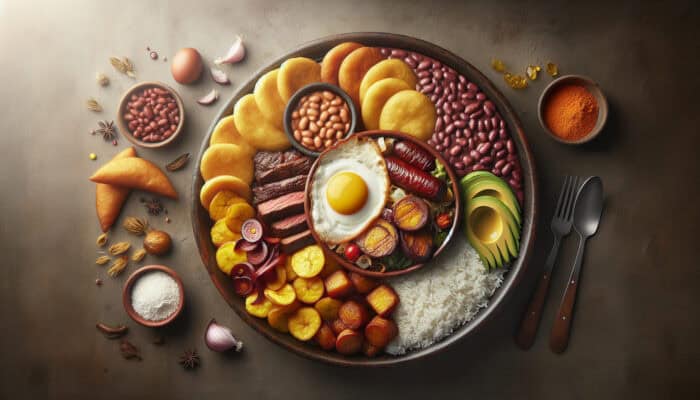
Key Ingredients for Crafting Authentic Colombian Bandeja Paisa
Collecting Fresh and Local Produce
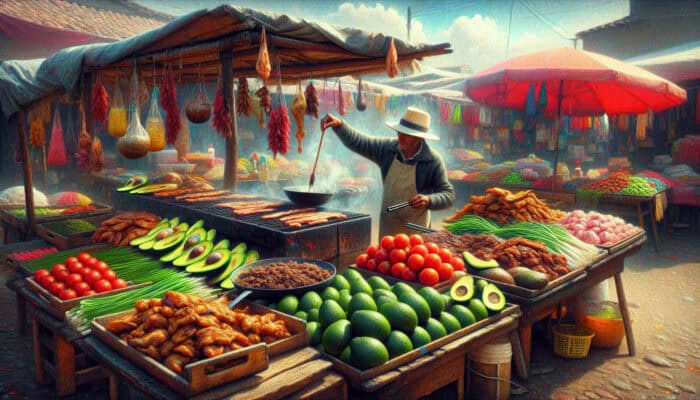
How to Make a Rich Colombian Bandeja Paisa: The cornerstone of an authentic Rich Colombian Bandeja Paisa is the careful selection of high-quality ingredients sourced from local markets. Begin with vibrant, fresh vegetables such as avocados, tomatoes, and green onions. These ingredients not only amplify the dish’s flavour but also contribute vital nutrients essential for a balanced meal. In addition, focus on sourcing high-quality proteins like chicharrón (crispy fried pork belly), ground beef, and chicken. Each protein offers its distinct flavour and texture, ensuring a well-rounded and satisfying meal. Selecting ingredients that are at their peak of freshness is crucial for achieving the best results and enhancing your overall cooking experience.
While gathering these foundational ingredients, it is also important to consider the role of legumes. Beans, especially red beans, are a staple in bandeja paisa, providing both heartiness and dietary fibre. Additionally, incorporating rice as a base complements the other elements wonderfully. This beloved dish encapsulates the flavours and traditions of Colombian cuisine, making it a delightful feast for your taste buds and a beautiful culinary journey.
What Types of Meats Are Ideal for Bandeja Paisa?
Selecting the appropriate meats is vital to achieving the rich and robust flavours that define bandeja paisa. For the most satisfying results, consider combining lean cuts with those that can absorb deep flavours through marination. Cuts like flank steak and pork shoulder are excellent choices, known for searing beautifully and developing wonderful texture when cooked correctly. Marinating these meats not only enhances their flavour but also tenderises the meat, resulting in a succulent experience with each bite. To maximise flavour, keep these preparation tips in mind:
- Marinate meats for at least 2 hours or overnight for optimal flavour infusion.
- Utilise a blend of garlic, cumin, and lime juice for well-rounded seasoning.
- Sear the meats on high heat to lock in their juices, then lower the heat to ensure even cooking.
- Allow cooked meats to rest for several minutes before slicing to retain moisture.
Feel free to experiment with different marinating times and flavour profiles to discover what suits your palate best. The aim is to create a harmonious dish where each meat element contributes to the overall experience, so don’t hesitate to try various cuts and preparation methods.
How to Achieve a Perfect Balance of Flavours with Spices
The mastery of balancing flavours in bandeja paisa relies on the skilful combination of various herbs and spices. To create a harmonious dish, start by experimenting with common spices such as cumin, paprika, and oregano. Approach this process with an open mind, as experimentation is a key part of the culinary journey. Begin by adding small amounts of spices to your protein and bean mixtures, tasting as you go to find the right blend.
Incorporating fresh herbs such as cilantro and parsley can elevate the dish’s brightness, providing a refreshing contrast to the richer elements. While seasoning, keep in mind that your goal is to achieve a satisfying flavour profile that appeals to a wide audience. If you’re unsure where to start, consider these helpful tips:
- Start with a small pinch of each spice, gradually adding more to avoid overwhelming flavours.
- Mix herbs and spices in a separate bowl before adding them to the main ingredients to ensure even distribution.
- Allow the dish to rest for a few minutes after seasoning to let the flavours meld together beautifully.
- Maintain a journal of your seasoning experiments to refine your approach over time.
By adopting this exploratory approach to seasoning, you will be well on your way to creating a bandeja paisa that delights the senses and showcases a beautiful balance of flavours.
Expert Techniques for Creating a Rich Colombian Bandeja Paisa
Essential Preparation Techniques for Success
Gaining expertise in preparation techniques can significantly enhance the quality of your bandeja paisa, transforming it from average to extraordinary. Begin by ensuring all your ingredients are meticulously prepped before you start cooking, which includes chopping vegetables, marinating meats, and soaking beans in advance. Managing your timing and heat control is equally essential; for instance, while frying chicharrón, it is important to maintain a consistent temperature to achieve that perfect golden crispiness without burning. Aim for medium-high heat and adjust as necessary to avoid flare-ups.
A pivotal step in cooking your proteins is allowing them to rest after cooking. This process not only aids in moisture retention but also allows the flavours to develop further. When preparing vegetables like plantains and avocados, sautéing them on medium heat allows for gentle caramelisation while preserving their shape and texture. To achieve professional-level results, consider these actionable preparation steps:
- Prep all ingredients before starting to avoid chaos in the kitchen.
- Utilise a thermometer to ensure meats are cooked to the appropriate doneness.
- Monitor cooking times closely and make adjustments as needed to prevent overcooking.
- Incorporate a timer to manage the cooking of various components effectively.
By mastering these techniques, you will elevate your cooking to new heights, allowing you to create a bandeja paisa that impresses not only in flavour but also in presentation.
Optimising Cooking Methods for Best Results
Optimising your cooking methods is essential for consistently achieving delicious bandeja paisa. Begin by understanding the importance of heat control; using steady, even heat is crucial for preventing uneven cooking. For example, when preparing beans, bring them to a boil over high heat, then reduce the heat to a gentle simmer until tender. This method ensures that they cook through without turning mushy.
Common pitfalls often arise from hurrying the cooking process. If meats are added to a hot pan without the proper searing technique, they will not develop the rich flavour depth characteristic of bandeja paisa. Instead, sear cuts of meat in small batches to maintain the pan’s temperature and achieve that desirable caramelised exterior. Practical examples of optimising cooking methods include:
- Always preheat your pan or grill to achieve that ideal sear.
- Use appropriate cookware—cast-iron skillets are excellent for high-heat cooking.
- Cook in batches to prevent overcrowding, which can lower the temperature and cause steaming rather than searing.
- Incorporate steaming techniques for vegetables to maintain their vibrant colours and flavours.
With these strategies, you can adapt your cooking techniques flexibly, ensuring successful outcomes each time you prepare this cherished Colombian dish.
Enhancing Nutritional Value While Preserving Tradition
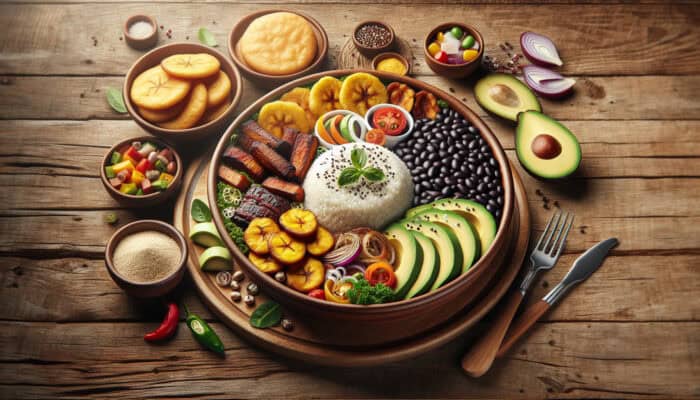
The pursuit of a delicious meal often aligns with a desire for nutrition, and bandeja paisa can satisfy both aspirations. To boost its nutritional value, consider incorporating wholesome ingredients while preserving the dish’s traditional essence. Whole foods such as quinoa or black beans can be substituted for white rice or red beans, providing additional protein and fibre. This simple adjustment helps make the dish more health-conscious without sacrificing its beloved flavour.
Incorporating a variety of vegetables is another effective way to enhance the nutritional profile. Consider adding sautéed zucchini or bell peppers alongside your traditional ingredients. These additions not only add vibrant colours to the plate but also introduce essential vitamins and minerals that enhance overall health. Useful guidance for elevating nutritional value includes:
- Opt for whole grains instead of refined grains to increase fibre content.
- Incorporate a variety of vegetables to enhance the meal’s nutrient density.
- Experiment with different legumes for added protein without excessive calories.
- Limit added fats during frying by opting for healthier cooking methods like grilling or baking.
By making these modifications, you ensure that your bandeja paisa remains indulgent while catering to health-conscious eaters.
How to Prepare Each Component for the Dish
Mastering Chopping and Prepping Techniques
Efficiently chopping and prepping ingredients is fundamental to creating an exceptional bandeja paisa. Start by organising your workstation; this will save you time and build your confidence in your cooking skills. Use a sharp knife for clean, precise cuts, as blunt blades can lead to messy chopping and uneven pieces. For vegetables, aim for uniform sizes to ensure even cooking, which enhances both flavour and presentation.
Essential skills include mastering the proper grip and technique for holding your knife. Curl your fingers of the hand that holds the ingredient, using your knuckles as a guide to avoid accidents. Once you have chopped your vegetables, organise them into separate bowls based on the order they will be used in the recipe, streamlining your cooking process. Consider these basic tips:
- Practice the ‘rocking’ technique for efficient slicing, particularly for herbs.
- Designate a cutting board for meat to avoid cross-contamination.
- Chop harder vegetables like carrots first, then move on to softer items.
- Ensure all tools are easily accessible during your cooking session.
These practices will help you establish a smooth and enjoyable cooking routine, allowing you to focus on creating a delicious bandeja paisa.
What Steps Ensure Even Cooking for Every Component?
Ensuring even cooking is vital in achieving the harmonious flavours and textures that define bandeja paisa. One key aspect is to monitor heat levels closely; fluctuating temperatures can lead to uneven results. When cooking meats, sear them over high heat initially to create a perfect crust, then lower the heat to allow thorough cooking.
Regular stirring while cooking components like beans and rice helps distribute heat evenly, preventing burning. For vegetables, consider utilising a steamer basket, which allows steam to circulate and ensures uniform cooking. Techniques for ensuring even cooking include:
- Use a thermometer to check the internal temperature of the meat to determine doneness.
- Rotate pans and skillets periodically during cooking for uniform heat exposure.
- Stir and flip components like rice and beans to prevent sticking and burning.
- Ensure uniform piece sizes for ingredients to guarantee equal cooking times.
By following these steps, you will create a bandeja paisa that not only tastes incredible but also boasts a pleasing texture and visual appeal.
How to Assemble All the Elements
The assembly of your bandeja paisa is a crucial step that brings all the components together into a cohesive final product. Start by layering the rice as the base; this provides a sturdy foundation for the other ingredients. Next, add your beans, ensuring they are evenly spread across the rice. The key to successful assembly lies in the dish’s visual appeal, balanced flavours, and the time to create an inviting presentation.
When adding proteins like chicharrón and grilled meats, place them atop the rice and beans to let their texture stand out. Incorporate fresh elements like avocado or sliced tomatoes last, which not only contrasts their colour but also adds a refreshing touch to the dish. For a truly immersive experience, consider these assembly tips:
- Layer ingredients thoughtfully to create depth and visual interest.
- Use contrasting colours to elevate aesthetic appeal.
- Consider portion sizes to maintain an inviting and generous look.
- Finish with fresh herbs to add brightness and vibrancy.
This layering method not only enhances the presentation but also creates a delightful balance of flavours and textures, inviting diners to savour every bite.
Research-Backed Tips for Successful Cooking
Effective Timing Strategies for Each Component
Mastering the timing of each component in bandeja paisa is fundamental to achieving the ideal dining experience. Trust the tried-and-true strategies that have emerged from countless home cooks and chefs alike. Begin by familiarising yourself with the cooking durations of each ingredient; for instance, beans typically require longer cooking times than meats. Start by soaking your beans beforehand to reduce their cooking time, ensuring they becmand ensure and flavourful.
Utilise a timer to manage the cooking process effectively; this helps prevent overcooking and ensures all components are ready at the same time. Pay attention to the order of ingredients as well; for example, meats may need to rest after cooking while you finish preparing vegetables. Consider these strategies for perfect timing:
- Prepare a timeline for cooking each component based on its respective cooking duration.
- Utilise a slow cooker for beans if you’re pressed for time, allowing you to focus on other components.
- Keep a notepad handy for jotting down times to refine future cooking sessions.
- Establish a rhythm in the kitchen by aligning tasks, such as chopping while something simmers.
By employing these timing strategies, you can create a bandeja paisa that is perfectly cooked and ready to enjoy in all its glory.
How Does Seasoning Impact the Overall Dish?
Seasoning plays a transformative role in elevating the flavours within bandeja paisa. A well-seasoned dish can elevate simple ingredients to new heights, enhancing the overall culinary experience. The right balance of flavours can bring out the natural sweetness of vegetables, the richness of meats, and the heartiness of beans. By experimenting with different ratios and combinations, you can tailor the seasoning to your preferences.
For instance, if you find the dish is too deep, consider adding a touch more salt or a splash of citrus to brighten it. Conversely, if a component is too salty, pairing it with something mild can help balance the overall flavour. To effectively explore the impact of seasoning, keep these tips in mind:
- Start with basic seasonings like salt and pepper, gradually building upon them in taste tests throughout the cooking process to adjust and refine flavours.
- Consider the cooking method, as some techniques intensify flavours while others dilute them.
- Be mindful of the balance between herbs and spices to avoid overpowering the dish.
By understanding the profound effect seasoning has on your bandeja paisa, you can create a dish that is as delightful to the taste buds as it is visually appealing.
How to Maintain Consistency in Cooking Results
Consistency in cooking is vital for achieving a bandeja paisa that delights every time. To ensure reliable results, adopt repeatable methods that streamline your preparation and cooking processes. One effective approach is to create a checklist of tasks that need to be completed; this helps keep you organised and focused.
When measuring ingredients, use standardised tools to avoid discrepancies that can arise from guessing. For instance, using a scale for meats and beans ensures accurate portion sizes and cooking times. Another technique involves maintaining a consistent cooking temperature throughout the process. This ensures that all components are produced uniformly, leading to a perfectly balanced meal. Here are some practical tips for maintaining consistency:
- Utilise a scale for measuring, to measureparticularly for protein apices.
- Follow a structured recipe format to maintain the same cooking approach each time.
- Keep detailed notes of your cooking sessions to refine techniques and flavours.
- Use the same cookware for each preparation to understand heat distribution better.
By employing these methods, the journey towards consistently delicious bandeja paisa becomes not just achievable but also an enjoyable endeavour.
What Techniques Improve the Flavour of Bandeja Paisa?
Infusing Depth with Aromatics for Rich Flavours
Infusing depth into your bandeja paisa can be achieved through the strategic use of aromatics. Ingredients like garlic, onions, and bay leaves serve as the backbone of flavour, enhancing the dish’s richness. By gently simmering these ingredients before introducing proteins and beans, you allow their natural essences to permeate the dish, creating layers of complexity.
Sautéing garlic and onions in a pan before adding the meat can create a deeply flavoured base that elevates the entire dish. Additionally, consider incorporating spices like cinnamon and allspice during the simmering process to introduce unique flavour. Techniques to enhance flavour through aromatics include:
- Begin by sautéing aromatics in oil to release their natural oils and enhance flavours.
- Incorporate herbs during the cooking process rather than at the end for deeper flavour integration.
- Use whole spices when possible, crushing them just before adding to release their full potential.
- Allow time for flavours to develop by simmering saucgently es gently, rather than rushing the process.
By utilising these techniques, you will create a bandeja paisa that is rich in flavour and invites diners to savour every bite.
Why Marinating Makes a Significant Difference
Marinating is a technique that can profoundly enhance the flavour and tenderness of the proteins in your bandeja paisa. Soaking meats in a mixture of acidic ingredients, such as lime juice or vinegar, combined with herbs and spices, not only infuses them with flavour but also breaks down tough muscle fibres, resulting in a tender bite. This simple step is often the secret behind restaurant-quality dishes.
For best results, marinate meats for several hours or overnight. This allows the flavours to penetrate deeply, ensuring the final dish is succulent and packed with flavour. Consider these additional insights on marinating:
- Use a ziplock bag for marinating; it maximises contact between the meat and marinade.
- Experiment with different flavour profiles, such as spicy, tangy, or sweet marinades.
- Do not reuse marinades without cooking them first to eliminate bacteria.
- Adjust marinating times based on the cut of meat; tender cuts need less time than tougher ones.
By incorporating marinating into your preparation routine, you’ll unlock the full potential of your bandeja paisa, transforming a good meal into an extraordinary culinary experience.
Experimenting with Texture Contrasts for an Enhanced Experience
One of the joys of bandeja paisa is its delightful combination of textures. Creating an appealing dish requires balancing soft and crunchy elements. For instance, the crispy chicharrón pairs perfectly with the tender rice and beans, offering a delightful contrast that enhances the overall eating experience. This combination can be further improved by introducing texture and incorporating additional ingredients such as fried plantains and sautéed vegetables.
Also consider fresh herbs, plantains, and a sprinkle of nuts; they can add an unexpected crunch that elevates the dish. Here are some creative pairings to experiment with:
- Combine soft avocado slices with crispy fried plantains.
- Serve grilled meats alongside creamy beans for a rich mouthfeel.
- Incorporate a crunchy slaw to introduce freshness and texture.
- Top the dish with crispy onions for added flavour and crunch.
By thoughtfully experimenting with texture contrasts, you’ll create a bandeja paisa that is not only visually appealing but also a true celebration of various flavours and sensations.
Balancing Flavours with Seasonings for a Cohesive Taste
The pursuit of flavour harmony in bandeja paisa is an art form that can be mastered with careful attention to seasonings. Balancing herbs, spices, and salts ensures that no single element overwhelms the others, leading to a sophisticated taste experience. It’s important to approach seasoning with a light hand initially; you can always add more, but it’s much harder to fix an overly seasoned dish.
Experiment with different herbs, such as rosemary, thyme, and cilantro, to find the right balance for your tastes. The key is to taste as you go; this practice not only helps refine your dish but also builds your confidence in seasoning. To achieve flavour harmony, consider these techniques:
- Begin with simple seasonings, gradually layering on complexity.
- Taste frequently throughout the cooking process to make necessary adjustments.
- Use acid, such as lime juice, to brighten and balance rich flavours.
- Emphasise a few key flavour profiles to create a cohesive dish.
By mastering the art of flavour balancing, you will create a bandeja paisa that resonates with depth and sophistication, inviting diners to enjoy a truly unforgettable meal.
Creative Serving and Presentation Ideas
Arranging Your Dish for Maximum Visual Appeal
The arrangement of your bandeja paisa can significantly enhance its visual appeal, making it more inviting and enjoyable. Start with a clean, white plate to let the dish’s vibrant letters shine, and place a generous serving of rice in the centre to create a base that catches the eye. Layer the beans next, followed by the various proteins, ensuring to create height and dimension in your arrangement.
Fresh elements like avocado slices and chopped cilantro can be sprinkled around the plate or on top, adding a pop of colour and a touch of elegance. For a polished presentation, consider these simple plating techniques:
- Use circular moulds to create uniform shapes for rice and beans.
- Layer proteins thoughtfully, allowing some to cascade over the rice for visual interest.
- Utilise garnishes to enhance both flavour and presentation, such as lime wedges or diced tomatoes.
- Consider the arrangement of colours; contrast can make the dish more appealing.
By focusing on these presentation ideas, you’ll not only elevate the aesthetic quality of your bandeja paisa but also create a memorable dining experience for your guests.
How to Effectively Portion Servings
When serving bandeja paisa, portion control is essential to ensure each guest receives a satisfying yet manageable serving. Start by using a standard measurement for rice, such as 1 cup, and follow with equal amounts of beans and proteins. This approach guarantees that everyone enjoys a balanced plate that showcases the dish’s variety.
Additionally, consider the size of your serving utensils; using larger spoons for rice and beans and smaller tongs for meats can help maintain consistent portion sizes. Keep in mind the varying appetites of your guests; if serving a larger group, consider offering family-style service, allowing individuals to serve themselves. Effective portioning tips include:
- Utilise measuring cups to ensure accurate servings of rice and beans.
- Divide proteins evenly based on the total number of servings needed.
- Encourage guests to start with smaller portions, allowing them to request more if desired.
- Consider dietary preferences and adjust accordingly t o ensure adequate intake.
With these techniques, you will create an inviting and satisfying dining experience that caters to a diverse range of appetites.
Adding Finishing Touches for a Memorable Experience
Final touches can elevate your bandeja paisa from a simple meal to a culinary masterpiece. Consider adding aromatic garnishes like freshly chopped cilantro or zesty lime wedges to brighten the dish and enhance its overall appeal. The addition of a drizzle of homemade salsa or a sprinkle of queso fresco can provide extra flavour and texture that guests will appreciate.
Don’t overlook the power of presentation; serving your dish on a vibrant platter or colourful plates can make the meal feel special and festive. Ultimately, these finishing touches will transform your bandeja paisa into a delightful feast. Ideas for final touches include:
- Garnish with lime wedges for a burst of freshness.
- Add a sprinkle of crumbled cheese for added richness.
- Incorporate a side of pickled onions for extra flavour and crunch.
- Finish with a drizzle of olive oil or hot sauce for a personal touch.
By adding these final flourishes, you create a presentation that not only pleases the eye but also excites the palate, ensuring a memorable dining experience.
How to Store and Reheat Leftovers Safely
Proper Storage Methods to Maintain Freshness
Preserving the freshness of leftover bandeja paisa can be simple with the right storage methods. Start by allowing the dish to cool to room temperature before transferring it to airtight containers. This step is crucial as it prevents moisture buildup, which can lead to sogginess and cause damage. If possible, separate the components; keeping rice, beans, and proteins in different containers maintains texture and flavour over time.
For long-term storage, consider freezing portions of your bandeja paisa. Ensure that containers are freezer-safe and label them with dates for easy identification. By following these proper storage methods, you can enjoy your bandeja paisa long after the initial meal. Key storage tips include:
- Allow food to cool before sealing it to prevent condensation.
- Use glass containers for storing leftovers, as they are airtight and reusable.
- Portion out servings for easy reheating later on.
- Label containers with dates to track freshness.
These practices will keep your bandeja paisa enjoyable and prevent waste, allowing you to savour the meal beyond the first sitting.
What Precautions Can Prevent Spoilage?
Preventing spoilage is essential for enjoying your bandeja paisa leftovers. One critical step is to cool the dish quickly after cooking; leaving it out at room temperature for prolonged periods can encourage bacterial growth. Instead, aim to refrigerate leftovers within two hours of cooking to maintain food safety.
Ensure your refrigerator is set to a temperature below 4°C (39°F) to inhibit bacterial growth. Additionally, check the seals on your storage containers; if they are not airtight, air can enter and cause spoilage. Key precautions to prevent spoilage include:
- Cool leftovers promptly, then refrigerate.
- Set your refrigerator to the appropriate temperature to ensure food safety.
- Check for any signs of spoilage before consuming, such as off smells or discolouration.
- Consume leftovers within 3-4 days for optimal freshness.
By adhering to these, you’ll ensure that your bandeja remains safe and stays for later enjoyment.
Reheating Methods That Preserve Quality
When reheating bandeja paisa, gentle warming is key to retaining flavour and texture. The microwave may be quick, but it can lead to uneven heating and a rubbery texture. Instead, opt for stovetop reheating, using a non-stick pan on low heat, gently. This approach ensures even heat distribution, ensuring that your meal tastes just as good as when it was first cooked.
For rice and beans, adding a splash of water can help maintain moisture and prevent drying out. When reheating proteins, cover the pan to trap steam, helping them heat through without becoming tough. Techniques for gentle reheating include:
- Heat on low to medium heat to prevent scorching.
- Add moisture, such as broth or water, to rice and beans to keep them fluffy.
- Cover pans while reheating to improve heat retention.
- Stir frequently to ensure even warming throughout.
By employing these reheating methods, you can enjoy your bandeja paisa leftovers as if they were freshly made.
Freezing Leftovers for Extended Shelf Life
Freezing bandeja paisa is an excellent way to extend its shelf life while retaining quality. To do so, start by allowing the dish to cool completely before portioning it into freezer-safe containers. Avoid overfilling, as liquids expand when frozen, which can cause containers to burst. Label each container with the date and contents to make future meals easy to identify.
When freezing, consider separating the components—such as beans, rice, and proteins—into individual portions. This allows you to defrost only what you need, reducing waste. Remember to consume frozen leftovers within three months for the best taste and quality. Tips for optimal freezing include:
- Cool food completely before freezing to prevent ice crystals.
- Use vacuum-sealed bags to minimise air exposure and prevent freezer burn.
- Portion meals into single servings for convenient defrosting.
- Label containers clearly with dates to track freshness.
By following these freezing techniques, you can enjoy your bandeja paisa at your convenience, making meal planning effortless and efficient.
Safe Thawing Methods Before Reheating
Thawing frozen bandeja paisa safely is crucial for maintaining food quality and preventing bacterial growth. The best method is to transfer the frozen portions to the refrigerator and allow them to thaw slowly overnight. This gradual process keeps the dish at a safe temperature while ensuring flavours remain intact.
If you’re pressed for time, you can also use the cold-water method: place sealed containers in a bowl of cold water, changing the water every 30 minutes until thawed. Avoid using hot water, as it can encourage bacterial growth. Once thawed, reheat thoroughly before serving. Here are essential thawing methods:
- Thaw in the refrigerator overnight for the safest option.
- Use the cold-water method for quicker thawing while maintaining safety.
- Avoid thawing at room temperature to prevent bacteria growth.
- Cook immediately after thawing if using the cold-water method.
By employing these safe thawing techniques, you ensure that your bandeja paisa remains delicious and safe to enjoy.
Variations and Customisations to Explore
Adapting Bandeja Paisa for Diverse Dietary Needs
Customising bandeja paisa to accommodate diverse dietary needs is essential to creating a dish that everyone can enjoy. For those following a vegetarian or vegan lifestyle, consider substituting traditional proteins with alternatives like grilled tofu or seitan. These options can absorb flavours and mimic the textures of traditional proteins beautifully. Additionally, using vegetable broth instead of meat broth when cooking beans adds depth without compromising dietary restrictions.
For gluten-free diets, ensure that any sauces or condiments are certified gluten-free and stick to naturally gluten-free ingredients. This flexibility allows you to create a bandeja paisa that remains true to its roots while accommodating all diners’ preferences. Key adaptations include:
- Consider using plant-based proteins like beans or lentils for a vegetarian option.
- Explore gluten-free grains, such as quinoa or brown rice, as substitutes.
- Utilise spice blends that cater to dietary restrictions without sacrificing flavour.
- Experiment with different cooking methods, such as grilling or baking, to enhance flavour without traditional fats.
By embracing these adaptations, you can create a bandeja paisa that is not only delicious but also considerate of various dietary needs.
Exploring Alternative Ingredients for Fresh Takes
Exploring alternative ingredients is an exciting way to keep your bandeja paisa fresh and interesting. For instance, if traditional chicharrón isn’t available, consider using crispy fried eggplant or mushrooms as a substitute, providing a unique texture while mimicking the traditional crunch. Similarly, if red beans aren’t your preference, white beans or black beans can serve as excellent alternatives, each bringing its own flavour profile.
Don’t hesitate to experiment with seasonal vegetables, such as bell peppers or zucchini, to add variety and nutrition to your dish. This encourages creativity in the kitchen and keeps the cooking process enjoyable. Consider these alternative ingredients:
- Use grilled vegetables as a vibrant and healthy addition.
- Consider different types of legumes, such as lentils or chickpeas, for variety.
- Explore various grains like farro or barley to replace traditional rice.
- Utilise local spices or herbs to introduce new flavour dimensions.
This spirit of experimentation not only enhances your bandeja paisa but also keeps your cooking journey exciting and dynamic.
How Does Customisation Enhance the Dish’s Appeal?
Customisation plays a vital role in enhancing the appeal of bandeja paisa, allowing individual preferences to shine through. By tailoring flavours, textures, and components, you create a unique experience for each diner. Providing options for topping fresh herbs or sauces empowers guests to personalise their meals, making them feel more involved in the dining process.
Encouraging experience trials, such as sampling different spice blends or flavour profiles, allows individuals to discover what resonates with them. This approach not only elevates the overall experience but also fosters a sense of ownership over the dish. Here are ways to enhance appeal through customisation:
- Offer a selection of toppings, such as salsas, cheeses, or avocado.
- Encourage diners to mix and match proteins for a tailored experience.
- Provide various cooking methods, such as grilling or roasting, to suit personal preferences.
- Experiment with different flavour profiles, such as spicy, tangy, or smoky.
By embracing the idea of customisation, you’ll create a bandeja paisa that is not only delicious but also resonates with individual tastes, making each dining experience a delightful adventure.
Frequently Asked Questions
What Exactly Is Bandeja Paisa?
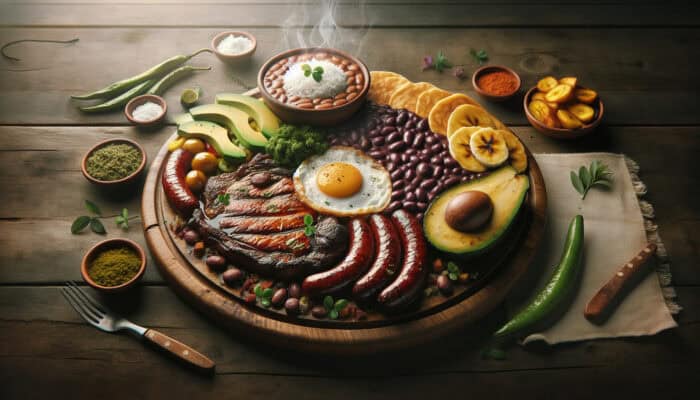
Bandeja paisa is a traditional Colombian dish featuring a variety of components, including rice, beans, meats (such as chicharrón and ground beef), plantains, avocado, and often a fried egg, all beautifully arranged on a single plate.
Can I Make Bandeja Paisa Vegetarian?
Yes, bandeja paisa can easily be adapted for vegetarians by substituting meat with plant-based proteins like tofu or seitan and using vegetable broth. Could I Store Bandeja Paisa Leftovers?
Store leftovers in airtight containers and refrigerate them promptly. For longer storage, portion out the dish and freeze it for up to three months.
What Spices Are Essential for Making Bandeja Paisa?
Common spices used in bandeja paisa include cumin, paprika, garlic powder, and black pepper. These spices work together to enhance the overall flavour profile of the dish.
Can I Use Different Types of Beans in Bandeja Paisa?
Absolutely! While red beans are traditional, you can opt for black beans, white beans, or any other variety that you prefer, adapting the flavour and texture accordingly.
What Cooking Methods Work Best for Preparing Bandeja Paisa?
Popular cooking methods for bandeja paisa include grilling, frying, and simmering. Each method contributes to the dish’s unique flavours and textures.
How can Cndeja Paisa Be Healthier?
To make bandeja paisa healthier, consider using whole grains instead of white rice, increasing the vegetable content, and opting for leaner cuts of meat or plant-based proteins.
Is Bandeja Paisa Spicy?
While bandeja paisa is not inherently spicy, you can adjust the heat by adding hot peppers to the dish. Too Hot? The Flavour of My Bandeja Paisa?
Enhancing flavour can be achieved by marinating with aromatic vegetables and skillfully balancing spices and seasonings during cooking. Are mon Side Dishes served with Bandeja Paisa?
Common side dishes include arepas, fried plantains, and a fresh salad, all of which complement the hearty nature of bandeja paisa.

I love how you emphasize the importance of fresh and local ingredients in crafting an authentic Bandeja Paisa. It reminds me of my last trip to Colombia, where I visited a small local market. There’s something special about picking out your produce directly from farmers who pour their heart into their work. The flavors of ripe avocados and freshly picked tomatoes are just unbeatable, aren’t they?