Essential Techniques for Mastering Citrus Zest Usage
Effective Grating Techniques
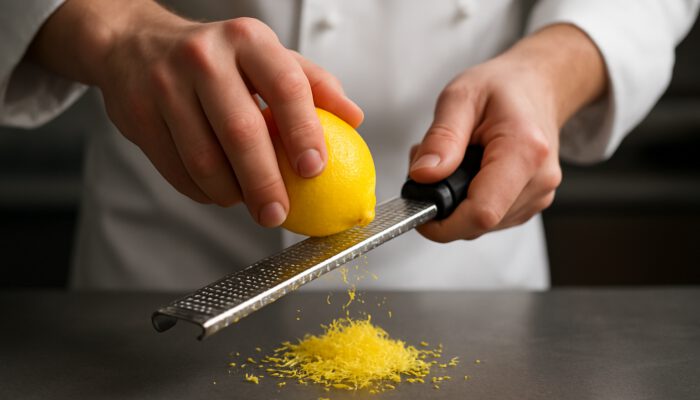
Choosing the right tools for grating citrus zest is crucial for obtaining fine zest without the bitter white pith. A microplane grater is typically favoured by professional chefs because it produces a uniform texture and allows for precise control. This level of precision is particularly important in culinary applications where balancing flavours is essential, especially in recipes that highlight citrus zest.
While a box grater or traditional zester can also deliver satisfactory results, they might lack the finesse of a microplane. Experimenting with various tools can help you determine which method aligns best with your cooking style and the demands of specific recipes. The ultimate aim is to extract the aromatic oils while steering clear of the white pith, which can introduce an unwelcome bitterness to your dishes.
What is the Correct Way to Prepare Zest?
Properly preparing zest starts with thoroughly washing the fruit under running water. This step is essential to eliminate any residues, pesticides, or wax that may linger on the skin. Maintaining hygiene during the preparation process is vital for safe consumption, especially when zesting citrus fruits intended for raw dishes or garnishes.
After washing, drying the fruit with a clean towel is advisable to prevent excess moisture from interfering with the zesting process. Once the fruit is dry, you can proceed with zesting, making sure to only remove the outermost layer of the peel. This technique preserves the essential oils and vibrant flavours that make citrus zest such a valuable ingredient in your cooking arsenal.
Key Storage Practices for Citrus Zest
Implementing proper storage techniques is vital for maintaining the vibrant flavours of citrus zest over time. Here are some significant advantages of effective zest preservation:
- Retains flavour potency for extended periods.
- Avoids spoilage and waste in the kitchen.
- Provides convenient access during cooking.
- Enhances versatility in various recipes.
Storing zest in an airtight container in the refrigerator can help keep it fresh for up to a week. For longer-term storage, consider freezing the zest in small portions, allowing for easy access when needed. These methods ensure that you can savour the bright, zesty flavours in your dishes whenever inspiration strikes.
Understanding Different Citrus Varieties
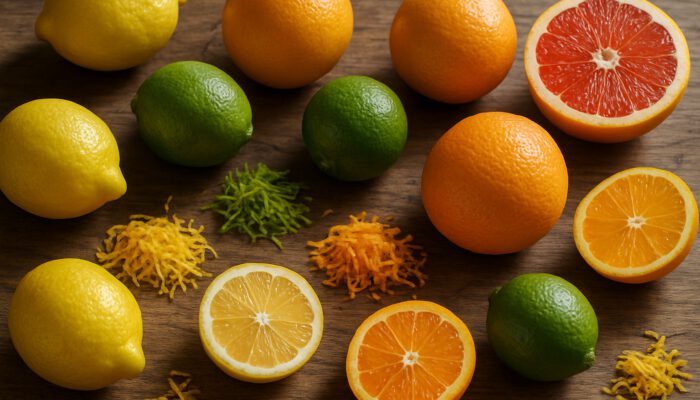
Recognising the distinctive characteristics of various citrus fruits is key to selecting the right zest to enhance specific dishes. For example, lemons provide a bright acidity that can elevate both sweet and savoury recipes. Their zest is particularly effective in dressings, marinades, and baked goods, offering a refreshing contrast to richer flavours.
Limes, with their slightly bitter and floral notes, are perfect for Asian and Mexican cuisines, adding depth to salsas and curries. Oranges contribute a sweeter, more aromatic zest that complements desserts and breakfast dishes beautifully. Grapefruits, with their tartness, can introduce a unique twist to salads and seafood. Exploring these varieties allows cooks to choose the zest that best enhances their dishes and elevates overall flavour profiles.
How Can You Avoid Common Zesting Mistakes?
To maintain the integrity of citrus flavours, it is essential to recognise and prevent common zesting errors. Over-zesting is a common mistake that can lead to the inclusion of bitter pith. When zesting, concentrate on the outermost layer of the peel, ensuring that you avoid the white part beneath, which can disrupt the balance of your dish.
Using inappropriate or dull tools is another prevalent error. A dull grater can produce uneven pieces, impacting both the appearance and flavour distribution in your meals. By investing in a high-quality zester or grater and practising proper zesting techniques, you can ensure that your dishes retain the vibrant and refreshing qualities that citrus zest is celebrated for.
How to Pair Zest with a Variety of Ingredients
Delicious Sweet Pairings

Incorporating citrus zest into desserts can significantly enhance aroma and introduce bright notes that complement sugars and creams. For example, adding lemon zest to a cheesecake or orange zest to a chocolate cake can elevate the overall flavour profile without overpowering other components. The citrus notes serve as a counterbalance, offering a refreshing lift to rich and sweet dishes.
Beyond baked goods, citrus zest can also be incorporated into custards, frostings, and sorbets. The key is to strike the right balance, ensuring that the zest enhances rather than dominates the dish. Experimenting with different citrus varieties in desserts can lead to delightful discoveries, inspiring new creations that surprise and delight your palate.
Complimentary Savoury Pairings
Citrus zest is a powerful ingredient that can elevate meats and vegetables by introducing acidity that cuts through richness. For instance, adding lime zest to a marinade for chicken or fish can enhance the dish’s overall flavour, making it more vibrant and appealing. Similarly, incorporating lemon zest into roasted vegetables can brighten their natural sweetness, resulting in a more balanced dish.
When simmering sauces or soups, a hint of citrus zest can add depth and complexity. The acidity from the zest enhances the dish, making it more satisfying and flavourful. By thoughtfully pairing citrus zest with savoury ingredients, you can create meals that are not only delicious but also memorable.
Integrating Zest with Fresh Herbs
Combining citrus zest with fresh herbs creates layered flavour profiles that are ideal for sauces and marinades. For instance, mixing lemon zest with basil or lime zest with coriander can elevate the freshness of the herbs, making them more vibrant in dishes like pesto or salsa. This combination is particularly effective in dressings and dips, where the brightness of the zest complements the herbaceous notes.
Incorporating zest into herb-infused oils or butters can also add a unique twist to your cooking. For example, a lemon zest-infused olive oil can be drizzled over grilled vegetables or used as a finishing touch for seafood dishes. By experimenting with different herb and zest combinations, you can develop signature flavours that elevate your culinary creations.
How Does Citrus Zest Enhance Recipes?
Adding Flavour Depth
Introducing zest during cooking releases essential oils that infuse dishes with intense aroma and taste. This transformation is especially pronounced in dishes where zest is added at the beginning of the cooking process, allowing the flavours to meld harmoniously. For instance, in a citrus-based marinade, the zest can add significant depth, making the final dish more complex and satisfying.
Adding zest towards the end of cooking can also provide a burst of fresh flavour that revitalises the dish. Understanding how and when to incorporate zest is key to maximising its impact. By strategically including citrus zest, cooks can elevate their recipes, creating a multi-dimensional flavour experience that tantalises the palate.
Enhancing Visual Appeal
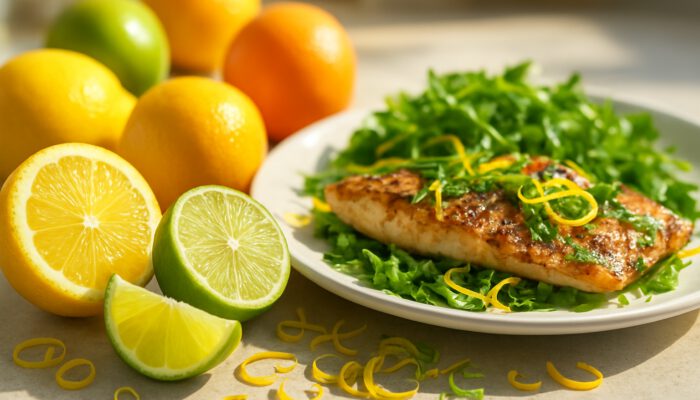
Citrus zest adds vibrant colour accents that make plates more visually appealing and inviting. The bright yellow of lemon zest, the green of lime zest, and the orange of orange zest provide a striking contrast to dishes, making them more enticing. A sprinkle of zest over a finished dish serves as a beautiful garnish, enhancing both presentation and the overall dining experience.
Including zest in your cooking not only boosts flavour but also elevates the visual appeal of your meals. The vibrant colours can transform a simple dish into a culinary masterpiece, making it more appealing for special occasions or everyday meals. This attention to visual detail can enhance the overall enjoyment of dining.
Adding Textural Elements
Finely grated zest introduces a subtle crunch that contrasts beautifully with softer ingredients in finished products. This textural element can elevate dishes, adding a layer of complexity that engages the senses. For example, in a creamy dessert like panna cotta, a sprinkle of zest can provide a delightful contrast, enhancing the overall mouthfeel.
In savoury dishes, zest can contribute a refreshing crunch to salads or grain bowls, making them more interesting and satisfying. By considering the texture that citrus zest brings to a dish, cooks can create well-rounded meals that are flavourful and enjoyable to eat. This focus on detail can elevate everyday cooking into something truly extraordinary.
Insights from Experts on Cooking with Citrus Zest
Understanding Oil Extraction Techniques
Maximising oil yield from zest involves knowing the right timing and pressure application during grating. The best time to zest is when the fruit is fresh, as this is when the essential oils are most potent. Applying gentle pressure while grating allows for the extraction of these oils without damaging the zest, ensuring that the flavours remain vibrant.
Timing is crucial; zesting just before using the fruit captures the freshest oils. For recipes that require zest in advance, consider zesting and storing it properly to maintain its potency. By mastering these techniques, cooks can enrich their dishes with the maximum flavour impact from citrus zest.
Practical Applications of Zest
Real-world examples of integrating zest into both simple and complex meals illustrate its versatility. For example, a basic vinaigrette can be transformed by adding lemon zest, enhancing its flavour profile and making it suitable for a variety of salads. Conversely, a complex dish like duck à l’orange can benefit from both the zest and juice, creating a harmonious balance of flavours.
Incorporating zest into everyday meals can inspire creativity in the kitchen. From enhancing marinades to adding depth to sauces, the possibilities are endless. By exploring practical applications of citrus zest, cooks can discover new ways to elevate their culinary creations and keep meals exciting.
Advanced Zesting Techniques
Scaling zest usage in larger batches while ensuring consistent quality requires careful planning. When preparing large quantities, consider zesting in bulk and storing it properly to preserve its freshness. Using a microplane grater can speed up the process, allowing for efficient zesting without sacrificing quality.
When cooking in larger volumes, adjust the amount of zest according to the dish’s requirements. Taste testing throughout the cooking process is essential for finding the ideal balance, ensuring that the zest enhances rather than overwhelms the dish. By applying these advanced techniques, cooks can confidently incorporate citrus zest into their larger meal preparations.
What Are the Most Effective Storage Methods for Zest?
Drying Techniques
Air drying zest in controlled environments is an effective method for preserving its potency without refrigeration. This technique involves spreading the zest in a single layer on a clean, dry surface and allowing it to dry completely. Once dried, it can be stored in an airtight container, retaining its flavour for extended periods.
This method is particularly beneficial for those who want to enjoy the advantages of citrus zest throughout the year. Dried zest can be rehydrated in recipes or used as a seasoning, providing versatility in the kitchen. By mastering drying techniques, cooks can ensure they always have citrus zest on hand for their culinary creations.
Convenient Freezing Options
Portioning zest into ice cube trays with oil is a convenient way to access it for future cooking sessions. Simply mix the zest with a neutral oil, pour the mixture into the trays, and freeze. Once frozen, transfer the cubes to an airtight container for long-term storage. This method allows for easy use in recipes, as you can simply add a cube to sauces, marinades, or soups.
Freezing not only preserves the zest’s flavour but also makes it readily available for cooking without the need for thawing. This approach is particularly advantageous for those who frequently use zest in their cooking, ensuring that vibrant flavours are always at hand.
Choosing the Right Containers
Selecting airtight jars for storing zest is essential for protecting it from moisture and light degradation. Glass jars with tight-fitting lids are an excellent choice, as they provide a barrier against air exposure. Ensure that the jars are clean and dry before adding zest to prevent contamination.
Storing zest in a cool, dark place can further extend its shelf life. By choosing suitable containers and storage conditions, cooks can maintain the vibrant flavour of citrus zest for weeks or even months, allowing for its inclusion in a variety of dishes. Proper storage techniques ensure that zest remains a staple in your kitchen.
Research-Backed Advantages of Cooking with Citrus Zest
Rich Nutritional Value
Citrus zest contains concentrated vitamins and antioxidants that support health when regularly incorporated into meals. For example, lemon zest is high in vitamin C, known for its immune-boosting properties. the flavonoids present in citrus zest can contribute to overall health by reducing inflammation and promoting heart health.
Including zest in your daily cooking can help elevate your intake of essential nutrients. By utilising citrus zest across various dishes, you can enjoy both the flavour and health benefits it offers, making it an invaluable addition to your culinary toolkit.
Enhancing Aroma
Research indicates that zest volatiles improve sensory satisfaction and stimulate appetite during dining experiences. The aromatic compounds released from citrus zest can create a welcoming atmosphere, enriching the overall enjoyment of meals. This sensory appeal can be especially beneficial in social settings, where the aroma of freshly zested citrus can entice guests.
Incorporating zest into your dishes not only enhances flavour but also enriches the dining experience. The delightful aroma can render meals more memorable, encouraging diners to savour each bite. This aspect of cooking with citrus zest highlights its importance in creating enjoyable culinary experiences.
Supporting Digestive Health
Citrus compounds in zest may aid digestion, making it a beneficial addition to various daily recipes. The natural oils and fibres found in citrus zest can promote healthy digestion and help alleviate common digestive issues. Incorporating zest into meals can provide a gentle digestive boost, especially when used in rich or heavy dishes.
By adding citrus zest to salads, dressings, or marinades, you can create meals that are not only delicious but also supportive of digestive health. This practical benefit further enhances the appeal of using citrus zest in everyday cooking, encouraging a holistic approach to flavour and wellness.
Boosting Immune Function
Numerous clinical trials suggest that the essential oils in citrus zest, particularly from lemons and oranges, can enhance immune cell activity and reduce inflammation markers when consumed regularly through recipes. This immune-boosting quality makes citrus zest a valuable ingredient for promoting overall health and well-being.
Incorporating citrus zest into your cooking can be an effortless way to support your immune system. Whether added to smoothies, dressings, or marinades, the benefits of citrus zest contribute to a healthier lifestyle, making it a smart choice for health-conscious cooks.
Anti-Inflammatory Properties
Recent nutritional studies reveal that compounds derived from zest, such as naringenin, exhibit potent anti-inflammatory effects, potentially lowering chronic disease risks when included in daily meal preparations. This anti-inflammatory property makes citrus zest a valuable addition to a balanced diet, promoting long-term health benefits.
Incorporating zest into various dishes can help harness these health advantages while enhancing flavour. By being mindful of the nutritional benefits of citrus zest, cooks can create meals that are both delicious and supportive of overall health, making it a versatile ingredient in the kitchen.
Why Experimenting with Different Zests is Beneficial
Exploring a Variety of Flavours
Trying out multiple citrus types reveals unique taste profiles that inspire creative adaptations in existing recipes. Each variety brings its own flavour nuances, from the tartness of grapefruit to the sweetness of mandarin. Exploring these differences can lead to exciting culinary discoveries, encouraging cooks to innovate in their kitchens.
By incorporating different zests into familiar dishes, you can create new flavour combinations that surprise and delight your guests. This exploration not only enhances your cooking skills but also keeps meals interesting and enjoyable. Embracing variety in citrus zests can foster a more dynamic and creative approach to cooking.
Seasonal Adaptations
Switching zests based on seasonal availability can maintain interest in cooking and offer numerous benefits. Seasonal citrus fruits often possess peak flavours that can elevate dishes in ways that out-of-season fruits cannot. By adjusting your zest choices according to the season, you can take full advantage of the freshest ingredients, resulting in more vibrant and flavourful meals.
- Encourages creativity in meal planning.
- Utilises the freshest ingredients available.
- Supports local farmers and seasonal produce.
- Enhances flavour profiles in dishes.
This approach not only keeps your cooking fresh but also fosters a deeper connection to the ingredients you use, making your culinary journey more rewarding.
Tailoring to Personal Preferences
Customising zest choices allows you to tailor dishes to individual flavour sensitivities and preferences. Whether you enjoy the bright acidity of lemon or the floral notes of lime, experimenting with different zests can help you create meals that resonate with your personal palate. This customisation can make cooking more enjoyable and fulfilling.
Incorporating your favourite zests into recipes can also inspire confidence in the kitchen, encouraging you to explore new techniques and flavour combinations. By focusing on personal preferences, you can cultivate a unique culinary style that reflects your tastes and enhances your overall cooking experience.
Proven Strategies for Cooking with Citrus Zest
Managing Zest Quantity
Determining the ideal amounts of zest is crucial to avoid bitterness while maximising flavour impact. A general guideline is to start with a small amount and adjust based on taste. This approach allows you to gauge the flavour intensity without overwhelming the dish. For most recipes, one teaspoon of zest serves as a good starting point, although this may vary depending on the fruit and the dish.
Monitoring the balance of flavours during cooking is essential. Regular tasting can help you determine whether more zest is needed or if the dish is already well-balanced. By mastering quantity control, you can ensure that citrus zest enhances your meals without overpowering them.
Optimal Timing for Zest Addition
Incorporating zest at the right stages is key to preserving maximum aroma and taste. For dishes that require cooking, consider adding zest towards the end of the cooking process to maintain its vibrant flavour. Conversely, for marinades or dressings, introducing zest at the beginning allows the flavours to meld and develop effectively.
Understanding when to incorporate zest can significantly influence the final dish. By being mindful of timing, you can ensure that the zest contributes its full potential to the recipe, enhancing both flavour and aroma.
Effective Combination Techniques
Successful zest pairings across various recipe categories can elevate your cooking. For instance, pairing lemon zest with garlic and rosemary creates a fragrant marinade for chicken, while lime zest works well with cilantro in fresh salsas. Experimenting with different combinations can lead to exciting flavour profiles that enhance your dishes.
Real-world examples of zest pairings can provide inspiration. Consider adding orange zest to a chocolate dessert or using grapefruit zest in a seafood dish. By exploring these combinations, you can discover new ways to incorporate citrus zest into your cooking, making meals more dynamic and enjoyable.
Storage Techniques for Freshness
Effective storage methods for citrus zest are crucial for maintaining its vibrant flavour and preventing spoilage. Refrigeration is suitable for short-term storage; however, for longer preservation, freezing or drying are preferable. Freezing zest in ice cube trays or airtight containers helps retain its freshness for months.
When drying zest, ensure it is kept in a cool, dark place to prevent degradation from light and moisture. By mastering these storage techniques, you can keep citrus zest readily available for a variety of cooking applications, ensuring that its bright flavours are always accessible for your culinary creations.
Avoiding Common Citrus Zest Mistakes
Preventing Over-Zesting
Inclusion of excessive pith can lead to unpleasant bitterness that disrupts the delicate balance in prepared foods. To avoid over-zesting, concentrate on the outer layer of the peel, ensuring that you only remove the colourful zest. This practice helps maintain the integrity of citrus flavour while preventing bitterness from seeping into your dishes.
Being mindful of the amount of zest used is essential for achieving balanced flavours. If you find yourself accidentally including pith, refine your technique or consider using a sharper grater to achieve finer zest without the unwanted bitterness.
How Can You Prevent Loss of Flavour?
Improper storage or delayed use can diminish zest potency, necessitating careful handling practices. Always store zest in airtight containers to shield it from moisture and light degradation. If zest has been stored for a while, consider tasting it before incorporating it into your dishes to ensure that it hasn’t lost its vibrant flavour.
Regularly checking your zest supply and using it promptly can help prevent flavour loss. By incorporating zest into your cooking more frequently, you can ensure that you enjoy its full flavour potential and avoid waste.
Choosing the Right Tools for Zesting
Utilising dull graters produces uneven pieces that can affect both appearance and flavour distribution in meals. Investing in a high-quality microplane or zester can significantly improve the zesting process. Sharp tools enable a finer, more consistent zest, enhancing the overall quality of your dishes.
Be conscientious about the type of grater you utilise. Each tool has its strengths, and understanding how to use them effectively can lead to better results. By selecting the appropriate tools for zesting, you can elevate your cooking and ensure that citrus flavours are showcased beautifully in your meals.
Frequently Asked Questions
What exactly is citrus zest?
Citrus zest refers to the outermost layer of the peel from citrus fruits like lemons, limes, oranges, and grapefruits. It contains essential oils that impart intense flavour and aroma, making it a valuable ingredient in cooking and baking.
How can I zest a lemon without a zester?
You can use a fine grater or a vegetable peeler to zest a lemon. When using a peeler, take care to only remove the coloured skin, avoiding the bitter white pith underneath.
Is it possible to use dried citrus zest in recipes?
Yes, dried citrus zest can be incorporated into recipes, but it may not deliver the same intensity of flavour as fresh zest. Consider rehydrating it in liquids or using it in dishes that require cooking.
How long does citrus zest remain fresh in the fridge?
Fresh citrus zest typically lasts about one week in the refrigerator when stored in an airtight container. For prolonged storage, consider freezing it.
Can I freeze citrus zest?
Yes, freezing citrus zest is an excellent method for preserving its flavour. Portion it into ice cube trays with a bit of oil or water, then freeze for easy access later.
What are some common applications for citrus zest?
Citrus zest can be utilised in marinades, dressings, desserts, and cocktails. It adds brightness and enhances the overall flavour profile of various dishes.
Is there a difference between zest and peel?
Yes, zest specifically refers to the coloured outer layer of the citrus peel, which contains essential oils and flavour, while the peel encompasses both the zest and the bitter white pith beneath.
Can I zest fruits other than citrus?
While zesting is primarily linked to citrus fruits, you can also zest other fruits like apples or ginger, though the flavour and applications may differ considerably.
What are ways to incorporate zest into my cooking?
You can add zest to marinades, dressings, baked goods, and sauces. Experimenting with different citrus varieties can enhance your dishes.
Does citrus zest provide health benefits?
Yes, citrus zest contains vitamins and antioxidants that can support health, including vitamin C and flavonoids that may reduce inflammation and boost immune function.