
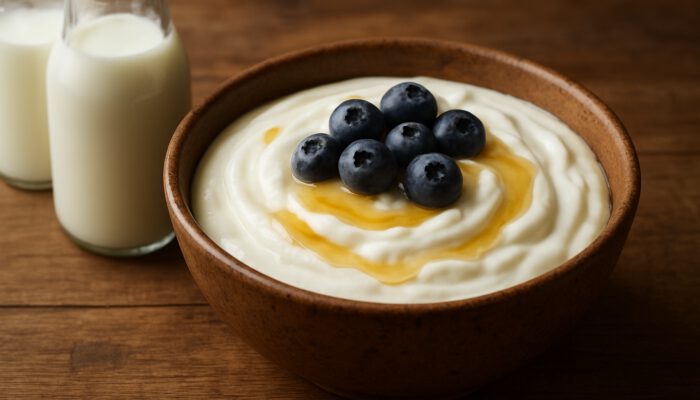
Essential Ingredients for Crafting Skyr
How to Choose the Best Milk for Skyr

Selecting the right milk is fundamental when making your own skyr. Whole milk is a popular choice because its higher fat content results in a richer, creamier texture. If you prefer a lighter option, low-fat or skim milk can be utilised, although this may lead to a less indulgent final product.
Opt for fresh, pasteurised milk to ensure safety from harmful bacteria while allowing beneficial cultures to flourish during fermentation. Organic milk is particularly advantageous, often sourced from grass-fed cows, which enhances both the flavour and nutritional benefits of your skyr.
When choosing milk, prioritise local dairy brands that emphasise quality. Supporting local farmers often results in fresher and tastier products. Remember, the quality of your milk directly influences the final outcome, so make your selection with care.
What Starter Cultures Can You Use?
Starter cultures play a vital role in transforming milk into skyr, introducing beneficial bacteria that contribute to the unique tang and texture of the yoghurt. Popular starter options include commercial yoghurt with live cultures, specialised skyr cultures, or even kefir grains for a distinct twist.
For authentic results, using a dedicated skyr culture is recommended. These cultures are specifically formulated to create the thick consistency and flavour typical of traditional Icelandic skyr. You can easily find these cultures online or in health food stores, usually available in freeze-dried form.
You may also start with a small amount of store-bought skyr that contains live active cultures. This method is convenient and an excellent way to initiate your homemade skyr journey. Just ensure that the skyr you choose has live cultures for optimal results.
Benefits of Choosing Fresh Dairy Products
- Improved flavour due to minimal processing.
- Higher nutritional value, including essential vitamins and probiotics.
- Supports local economies and sustainable farming practices.
- Enhanced freshness and quality compared to mass-produced alternatives.
Efficient Preparation of Your Skyr-Making Workspace

Why Thoroughly Clean Utensils?
Maintaining a clean workspace is crucial in the skyr-making process. Residual bacteria from unclean utensils can contaminate your starter culture and milk, potentially leading to undesirable flavours or spoilage. Start by washing all your tools—pots, spoons, thermometers, and containers—with hot, soapy water.
After washing, sanitising these items is beneficial. You can soak them in a diluted bleach solution or use a food-safe sanitiser. Be sure to rinse thoroughly to eliminate any chemical residues. This step is vital to ensure that only the desired bacteria from your starter culture thrive during fermentation.
Allow your utensils to dry completely before use. Any remaining moisture can create an environment conducive to unwanted bacteria growth, compromising the quality of your skyr. A thorough cleaning routine not only ensures safety but also enhances your chances of a successful skyr outcome.
How to Organise Equipment for a Seamless Workflow
A well-organised workspace can greatly improve your skyr-making experience. Gather all necessary equipment—saucepans, thermometers, measuring cups, and strainers—before beginning. This preparation minimises interruptions and allows you to concentrate on the process.
Arrange your tools logically, moving from heating the milk to straining the final product. This setup helps maintain a steady workflow and ensures you don’t overlook any critical steps. A tidy environment also reduces the risk of accidents or mistakes, leading to a more enjoyable cooking experience.
Having everything within reach allows you to focus on precise measurements and timing, which are essential for achieving the ideal texture and flavour in your skyr. This organised approach makes the entire process smoother and more efficient.
Understanding the Importance of Measurement Tools

Accurate measurements are vital in skyr production to ensure the proper balance of ingredients. A kitchen scale is invaluable for weighing milk and starter cultures, helping you maintain the correct proportions. This practice enables you to replicate successful batches consistently.
Liquid measuring cups are also essential for measuring milk accurately. Look for ones with clear markings and a spout for easy pouring. Thermometers are another key tool, as they help monitor the milk’s temperature during heating and incubation, ensuring optimal conditions for fermentation.
Consider using a timer to track fermentation and straining durations. This attention to detail can significantly influence the final product, helping you achieve the desired thickness and flavour profile in your homemade skyr.
How to Set Up the Fermentation Environment
Creating the right fermentation environment is crucial for successful skyr production. The optimal temperature for fermenting skyr is around 40-45°C (104-113°F). This warmth promotes the growth of beneficial bacteria while inhibiting harmful ones.
Ensure your fermentation area is draft-free and maintains a consistent temperature. You can use an oven with the light on or a yogurt maker to achieve the required warmth. Alternatively, wrapping your fermentation container in a towel can help retain heat.
Humidity also influences fermentation. A slightly humid environment supports bacterial activity. If your kitchen is particularly dry, consider placing a small bowl of water near your fermentation setup to maintain moisture levels. This attention to detail will help you achieve the thick, creamy consistency typical of skyr.
Why Gather Fresh Ingredients Within Reach?
Having all your ingredients within arm’s reach can streamline the skyr-making process. Begin by assembling your milk, starter culture, and any additional flavourings or sweeteners you intend to use. This preparation minimises interruptions and helps you maintain focus.
Create a designated area for ingredient storage, ensuring they are accessible during preparation. This setup enhances efficiency and reduces the risk of forgetting essential components that could impact the quality of your skyr.
Using fresh ingredients can significantly affect the final product. Fresh milk and active cultures lead to better fermentation and flavour development. keeping these ingredients close will help you consistently produce high-quality skyr.
How to Incorporate the Culture Effectively?
What Is the Best Timing for Adding Culture?
Correctly incorporating the starter culture is crucial for successful skyr production. Once the milk has been heated to the desired temperature, let it cool slightly before adding the culture. This step ensures that beneficial bacteria can thrive without being harmed by excessive heat.
Gently stir the culture into the warm milk, ensuring even distribution. This action optimises fermentation efficiency, allowing the bacteria to activate correctly. Timing is vital; adding the culture too early or too late can impact the skyr’s final texture and flavour.
After adding the culture, cover the mixture and place it in your prepared fermentation environment. The incubation period usually lasts 6-12 hours, depending on your desired thickness and tanginess. Monitoring this phase closely will help you achieve the perfect skyr.
How to Recognise Initial Signs of Fermentation?
Observing the early signs of fermentation is essential for confirming that your culture is active. Within a few hours, you should notice changes in the texture and aroma of the mixture. A slight thickening and a tangy scent indicate that the bacteria are working effectively.
Pay attention to the surface of the milk as well. Bubbles or a frothy layer may form, suggesting that gas is being produced during fermentation. This reaction is a positive indicator that your skyr is developing as intended.
If you detect any unpleasant smells or unexpected textures, this may signal contamination. In such cases, it’s best to discard the batch and start again. Trusting your senses during this phase can help ensure that you produce delicious homemade skyr.
What Temperature is Ideal for Activation?
Maintaining the proper temperature during fermentation is essential for activating the starter culture. Ideally, keep the milk at a stable temperature of 40-45°C (104-113°F). This warmth creates an environment where beneficial bacteria can thrive and multiply.
Using a thermometer is crucial for accurate temperature monitoring. If the milk cools too much, the fermentation process may slow, resulting in thinner skyr. Conversely, if it overheats, you risk killing the cultures, leading to a failed batch.
To ensure consistent fermentation, consider using an insulated container or a yogurt maker. These tools help maintain the desired temperature throughout the incubation period, ensuring your homemade skyr reaches its full potential.
Expert Tips for Making Homemade Skyr Yoghurt
What Are the Best Milk Heating Techniques?
Gradually heating the milk is essential for achieving the right texture and flavour in your skyr. Begin by pouring the milk into a heavy-bottomed saucepan and placing it over medium heat. Stirring frequently helps prevent scorching, which can impart an unpleasant taste to your skyr.
Aim for a temperature of approximately 85°C (185°F) to effectively denature the proteins. This process is vital for thickening the skyr, as it alters the proteins’ structure, allowing them to trap moisture and create a creamy consistency.
Once the milk reaches the desired temperature, remove it from the heat and let it cool to the optimal fermentation temperature of 40-45°C (104-113°F). This gradual approach ensures even heating, contributing to successful fermentation and a superior final product.
What Common Adjustments Can Be Made?
Each batch of skyr may behave differently based on the milk type and starter culture used. If your skyr turns out too thin after fermentation, consider extending the incubation time. This adjustment allows the bacteria more time to work, resulting in a thicker mixture.
Conversely, if your skyr is too tangy, you might try reducing the fermentation time. This method can help achieve a milder flavour while still maintaining the desired consistency.
Keep in mind that different milk types can also influence the outcome. For instance, whole milk typically yields a creamier skyr compared to low-fat or skim milk. Experimenting with these variables allows you to refine your technique and achieve the perfect balance that suits your taste.
How to Accurately Evaluate Fermentation Progress?
Assessing the progress of your skyr fermentation is crucial for achieving the desired results. Look for visual cues such as a thickening of the mixture and the formation of a slight sheen on the surface. These indicators suggest that the bacteria are actively fermenting the milk.
To visual signs, gently stirring the mixture with a spoon can provide insight. A well-fermented skyr should feel thick and creamy, with a smooth texture. If it appears too watery or grainy, it may need more time to ferment.
Taste testing is another effective way to evaluate your skyr. A tangy flavour indicates successful fermentation, while a bland taste suggests it may not be ready yet. Trusting your senses during this phase will help you refine your technique and produce consistently high-quality skyr.
What Are the Best Straining Procedures?
Straining is a critical step in achieving the thick, creamy texture characteristic of traditional skyr. Start by pouring your fermented mixture into a fine-mesh strainer lined with cheesecloth or a dedicated yoghurt strainer. This setup allows excess whey to drain while retaining the solids.
Let the mixture strain for several hours, depending on your desired thickness. For a thicker skyr, consider straining it overnight in the refrigerator. This method enhances texture and further develops flavour as it concentrates.
Be cautious not to over-strain your skyr, as this can lead to a dry product. Keep a close eye on the consistency, and once it reaches your preferred thickness, transfer it to an airtight container for storage. This careful straining process ensures you achieve the rich, dense skyr you desire.
What Temperature is Necessary for Proper Thickening?
How to Control Heat During Incubation
Effective temperature control during incubation is vital for achieving the desired thickness in your skyr. Maintaining a consistent temperature of 40-45°C (104-113°F) allows beneficial bacteria to flourish while preventing overheating, which could compromise the flavour and texture of your skyr.
Using an insulated container or a yogurt maker can help maintain this temperature throughout the fermentation process. If you’re using an oven, consider leaving the light on to provide gentle warmth.
Regularly check the temperature with a reliable thermometer to ensure it remains within the desired range. This attention to detail will help you produce a thick, creamy skyr that meets your expectations and delights your taste buds.
Benefits of Using Thermometers
- Ensures precise temperature readings for optimal fermentation.
- Helps prevent overheating, which can spoil the texture and flavour.
- Facilitates consistency across batches for reliable results.
- Enhances overall control over the skyr-making process.
How to Adjust for Environmental Factors
Environmental conditions can significantly influence the fermentation process. For example, in a particularly cool kitchen, you may need to increase the incubation time to enable the bacteria to work effectively. Conversely, a warmer kitchen may accelerate fermentation, necessitating a shorter incubation period.
To adapt to these variations, monitor the milk’s temperature closely with a thermometer. If you notice fluctuations, you might need to insulate the fermentation container more effectively or find a warmer spot in your home.
Being responsive to your environment will help you maintain consistency in your skyr production. With practice, you’ll learn how to adjust your methods based on conditions, leading to successful outcomes every time.
How to Verify Temperature Accuracy?
Utilising a reliable thermometer is essential for ensuring that your milk reaches the ideal temperature for fermentation. Digital thermometers often provide the most accurate and easy-to-read results.
Regularly check the thermometer’s calibration to ensure it gives accurate readings. If you suspect it may be off, test it in boiling water to confirm its accuracy. This step helps prevent mishaps during the skyr-making process.
Maintaining the correct temperature is crucial for successful fermentation. An accurate thermometer enables you to monitor the milk’s temperature closely, ensuring that you achieve the desired thickness and flavour in your homemade skyr.
How to Cool the Curd for Best Results?
Once fermentation is complete, gradually cooling the curd is essential for achieving the desired consistency in your skyr. Start by removing the container from the warm environment and placing it in a cool area or refrigerator. This gradual temperature reduction allows the proteins to firm up evenly.
Avoid shocking the curd with sudden temperature changes, as this can lead to separation and a less desirable texture. Instead, allow it to cool slowly, maintaining the integrity of the curd while ensuring a smooth, creamy final product.
After cooling, your skyr is ready for straining and flavouring. This careful cooling process is vital for producing high-quality skyr that meets your expectations.
Research-Backed Advantages of Homemade Skyr Yoghurt
What Do Studies Say About Probiotic Retention?
Research indicates that homemade skyr retains a high level of beneficial probiotics, which support digestive health. The careful handling of ingredients and fermentation processes ensures that these live cultures remain intact until consumption.
Regular consumption of probiotic-rich foods like skyr can enhance gut health, promoting digestion and overall wellbeing. This benefit is particularly significant when compared to many commercial yoghurts, which may contain fewer active cultures due to processing.
By preparing skyr at home, you can control the fermentation process, maximising probiotic retention and enjoying the health benefits associated with these beneficial bacteria.
How to Preserve Nutrients Effectively?
To preserve nutrients in your homemade skyr, employ minimal processing techniques. Start with high-quality, fresh milk, as it typically contains higher levels of vitamins and proteins. Avoid excessive heating, which can degrade sensitive nutrients.
Straining should be approached thoughtfully to retain as much of the beneficial whey as possible. While some whey is removed to achieve the desired thickness, over-straining can lead to nutrient loss.
Store your skyr in airtight containers in the refrigerator to minimise exposure to air and light, which can compromise nutrient quality. By following these steps, you can maximise the health advantages of your homemade skyr.
How Does Skyr Compare Nutritionally?
When comparing skyr to other yoghurts, one of the most significant differences is its higher protein density. Skyr typically contains around 10-12 grams of protein per 100 grams, making it an excellent option for those looking to boost their protein intake.
In contrast, many commercial yoghurts, particularly those that are lower in fat, may offer significantly less protein. This difference makes skyr a more satisfying choice for individuals seeking to feel fuller for longer or to increase protein in their diets.
Skyr often contains fewer carbohydrates and sugars than many flavoured yoghurts. This nutritional profile makes it a preferred option for health-conscious individuals aiming to maintain balanced diets while enjoying delicious, creamy products.
Why Is Thorough Straining Necessary?
What Straining Materials Are Best?
Choosing the right straining materials is vital for achieving the desired thickness in your skyr. Fine-mesh strainers, cheesecloth, or dedicated yoghurt strainers are all effective options for removing excess whey while retaining the solids.
A fine-mesh strainer facilitates controlled drainage, ensuring you achieve the right consistency without losing beneficial cultures. Cheesecloth is also an excellent choice, allowing for adequate airflow while filtering out excess liquid.
When straining, be mindful of the material you select, as some fabrics may impart unwanted flavours or aromas. Opt for food-safe materials that are easy to clean and maintain, ensuring a successful skyr-making process.
How to Time the Draining Period?
Timing is crucial during the draining process of your skyr mixture. Allowing sufficient time for whey separation ensures optimal density and texture in the final product. Generally, straining for 4-12 hours will yield the best results, depending on your desired thickness.
If you prefer a thicker skyr, consider straining it overnight in the refrigerator. This method allows for gradual whey removal, resulting in a denser texture. Conversely, if you favour a creamier consistency, a shorter straining time may be appropriate.
Monitor the mixture during straining, checking for your desired thickness. Once it reaches your preferred consistency, transfer the skyr to an airtight container for storage. This careful timing will help you achieve the perfect homemade skyr.
How to Prevent Over-Straining?
To avoid over-straining your skyr, closely monitor the process. Start by straining for a shorter period and checking the consistency frequently. This approach allows you to assess how much whey needs to be removed without risking excessive dryness.
Utilising a fine-mesh strainer or cheesecloth can help manage the drainage rate. If you notice that the skyr is thickening too quickly, adjust the straining time accordingly to achieve the desired texture.
Consider incorporating a gentle stirring motion during the straining process. This technique helps distribute the whey more evenly, preventing excessive moisture loss and ensuring a creamy yet structured final product.
Proven Strategies for Making Homemade Skyr Yoghurt
How to Scale Recipes Effectively?
Scaling recipes for skyr allows you to adjust ingredient quantities for different yields while maintaining the correct proportions. For instance, if you’re aiming to double your batch, simply multiply all ingredient amounts by two to ensure consistency in taste and texture.
When scaling recipes, it’s crucial to maintain the same ratios of milk to starter culture. This consistency ensures the fermentation process remains effective, resulting in a quality product regardless of batch size.
Consider the size of your fermentation container when scaling. A larger container may require a longer fermentation time, while a smaller one may ferment more quickly. Adjusting your methods based on batch size will help you achieve successful results every time.
What Troubleshooting Tips Are Available?
Troubleshooting is an essential aspect of the skyr-making process. If your skyr turns out too thin, consider extending the fermentation time. This adjustment gives the bacteria more time to work, resulting in a thicker final product.
Another common issue is off-flavours, which can arise from contamination or improper handling. If you notice any unpleasant tastes, it’s advisable to discard the batch and start over, ensuring that all utensils and ingredients are clean and fresh.
If your skyr lacks tanginess, it may need more time to ferment or a higher-quality starter culture. Experimenting with various cultures or adjusting your fermentation environment can help you refine your technique and achieve the desired flavour profile.
How to Refine Flavour with Add-Ins?
Enhancing the flavour of your skyr can be an enjoyable part of the process. Consider adding natural ingredients such as vanilla extract, honey, or fruit purées at the appropriate stage. This approach allows you to customise your skyr while preserving its authentic base structure.
When adding flavours, do so after the fermentation and straining processes are complete. This timing ensures that the base skyr remains stable and thick while allowing additional flavours to meld seamlessly.
Experiment with different combinations to discover your preferred profiles. Whether you favour sweet, fruity, or even savoury additions, refining the flavour of your skyr can elevate your homemade creation to new heights.
Where to Source Quality Ingredients for Optimal Results?
The quality of your ingredients significantly impacts the success of your homemade skyr. Sourcing fresh, high-quality milk from local dairies can greatly enhance the flavour and texture of your final product. Look for organic or grass-fed options for the best results.
To milk, choose active bacterial cultures known for producing excellent skyr. These cultures can often be found in health food stores or online, ensuring you have access to the best possible starter for your skyr.
Investing in premium ingredients not only improves the quality of your skyr but also supports local farmers and sustainable practices. This commitment to quality will be evident in the taste and texture of your homemade skyr.
How to Master Effective Straining Techniques?
Mastering effective straining techniques is vital for achieving the desired thickness in your skyr. Using a fine-mesh strainer or cheesecloth allows for controlled drainage, ensuring that you retain the solids while removing excess whey.
To master this technique, pour your fermented mixture into the strainer and allow it to sit undisturbed. This approach lets gravity do the work, resulting in a thicker product without excessive handling.
Monitor the straining process closely, checking for the desired consistency. Once it reaches your preferred thickness, transfer the skyr to an airtight container for storage. This careful approach guarantees you achieve the rich, creamy texture typical of traditional skyr.
Proper Storage of Your Homemade Skyr
How to Select Suitable Storage Containers?
Choosing the right containers for storing your homemade skyr is crucial for maintaining freshness. Airtight containers are ideal, as they prevent exposure to air that can lead to spoilage and flavour loss. Glass jars or plastic containers with secure lids are excellent options.
When selecting containers, consider the size based on your batch yield. Smaller containers can help you portion out servings, while larger ones are suitable for bulk storage. Properly storing your skyr in appropriate containers will help extend its shelf life.
Label your containers with the preparation date to track freshness. This practice allows you to enjoy your skyr at its peak quality, ensuring you get the best taste and texture from your homemade creation.
What Shelf Life Can You Expect?
Homemade skyr generally has a shelf life of about 1-2 weeks when stored correctly in the refrigerator. The exact duration may vary depending on factors such as ingredient quality and storage conditions.
To maximise freshness, store your skyr in airtight containers and maintain a consistent refrigerator temperature. Regularly check for signs of spoilage, such as off smells or changes in texture, to ensure that you enjoy it at its best.
If you anticipate that you won’t consume your skyr within the expected timeframe, consider freezing it for longer storage. While the texture may change slightly upon thawing, it can still be used in smoothies or cooking applications.
What Are the Daily Benefits of Skyr Consumption?
- Supports digestive health through its probiotic content.
- Provides a high-protein snack option for sustained energy.
- Offers versatility in recipes, from smoothies to desserts.
- Enhances overall nutrition with minimal processing.
Frequently Asked Questions
What is skyr?
Skyr is a traditional Icelandic dairy product similar to yoghurt but thicker and higher in protein. Made from strained milk, it has a tangy flavour, making it a popular choice for health-conscious individuals.
Can I use low-fat milk to make skyr?
Yes, low-fat milk can be used to make skyr. the texture may be less creamy compared to using whole milk. Experimenting with different milk types can help you find your preferred consistency.
How long does it take to make homemade skyr?
The entire process of creating homemade skyr typically takes around 12-24 hours, including heating, cooling, fermentation, and straining. The time may vary based on your specific recipe and environmental conditions.
Can I flavour my skyr?
Absolutely! You can flavour your skyr with natural ingredients like vanilla, fruit purées, or honey after the fermentation process. This allows you to customise the taste while maintaining the skyr’s integrity.
What is the best temperature for fermentation?
The ideal temperature for fermenting skyr ranges between 40-45°C (104-113°F). This range promotes the growth of beneficial bacteria while ensuring the milk does not overheat.
How do I know when my skyr is ready?
Your skyr is ready when it has thickened to your desired consistency and developed a tangy flavour. Visual cues, such as a smooth texture and slight sheen, can also indicate readiness.
Can I use store-bought skyr as a starter culture?
Yes, store-bought skyr with live active cultures can be used as a starter for your homemade skyr. This method is convenient and can help you achieve good results.
How should I store my homemade skyr?
Store your homemade skyr in airtight containers in the refrigerator. Proper storage helps maintain freshness and quality, allowing you to enjoy it for up to 1-2 weeks.
Can I freeze homemade skyr?
Yes, homemade skyr can be frozen for longer storage. While the texture may change slightly upon thawing, it can still be used in smoothies or cooking applications.
What are the health benefits of skyr?
Skyr is rich in protein, low in fat, and contains probiotics that support digestive health. It can be a nutritious addition to your diet, offering versatility in meals and snacks.



I’ve always been fascinated by how the choice of milk really impacts the end product in skyr-making. It’s interesting to think about how something as simple as the source of milk can influence both flavor and texture. I’ve tried using both whole and low-fat milk, and while the whole milk version was definitely richer, I appreciated the lighter feel of the low-fat skyr during summer months.