

Mastering Haitian Griot Fried Pork at Home
How to Choose the Best Pork Cuts for Griot
Selecting the right pork cuts is essential for creating flavourful Haitian griot. Opt for cuts such as pork shoulder or belly, as these contain sufficient fat to keep the meat moist and tasty. Pay attention to marbling; more intramuscular fat means enhanced flavour and texture after frying.
Freshness is another critical factor. When buying pork, look for a vibrant pink hue and a firm texture. Steer clear of cuts that show signs of discolouration or emit an unpleasant odour. Choosing high-quality pork not only elevates the dish but also guarantees a satisfying dining experience, making the preparation worthwhile.
How Does the Marinade Process Work?
A well-crafted marinade is fundamental to Haitian griot, infusing the pork with deep, robust flavours. Traditional marinades typically feature citrus juices, garlic, and a blend of spices that permeate the meat, enhancing its natural taste. The acidity from the citrus juices aids in tenderising the pork, making it exceptionally succulent.
Allow the marinade to work its magic for several hours, ideally overnight. This timeframe enables the flavours to meld and thoroughly penetrate the meat, resulting in a richer taste. Grasping this process is essential for achieving that authentic griot flavour, taking your dish to the next level.
Essential Techniques for Preparing Pork
Properly preparing the pork necessitates thorough cleaning and scoring the surface prior to marination. Cleaning removes any residual impurities, while scoring the meat enhances the marinade’s penetration. This technique ensures a more uniform flavour throughout the dish.
Once the pork is prepped, it’s crucial to apply the marinade evenly. Use your hands to massage the mixture into the meat, ensuring that every surface is well coated. This meticulous attention to detail results in a more flavourful and tender outcome, ensuring your griot shines at any meal.
How Does Marinating Improve the Dish?
What Constitutes an Effective Marinade?
An effective marinade balances acidity, oil, and seasonings to achieve the best flavour. The acid, often derived from citrus juices or vinegar, tenderises the meat, while oils help retain moisture during cooking. Seasonings, including herbs and spices, add layers of flavour that elevate the dish.
Experimenting with various combinations can produce unique results. For example, introducing soy sauce or hot pepper can add exciting new dimensions to the marinade. Understanding these components allows for creative flexibility while maintaining the essence of traditional Haitian griot.
Key Timing Considerations for Optimal Results
Timing plays a vital role in marinating pork for griot. Ideally, the meat should marinate for a minimum of six hours, although overnight is preferable for maximum flavour absorption. This duration allows the acid to break down the proteins, resulting in tender, juicy meat.
Avoid the common error of under-marinating, which can lead to bland results. The longer the pork marinates, the more concentrated the flavours will be. Planning ahead guarantees that your griot bursts with flavour and is ready to impress at your next gathering.
What Marinade Mistakes Should You Avoid?
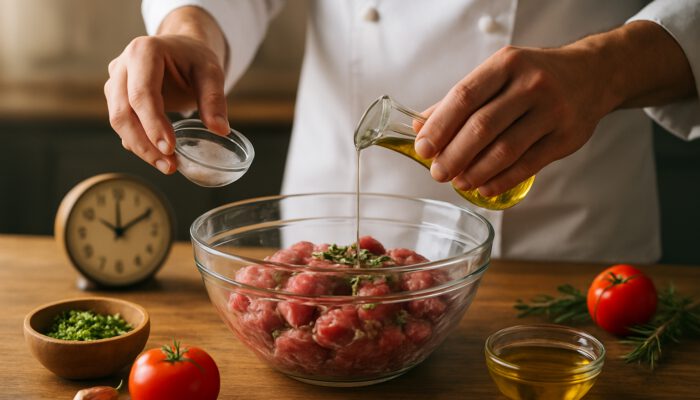
Several common mistakes can compromise your marinade. Overusing salt can lead to an excessively salty dish, while inadequate mixing may result in uneven flavour distribution. Measure your ingredients carefully to maintain balance and ensure consistent results.
Another pitfall is marinating for too long. While longer marination generally yields better results, exceeding 24 hours can result in a mushy texture. Keep these tips in mind to ensure your marinating process leads to a delicious final product.
Insights from Experts on Haitian Griot Fried Pork Recipe
Understanding Heat Control Techniques
Effective heat control is essential when frying Haitian griot to achieve that perfect crispy exterior. Maintaining a stable oil temperature, ideally around 180°C (350°F), ensures even cooking without excessive oil absorption. Using a thermometer can help you monitor this critical factor.
Frying in batches is another smart strategy. Overcrowding the pan can lower the oil temperature, resulting in greasy pork. By frying smaller quantities, you allow for better heat retention, guaranteeing that each piece cooks evenly and attains the crispiness that defines authentic griot.
Refining Your Frying Techniques
Monitoring doneness is critical for perfect frying. Look for colour changes; the pork should develop a rich golden brown as it cooks. This visual cue indicates that the exterior is crispy while the interior remains juicy and tender, which is the hallmark of well-prepared griot.
Using a slotted spoon to lift the pork from the oil is advisable. This technique allows excess oil to drain off, preventing the meat from becoming soggy. Adhering to these techniques will help you achieve the ideal texture, making your griot a standout dish at any meal.
How to Enhance Flavour Layers
To elevate the flavour profile of your griot, consider adjusting the spice blend used in the marinade. For instance, adding smoked paprika or a hint of cumin can introduce new layers that complement traditional flavours. This flexibility allows you to tailor the dish to your personal taste.
Real-world flavour enhancements can include incorporating fresh herbs like thyme or parsley just before serving. These additions not only boost aroma but also provide a refreshing contrast to the rich, fried pork, making each bite a delightful experience for your palate.
How to Assess Quality Pork Selection
Sourcing high-quality pork is crucial for an authentic griot experience. Look for local suppliers who prioritise ethical farming practices and freshness. Visiting farmers’ markets or reputable butcher shops often yields better quality cuts than mass-produced options found in supermarkets.
Proper selection significantly impacts the final texture and taste. Pork sourced from reputable suppliers typically boasts a richer flavour and superior marbling, resulting in a more satisfying eating experience. Investing in quality pork is a vital step in mastering the art of Haitian griot.
What Ingredients Are Crucial for Authenticity?
Core Spices and Their Functions
The key spices in a Haitian griot marinade are essential for achieving its distinctive taste. Important ingredients usually include garlic, thyme, and scotch bonnet peppers, each adding unique notes. Garlic contributes pungency, thyme offers earthiness, and the peppers provide the heat that defines the dish.
Grasping the role of these spices allows you to appreciate their impact on the overall flavour. Each spice harmonises to create a complex, layered taste that is unmistakably Haitian. This balance is what makes griot a cherished dish in Haitian cuisine and beyond.
Ideal Accompaniments That Complete the Meal
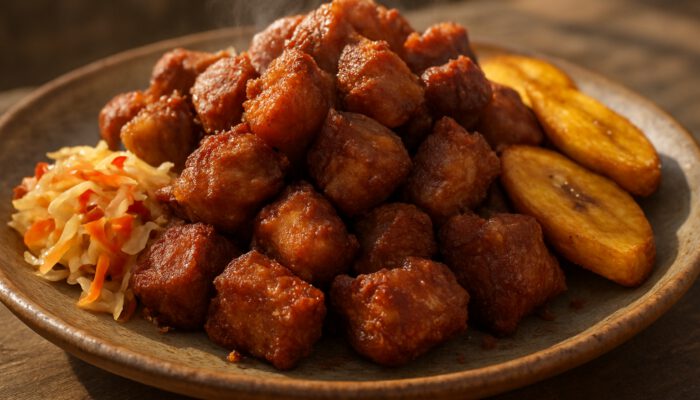
Pairing your griot with suitable accompaniments can significantly enhance the overall dining experience. Traditional sides include fried plantains, which provide a sweet contrast, and rice, which balances the richness of the pork. These pairings create a satisfying and flavourful meal.
Consider serving a fresh salad or coleslaw to add a refreshing crunch. These sides not only complement the griot but also offer a variety of textures and flavours that elevate the meal. Thoughtful pairings ensure that each bite is a delightful experience.
How to Effectively Source Substitutes
When certain ingredients are unavailable, finding suitable substitutes is key to preserving the essence of your griot. For example, if scotch bonnet peppers are hard to find, consider using habanero peppers for a similar level of heat.
Other substitutes may include using lime juice instead of lemon for acidity or swapping fresh herbs for dried ones as needed. These adjustments can yield a delicious outcome without compromising the integrity of the dish, allowing you to enjoy Haitian griot no matter your location.
Proven Strategies for Haitian Griot Fried Pork Recipe
How to Scale Recipes for Larger Gatherings
When preparing Haitian griot for larger gatherings, accurately scaling recipes is essential. Adjusting ingredient quantities while preserving the original proportions ensures consistent flavours across all servings. This attention to detail will yield the same delicious results regardless of the number of guests.
Consider using a kitchen scale for precise measurements. This approach helps maintain flavour balance, ensuring that your griot is just as delectable for a small family dinner as it is for a large celebration. Consistency is key to delivering a successful dish.
Storage and Reheating Best Practices
Proper storage of leftover griot is vital for maintaining its quality. Allow the pork to cool completely before placing it in an airtight container. Refrigerate for up to three days or freeze for longer storage, ensuring you can enjoy the dish later without sacrificing flavour.
When reheating, aim to restore the crispiness of the pork. Using an oven or air fryer is preferable to microwaving, which can cause the meat to become soggy. Reheating at a low temperature helps maintain the dish’s integrity while ensuring it remains safe to eat.
What Safety Measures Should You Prioritise?
Safety is paramount when handling and cooking pork. Adhering to temperature guidelines is crucial; pork should be cooked to an internal temperature of at least 63°C (145°F) to ensure it is safe for consumption. Using a meat thermometer can assist in achieving this.
Maintaining hygiene practices is equally important. Always wash your hands before and after handling raw meat, and use separate cutting boards for meat and vegetables to prevent cross-contamination. These measures minimise health risks and promote safe cooking in any kitchen environment.
How to Perfect the Marinade Process
Creating a traditional marinade involves blending citrus juices, garlic, and various spices. This combination enables the pork to absorb vibrant flavours deeply, resulting in juicy meat that fries beautifully. Mastering this process is crucial for achieving the authentic taste of Haitian griot.
Experimenting with proportions can lead to personal variations while still honouring tradition. For example, adding a splash of vinegar can enhance tanginess, while adjusting spice levels can cater to different palates. This flexibility allows for creativity while maintaining cultural authenticity.
How to Achieve Perfect Frying Results
Monitoring oil temperature is critical for achieving ideal frying results. Frying in batches prevents overcrowding, which can diminish the oil temperature and lead to greasy pork. Keeping the temperature consistent ensures that each piece of griot becomes crispy on the outside and tender on the inside.
Using a heavy-bottomed pot can help maintain even heat distribution, which is essential for safe and effective frying. This technique minimises oil absorption and promotes even cooking, enhancing both safety and flavour. Following these guidelines will yield beautifully fried griot that is sure to impress.
How to Achieve Perfect Crispiness?
Effective Oil Temperature Management
Managing oil temperature is critical for achieving the perfect crispiness in your griot. Heat the oil to around 180°C (350°F) before adding the pork. This temperature helps create a golden exterior while sealing in moisture, ensuring the meat stays juicy.
Using a thermometer can assist you in maintaining this temperature throughout the frying process. If the oil is too hot, the exterior may burn before the inside is cooked. Conversely, oil that is too cool can lead to sogginess. Proper temperature management is key to achieving that coveted crispy texture.
Draining and Resting Procedures for Optimal Texture
After frying, allowing the pork to rest is essential for preserving its crunch. Use a wire rack to drain excess oil, ensuring the bottom doesn’t become soggy. This step is crucial for maintaining that crispy texture that defines excellent griot.
Resting the pork for a few minutes before serving also allows the juices to redistribute, resulting in a more tender bite. This attention to detail enhances the overall dining experience, ensuring that each piece of griot is as enjoyable as the first.
Troubleshooting Common Texture Issues
When frying, you may encounter texture issues. Here are some common problems and their solutions:
- Uneven frying: Fry in smaller batches to maintain oil temperature.
- Soggy texture: Ensure the oil is hot enough before adding the pork.
- Burnt exterior: Lower the heat slightly to ensure thorough cooking on the inside.
- Dry meat: Avoid overcooking by carefully monitoring internal temperature.
These tips can help enhance your frying results, ensuring that your griot is consistently delicious and perfectly textured every time you prepare it.
Coating and Battering Techniques for Superior Crispiness
Utilising the right combination of starches and proteins in your coating mixture is essential for achieving exceptional crispiness. A light dusting of flour or cornstarch before frying creates a barrier that locks in moisture while allowing for a crunchy exterior.
Experimenting with different coatings can lead to exciting results. For instance, adding breadcrumbs or crushed cornflakes can enhance the crunch factor. Mastering these techniques allows you to create a griot that is not only flavourful but also visually appealing, enhancing the overall dining experience.
Creative Serving Suggestions and Variations
How to Plate for Visual Appeal
Arranging your griot thoughtfully on a plate enhances visual appeal and sets the tone for the meal. Use a large platter to display the fried pork, garnished with fresh herbs or citrus slices. This presentation invites guests to dig in and enjoy the dish.
Adding colourful sides like vibrant salads or fried plantains can create a beautiful contrast. Thoughtful plating elevates the dining experience, making the meal feel special and inviting. A visually appealing presentation can significantly enhance enjoyment and appreciation of the dish.
Exploring Small Twists on the Classic Recipe
Introducing subtle twists to your griot recipe can keep it exciting over time. For instance, adding fresh herbs like cilantro or parsley just before serving can impart a burst of freshness. Alternatively, a drizzle of spicy sauce can provide an unexpected kick.
These variations enable you to adapt the dish to different tastes and occasions without losing its essence. Experimenting with new ingredients and flavours keeps the recipe engaging, ensuring that both you and your guests always look forward to enjoying this classic dish.
What Portion Sizes Work for Different Occasions?
Matching portion sizes to the occasion is crucial for ensuring satisfaction without waste. For small family gatherings, serving approximately 150-200 grams per person is generally sufficient. for larger events, consider increasing this to 250-300 grams to accommodate heartier appetites.
Understanding your guests’ preferences can also inform portion sizes. Offering a variety of sides allows for smaller servings of the main dish while still providing a fulfilling meal. Tailoring portions ensures that everyone leaves satisfied, making your gathering a success.
Which Beverages and Sides Pair Well with Griot?
Exploring suitable beverage pairings can significantly enhance the dining experience. Light beers or fruity cocktails complement the rich flavours of griot, while refreshing drinks like lemonade or iced tea provide a contrasting palate cleanser. These choices can elevate the meal, making it more enjoyable.
Consider serving traditional sides such as rice and beans or a fresh salad. These accompaniments not only balance the richness of the pork but also introduce different textures and flavours. Thoughtful pairings create a harmonious meal that appeals to a wide range of tastes.
Frequently Asked Questions
What exactly is Haitian griot?
Haitian griot is a traditional dish made from marinated and fried pork, typically served during special occasions. The pork is seasoned with a blend of spices and citrus, making it flavourful and tender.
For how long should I marinate the pork for griot?
For optimal flavour, marinate the pork for at least six hours, but overnight is ideal. This allows the spices to penetrate the meat deeply, resulting in a more delicious dish.
What pork cuts are best for griot?
Pork shoulder or belly are the best cuts for making griot. These cuts have the right amount of fat, ensuring the meat stays juicy and tender during cooking.
Can I substitute a different type of meat for griot?
While pork is traditional, you can experiment with chicken or beef. the cooking times and marinades may need adjustments to suit different meats.
What sides complement griot well?
Common sides include fried plantains, rice, and fresh salads. These dishes provide contrast to the rich flavours of the griot, creating a well-rounded meal.
How should I store leftover griot?
Store leftover griot in an airtight container in the refrigerator for up to three days. For longer storage, freeze it, ensuring it remains safe and tasty for future meals.
What is the best way to reheat griot?
Reheat griot in an oven or air fryer to restore its crispiness. Avoid microwaving, as it can make the pork soggy and less enjoyable.
How can I add more spice to my griot?
To increase the heat in your griot, add more scotch bonnet peppers to the marinade or serve with a spicy sauce on the side. Adjusting the spice levels can cater to different palates.
What is the ideal frying temperature for griot?
The ideal frying temperature for griot is around 180°C (350°F). This temperature ensures a crispy exterior while keeping the meat juicy and tender.
Can I prepare griot in advance?
Yes, you can marinate the pork ahead of time and fry it just before serving. This allows for a more convenient cooking process while still delivering delicious results.


Your insights on selecting the right cuts for griot are spot on. I remember my first attempt at making it; I thought any pork would do, but using pork shoulder transformed the dish completely—so much more tender and flavorful. The marbling really makes a difference!