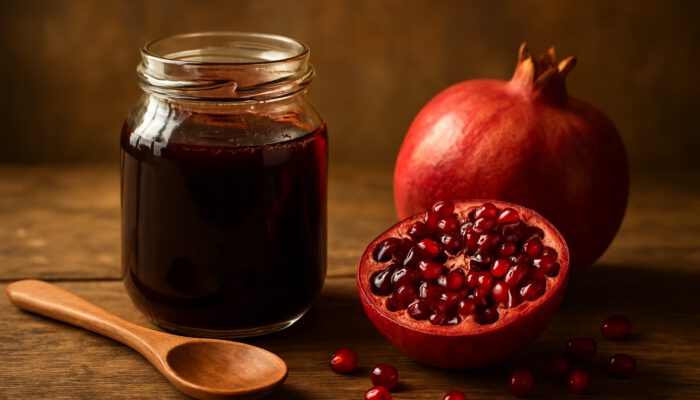
Mastering the Essentials of Homemade Pomegranate Molasses
How to Choose the Best Pomegranates for Your Molasses
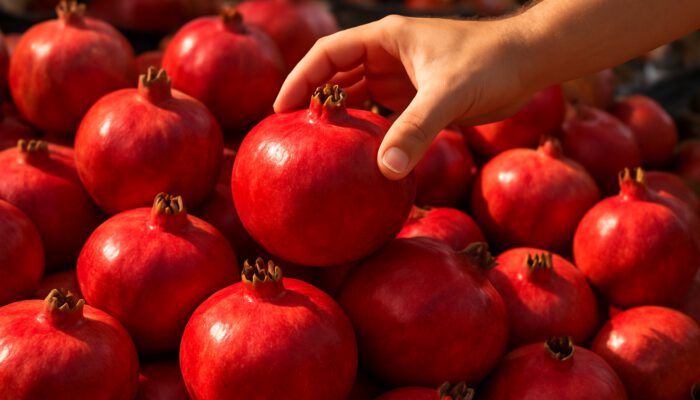
Selecting ripe pomegranates is a fundamental step in crafting homemade pomegranate molasses. Look for fruits that exhibit a vibrant colour and a firm texture, as these qualities ensure optimal juice extraction. The quality of your pomegranates directly impacts the richness of flavour in the final syrup, making this choice crucial for achieving a deep, satisfying taste.
When sourcing pomegranates, consider purchasing from local markets or specialty shops that prioritise fresh produce. This not only supports local farmers but also increases your chances of finding the finest fruits. Remember, the brighter the colour and the heavier the fruit, the better the juice yield will be, enhancing your homemade molasses experience.
Essential Tools for Crafting Pomegranate Molasses
To create your own pomegranate molasses, you will require a few essential kitchen tools. A heavy-based saucepan is vital for ensuring even heat distribution during the simmering phase. Fine mesh strainers are necessary for effectively separating the juice from the pulp, while sterilised jars are imperative for safe storage.
The advantages of having the right equipment include:
- Efficient juice extraction and syrup reduction.
- Enhanced flavour concentration through controlled cooking.
- Extended shelf life for your molasses.
- Simplified cleaning and maintenance.
These tools make the process not only manageable but enjoyable.
What Contributes to the Thickness of Pomegranate Syrup?
The thickness of your homemade pomegranate molasses depends on several factors, primarily the simmering duration and the juice volume used. Longer simmering times yield thicker syrup; however, it is essential to monitor the process closely to avoid over-reduction, which can lead to crystallisation.
Another factor to consider is the initial juice concentration. A higher juice volume can result in a thicker syrup more quickly, but this may necessitate adjustments in simmering time. Balancing these aspects will help you achieve the desired viscosity without compromising the flavour profile of your molasses.
What Ingredients Are Essential for Making Pomegranate Molasses?
The Key Fruit Ingredient
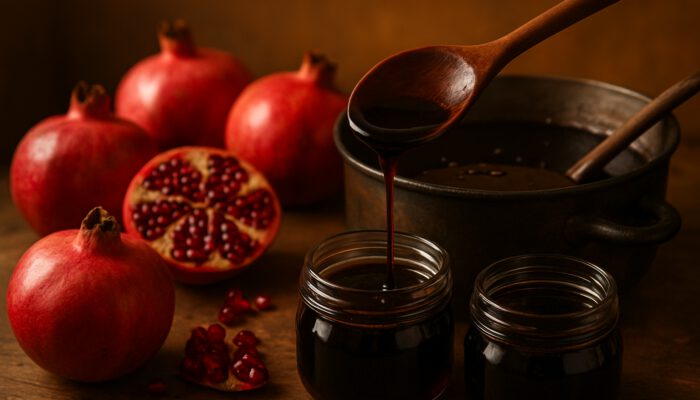
The primary ingredient in homemade pomegranate molasses is fresh pomegranate juice, which forms the foundation of the syrup. Generally, you will need around four large pomegranates to yield sufficient juice for a typical batch. This quantity ensures a delightful sweet-tart flavour that characterises high-quality molasses.
For juicing pomegranates, consider using a manual juicer or a blender, followed by straining to eliminate seeds and pulp. The fresher the juice, the more vibrant the flavour, enhancing the overall quality of your homemade product.
Optional Sweeteners and Enhancements
While pomegranate juice offers natural sweetness, you may wish to add sweeteners like sugar or honey to modify the acidity levels. This allows for personalisation according to your taste preferences, whether you prefer a milder sweetness or a more pronounced flavour profile.
Experimenting with different sweeteners can yield unique versions of pomegranate molasses. Using agave syrup or maple syrup can introduce interesting undertones, making your homemade creation truly distinctive. Always taste as you go to strike the perfect balance for your palate.
Common Alternatives for Ingredients
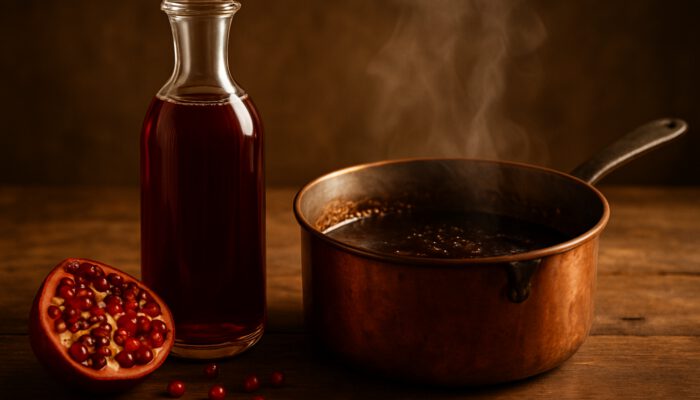
If fresh pomegranates are out of season, bottled pomegranate juice serves as a convenient alternative for creating molasses. While it may lack the depth of flavour found in freshly juiced fruit, it retains the essential characteristics necessary for a successful reduction.
When selecting bottled juice, ensure it is 100% pure pomegranate juice without added sugars or preservatives. This guarantees that your final product will deliver a rich taste and maintain the health benefits associated with pomegranate.
Professional Insights on Crafting Homemade Pomegranate Molasses
Advanced Techniques for Achieving Perfect Consistency
For an ideal consistency in your homemade pomegranate molasses, monitoring the temperature is essential. Employing a candy thermometer can help you achieve the perfect reduction without risking scorching the syrup. Aim for a gentle simmer instead of a rapid boil, as this allows for better control over the cooking process.
Real-world examples indicate that maintaining a consistent temperature between 85°C to 95°C yields optimal results. This careful approach prevents sugar from burning, ensuring a smooth, rich syrup that enhances your culinary creations.
Strategies for Enhancing Flavour
To elevate the complexity of your homemade pomegranate molasses, consider adding spices during the cooking process. Incorporating cinnamon, cardamom, or a hint of black pepper can create layers of flavour that transform the syrup into a gourmet ingredient.
Timing is important; add spices towards the end of the reduction phase to preserve their aromatic qualities. This technique not only enhances the taste but also allows for creative variations that can complement a wide array of dishes, making your molasses truly unique.
Maintaining Quality Control
To ensure the safety and longevity of your homemade pomegranate molasses, implement several quality control measures. Regularly examine the syrup for signs of spoilage, such as unusual smells or changes in texture. Proper sterilisation of your jars before filling is also crucial to prevent contamination.
Testing the final product for viscosity can help you determine if it meets your desired consistency. If the syrup is too thin, consider simmering it a bit longer. These steps will guarantee that your preserved batches remain safe and delicious for repeated use.
Effective Ingredient Sourcing Techniques
Sourcing high-quality pomegranates and suitable sweeteners is essential for crafting superior homemade pomegranate molasses. Visit local farmers’ markets or specialty grocery stores where fresh, seasonal produce is available. Look for pomegranates that are heavy for their size and boast bright, unblemished skin.
To assess ripeness, gently apply pressure to the fruit; it should feel firm yet slightly yielding. Avoid fruits with blemishes or cracks, as these can indicate spoilage. By prioritising quality ingredients, you ensure the best possible outcome for your homemade molasses.
What Are the Best Practices for Storing Homemade Pomegranate Molasses?
Optimal Container Selection
Choosing the right containers for storing homemade pomegranate molasses is crucial for preserving its freshness. Airtight glass bottles are ideal, as they prevent oxidation and shield the syrup from light exposure. This helps maintain the vibrant colour and flavour over time.
Consider using dark glass bottles, which provide additional protection against UV light. Properly labelled containers will also help you keep track of your batches, ensuring they are used within the recommended timeframe for optimal quality.
Guidelines for Refrigeration Duration
When stored properly, homemade pomegranate molasses can last for several months in the refrigerator. Ensure that the jars are sealed tightly to prevent air from entering, which can lead to spoilage.
For the best results, aim to consume your molasses within six months. This timeframe allows you to enjoy the syrup at its peak freshness without compromising taste or quality. Regularly inspect your stored batches for any signs of spoilage to ensure safe consumption.
What Are the Signs of Spoilage?
Recognising spoilage in homemade pomegranate molasses is crucial for maintaining food safety. Watch for alterations in aroma, colour, or texture. If the syrup develops an off-smell or appears cloudy, it is advisable to err on the side of caution and dispose of it.
Any crystallisation or separation in the syrup indicates that it has gone bad. Always trust your senses; if something seems off, it’s safer to discard the molasses than risk health issues during consumption.
Research-Backed Advantages of Homemade Pomegranate Molasses
Overview of Nutritional Benefits
Homemade pomegranate molasses is not merely a delightful addition to your culinary repertoire; it also boasts a rich nutritional profile. This concentrated syrup is abundant in antioxidants, vitamins, and minerals that promote overall wellness. Regular moderate consumption can positively contribute to a balanced diet.
The high levels of vitamin C and potassium found in pomegranate molasses are particularly beneficial. These nutrients play vital roles in immune function and cardiovascular health, making this syrup a valuable addition to meals and snacks.
Potential Health Benefits of Pomegranate Molasses
Research indicates that pomegranate molasses may offer several health applications, particularly in managing inflammation and oxidative stress. Studies have shown that the antioxidants present in pomegranate can support cardiovascular health and may even help reduce the risk of certain chronic diseases.
Incorporating homemade pomegranate molasses into your diet could enhance your overall health. For instance, using it in salad dressings or marinades not only contributes flavour but also potential health benefits, aligning delicious eating with wellness.
What Scientific Evidence Supports These Claims?
Clinical findings have demonstrated the positive effects of pomegranate consumption on inflammation markers. Research indicates that the antioxidants in pomegranate molasses can help mitigate oxidative stress, leading to better health outcomes.
These studies underscore the importance of including pomegranate products in health-focused meal plans. The evidence supports the notion that homemade pomegranate molasses can serve as a functional food, offering both flavour and health benefits for those looking to enhance their diets.
Evaluation of Antioxidant Capacity
Research suggests that homemade pomegranate molasses retains higher antioxidant capacities compared to processed alternatives. This is largely due to the absence of preservatives and additives, which can diminish the nutritional value of store-bought products.
Studies have shown that the antioxidants in pomegranate help neutralise free radicals in the body, supporting overall health outcomes. By preparing your own molasses, you ensure that you receive the maximum health benefits associated with this superfruit.
Research on Cardiovascular Benefits
Recent clinical investigations have explored the cardiovascular benefits of pomegranate molasses. Findings suggest that including this syrup in daily diets can lead to improved cardiovascular markers, such as reduced cholesterol levels and enhanced vascular function.
These benefits are particularly relevant for individuals aiming to manage heart health through dietary choices. By using homemade pomegranate molasses, you can enjoy a delicious ingredient that supports your cardiovascular wellbeing.
What Are the Advantages of Making Homemade Pomegranate Molasses Over Buying?
Cost-Effectiveness Analysis
Creating homemade pomegranate molasses can be significantly more economical than purchasing commercial options. By sourcing seasonal produce in bulk, you can cut costs while enjoying a high-quality product tailored to your taste preferences.
The cost of ingredients often decreases when buying directly from local markets or during peak harvest seasons. This not only conserves money but also supports local farmers, making it a mutually beneficial choice for your finances and the community.
Opportunities for Customisation
One of the primary benefits of creating pomegranate molasses at home is the ability to customise its sweetness and thickness. This flexibility allows you to produce a syrup that perfectly aligns with specific recipes, enhancing the overall outcome of your dishes.
Whether you prefer a sweeter molasses for desserts or a thicker version for marinades, the choice is yours. This level of personalisation ensures that your homemade molasses meets your culinary needs and elevates your cooking experience.
Ensuring Freshness and Purity
Homemade pomegranate molasses guarantees freshness and purity, free from unwanted additives typically found in store-bought varieties. This assurance provides peace of mind, knowing exactly what goes into your syrup and how it has been prepared.
Key benefits of homemade pomegranate molasses include:
- No preservatives or artificial ingredients.
- Freshly sourced ingredients for superior taste.
- Control over sweetness and thickness.
- Environmentally friendly, reducing packaging waste.
By choosing to make it yourself, you prioritise quality in every batch.
Reducing Environmental Impact
Producing pomegranate molasses at home contributes to a reduced environmental impact. By minimising reliance on factory processing and plastic packaging, you help decrease waste and support sustainable practices in your kitchen.
Sourcing ingredients locally lowers the carbon footprint associated with transportation. This conscious choice benefits your health and aligns with environmentally friendly living, making your culinary efforts more sustainable.
Achieving a Superior Flavour Profile
Creating your own pomegranate molasses delivers a superior flavour profile compared to many commercial alternatives. The fresh fruit used in homemade preparations results in a richer, more vibrant taste that mass-produced products cannot replicate.
Without the dilution or chemical enhancers often present in store-bought varieties, your homemade molasses will shine in both sweet and savoury dishes. This authenticity elevates your culinary creations, making them memorable and enjoyable for you and your guests.
Innovative Ways to Use Homemade Pomegranate Molasses in Your Cooking
Creative Salad Dressing Combinations
Homemade pomegranate molasses can transform ordinary salads into gourmet experiences. Blending it with olive oil, balsamic vinegar, and herbs creates tangy vinaigrettes that enliven vegetable-based meals, adding a burst of flavour and colour.
Consider pairing pomegranate molasses with ingredients like Dijon mustard or garlic for an added layer of complexity. This versatility invites experimentation with various flavour combinations, making your salads not only healthier but also more exciting and enjoyable.
Applications in Baking and Desserts
Incorporating pomegranate molasses into baking and dessert recipes can introduce sophisticated depth to your creations. Drizzling it over cakes or mixing it into glazes enhances both flavour and visual appeal, making your desserts stand out.
Try using pomegranate molasses in cookie recipes or as a topping for ice cream. The sweet-tart notes will elevate ordinary treats into something exceptional, impressing family and friends with your culinary skills.
Delicious Savoury Marinades
Pomegranate molasses serves as an excellent base for savoury marinades, providing robust flavours for proteins such as chicken, lamb, or tofu. Combining it with spices and herbs creates flavourful marinades that enhance tenderness and taste in grilled dishes.
Experiment with different spice blends to develop unique marinades tailored to your preferences. The natural acidity of pomegranate molasses helps tenderise meat while infusing it with rich flavours that make every bite memorable.
Breakfast and Brunch Innovations
Incorporating pomegranate molasses into breakfast dishes can introduce a delightful sweet-tart note that enhances nutritional value. Consider drizzling it over yoghurt parfaits or stirring it into oatmeal for a gourmet twist that elevates your morning routine.
These simple additions not only improve flavour but also provide a boost of antioxidants to kickstart your day. This approach aligns with popular breakfast trends in Australian households, where health-conscious options are increasingly sought after.
Unique Sauce and Condiment Creations
Utilising pomegranate molasses in sauces and condiments can create layers of flavour that enhance simple dishes. Incorporating it into barbecue sauces or using it as a finishing touch on roasted vegetables adds complexity and richness to your meals.
The versatility of pomegranate molasses allows it to complement a wide variety of cuisines. Whether employed in Middle Eastern dishes or modern Australian recipes, this syrup can elevate your culinary creations and leave a lasting impression on your guests.
Frequently Asked Questions
How long can I store homemade pomegranate molasses?
Homemade pomegranate molasses can last for several months when stored in an airtight container in the refrigerator. For optimal quality, aim to use it within six months.
Can I use frozen pomegranates to make molasses?
Yes, frozen pomegranates can be used as a substitute for fresh ones. Just ensure they are thawed and drained before juicing to achieve the best results.
Is it necessary to add sweeteners to pomegranate molasses?
Adding sweeteners is optional. The natural sweetness of pomegranate juice may suffice for your taste, but you can adjust it based on personal preferences.
Can I use pomegranate molasses in savoury dishes?
Absolutely! Pomegranate molasses contributes a unique flavour to savoury dishes, making it an excellent ingredient for marinades, dressings, and sauces.
What is the best method for juicing pomegranates?
The most effective way to juice pomegranates is by cutting them in half and using a manual juicer or blender. Strain the juice to eliminate seeds and pulp for a smooth result.
How can I tell if my pomegranate molasses has spoiled?
Signs of spoilage include changes in aroma, colour, or texture. If the syrup smells off or appears cloudy, it’s wise to discard it.
Can I use bottled pomegranate juice for making molasses?
Yes, bottled pomegranate juice can be a convenient alternative when fresh fruit is unavailable. Ensure it is 100% pure juice without added sugars.
What dishes pair well with pomegranate molasses?
Pomegranate molasses works well with salads, roasted vegetables, grilled meats, and desserts. Its versatility allows it to enhance a wide range of culinary creations.
Is homemade pomegranate molasses healthier than store-bought options?
Homemade pomegranate molasses is typically healthier than store-bought varieties, as it contains no preservatives or artificial ingredients, ensuring a fresher product.
Can I freeze homemade pomegranate molasses?
Yes, you can freeze homemade pomegranate molasses in airtight containers for extended storage. Just be sure to thaw it in the refrigerator before use.