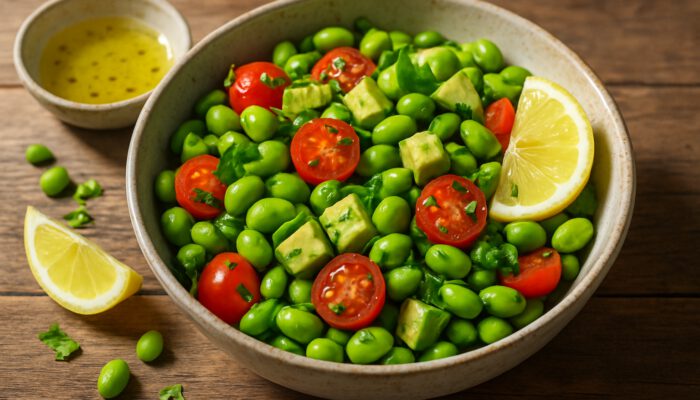
Key Ingredients for Delicious Edamame Salad and Snack Recipes
How to Choose Fresh and Quality Produce
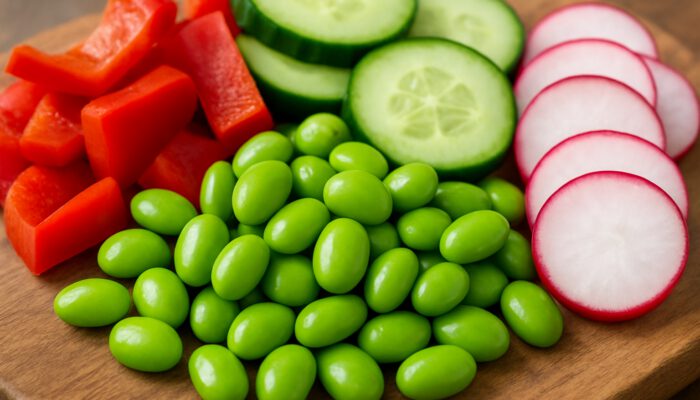
Selecting premium edamame beans and crisp vegetables is essential for maximising the flavour and nutritional value of your dishes. Fresh edamame should exhibit a bright green hue and a firm texture, indicating they are at their best. Complementing them with seasonal vegetables like bell peppers, cucumbers, and radishes introduces vibrant colours and varied textures, enhancing the overall allure of your salads and snacks.
When sourcing produce, consider visiting local markets or farms to find the freshest ingredients. This approach not only supports local agriculture but also ensures superior flavours. Opt for organic options whenever possible, as they are typically cultivated without harmful pesticides, contributing to a healthier meal.
What Ingredients Form an Ideal Base for These Dishes?
A satisfying base for edamame salads and snacks can be created using a variety of grains or leafy greens. Options like quinoa, brown rice, or farro provide a hearty foundation, whereas leafy greens such as spinach, kale, or arugula deliver a lighter, refreshing alternative. Each base offers unique textures and nutritional benefits, allowing for countless combinations.
Experimenting with various bases can also accommodate different dietary preferences. For example, gluten-free individuals may favour quinoa or rice, while those seeking higher fibre content might opt for whole grains. The choice of base can significantly influence the dish’s overall flavour and nutritional profile, making it critical to select wisely.
What Essential Pantry Staples Should You Always Have?
Maintaining a well-stocked pantry with items like oils, vinegars, and spices is vital for crafting quick and delicious edamame dishes. High-quality olive oil or sesame oil can enrich the flavour of your salads, while rice vinegar or balsamic vinegar adds a zesty kick. These staples make it easy to assemble tasty combinations that cater to various tastes.
To oils and vinegars, a variety of spices can enhance your dishes. Keep essentials like garlic powder, ginger, and chilli flakes handy to introduce depth and complexity. Having these pantry items readily available enables you to whip up a nutritious meal or snack without extensive preparation.
How to Choose Protein Additions for Your Dishes
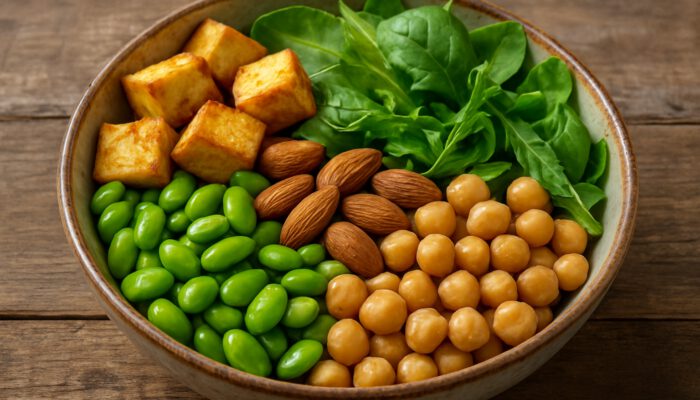
Incorporating protein-rich ingredients like tofu, chickpeas, or nuts into your edamame dishes can elevate them into complete meals. Tofu serves as a versatile option that readily absorbs flavours, making it an excellent addition to salads. Chickpeas offer a hearty texture and are packed with protein, while nuts such as almonds or walnuts contribute crunch and healthy fats.
When selecting protein additions, take dietary restrictions and preferences into account. For instance, those following vegetarian or vegan diets may prefer tofu or chickpeas, while omnivores might enjoy the added texture of chicken or fish in their salads. Balancing protein sources can create satisfying meals that cater to a broad spectrum of tastes.
How to Enhance Your Dishes with Fresh Herbs and Seasonings
Incorporating aromatic herbs like coriander, mint, and dill can significantly elevate the flavour profile of your edamame salads and snacks. Fresh herbs not only impart a burst of flavour but also introduce vibrant colours, enhancing the visual appeal of your dishes. Experimenting with different herbs can lead to exciting new flavour combinations that keep your meals interesting.
Seasoning your dishes with spices such as cumin, paprika, or black pepper can further enrich the overall taste. These additions create layers of complexity, making even the simplest recipes unforgettable. By blending fresh herbs and spices, you can craft unique flavour profiles that cater to diverse palates.
What Are the Most Effective Ways to Season Edamame Salad and Snack Recipes?
Overview of Herbs and Spices
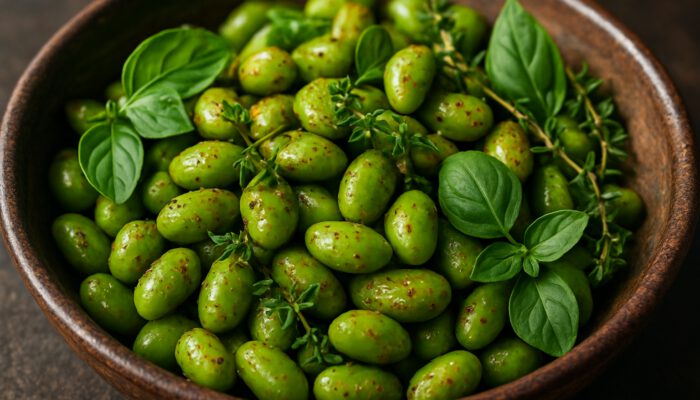
Utilising fresh or dried herbs in conjunction with aromatic spices can transform basic edamame preparations into remarkable culinary experiences. Popular options include basil, thyme, and oregano, which beautifully complement the natural flavour of edamame. The right mix of herbs and spices can elevate a simple salad into a dish that excites the palate.
Experimenting with a variety of seasonings encourages creativity and can lead to delightful new discoveries. Combining herbs and spices allows you to develop unique flavour profiles that align with your tastes. Whether you prefer a light and zesty salad or a robust and hearty snack, the appropriate seasonings can make all the difference.
Key Benefits of Thoughtful Seasoning Choices
Balancing salty, tangy, and sweet elements cultivates depth that appeals to a wide audience. Some key benefits of thoughtful seasoning choices include:
- Enhances flavour complexity
- Encourages culinary creativity
- Boosts the nutritional profile
- Offers variety in meal preparation
- Caters to dietary restrictions
These advantages highlight the significance of seasoning in preparing edamame dishes. Experimenting with various combinations can lead to exciting new recipes that keep your meals fresh and enjoyable.
How to Create Balanced Oil and Acid Combinations
Light dressings made from quality oils and citrus juices provide moisture without heaviness, keeping your edamame recipes refreshing and ideal for warmer weather. A simple vinaigrette crafted with olive oil, lemon juice, and a pinch of salt can showcase the natural flavours of your ingredients without overwhelming them.
Achieving the right balance between oil and acid in your dressings is crucial for optimal taste. Excess acid can render a dish sour, while too much oil can weigh it down. Finding the perfect equilibrium ensures that your edamame salads are both delicious and satisfying, enhancing the overall dining experience.
The Benefits of Adding Toasted Nuts and Seeds
Incorporating crunchy roasted nuts and seeds into your edamame dishes introduces a delightful textural contrast and additional nutrients. Nuts like almonds, cashews, or peanuts provide satisfying crunch, while seeds such as sesame or sunflower seeds add healthy fats and protein. This combination not only enhances flavour but also makes the snacks more filling.
Toasting nuts and seeds prior to adding them to your dishes can intensify their flavours. This simple step can elevate your edamame recipes, appealing to health-conscious individuals seeking variety in their daily meals. The added texture and taste create a more satisfying eating experience.
How to Use Garlic and Chilli for Extra Flavour
Incorporating minced garlic and chilli flakes or powder delivers a robust, spicy element that transforms basic edamame into exciting snacks. Garlic adds a rich flavour that complements the nuttiness of edamame, while chilli provides a kick that appeals to adventurous eaters. This combination can make your dishes stand out during casual dining occasions.
Adjusting the level of spice allows you to tailor recipes to suit different palates. Those who prefer a milder taste can reduce the amount of chilli, providing a hint of warmth without overwhelming the dish. Conversely, spice enthusiasts can increase the heat for a more intense experience.
Expert Insights on Edamame Salad and Snack Recipes
Real-World Examples from Professional Kitchens
Chefs frequently recommend balancing textures by mixing crunchy elements with soft beans to achieve appealing results in shared plates. For example, pairing edamame with crispy fried shallots or roasted vegetables creates a delightful contrast that enhances the overall dining experience. This technique not only satisfies the palate but also results in visually stunning presentations.
In professional kitchens, meticulous attention to texture and flavour is vital. Chefs recognise that the interplay between different components can elevate a dish from ordinary to extraordinary. Applying these principles in your home cooking can lead to impressive results that wow family and friends.
Actionable Steps for Enhancing Flavour
To boost the flavour of your edamame dishes, begin by tasting individual components. This practice allows you to grasp the baseline flavours before blending them. Gradually adjust the seasoning with small additions, ensuring that each component harmonises with the others. This method guarantees consistent quality across multiple batches, making it easier to replicate your favourite recipes.
Documenting your adjustments can help refine your cooking process over time. Keeping track of successful combinations and techniques enables you to recreate your best dishes with ease. This approach not only enhances your culinary skills but also boosts your confidence in the kitchen.
Understanding Portion Control for Balanced Meals
Grasping serving sizes is essential for maintaining nutritional balance while preventing overindulgence. A standard serving of edamame typically measures around half a cup, providing a solid source of protein and fibre. By measuring portions, you can ensure that your meals seamlessly fit into various lifestyle requirements and health goals.
Portion control also plays a significant role in meal planning. By preparing appropriate serving sizes, you can minimise food waste and ensure that meals remain satisfying without excessive calorie intake. This practice supports healthy eating habits and promotes overall wellness.
Embracing Sustainable Sourcing Practices
Experts advocate for selecting locally grown edamame to reduce carbon footprints and ensure superior quality in salads and snacks. Sourcing ingredients from local farms not only supports the community but also guarantees freshness, as the produce is harvested at its peak. This strategy aligns with environmentally conscious eating practices that prioritise sustainability.
When purchasing edamame, seek certifications that indicate organic or sustainable farming practices. This will enable you to make informed choices that benefit both your health and the planet. By prioritising sustainable sourcing, you contribute to a more responsible food system while enjoying delicious meals.
Thorough Analysis of Nutritional Benefits
Nutritionists emphasise the protein and fibre content in edamame recipes, making them practical choices for individuals seeking convenient meal solutions. Edamame is rich in essential amino acids, vital for muscle repair and growth. its high fibre content supports digestive health and helps maintain steady energy levels throughout the day.
Including edamame in your diet can also contribute to overall wellness. The combination of protein and fibre aids in weight management by promoting feelings of fullness. By making informed choices about your meals, you can effectively support your health objectives and dietary preferences over time.
Research-Supported Benefits of Edamame Salad and Snack Recipes
Detailed Nutritional Value Breakdown
Research highlights the protein and fibre content of edamame, which supports sustained energy levels. A single serving contains approximately 8 grams of protein and 4 grams of fibre, making it an excellent choice for active individuals. This nutritional profile makes edamame a practical option for those seeking convenient meal solutions without compromising on health.
Incorporating edamame into your salads and snacks can help you meet your daily protein and fibre requirements, contributing to a well-rounded diet. The versatility of edamame allows for easy integration into various recipes, ensuring you can enjoy its benefits in multiple ways throughout the week.
How Do Antioxidants Contribute to Health Improvements?
Regularly including colourful vegetables, such as those paired with edamame, enhances overall wellness by supplying antioxidants. These compounds assist natural bodily processes, helping combat oxidative stress and inflammation. The vibrant colours in your salads not only enhance visual appeal but also indicate a variety of beneficial nutrients.
A diet rich in antioxidants supports immune function and reduces the risk of chronic diseases. By incorporating a diverse range of vegetables alongside edamame, you can maximise the health benefits of your meals while enjoying a variety of flavours and textures.
Long-Term Health Implications
Ongoing research indicates advantages from adopting plant-based eating patterns, which promote digestive comfort and assist in maintaining steady weight. Edamame, as a plant-based protein source, aligns well with these dietary trends. Incorporating more plant-based foods into your diet may lead to improved health outcomes over time, making it easier to achieve and maintain a healthy weight.
Choosing a plant-based approach does not entail sacrificing flavour or satisfaction. With the right recipes, such as edamame salads and snacks, you can enjoy delicious meals that support your long-term health goals. This shift towards plant-based eating can positively influence both individual well-being and the environment.
How Should You Store Leftovers from Edamame Salad and Snack Recipes?
Guidelines for Refrigeration
Implementing proper cooling techniques is vital for preserving the freshness of your edamame salads and snacks. Store leftovers in airtight containers to prevent moisture loss and contamination. Most edamame dishes can be safely refrigerated for up to three days, providing convenient meal options throughout the week.
Before storing, ensure that the dish has cooled to room temperature. This practice prevents condensation inside the container, which can lead to spoilage. By adhering to these guidelines, you can minimise waste and enjoy your delicious creations for several days.
Exploring Freezing Methods
For longer preservation, freezing is an excellent option for edamame dishes. Use appropriate containers or freezer bags to store your salads, ensuring they are sealed tightly to prevent freezer burn. When freezing, consider portioning out meals for easy reheating later, making it convenient for busy days.
Thawing frozen edamame dishes should be done gradually in the refrigerator or using a microwave on a low setting. This approach helps maintain the texture and flavour of the ingredients. Proper freezing methods allow you to enjoy your favourite recipes without compromising quality.
Reheating While Preserving Quality
Gentle warming techniques are essential for maintaining the original appeal of your edamame dishes. Avoid high heat, as it can alter the consistency and diminish the vibrant colours developed during cooking. Instead, reheat on the stove over low heat or in the microwave at reduced power.
Adding a splash of water or broth while reheating can help restore moisture and prevent drying out. This simple trick ensures that your leftovers remain enjoyable and satisfying, allowing you to savour the flavours you initially created.
Practices for Labelling and Dating
Accurately recording storage dates on containers is crucial for tracking freshness periods for your edamame salad remnants. Use a marker or label maker to indicate the date of preparation. This practice ensures you consume leftovers within recommended timeframes, upholding safety standards and reducing unnecessary waste.
Implementing a labelling system in your kitchen can streamline meal planning and organisation. Knowing when items were made allows you to better manage your leftovers and enjoy your meals at their best.
Creative Serving Ideas for Edamame Salad and Snack Recipes
Effective Presentation Techniques
Arranging components attractively on plates enhances enjoyment and encourages the exploration of new combinations. Use vibrant colours, varied textures, and thoughtful placements to create visually appealing presentations. Consider using bowls or platters to showcase your edamame salads, allowing guests to appreciate the dish’s beauty before diving in.
Garnishing with fresh herbs or edible flowers can add an elegant touch to your presentations. This attention to detail not only enhances visual appeal but also highlights your culinary creativity. Thoughtful presentation can elevate the dining experience, making even simple meals feel special.
How to Pair with Other Dishes for a Complete Meal
Serving your edamame salads alongside complementary foods creates complete dining experiences that cater to various appetites. Consider pairing your salads with grilled chicken, fish, or a hearty soup for a well-rounded meal. This approach not only enriches the overall dining experience but also introduces a variety of flavours and textures.
Creating a balanced meal can also accommodate different dietary preferences. Offering a range of options ensures that everyone at the table can find something they enjoy. This thoughtful pairing can make gatherings more enjoyable and inclusive for all guests.
Key Benefits of Creative Adaptations in Recipes
Adapting recipes to personal tastes fosters culinary creativity. Some key benefits of creative adaptations include:
- Encourages experimentation with flavours
- Promotes sustained interest in healthy eating
- Allows for personal expression in cooking
- Caters to diverse dietary preferences
- Enhances overall meal satisfaction
These advantages underscore the importance of flexibility in your cooking. By embracing creativity, you can enjoy a variety of nutritious meals that keep your palate excited and engaged.
Frequently Asked Questions
What are edamame beans?
Edamame beans are young soybeans harvested before they fully mature. They are typically bright green and are often served boiled or steamed, making them a popular snack or salad ingredient.
How do I cook edamame beans?
To cook edamame, boil them in salted water for about 5-6 minutes until tender. Drain and rinse under cold water to stop the cooking process, then serve warm or chilled.
Can I eat edamame raw?
While edamame is safe to eat raw, it is typically cooked to enhance flavour and texture. Cooking also improves digestibility and makes the beans more enjoyable.
What are some popular edamame salad recipes?
Popular edamame salad recipes include Asian-inspired salads with sesame dressing, quinoa salads with mixed vegetables, and Mediterranean salads featuring feta and olives. Each offers unique flavours and textures.
How long do leftovers last?
Leftover edamame salads can be stored in the refrigerator for up to three days. Ensure they are kept in airtight containers to maintain freshness and prevent spoilage.
Can I freeze edamame salads?
Yes, you can freeze edamame salads. Store them in airtight containers or freezer bags, and they can last for several months. Thaw in the refrigerator before consuming.
What are the health benefits of eating edamame?
Edamame is rich in protein, fibre, and antioxidants, supporting muscle growth, digestive health, and overall wellness. It is also low in calories, making it a nutritious snack option.
How can I enhance the flavour of edamame dishes?
Enhance the flavour of edamame dishes by adding fresh herbs, spices, and quality oils. Experiment with dressings and toppings like toasted nuts or seeds for added texture and taste.
Are edamame salads suitable for vegans?
Yes, edamame salads are suitable for vegans as they are plant-based and can be made without any animal products. They provide a nutritious and satisfying meal option.
What are some creative ways to serve edamame?
Creative ways to serve edamame include using them in sushi rolls, as toppings for grain bowls, or mixed into pasta salads. Their versatility allows for various culinary applications.