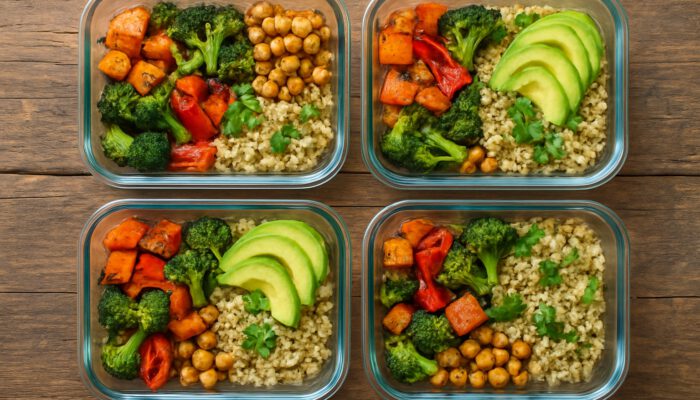
Efficiently Preparing Quinoa Salad Bowls for the Week
Choosing Quality Base Ingredients
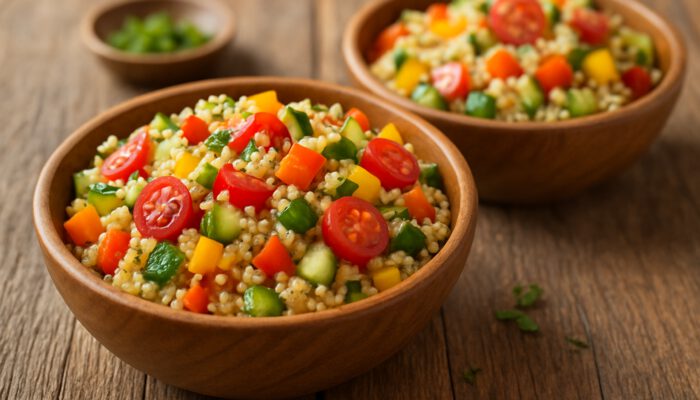
Selecting fresh produce and high-quality grains is essential for crafting delicious quinoa salad bowls that keep you energised throughout the week. Begin with vibrant vegetables such as bell peppers, cucumbers, and cherry tomatoes. These not only contribute colour but also provide vital vitamins and minerals. Adding grains like quinoa, brown rice, or farro creates a satisfying base that helps keep you feeling full and nourished.
To optimise your meal prep, pay attention to the seasonality of your ingredients. Local markets typically offer the freshest produce at more affordable prices, so choose what’s in season. This choice enhances flavour and supports local farmers. A balanced quinoa salad bowl should incorporate a variety of textures and flavours, making it an appealing option for any meal.
Mastering the Art of Cooking Quinoa
Perfectly cooking quinoa is vital for achieving a light, fluffy texture. Start by rinsing the quinoa under cold water to eliminate its natural coating, saponin, which can create a bitter taste. Next, bring it to a boil in a pot with double the amount of water, reduce to a simmer, and cover until tender, which typically takes around 15 minutes. Allow the quinoa to cool properly; spreading it out on a baking tray can help prevent clumping and sogginess.
Once cooked, store the quinoa in an airtight container in the refrigerator. This keeps it fresh and ready for assembling your salad bowls. Proper cooking not only improves texture but also ensures that your quinoa remains appealing over several days.
Efficiently Assembling Salad Layers
Thoughtfully layering your quinoa salad bowl can significantly impact the preservation of flavours and nutrients. Start with a base of quinoa, then add your choice of proteins, such as chickpeas or grilled chicken. Follow with a colourful array of vegetables, and finish with toppings like nuts or seeds. Consider drizzling your dressing on top but keep it separate until you’re ready to eat to maintain freshness.
This organised approach not only enhances visual appeal but also simplifies access when it’s time to enjoy your meal. By layering ingredients this way, each bowl becomes a nutritious, flavourful, and varied option, making mealtime enjoyable throughout the week.
Expert Tips for Crafting Quinoa Salad Bowl Recipes for Meal Prep
Step-by-Step Guide for Batch Cooking
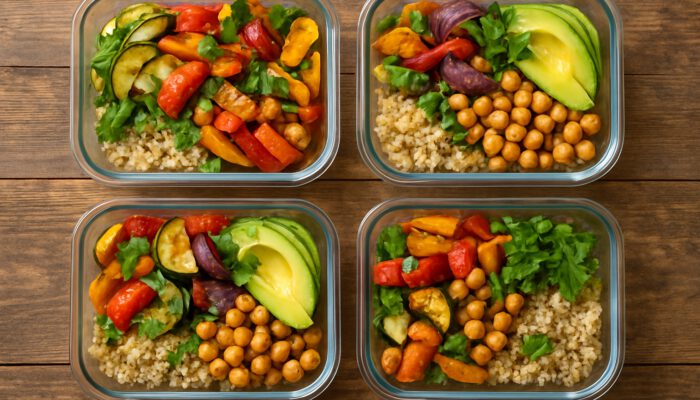
Batch cooking is an excellent strategy to streamline your meal prep. Start by choosing a few quinoa salad recipes that you enjoy and can easily scale. For instance, if a recipe serves four, think about doubling the ingredients to prepare eight portions. This method guarantees you have healthy meals ready to go without needing to cook daily.
When scaling recipes, keep the ratios of grains, vegetables, and proteins consistent to maintain flavours and textures across servings. Prepare your ingredients in bulk and store them in separate containers. This approach not only saves time but also allows you to mix and match ingredients throughout the week, keeping your meals exciting and varied.
Expert Analysis on Flavour Pairings
Thoughtful flavour pairings can transform your Quinoa salad bowls from ordinary to extraordinary. For example, combining fresh herbs like parsley or basil with tangy dressings creates a refreshing taste experience. Consider using lemon juice or balsamic vinegar as a base for your dressings, and experiment with various oils such as olive or sesame for added depth.
Real-world examples include pairing quinoa with roasted sweet potatoes and a maple mustard dressing, or combining it with black beans, corn, and avocado for a zesty southwestern twist. These combinations not only elevate the overall flavour but also cater to a range of palates and dietary preferences, enhancing your meal prep enjoyment.
Real-World Success Stories
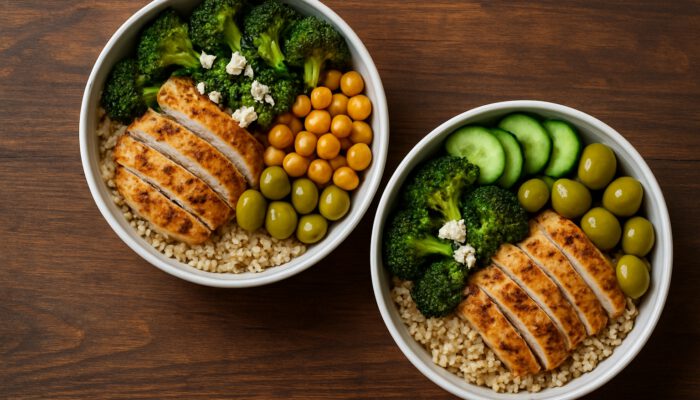
Effective meal prep often relies on the right balance of proteins and vegetables. For instance, a quinoa salad bowl featuring grilled chicken, roasted broccoli, and a sprinkle of feta cheese delivers a nutritious and satisfying meal. Alternatively, a Mediterranean-inspired bowl with chickpeas, cucumbers, and olives provides a delightful mix of textures and flavours.
By including a variety of proteins such as lentils or tofu along with seasonal vegetables, you can create well-rounded meals that nourish and excite. These proven combinations ensure your meal prep remains interesting and fulfilling, encouraging you to maintain healthy eating habits.
Proper Storage Techniques for Freshness
Effective storage methods are crucial for preserving the freshness and nutritional value of your quinoa salad bowls. Refrigerate your prepared bowls in airtight containers to minimise air exposure, which can lead to spoilage. Aim to consume these meals within three to five days for optimal quality.
To prevent sogginess, consider storing your dressing separately and adding it just before serving. This simple step can significantly enhance the texture of your salad. using glass containers can help keep your ingredients crisp and fresh, making meal prep a hassle-free experience throughout the week.
Customising for Dietary Needs
Adapting quinoa salad bowls to meet various dietary requirements is straightforward and rewarding. For vegan options, include plant-based proteins like chickpeas, lentils, or edamame, and utilise dressings made from tahini or avocado. Gluten-free enthusiasts can enjoy quinoa as a naturally gluten-free grain, making it an ideal base for salads.
When modifying recipes, consider the nutritional balance; aim for a variety of colours and textures while ensuring adequate protein and healthy fats. This approach caters to diverse dietary preferences and keeps your meals interesting and satisfying for everyone in your household.
How Can You Effectively Customise Quinoa Salad Bowls?
Incorporating Seasonal Vegetables
Integrating seasonal vegetables into your quinoa salad bowls can greatly enhance their nutritional value and visual appeal. Seasonal produce is often fresher and more flavourful, making your meals more enjoyable. For instance, in spring, consider adding asparagus and peas, while autumn might call for roasted pumpkin and kale.
Utilising a variety of colourful vegetables not only boosts the vitamin content but also creates an eye-catching dish that encourages regular consumption. Mixing textures, such as crunchy carrots with creamy avocado, further enhances the eating experience, ensuring your prepared meals are both nutritious and delightful.
Diverse Protein Sources
Incorporating a range of protein sources into your quinoa salad bowls adds substance and satisfaction. Options such as grilled chicken, roasted chickpeas, or various nuts and seeds provide the necessary protein to keep you full. For plant-based alternatives, tofu or tempeh can absorb flavours well and serve as excellent choices.
Balancing these proteins with your quinoa base and an assortment of vegetables creates a complete meal that sustains energy levels. This strategy caters to different dietary preferences while ensuring your meals remain interesting and varied throughout the week.
Achieving Dressing Flavour Balance
Striking the right balance in your dressings is vital for enhancing the overall taste of your quinoa salad bowls. A well-crafted dressing should complement the natural flavours of your ingredients without overwhelming them. Combining tangy elements like lemon juice with savoury components such as garlic or mustard can create a delightful blend.
Experimenting with different flavour profiles can lead to exciting discoveries. For example, a honey mustard dressing can impart sweetness, while a spicy tahini sauce can add a kick to your salads. Finding the right balance will elevate your meals and encourage you to enjoy your healthy choices even more.
Choosing Complementary Grains
Combining quinoa with other grains such as brown rice or barley can introduce diverse textures and nutrients to your salad bowls. This strategy not only enhances the overall nutritional profile but also creates a more substantial meal option. For example, mixing quinoa with farro provides a delightful chewiness that contrasts well with tender vegetables.
Incorporating various grains allows for creativity in your meal prep, making it easier to keep things interesting. Each grain brings its unique flavour and texture, ensuring that your quinoa salad bowls remain exciting and satisfying throughout the week.
Enhancing with Fresh Herbs
Adding fresh herbs to your quinoa salad bowls can elevate the dish with bright, aromatic notes. Herbs such as coriander, mint, or basil can refresh the palate and complement the earthy taste of quinoa. A sprinkle of chopped herbs not only enhances flavour but also adds a splash of colour to your meals.
Experiment with different combinations of herbs to discover what works best for your taste preferences. For example, pairing mint with cucumber and feta creates a refreshing summer salad, while coriander can enhance a spicy bean mix. These additions will make your meal prep feel vibrant and enjoyable.
Essential Components for Nutritious Meals
What Ratios Promote Balanced Nutrition?
Establishing the appropriate ratios of grains, vegetables, and proteins is crucial for achieving balanced nutrition in your quinoa salad bowls. A general guideline is to aim for a ratio of 1 part quinoa to 2 parts vegetables and a source of protein, ensuring a well-rounded meal. This balance helps meet daily dietary needs conveniently.
Incorporating a variety of colours and textures not only enhances visual appeal but also contributes to a more comprehensive nutrient profile. By focusing on these ratios, you can create meals that are both satisfying and supportive of your overall health and wellness goals.
What Storage Methods Keep Salads Fresh Longer?
Utilising Airtight Containers
Using airtight containers is one of the most effective ways to keep your quinoa salad bowls fresh for an extended period. These containers reduce exposure to air, preventing ingredients from wilting or spoiling. Opt for glass or BPA-free plastic containers that seal tightly to maintain the crispness of your ingredients.
When stored properly, your quinoa salads can last up to five days in the refrigerator. This simple step can greatly enhance the longevity of your meal prep, allowing you to enjoy fresh, nutritious meals throughout the week without concerns about spoilage.
Guidelines for Refrigeration Timing
Promptly cooling your quinoa salad bowls after preparation is vital for food safety. Aim to refrigerate your salads within two hours of cooking to prevent bacterial growth. This practice preserves the quality of your ingredients and ensures your meals remain safe to consume over the following days.
Regularly check the temperature of your refrigerator to ensure it stays below 4°C (40°F), which is the ideal range for food storage. Following these refrigeration guidelines will help maintain the freshness and nutritional value of your quinoa salads, making meal prep a hassle-free experience.
Avoiding Common Storage Mistakes
Avoiding excess moisture is crucial for preventing spoilage in your quinoa salad bowls. Excess moisture can lead to sogginess and encourage bacterial growth, so be sure to dry your vegetables completely before mixing them with quinoa. This straightforward step can significantly enhance the texture and longevity of your meals.
Another frequent mistake is overpacking containers, which can crush ingredients and lead to loss of freshness. Allow your salads some space in their containers to facilitate proper air circulation. By adhering to these tips, you can keep your quinoa salads fresh and enjoyable throughout the week.
Properly Separating Ingredients
Keeping different components separate in your quinoa salad bowls helps prevent cross-contamination and maintains individual freshness. Store proteins, vegetables, and grains in distinct sections of your containers. This method allows each ingredient to retain its texture and flavour, ensuring a more enjoyable meal experience.
Consider using compartmentalised containers for added convenience. This approach not only keeps your ingredients organised but also makes it easy to grab a healthy meal on the go. By separating ingredients effectively, you can extend the shelf life of your quinoa salads and keep them appealing for longer.
Incorporating Natural Preservatives
Adding natural preservatives like lemon juice or vinegar can help prolong the freshness of your quinoa salad bowls. These acidic ingredients lower the pH levels, discouraging microbial growth and enhancing the overall flavour of your meals. A squeeze of lemon juice brightens taste while acting as a preservative.
When using these natural preservatives, apply them in controlled amounts to avoid overpowering the other flavours in your salad. This simple technique not only keeps your meals safe to eat but also adds an extra layer of flavour that can make your quinoa salads even more enjoyable.
Research-Backed Benefits of Quinoa Salad Bowl Recipes for Meal Prep
Advantages of Nutrient Density
Research underscores the nutrient density of quinoa salad bowls, illustrating how these combinations deliver essential vitamins and minerals efficiently. Quinoa is a complete protein, containing all nine essential amino acids, making it a valuable addition to any meal. When paired with a variety of vegetables, your salads become a nutritional powerhouse.
Including diverse ingredients ensures you receive a broad spectrum of nutrients that support overall wellbeing. Studies indicate that diets rich in whole foods, such as quinoa salad bowls, are associated with improved health outcomes, making them an excellent choice for those aiming to enhance their dietary habits.
Time-Saving Benefits
Preparing quinoa salad bowls in advance can drastically reduce daily cooking demands. By dedicating a few hours each week to meal prep, you ensure that healthy options are readily available, allowing you to focus on other activities. This time-saving aspect is particularly beneficial for busy individuals or families.
Having pre-prepared meals on hand can also prevent unhealthy snacking or takeout choices. With a nutritious salad bowl waiting for you in the fridge, you can enjoy a wholesome meal without the hassle of last-minute cooking. This convenience fosters healthier eating habits and supports your overall wellness goals.
Versatility for Various Dietary Preferences
Quinoa salad bowls are incredibly versatile, accommodating a range of dietary requirements and preferences. Whether you’re vegan, gluten-free, or simply seeking a nutritious meal, quinoa serves as an excellent base. Its adaptability allows for countless combinations of flavours and textures, making it a practical choice for diverse households.
By experimenting with different ingredients and flavour profiles, you can create meals that cater to everyone’s tastes. This versatility not only keeps meal prep exciting but also ensures that everyone in your family can enjoy delicious, healthy options throughout the week.
How Do Different Grains Impact Salad Texture?
Exploring Varieties of Quinoa
Investigating different varieties of quinoa, such as red or black, can introduce varied chewiness and flavour to your salad bowls. Red quinoa tends to have a nuttier flavour and a firmer texture, while black quinoa is slightly sweeter and boasts a unique visual appeal. These differences can refresh standard recipes and maintain interest in repeated meals.
By incorporating a blend of quinoa types, you can create salads that are not only visually appealing but also diverse in taste and texture. This approach encourages experimentation and keeps your meal prep engaging, making it easier to maintain healthy eating habits.
Integrating Alternative Bases
Occasionally substituting quinoa with alternative grains can provide new flavours while preserving the core benefits of your original approach. Grains such as farro, barley, or bulgur can introduce unique textures and tastes to your salads, creating a delightful twist on traditional recipes. Each grain has its distinct flavour profile that can enhance your meals.
When exploring alternative bases, consider how they complement the other ingredients in your salad. For example, pairing barley with roasted vegetables and a tangy dressing can create a hearty and satisfying meal. This variety keeps your meal prep exciting and ensures you enjoy your healthy choices.
Maintaining Desired Consistency in Grains
Adjusting cooking times for your grains is crucial to achieving the desired consistency in your quinoa salad bowls. Overcooking can result in mushy grains, while undercooking can yield a chewy texture. Aim for a fluffy consistency by following package instructions and testing for doneness as you cook.
Monitoring the cooking process closely allows you to achieve the perfect texture every time. This attention to detail ensures that your salads remain enjoyable and satisfying, making your meal prep a rewarding experience.
Strategies for Dressings and Seasonings
Crafting Homemade Dressings
Creating homemade dressings is a straightforward way to enhance the flavours of your quinoa salad bowls while avoiding unnecessary additives. Start with a base of olive oil or yogurt, then add ingredients like mustard, honey, or herbs to develop a unique blend that complements your ingredients. Homemade dressings can be customised to suit your taste preferences.
Experimenting with different combinations can lead to exciting discoveries. For example, a creamy avocado dressing can add richness, while a zesty vinaigrette can brighten your dish. Making your dressings not only elevates your meals but also allows you to control the ingredients for a healthier option.
Key Seasonings for Optimal Taste
Experimenting with herbs, spices, and acids can enhance the flavour of your quinoa salad bowls. Consider these key seasonings:
- Garlic powder
- Cumin
- Chili flakes
- Fresh herbs (parsley, basil, cilantro)
- Lemon juice
- Balsamic vinegar
- Salt and pepper
Incorporating these seasonings allows you to personalise your salads and create a variety of flavours that cater to your preferences. This experimentation encourages creativity in your meal prep and keeps your quinoa bowls exciting.
Testing Flavour Combinations Before Full Preparation
Testing flavour combinations before preparing full batches can help refine your tastes and ensure enjoyable results. Start with small trials, mixing different ingredients and dressings to see how they work together. This approach allows you to experiment without wasting ingredients and helps you discover what flavours you enjoy most.
Consider maintaining a journal of your favourite combinations and adjustments. This practice can guide you during future meal prep sessions and encourage you to try new ingredients. By testing flavours, you can develop a repertoire of delicious quinoa salad bowls that you’ll look forward to enjoying.
Carefully Balancing Flavour Profiles
Paying close attention to the balance of different taste elements during creation is essential for developing superior dressings and seasonings. Aim for a combination of sweet, salty, sour, and umami flavours to create a well-rounded dressing that enhances your quinoa salad bowls. This balance can significantly improve the appeal of your meals.
Consider the overall profile of your salad when crafting dressings. For instance, if your salad contains sweet roasted vegetables, a tangy dressing can provide a delightful contrast. With practice, you can refine your skills in balancing flavours, leading to consistently enjoyable meals.
Long-Term Maintenance of Meal Prep Habits
Regularly Rotating Recipes
Regularly rotating your quinoa salad bowl recipes can prevent monotony and encourage adherence to efficient preparation practices. By introducing new ingredients or flavour profiles weekly, you can keep your meals exciting and enjoyable. This variety not only enhances your meal prep experience but also supports your nutritional goals.
Consider establishing a schedule for rotating your recipes. For instance, designate specific weeks for different themes, such as Mediterranean, Asian, or Mexican flavours. This approach allows you to explore diverse cuisines while maintaining your commitment to healthy eating.
Monitoring Portion Sizes for Consistency
Keeping track of portion sizes is crucial for maintaining consistent intake and managing resources effectively over time. Use measuring cups or a food scale to ensure that your servings meet your dietary needs. This practice helps avoid overeating and ensures that you’re receiving the right balance of nutrients in your meals.
Regularly assess your portion sizes as needed based on your activity level and nutritional goals. By monitoring your intake, you can make informed decisions about your meal prep, ensuring you stay on track with your health objectives.
Weekly Review Tips for Optimising Meal Prep
Evaluating what works in your meal prep routine allows for refinements that sustain motivation and improve outcomes. Here are some tips for a weekly review:
- Assess which recipes you enjoyed the most.
- Identify ingredients that need to be used up.
- Adjust portion sizes based on your needs.
- Explore new recipes or flavour combinations.
- Plan your meals around seasonal ingredients.
By conducting regular reviews, you can optimise your meal prep process, ensuring it remains enjoyable and effective in supporting your health goals.
Frequently Asked Questions
What is the best method for cooking quinoa?
The best method for cooking quinoa is to rinse it under cold water, then boil it in a pot with double the amount of water. Simmer covered for about 15 minutes until tender, then allow it to cool.
How long can quinoa salad bowls be stored in the fridge?
Quinoa salad bowls can generally be stored in the fridge for 3 to 5 days. Ensure they are kept in airtight containers to maintain freshness and quality.
Can I create vegan quinoa salad bowls?
Absolutely, quinoa salad bowls can be easily made vegan by incorporating plant-based proteins like chickpeas, lentils, or tofu, along with a variety of fresh vegetables and dressings.
What are some excellent dressing options for quinoa salads?
Good dressing options for quinoa salads include vinaigrettes made with olive oil and vinegar, tahini-based dressings, or creamy avocado dressings. Experiment with flavours to find your favourite.
How can I prevent quinoa from becoming mushy?
To prevent quinoa from becoming mushy, avoid overcooking it. Follow cooking instructions closely and monitor the cooking process to achieve a fluffy texture.
What healthy protein options can I add to quinoa salads?
Healthy protein options for quinoa salads include grilled chicken, chickpeas, black beans, tofu, and hard-boiled eggs. These ingredients enhance the substance and satisfaction of your meals.
Can I use frozen vegetables in quinoa salads?
Yes, you can incorporate frozen vegetables into quinoa salads. Just ensure they are thawed and drained properly before mixing them with the quinoa to maintain texture.
How can I make my quinoa salads more flavourful?
To enhance the flavour of quinoa salads, incorporate fresh herbs, spices, and a range of dressings. Experiment with different combinations to discover your preferred tastes.
What grains can I combine with quinoa?
You can mix quinoa with grains like brown rice, farro, barley, or bulgur. This combination adds diverse textures and nutrients to your salad bowls.
How can I keep my quinoa salads fresh for longer?
To prolong the freshness of quinoa salads, store them in airtight containers, refrigerate promptly after preparation, and consider keeping dressings separate until serving. Adding natural preservatives like lemon juice can also help.