
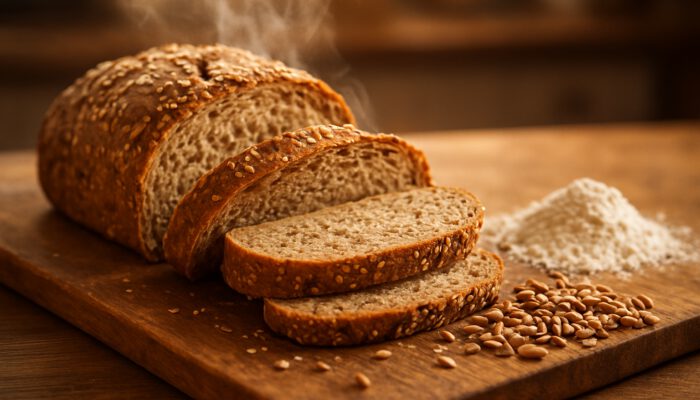
Choosing the Right Flours for Nutritious Bread Making
Exploring Different Types of Flour
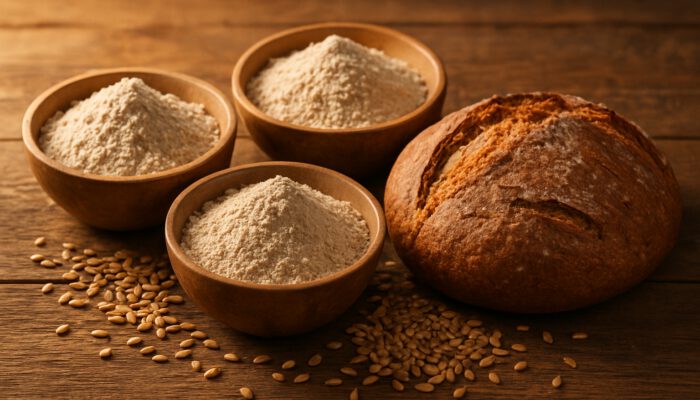
Selecting the appropriate flour is essential when baking whole grain bread. Whole grain flours preserve their inherent nutrients, including fibre, vitamins, and minerals, which are vital for crafting a wholesome loaf. Varieties such as whole wheat, spelt, and rye deliver unique flavours and textures, making them suitable for various baking recipes. Each flour type behaves differently in dough, influencing the final product’s rise and crumb structure.
It is equally important to understand the protein content of flours. Flours with higher protein levels, like bread flour, produce more gluten, which strengthens the bread’s structure. On the other hand, lower protein flours, such as cake flour, can lead to denser loaves. By experimenting with different flour types, bakers can achieve their preferred texture and flavour, ensuring consistent results regardless of household oven variations or climate conditions.
Why Are Whole Grains the Best Choice?
Whole grains are nutrient-dense, making them a fantastic option for bread baking. They encompass the entire grain kernel, which includes the bran, germ, and endosperm, enhancing both flavour and nutritional value. This complete composition not only promotes better digestibility but also contributes to a more satisfying texture in the finished loaf. Incorporating varieties like quinoa, oats, and brown rice can introduce distinct flavours and additional health advantages.
Whole grains strengthen the bread’s structure during rising and baking. The natural oils present in whole grains help to retain moisture, resulting in a tender crumb. By exploring different grain varieties, bakers can create loaves that are not only delicious but also nutritious, providing a balanced dietary profile for family and friends.
Finding Quality Ingredients
The quality of the ingredients used is paramount in bread baking. Fresh, high-quality flours and grains significantly impact the taste and texture of the bread. Seek out local mills or health food stores that offer freshly milled options, as these retain more nutrients and flavour compared to mass-produced alternatives. Considering organic options is also worthwhile to avoid additives that may compromise the bread’s natural properties.
When sourcing ingredients, it’s beneficial to prioritise seasonal and local produce. Supporting local farmers not only enhances flavour but also fosters sustainability. By selecting fresh, quality ingredients, bakers can elevate the overall experience of making whole grain bread, ensuring each loaf reflects their dedication to health and taste.
Expert Recommendations for Whole Grain Bread Recipes
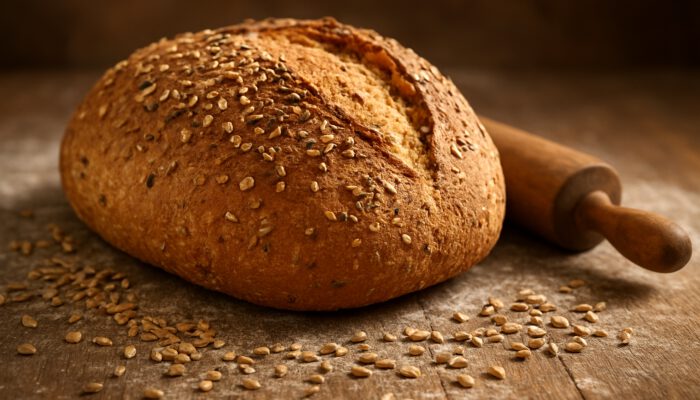
Step-by-Step Guide to Mixing Ingredients
Correctly mixing ingredients is fundamental for successful bread baking. Begin by combining dry ingredients, such as flour and salt, to achieve even distribution. Gradually introduce liquids like water or milk, mixing until a shaggy dough forms. This method encourages even hydration, which is essential for optimal gluten development.
Once the dough has formed, knead it gently to establish the gluten network. This process typically takes between 8 to 10 minutes, depending on the flour type and moisture content. While a stand mixer can expedite the process, hand-kneading allows bakers to sense the dough’s texture, ensuring the right consistency for their whole grain bread.
Assessing Dough Consistency
Evaluating dough consistency is a crucial skill for bakers. The ideal dough should be slightly tacky without becoming overly sticky. To assess readiness, consider the following visual and tactile indicators:
- The dough should spring back when gently pressed.
- It should maintain its shape without collapsing.
- A smooth surface indicates proper gluten development.
- The dough should exhibit elasticity and not tear easily.
By mastering these indicators, bakers can ensure their dough is at the optimal stage for rising and baking. This meticulous attention to detail results in improved texture and flavour in the final loaf, enhancing the entire baking experience.
Properly Storing Freshly Milled Grains
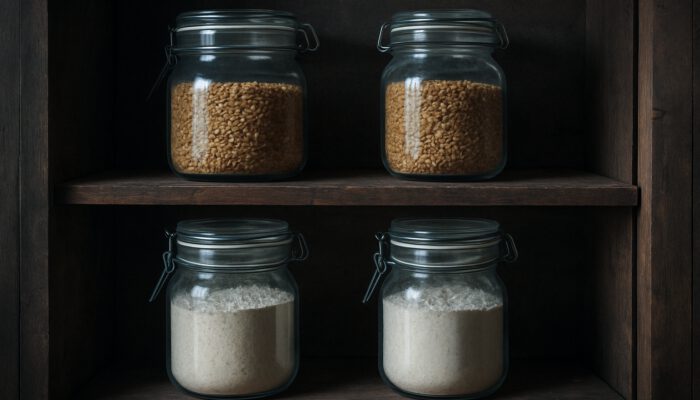
Maintaining the quality of freshly milled grains requires proper storage methods. Whole grains are rich in oils that can become rancid if not stored correctly. Utilise airtight containers to protect against moisture and light, which can degrade the grains over time. A cool, dark pantry or refrigerator is ideal for prolonging freshness.
If purchasing in bulk, consider freezing portions to extend shelf life. This method preserves the grains’ nutritional integrity, ensuring that every batch of bread you bake is as fresh as possible. By adhering to these storage guidelines, bakers can achieve superior results whenever they decide to bake.
Selecting High-Quality Whole Grains
Choosing the right whole grains is crucial for producing outstanding bread. Opt for grains that are organic, non-GMO, and sourced from reputable suppliers. Familiarising yourself with the unique characteristics of each grain can aid in recipe development. For instance, spelt flour has a slightly nutty flavour and is easier to digest than regular wheat.
Experimenting with various grains allows bakers to craft distinctive recipes that stand out. Incorporating grains like barley, millet, or farro can enhance the flavour and texture of your bread. By selecting high-quality whole grains, bakers can elevate their recipes, offering delicious and nutritious loaves to family and friends.
What Are the Essential Ingredients for Successful Bread Baking?
Opting for Natural Sweeteners
Natural sweeteners such as honey, maple syrup, or agave nectar can enrich the flavour of whole grain bread without overshadowing its wholesome essence. Honey, in particular, not only adds sweetness but also contributes to a tender crumb and improved moisture retention. These sweeteners can facilitate a slight caramelisation during baking, resulting in an appealing crust.
When choosing sweeteners, consider their effects on the dough’s hydration level. Liquid sweeteners necessitate adjustments to the overall liquid content in your recipe. Understanding how these natural options interact with other ingredients ensures a balanced flavour and texture in your final loaf, making your whole grain bread a delightful indulgence.
How Do Liquids Influence Bread Texture?
The type and quantity of liquid used in bread dough have a substantial impact on its texture. Water is the most common choice, but substituting milk can enhance flavour and yield a softer crumb. Achieving the right hydration level is crucial; insufficient liquid can lead to a dry loaf, while excessive liquid can result in a sticky, unmanageable dough.
It’s essential to measure liquids precisely and adjust according to the flour type. Whole grain flours generally absorb more moisture, so bakers may need to increase the liquid content slightly. By balancing liquid ratios, bakers can create the desired dough consistency, leading to a soft interior and a beautifully crusted whole grain bread.
Adding Seeds and Nuts for Enhanced Nutrition
Incorporating seeds and nuts into whole grain bread not only boosts its nutritional profile but also introduces delightful textures and flavours. Ingredients like sunflower seeds, flaxseeds, or walnuts enhance the bread’s health benefits, supplying essential fatty acids and protein. These additions create a pleasant crunch that complements the hearty nature of whole grain recipes.
When adding seeds and nuts, consider lightly toasting them to intensify their flavour. This step brings out their natural oils and enriches the overall taste of the bread. By experimenting with diverse combinations, bakers can create unique recipes that cater to their tastes while providing nutritious options for their families.
Evidence-Based Benefits of Whole Grain Bread Baking
Nutrition Insights from Experts
Research consistently indicates that whole grain breads provide sustained energy and are rich in dietary fibre, which supports digestive health. Incorporating whole grains into daily meals can lower the risk of chronic diseases and enhance overall well-being. Regular consumption of whole grain bread can lead to improved satiety, aiding in effective weight management.
Bakers can take pride in knowing that their homemade whole grain bread not only tastes fantastic but also contributes to a healthier lifestyle. By making informed choices about ingredients and recipes, they can create loaves that nourish both the body and soul, establishing it as a staple in balanced diets worldwide.
Real-World Examples of Yeast Activation
Understanding yeast activation is key to achieving consistent results in bread baking. Yeast thrives at specific temperatures, typically between 24°C and 27°C. When temperatures are too low, yeast activity slows down, leading to poor rise. Conversely, excessive heat can kill the yeast, resulting in dense, unappealing loaves.
Practical examples illustrate that bakers must adapt their techniques based on environmental factors. For instance, in warmer climates, dough may rise more quickly, necessitating adjustments to proofing times. By closely monitoring yeast activity, bakers can ensure their bread achieves the desired volume and airy structure, resulting in a delightful final product.
What Naturally Extends Shelf Life?
Keeping homemade bread fresh can be challenging, but several techniques can help. Allowing bread to cool completely before wrapping is crucial, as this prevents moisture accumulation that leads to sogginess. Once cooled, store the bread in a paper bag or breathable cloth to maintain its crust while keeping the interior soft.
For longer storage, consider slicing the bread and freezing individual pieces. This method allows for easy access while preserving freshness for several days. By implementing these techniques, bakers can enjoy their whole grain bread without relying on preservatives, ensuring a healthier option for their families.
How Can You Refine Your Baking Skills?
Perfecting Kneading Techniques
Kneading is a vital step in bread baking that develops the gluten network, crucial for a loaf’s structure. Mastering various kneading techniques, such as the fold and stretch method or the slap and fold technique, can significantly enhance the texture of your whole grain bread. Each technique promotes gluten formation, leading to a better rise and chew.
Practising different kneading methods allows bakers to discover what works best for them. It’s important to observe the dough’s texture during this process; it should become smooth and elastic. With time and experience, bakers will develop an intuitive feel for the dough, ensuring their loaves maintain their shape and deliver satisfying results with each bake.
Managing Oven Temperatures Effectively
Accurate control of oven temperature is crucial for successful baking. Each oven functions differently, making it essential to use an oven thermometer to verify settings. Proper heat ensures even baking, preventing undercooked centres or burnt crusts.
The advantages of monitoring oven temperatures include:
- Consistent baking results across various recipes.
- Enhanced texture and rise in bread.
- Lower risk of burnt edges or uneven cooking.
- Improved flavour development during the baking process.
By focusing on temperature management, bakers can achieve the perfect golden crust and fluffy interior, elevating their whole grain bread to new heights.
Experimenting with Resting Periods
Allowing dough to rest at critical stages is essential for flavour development and ease of shaping. Resting the dough after mixing and before shaping helps relax the gluten, making it easier to work with. This step also enhances flavour complexity, as the ingredients have time to meld.
Bakers should experiment with varying resting times to determine what works best for their recipes. A longer rest can yield a more developed taste, while shorter rests may suit quicker baking sessions. By recognising the importance of resting periods, bakers can refine their skills and create exceptional whole grain bread that delights everyone.
Avoiding Common Baking Mistakes
Avoiding Overmixing the Dough
Overmixing dough can lead to tough textures in bread, counteracting the goal of achieving a light, airy loaf. Gentle handling is recommended to preserve the integrity of the gluten structure. Aim for just enough mixing to thoroughly combine ingredients, allowing the dough to retain its softness.
To prevent overmixing, bakers should concentrate on the dough’s texture. It should feel cohesive and slightly tacky, without becoming overly sticky. By practising gentle techniques, bakers can achieve light and appealing bread that is enjoyable to eat and share.
How Does Humidity Affect Baking Results?
Humidity significantly influences baking outcomes. In high humidity, flour can absorb more moisture, resulting in wetter doughs that may require recipe adjustments. Conversely, low humidity can dry out dough, leading to dense centres or collapsed tops during baking.
Bakers should be prepared to modify their recipes based on weather conditions. This might involve adding more flour in humid environments or increasing liquid in dry conditions. By understanding the effects of humidity on dough, bakers can enhance their results and create consistently delicious whole grain bread.
Importance of Allowing Cooling Periods
Rushing the cooling period can adversely affect the texture of homemade bread. Cutting into a loaf while it’s still warm can result in a gummy, soggy interior. Allowing bread to cool completely on a wire rack ensures even moisture dissipation, leading to better texture and sliceability.
Patience is essential during this stage. Cooling enables the crumb to set properly, making it easier to slice without tearing. By prioritising this step, bakers can enjoy optimal texture and flavour in their whole grain bread, enriching the overall baking experience.
Ensuring Correct Oven Temperatures
Baking at incorrect temperatures can lead to disappointing outcomes. Using the wrong oven temperature or skipping preheating can cause bread to bake unevenly, resulting in a loaf that is burnt on the outside but raw inside. Always confirm settings with a thermometer for perfect baking.
Recognising the significance of accurate temperatures helps bakers achieve golden crusts and airy interiors. Each recipe may require slight adjustments based on individual oven characteristics, so monitoring performance is crucial. By ensuring the right conditions, bakers can produce beautiful whole grain bread every time.
Precision in Measuring Ingredients
Accuracy in measuring ingredients is vital for successful baking. Estimating quantities of flour or sugar can lead to inconsistent results. Investing in digital scales to weigh ingredients promotes consistency and helps avoid disappointing bakes. Accurate measurements ensure that recipes yield the desired outcomes every time.
Bakers should cultivate a habit of measuring ingredients meticulously, as even minor variations can affect dough consistency and final texture. By prioritising precision, bakers can enhance their skills and create delicious whole grain bread that impresses family and friends alike.
Frequently Asked Questions
Which Flours Are Best for Whole Grain Bread?
Whole wheat flour, spelt flour, and rye flour are excellent options for whole grain bread. Each provides unique flavours and textures, contributing to a nutritious and enjoyable loaf.
How Can I Tell When My Dough Is Ready to Rise?
Your dough is ready to rise when it feels slightly tacky, springs back when pressed, and retains its shape without collapsing. These indicators signify proper gluten development.
Can I Use Different Grains in My Bread?
Absolutely! Experimenting with grains such as quinoa, oats, or barley can introduce unique flavours and nutritional benefits to your whole grain bread recipes.
What Is the Best Way to Store Whole Grain Bread?
Store whole grain bread in a paper bag or cloth to maintain freshness. For extended storage, slice and freeze individual pieces to enjoy later without sacrificing quality.
How Can I Enhance the Flavour of My Whole Grain Bread?
Incorporate natural sweeteners, seeds, and nuts to boost flavour. Allowing the dough to rest also contributes to a more complex taste in the final loaf.
What Role Does Yeast Play in Bread Baking?
Yeast is essential for fermentation, generating carbon dioxide and causing the dough to rise. Proper yeast activation is critical for achieving a light, airy texture in bread.
How Can I Monitor My Oven’s Temperature?
Utilising an oven thermometer is the most reliable way to ensure accurate temperatures. This helps prevent undercooking or burning your bread, leading to improved results.
What Should I Do If My Dough Is Too Sticky?
If your dough is too sticky, gradually add more flour until it reaches the desired consistency. Take care not to add too much, as this can affect the final texture.
Is It Possible to Use Milk Instead of Water in My Bread Recipes?
Yes, using milk can enhance flavour and create a softer crumb in your bread. Just be sure to adjust the overall liquid content in the recipe accordingly.
How Long Should I Allow My Bread to Cool Before Slicing?
Allow your bread to cool completely on a wire rack for at least 30 minutes. This ensures the crumb sets properly, resulting in better texture and sliceability.



It’s fantastic to see a focus on the nutritional aspects of bread making! Choosing the right flour can truly make all the difference, not just in flavor and texture, but also in the health benefits we glean from our homemade loaves. Personally, I’ve found that experimenting with different whole grain flours has been both a fun journey and an educational experience.
Your exploration of flour types opens up a crucial conversation about nutrition in bread making. I’d argue that the protein content and resulting gluten structure are just part of the equation. For example, many bakers overlook the impact of the milling process; stone-ground flours retain more nutrients than their roller-milled counterparts, which can significantly affect both taste and health benefits.