Essential Ingredients for Perfect Clarified Butter
What key ingredients are necessary for clarified butter?
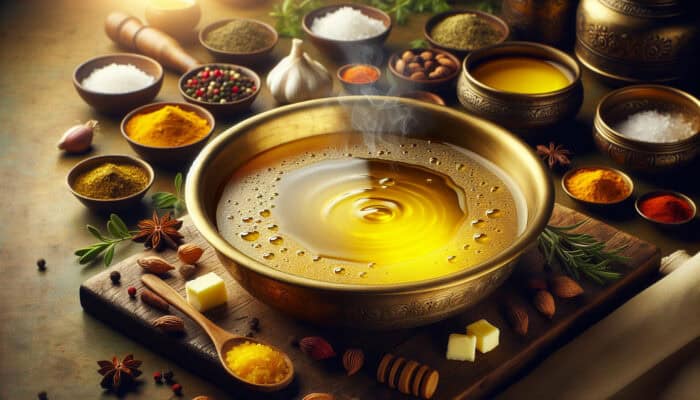
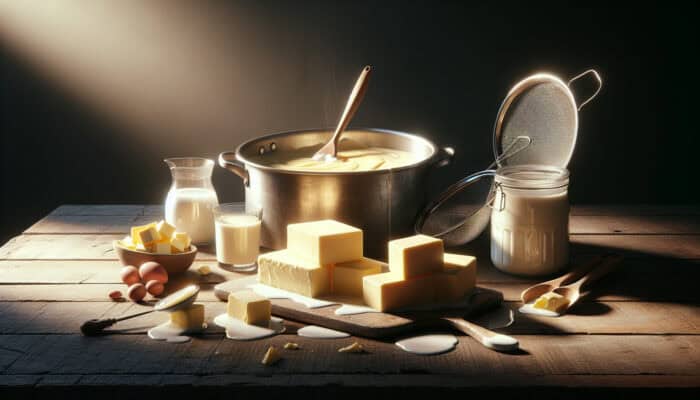
To create clarified butter, the primary ingredient you need is high-quality unsalted butter. This straightforward ingredient undergoes a fascinating transformation where milk solids and water are removed, resulting in pure fat that is ideal for high-heat cooking. This process not only enhances its flavour but also raises its smoke point, making it a versatile option for frying or baking without the fear of burning easily. Clarified butter, often referred to as ghee in various cultures, transcends mere cooking; it embraces a culinary tradition that adds depth and richness to countless dishes. It is a staple in kitchens worldwide, from Indian curries to French sauces, underscoring its universal appeal. The clarity in its composition allows chefs to utilise its full potential, establishing it as an essential fat for any cooking enthusiast.
How to select the highest quality butter?
Choosing the right butter is vital for producing excellent clarified butter. Always opt for unsalted butter, as it provides better control over the saltiness in your recipes. Fresh, high-fat varieties yield the best results, ensuring a smooth texture and a rich taste upon clarification. The fat content is crucial, as it significantly impacts the flavour and consistency of the final product. When selecting butter, look for brands that prioritise quality and sustainability. Many artisanal producers focus on sourcing milk from grass-fed cows, resulting in butter that not only tastes superior but also offers higher nutritional value. This keen attention to quality can make a substantial difference in your cooking, allowing the clarified butter to truly shine in every recipe.
What are some common alternatives for clarified butter?
While traditional butter is the standard for making clarified butter, there are several alternatives worth considering. For example, organic butter can enhance the purity of the final product. It is essential to keep in mind the fat content, as this can significantly affect the optimal separation during the heating process. A higher fat content generally leads to a clearer final product, which is particularly desirable for everyday meals. If you're in search of dairy-free options, coconut oil can serve as an excellent substitute. While it behaves differently during the clarification process, it can impart a unique flavour profile, making it suitable for specific dishes. Experimentation is key to finding the right fit for your culinary requirements, ensuring that each clarified butter variation aligns with your palate and cooking style.
Expert Techniques for Making Clarified Butter
What methods do culinary experts recommend for clarification?
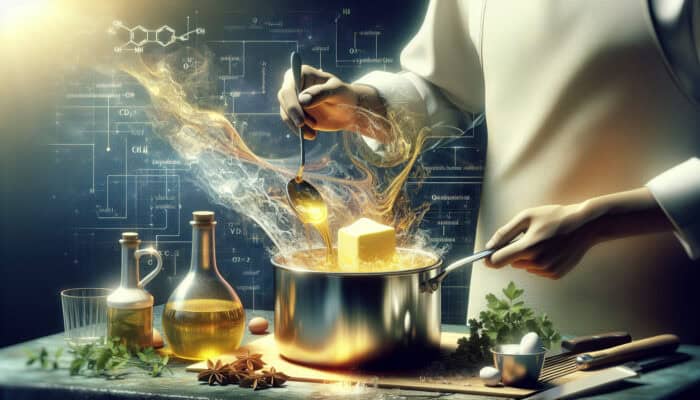
Culinary experts advocate for tried-and-true techniques to achieve perfect separation when creating clarified butter. One of the most effective methods involves gently heating the butter over low heat, which allows the milk solids to sink to the bottom while the water evaporates. Maintaining temperature control is crucial; excessive heat can lead to burning, whereas too low a setting may prolong the process unnecessarily. A practical approach is to observe the butter as it melts. Watch for the gradual separation of layers; this visual cue indicates that the milk solids are settling correctly. Expert chefs often emphasise the importance of patience during this process, as rushing can result in undesirable outcomes. Understanding the subtleties of heat application ensures that you achieve consistent results every time, making clarified butter a reliable staple in your kitchen.
What essential tools ensure precision in making clarified butter?
Utilising the right tools can significantly enhance your precision when making clarified butter. Experts recommend a heavy-bottomed pan to ensure even heating throughout the cooking process. This type of cookware prevents hotspots that can lead to uneven separation of milk solids. Stainless steel pans are particularly popular due to their durability and ability to withstand high temperatures without warping. They also allow you to monitor the colour of the butter as it clarifies. Additionally, a reliable thermometer is a vital tool; it helps you keep track of the butter's temperature, ensuring you remain within the ideal range for optimal results.
What are the benefits of expert techniques in clarified butter preparation?

Embracing refined techniques for making clarified butter not only enhances its nutritional value but also extends its shelf life. For instance, slow simmering, as endorsed by culinary experts, helps maintain the integrity of the fats while preventing flavour degradation. This method allows for the creation of a staple that can be used in various recipes without reliance on added preservatives. Furthermore, a careful process enhances the aromatic complexity of clarified butter, transforming it into not just a functional ingredient but also a flavour enhancer. By investing time in mastering these techniques, you ensure that every batch of clarified butter serves as a testament to your culinary skills, elevating your cooking to new heights.
What expert tips can help troubleshoot common issues?
In the kitchen, every detail matters, and when it comes to making clarified butter, expert tips can help you avoid common pitfalls. Closely monitoring the temperature is perhaps the most crucial piece of advice; overheating can lead to burnt solids, ruining your batch. If you notice that the separation is uneven, a practical solution is to strain the mixture through cheesecloth to achieve purity. In Australian kitchens, it is essential to account for varying heat sources, as this can affect the cooking process. For instance, gas stoves can provide direct heat, requiring more vigilance than electric stoves. To ensure a smooth process, take your time, and avoid rushing the cooking; a little patience goes a long way in achieving reliable and consistent results in your clarified butter.
Understanding the Clarification Process
What is the fundamental method for clarification?
The fundamental method for creating clarified butter involves a straightforward heating process. Begin by gently heating butter in a pan over low heat. This gradual warming allows the milk solids to settle at the bottom while the water evaporates, resulting in a clear liquid that rises to the top. This technique is adaptable for various quantities, making it suitable for home cooking setups. Whether you’re preparing a small batch for immediate use or a larger quantity for future culinary adventures, this method remains effective. The simplicity of the process enables even novice cooks to achieve excellent results, making clarified butter an accessible goal for all.
Why does separation occur during the clarification process?
Separation in clarified butter occurs as the butter melts due to differences in density among its components. The water evaporates first, followed by the milk solids, which eventually sink to the bottom of the pan. Understanding this separation process is key to effectively skimming off impurities, leading to a final product that remains stable at high temperatures. This knowledge ensures that the clarified butter you produce is suitable for a variety of dishes, from sautéing to baking. By grasping the science behind the separation, you can make informed decisions during the cooking process, ensuring that your clarified butter is both functional and flavourful.
How can you effectively monitor the progress of clarified butter?
Monitoring the progress of your clarified butter is essential for achieving the perfect consistency. As the butter heats, keep an eye out for bubbling and foaming, which are indicators of readiness. These visual cues signal that the water is evaporating and the milk solids are beginning to separate. A step-by-step observation not only helps prevent overcooking but also ensures that the butter reaches the ideal golden state. Timing is crucial in this process; knowing when to remove the butter from heat can determine whether your batch turns out good or great. By staying attentive, you’ll master the art of clarified butter, ready to enhance your culinary creations.
Comprehensive Step-by-Step Guide to Making Clarified Butter
What initial steps should you take to start?
To begin your journey in making clarified butter, start by cutting the butter into cubes for even melting. This step ensures that the butter heats uniformly, promoting effective separation of its components. Place the butter cubes in a pan over low heat, allowing the gentle warming to create a foundation for clear butter that’s easy to strain for cooking purposes. As you embark on this process, remember that patience is essential. Rushing the initial steps can lead to inconsistent results, so take your time to ensure that every cube melts evenly, setting the stage for a successful batch of clarified butter.
- Select high-quality unsalted butter.
- Cut butter into uniform cubes to ensure consistent melting.
- Utilise a heavy-bottomed pan to prevent hotspots during heating.
- Set the heat to low for gradual melting and optimal separation.
By following these initial steps, you lay the groundwork for creating clarified butter that is both delicious and versatile in your kitchen.
How to handle the straining process effectively?
Once your clarified butter has reached the desired state, the next step is to manage the straining process with care. Allow the mixture to cool slightly before using a fine mesh sieve to filter out the solids. This step refines the texture of your clarified butter, making it suitable for storage and later use in sautés, sauces, or any dish where a smooth consistency is paramount. Straining is not merely about removing impurities; it’s about ensuring that every drop of clarified butter is as pure as possible. This attention to detail enhances the overall cooking experience, allowing the rich flavour of the butter to shine through without any unwanted bits. By mastering this step, you ensure that your clarified butter is a versatile ally in the kitchen.
What final cooling techniques should you employ?
After straining, allowing the clarified butter to cool at room temperature is crucial before refrigerating it. This step preserves its quality and ensures it solidifies properly for convenient portioning in future meals. Rushing this process can lead to a compromised texture, making it challenging to use in recipes later. Once cooled, consider transferring the clarified butter to an airtight container for optimal storage. This method not only prolongs its shelf life but also makes it easily accessible whenever you need it. By following these final cooling techniques, you ensure that your clarified butter remains a staple in your kitchen, ready to enhance any dish.
What Benefits Does Clarified Butter Offer?
Why is clarified butter considered ideal for cooking?
Clarified butter stands out as an ideal cooking fat due to its ability to withstand higher temperatures than regular butter. This characteristic prevents burning and imparts a delightful nutty flavour to dishes, enhancing the overall taste profile. Its pure form allows it to excel, especially in grilling or baking applications where other fats may falter. The versatility of clarified butter extends beyond its cooking characteristics; it adapts seamlessly to a variety of cuisines and preparations. Whether you're using it in a traditional Indian curry or a contemporary sauté, clarified butter's high smoke point ensures consistent performance, making it a favourite among chefs worldwide. With its ability to complement a myriad of flavours, it’s no wonder that clarified butter has become a culinary staple.
What nutritional advantages does clarified butter provide?
One of the most compelling reasons to incorporate clarified butter into your diet lies in its nutritional advantages. It retains healthy fats while effectively removing proteins that can cause allergies, making it a lighter option for everyday use. This aspect supports better digestion, allowing many to enjoy the rich taste of butter without discomfort. Additionally, clarified butter can provide sustained energy during meals, thanks to its concentrated fat content. This energy boost can be particularly beneficial for those seeking prolonged vitality throughout their day. By choosing clarified butter, you’re not just making a flavourful choice; you’re also taking a step toward a more nourishing culinary experience.
How does clarified butter compare to other cooking options?
When comparing clarified butter to oils, it offers a uniquely rich mouthfeel and superior browning capabilities. Understanding this distinction helps you select clarified butter for recipes where depth of flavour is critical. The nuances of taste and texture that clarified butter brings can elevate your dishes, creating memorable meals that resonate with diners. In a world filled with cooking oils, clarified butter holds its own, providing a nostalgic yet sophisticated option for various culinary applications. Its ability to enhance flavours while maintaining stability at high temperatures makes it a top choice for chefs and home cooks alike, ensuring every meal is a testament to quality and care.
Why is clarified butter ideal for health-conscious diets?
Clarified butter is an excellent choice for health-conscious diets for several compelling reasons. First, it retains beneficial fats while eliminating lactose, making it suitable for those with sensitivities. This feature allows individuals to enjoy the rich taste of butter without adverse effects, promoting inclusivity in culinary experiences. Moreover, clarified butter can support heart health through its balanced fatty acids, contributing to overall well-being. By incorporating it into meals, you can maintain steady energy levels throughout the day, making it a versatile option for nutritious cooking. This adaptability ensures that clarified butter finds a place in diverse diets, catering to those who prioritise health without sacrificing flavour.
Effective Strategies for Crafting Clarified Butter
What advanced tips can enhance your clarified butter results?
When making clarified butter, incorporating slow heating techniques can significantly improve your results. This method minimises waste and ensures that all fat is utilised effectively. Start by using low heat and allowing the butter to melt gradually; this process maximises the purity of the final product. For those looking to produce clarified butter in larger quantities, consider batch sizes that align with your culinary needs. This approach ensures you have an ample supply without compromising quality. By implementing these advanced strategies, you can streamline your butter-making process, empowering your kitchen with a reliable source of clarified goodness.
How can you customise the flavour of clarified butter?
If you wish to add a personal touch to your clarified butter, consider infusing it with herbs during the cooking process. Incorporating herbs like rosemary or thyme can elevate the flavour profile, making your clarified butter an excellent companion for various dishes. When adding additional ingredients, it’s crucial to balance these additions to maintain the butter's core qualities. Infusing clarified butter not only enhances your culinary creations but also showcases your creativity in the kitchen. By experimenting with different herbs and spices, you can craft a personalised blend that perfectly complements your favourite recipes.
What strategies should you employ for large batch production?
Scaling up your clarified butter production can be efficient and practical with the right strategies in place. Using a double boiler system helps achieve even results by providing gentle heat, preventing burning or scorching. This method is especially beneficial when preparing large quantities for storage or frequent use. Storage is another crucial aspect to consider; ensure you have sufficient airtight containers to keep your clarified butter fresh. By planning for both production and storage, you can maintain the quality of your clarified butter over time, ensuring it remains a go-to ingredient in your kitchen for multifaceted culinary adventures.
Why Is Clarified Butter Superior?
What makes clarified butter more stable than regular butter?
The stability of clarified butter arises from its lack of water content, which prevents splattering during cooking. This characteristic is particularly advantageous for high-heat methods, making clarified butter a reliable choice over regular butter in demanding recipes. Its stability allows for consistent performance, ensuring that your culinary creations turn out perfectly every time. This reliability is a significant factor for chefs and home cooks alike; knowing that clarified butter can withstand various cooking methods without compromising quality adds confidence to your culinary endeavours. By embracing clarified butter, you can elevate your cooking while preserving the integrity of your dishes.
How does clarified butter enhance the taste of dishes?
The removal of milk solids during the clarification process intensifies the natural richness of butter, enhancing the flavour profile of your dishes. This subtle improvement elevates everyday meals, adding depth of flavour that complements other ingredients without overwhelming them. When you use clarified butter, you’re not just adding a cooking fat; you’re introducing a layer of complexity that can transform a simple dish into something extraordinary. This enhancement of taste explains why many chefs choose clarified butter as their preferred cooking fat, as it allows them to create memorable culinary experiences.
Why is clarified butter a health-conscious choice?
Clarified butter offers a cleaner fat profile with less lactose, making it beneficial for those seeking digestive ease. This characteristic allows individuals to enjoy the rich flavour of butter without discomfort, promoting inclusivity in dietary choices. Furthermore, it contains healthy fats that support energy levels and is rich in vitamins A, D, E, and K, contributing to overall health. By incorporating clarified butter into your meals, you’re not just indulging in flavour; you’re nurturing your body with essential nutrients while enjoying a delightful culinary experience.
- Rich in healthy fats that support energy levels.
- Free from lactose, making it suitable for lactose-intolerant individuals.
- Contains vitamins A, D, E, and K essential for overall health.
- Supports heart health through balanced fatty acids.
By choosing clarified butter, you’re making a conscious decision that benefits both your taste buds and your health, all while enjoying a rich culinary experience.
Best Practices for Making Clarified Butter
What advanced tips can improve your clarified butter results?
Incorporating slow heating techniques can significantly enhance your clarified butter results. This method minimises waste and ensures that all fat is used effectively. Start by using low heat and allowing the butter to melt gradually; this process maximises the purity of the final product. For those looking to produce clarified butter in larger quantities, consider batch sizes that align with your culinary needs. This approach ensures you have an ample supply without compromising quality. By implementing these advanced strategies, you can streamline your butter-making process, empowering your kitchen with a reliable source of clarified goodness.
How can you customise the flavour of clarified butter?
If you want to add a personal touch to your clarified butter, consider infusing it with herbs during the cooking process. Adding herbs like rosemary or thyme can enhance the flavour profile, making your clarified butter an excellent companion for various dishes. When incorporating additional ingredients, it’s essential to balance these additions to maintain the butter's core qualities. Infusing clarified butter not only elevates your culinary creations but also showcases your creativity in the kitchen. By experimenting with different herbs and spices, you can create a personalised blend that complements your favourite recipes perfectly.
What strategies are best for producing large batches of clarified butter?
Scaling up your clarified butter production can be efficient and practical with the right strategies. Using a double boiler system helps achieve even results by providing gentle heat, preventing burning or scorching. This method is particularly beneficial when preparing large quantities for storage or frequent use. Storage is another crucial aspect to consider; ensure you have sufficient airtight containers to keep your clarified butter fresh. By planning for both production and storage, you can maintain the quality of your clarified butter over time, ensuring it remains a go-to ingredient in your kitchen for multifaceted culinary adventures.
Why is Clarified Butter the Superior Choice?
What makes clarified butter more stable than regular butter?
The stability of clarified butter arises from its lack of water content, which prevents splattering during cooking. This characteristic is particularly advantageous for high-heat methods, making clarified butter a reliable choice over regular butter in demanding recipes. Its stability allows for consistent performance, ensuring that your culinary creations turn out perfectly every time. This reliability is a significant factor for chefs and home cooks alike; knowing that clarified butter can withstand various cooking methods without compromising quality adds confidence to your culinary endeavours. By embracing clarified butter, you can elevate your cooking while preserving the integrity of your dishes.
How does clarified butter enhance the taste of dishes?
The removal of milk solids during the clarification process intensifies the natural richness of butter, enhancing the flavour profile of your dishes. This subtle improvement elevates everyday meals, adding depth of flavour that complements other ingredients without overwhelming them. When you use clarified butter, you’re not just adding a cooking fat; you’re introducing a layer of complexity that can transform a simple dish into something extraordinary. This enhancement of taste explains why many chefs choose clarified butter as their preferred cooking fat, as it allows them to create memorable culinary experiences.
Why is clarified butter a health-conscious choice?
Clarified butter offers a cleaner fat profile with less lactose, making it beneficial for those seeking digestive ease. This characteristic allows individuals to enjoy the rich flavour of butter without discomfort, promoting inclusivity in dietary choices. Furthermore, it contains healthy fats that support energy levels and is rich in vitamins A, D, E, and K, contributing to overall health. By incorporating clarified butter into your meals, you’re not just indulging in flavour; you’re nurturing your body with essential nutrients while enjoying a delightful culinary experience.
- Rich in healthy fats that support energy levels.
- Free from lactose, making it suitable for lactose-intolerant individuals.
- Contains vitamins A, D, E, and K essential for overall health.
- Supports heart health through balanced fatty acids.
By choosing clarified butter, you’re making a conscious decision that benefits both your taste buds and your health, all while enjoying a rich culinary experience.
Optimal Strategies for Storing and Using Clarified Butter
What containers are best for storing clarified butter?
When it comes to storing clarified butter, opting for airtight jars is essential for preserving freshness. Glass containers are preferred for their visibility, allowing you to easily monitor the butter's condition over time. The transparency of glass adds elegance to your kitchen, making it easy to see when you need to replenish your supply. Additionally, ensure the containers are clean and dry before filling them with clarified butter. Proper storage techniques extend the shelf life while maintaining quality, ensuring that your clarified butter remains a reliable ingredient whenever you need it for your culinary creations.
How can you extend the shelf life of clarified butter?
To extend the shelf life of your clarified butter, store it in a cool, dark place, avoiding exposure to light and heat that can accelerate rancidity. Proper sealing after each use is vital; this practice ensures it remains viable for weeks, supporting its role in various culinary applications. Consider labelling your containers with the date of production, which allows you to keep track of freshness. With these simple storage tips, you’ll ensure that your clarified butter remains a delicious and reliable ingredient in your kitchen, ready to enhance your cooking whenever you need it.
What are some common usage ideas for clarified butter?
Incorporating clarified butter into your cooking opens up a world of possibilities. It can serve as a fantastic base for sauces, providing a rich, nutty flavour that elevates your dishes. Additionally, it works beautifully in stir-fries, allowing vegetables and proteins to sear to perfection without the risk of burning. Here are some effective ways to use clarified butter:
- Use it as a base for sautéing vegetables, enhancing their natural flavours.
- Incorporate it into sauces for added richness and depth.
- Drizzle over popcorn for a gourmet touch that elevates your snack.
- Utilise it in baking to enhance pastries and cookies with a buttery flavour.
These simple yet effective ideas illustrate the versatility of clarified butter, showcasing its ability to enhance a wide range of recipes while adding depth and flavour to your meals.
Common Mistakes to Avoid When Making Clarified Butter
What errors often occur during the heating process?
Overheating clarified butter can lead to burnt solids, ruining the entire batch. Monitoring the temperature closely is essential to prevent this common error, ensuring that you achieve a high-quality end product that meets your cooking needs. A gentle approach to heating helps maintain flavour and consistency. To avoid these pitfalls, invest in a good thermometer and learn to recognise the visual signs of readiness. This attention to detail can make all the difference in your clarified butter’s quality, ensuring that each batch is perfect for your culinary adventures.
How can you avoid contamination during preparation?
Maintaining a clean and sterile process is critical when making clarified butter. Using clean utensils throughout the preparation helps keep the process pure, reducing the risks of spoilage during storage or preparation. A single speck of contamination can compromise the entire batch, so it’s best to err on the side of caution. Consider designating specific utensils for your clarified butter preparation to ensure consistency and cleanliness. This approach fosters a more organised cooking environment, ultimately leading to better results in your culinary endeavours.
Why is it important to test for completeness during the process?
Failing to check for full separation can lead to imperfect results, which might affect the texture and flavour of your clarified butter. Simple taste tests can confirm readiness, helping you achieve the desired consistency for reliable cooking outcomes. Knowing when your clarified butter is ready is an essential skill that enhances your overall cooking experience. By incorporating testing into your process, you empower yourself with the knowledge to create the best possible clarified butter. This commitment to quality leads to consistent success in your culinary creations, ensuring satisfaction at every meal.
How can you prevent incorrect measurements from affecting your process?
Using inaccurate measurements can throw off the entire recipe for clarified butter, leading to inconsistent results in flavour and texture. Always use precise tools and double-check quantities to achieve the desired outcome, avoiding any disappointing surprises in your cooking endeavours. Consider investing in a reliable set of measuring cups and spoons to ensure accuracy in your recipes. This attention to detail not only improves the quality of your clarified butter but also enhances your overall cooking skills, making you a more confident home cook.
Frequently Asked Questions About Clarified Butter
What exactly is clarified butter?
Clarified butter is butter that has had its milk solids and water removed, resulting in a pure fat suitable for high-heat cooking. This process enhances its flavour and smoke point, making it versatile for numerous culinary applications.
Can I use salted butter to make clarified butter?
While you can use salted butter, it is generally recommended to opt for unsalted butter for better control over the saltiness in your recipes. Unsalted butter allows for a more neutral flavour profile in your dishes.
How long can clarified butter last when stored properly?
When stored correctly in an airtight container in a cool, dark place, clarified butter can last for several months at room temperature. Refrigeration can extend its shelf life even further.
Is it possible to infuse flavours into clarified butter?
Yes, you can infuse clarified butter with herbs and spices during the cooking process. This adds unique flavours and enhances the richness of your culinary creations.
Is clarified butter the same as ghee?
While similar, clarified butter and ghee differ in their preparation. Ghee is cooked longer to develop a nutty flavour, whereas clarified butter retains a more neutral taste.
What dishes are best suited for clarified butter?
Clarified butter is ideal for frying, sautéing, and baking. Its high smoke point makes it suitable for various cooking techniques, ensuring consistent performance in your favourite recipes.
Can clarified butter be used in baking?
Absolutely! Clarified butter can enhance the flavour and texture of pastries and cookies, providing a rich, buttery taste without the risk of burning.
What is the best way to store clarified butter?
Store clarified butter in an airtight container in a cool, dark place. For extended shelf life, refrigeration is recommended, ensuring it remains fresh and ready for use.
What are the health benefits associated with clarified butter?
Clarified butter contains healthy fats, is lactose-free, and can support digestive health. Its rich nutritional profile makes it a beneficial addition to various diets.
Can I make clarified butter in bulk?
Yes, you can make clarified butter in larger quantities using a double boiler for even heating. This method is efficient and allows for easy storage, ensuring you have enough for multiple uses.